 A Astarin guide
Metal vs Bamboo Wind Chimes: Which Material Lasts Longest?
Metal wind chimes stay beautiful and resonant for a decade or more, while bamboo requires regular care to avoid weathering and rot.
Metal wind chimes outlast bamboo by years, often lasting 10+ years with minimal maintenance compared to bamboo’s 3-5 year lifespan. If durability is your priority, the material you choose matters more than the brand.
Why Metal Wind Chimes Last Longer
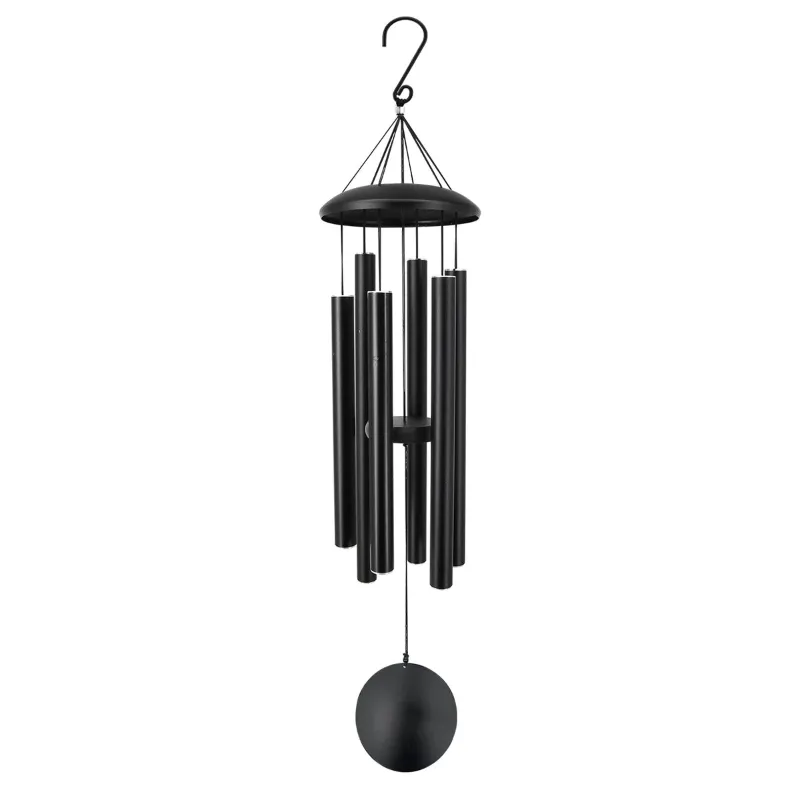
Metal holds up to sun, rain, and wind without degrading the way wood does. Bamboo is porous, so moisture seeps in, freeze-thaw cycles crack it, and UV rays turn it gray. Metal wind chimes made from aluminum, copper, or steel develop a patina or stay shiny depending on the alloy, but the core structure stays strong.
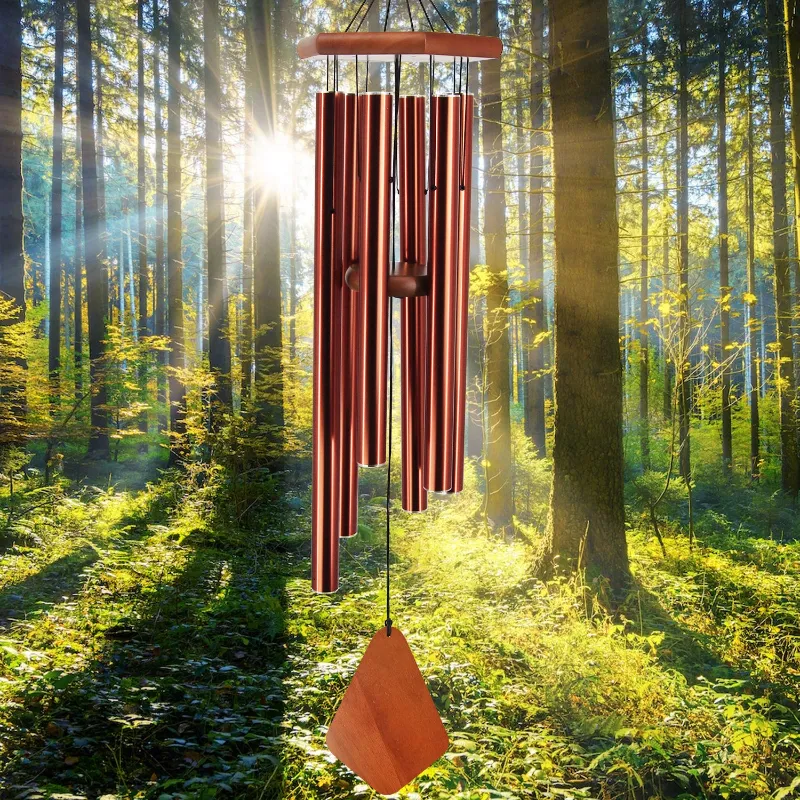
The best outdoor metal wind chimes resist corrosion. Aluminum wind chimes are lightweight and rust-resistant. Copper wind chimes develop an attractive green patina over time and are naturally antimicrobial. Steel and iron chimes ring longer and deeper but may rust unless powder-coated or treated.
Bamboo, meanwhile, will splinter, warp, and eventually crack within a few seasons in wet climates. It’s not that bamboo chimes are poorly made, it’s that the material itself can’t handle prolonged outdoor exposure without treatment or shelter.
Comparing Metal and Bamboo: Durability and Tone
| Attribute | Metal | Bamboo |
|---|---|---|
| Outdoor lifespan | 10-15+ years | 3-5 years |
| Rust/rot risk | Low (alloy-dependent) | High |
| Tone clarity | Bright and sustained | Muted, wooden |
| Maintenance | Occasional cleaning | Regular oiling/sealing |
| Weather resistance | Excellent | Poor |
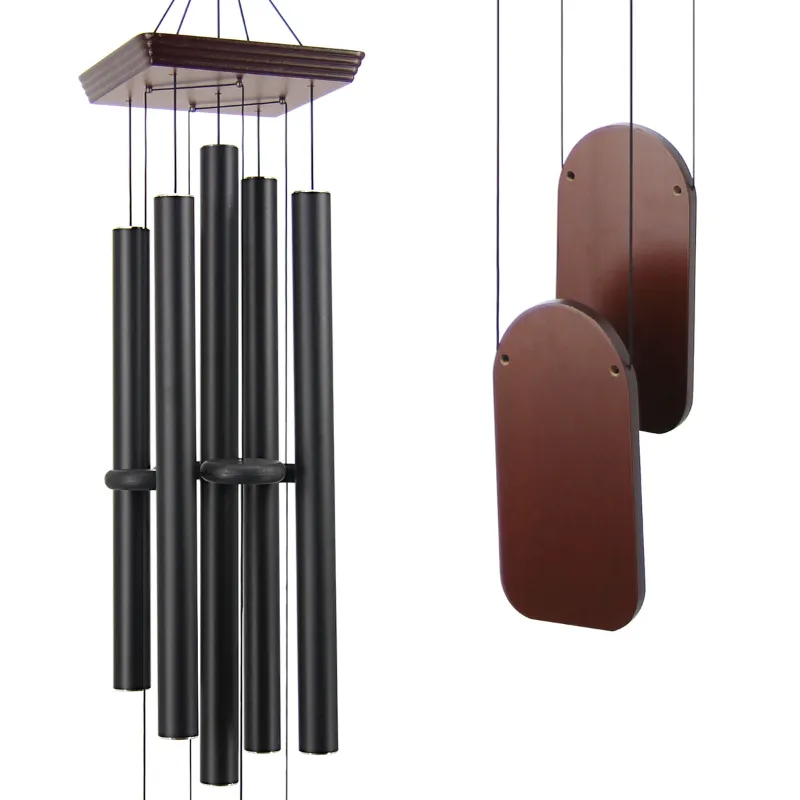
Metal wind chime options ring crisper and sustain longer because metal vibrates efficiently. Bamboo produces a softer, more muted sound, some prefer it, but it fades as the material degrades. Large metal wind chimes and big wind chimes are popular precisely because their size and material allow for deep, resonant tones that cut through background noise.
Popular Metal Brands vs Bamboo Alternatives
Corinthian bells wind chimes are a benchmark for quality metal chimes. They’re handcrafted, tuned to musical intervals, and rated to last 20+ years. Most use anodized aluminum or marine-grade metal, which handles salt spray and humidity.
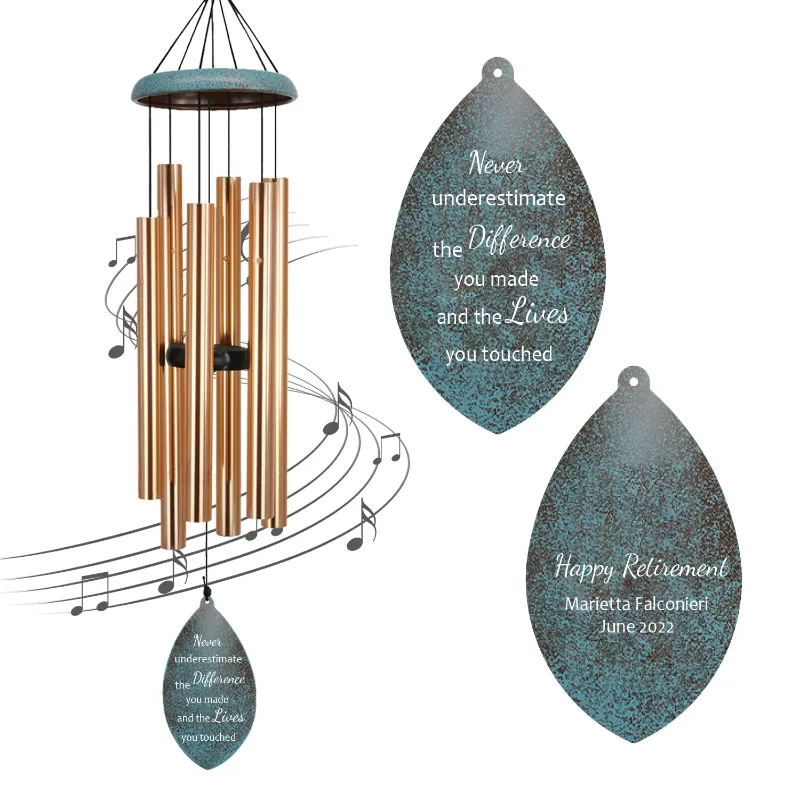
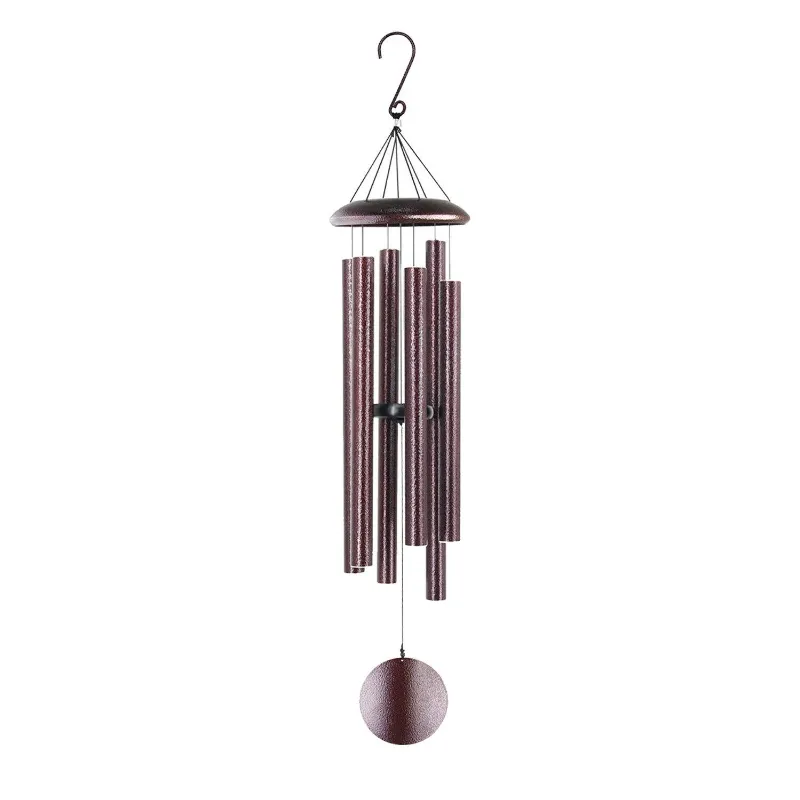
If you want metal but prefer a warmer aesthetic, copper wind chimes offer beauty and durability. The patina ages gracefully and creates a vintage metal wind chimes look that improves with time.
Bamboo lovers should know: a bamboo wind bell works best in covered areas or mild climates. Even then, plan to treat it yearly with spar urethane or teak oil to slow deterioration. Full sun and heavy rain will shorten its life by half.
Size and Durability: Bigger Chimes, Better Materials
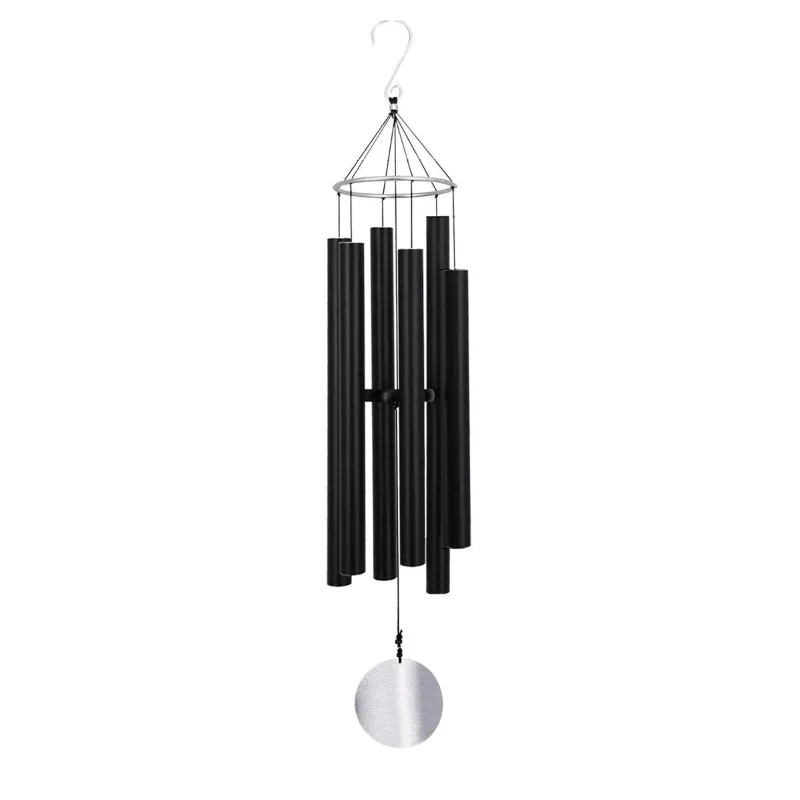
Larger chimes are usually made from metal for a reason. Giant wind chimes and wind chimes largest options need heft and rigidity to hang safely and produce the deep tones people want. Bamboo simply can’t scale that way without becoming unwieldy and fragile.
Large wind chime designs in metal give you more projection and complexity in the sound. A big metal chime will sound beautiful year after year, while a large bamboo piece will require constant upkeep or replacement.
Maintenance: What Each Material Demands
Metal chimes need minimal care. Wipe them down with a soft cloth occasionally to remove dust and bird droppings. If you want to keep them shiny, use a gentle metal polish twice yearly. That’s it.
Bamboo demands more: oil it every 6-12 months, inspect for cracks, and ideally bring it inside during winter in cold climates. If you live somewhere humid, add an extra treatment or two. The effort adds up fast.
Special Considerations: Memorial Wind Chimes and Vintage Options
If you’re choosing a memorial wind chimes piece (something meant to honor someone) go metal. You’ll want something that lasts as long as your memories. Metal chimes stay beautiful without fuss and can pass down through generations. A quality metal piece becomes a family keepsake.
Vintage and unique wind chimes often mix materials. Inspect metal ones for rust and bamboo ones for rot before buying used. A restored metal chime is usually worth it; an old bamboo piece is often a gamble.
Which Material Should You Choose?
Choose metal if you want a “set it and forget it” chime that sounds great for years. Choose bamboo only if you love the aesthetic, commit to maintenance, or plan to replace it every few seasons.
For most outdoor spaces, large metal wind chimes offer the best value over time. They sound better, last longer, and cost less per year of use.
Ready to upgrade? Grab the code to save 10% on your next metal wind chimes order and get started today. You can also check the latest price to see current options and stock.
Bottom Line
Metal wind chimes are the durability winner, no question. Whether you go for corinthian bells wind chimes or another outdoor metal wind chimes brand, you’re investing in years of trouble-free enjoyment. Bamboo has its charm, but only for the dedicated gardener willing to maintain it or accept a shorter lifespan.
Questions
How long do metal wind chimes last compared to bamboo?
Metal wind chimes typically last 10-15+ years with minimal care, while bamboo usually degrades within 3-5 years outdoors. Aluminum and copper hold up especially well in humid or coastal climates.
Do metal wind chimes rust?
It depends on the alloy. Aluminum and copper resist rust naturally. Steel and iron will rust unless powder-coated or treated, but many quality chimes come with rust-resistant finishes from the factory.
Can I leave a bamboo wind bell outside year-round?
Not without maintenance. Bamboo should be oiled every 6-12 months and brought inside during harsh winters. Even with care, it won't survive as long as metal outdoors.
Do large metal wind chimes sound better than bamboo?
Yes. Metal vibrates more efficiently and sustains tone longer, especially in large chimes that can produce deep, resonant sounds. Bamboo has a softer, warmer tone but fades as the material ages.
Are corinthian bells wind chimes worth the price?
If durability matters, yes. They're hand-tuned, made from marine-grade materials, and rated for 20+ years. The cost per year of use is often lower than replacing cheaper chimes every few seasons.
What metal material is best for outdoor wind chimes?
Aluminum and copper both excel outdoors. Aluminum is lightweight and rust-proof. Copper develops a protective patina and looks more decorative over time.
Products in this guide
 Shopping at Astarin? See the discount code
10% OFF All Orders
Shopping at Astarin? See the discount code
10% OFF All Orders