 A Astarin guide
Caring for Copper and Bronze Wind Chimes: Prevent Tarnishing and Corrosion
Copper wind chimes develop patina over time, but proper care prevents unwanted tarnish and keeps them sounding pure for years.
Copper wind chimes develop a natural patina over time, but proper care prevents unwanted tarnish and keeps them sounding pure for years. Whether you own vintage copper wind chimes, handmade copper wind chimes, or brand-new tubes, understanding how to clean and protect them ensures your investment stays beautiful and resonant.
Why Copper Wind Chimes Tarnish and Corrode
Copper oxidizes when exposed to air and moisture, which is why your copper wind chimes eventually darken. This natural process accelerates in humid climates, near ocean spray, or in areas with air pollution. Unlike tarnish on silver, copper tarnish forms a greenish or black patina that can dull the chimes’ appearance and affect their tone. Real copper wind chimes are prized for their warm sound, but corrosion can weaken the metal and degrade that acoustic quality over time.
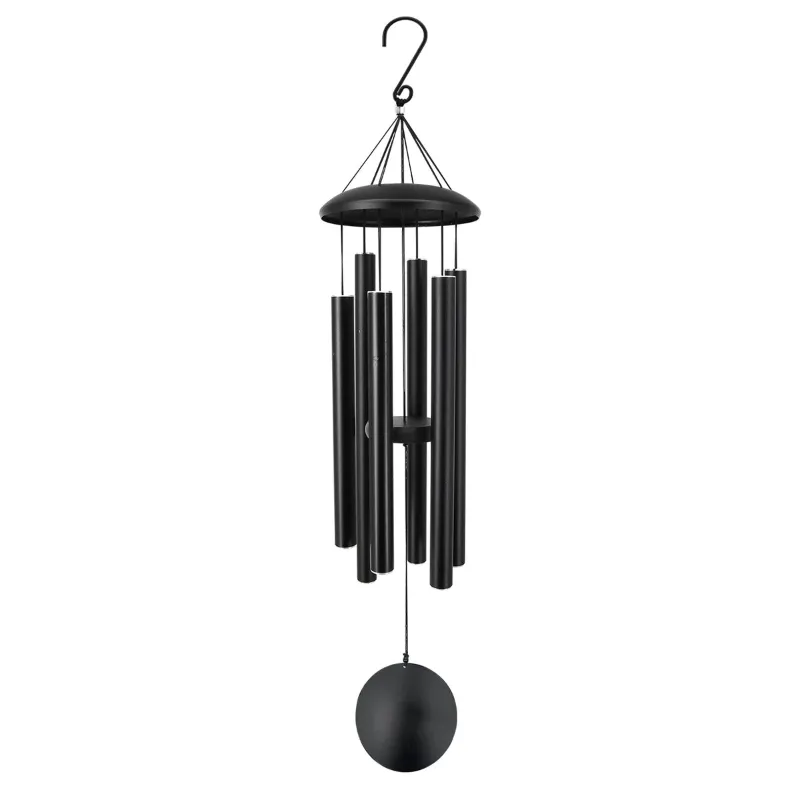
Metal wind chimes and other large wind chimes face the same exposure risks. The key is catching the problem early and choosing the right maintenance approach for your environment and aesthetic preference.
How to Clean Copper Wind Chimes Safely
Start with a gentle method before moving to stronger treatments. For light tarnish on your copper wind chimes, a soft cloth and warm soapy water often does the job. Dry immediately to prevent water spots.
For stubborn buildup:
- Soak the chimes in a mixture of white vinegar and baking soda for 30 minutes, then scrub gently with a soft brush.
- Use a commercial copper polish designed for musical instruments or decorative items, following the product instructions.
- For handmade copper wind chimes or delicate designs, avoid abrasive scrubbers that scratch the surface.
- Test any cleaning solution on a small, hidden area first.

Never use harsh scouring pads or steel wool on large copper wind chimes: they remove protective layers and leave micro-scratches that invite more corrosion. If your chimes have a protective coating, verify it’s safe to clean before proceeding.
Sealing and Protecting Against Future Tarnish
After cleaning, a protective coating slows re-tarnishing significantly. Lacquer or clear polyurethane sealers create a barrier between copper and air. Apply a thin, even coat and let it cure fully according to the product’s timeline.
For best copper wind chimes sound and appearance, seal them before hanging:
- Use a clear, UV-resistant coating rated for outdoor use if your chimes hang outside.
- Indoor copper wind chimes can use standard lacquer or varnish.
- Reapply sealant every 1-2 years, depending on humidity and exposure.
- Some owners prefer to let best copper wind chimes develop a natural patina for vintage copper wind chimes charm; if that’s your choice, still seal them to slow rapid corrosion.
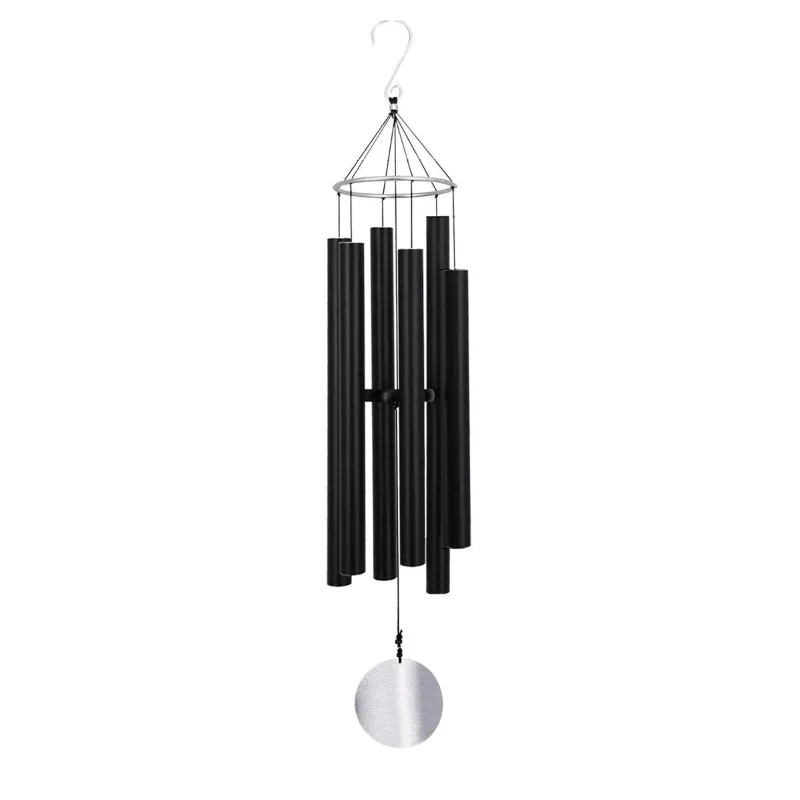
Corinthian bells wind chimes and other high-quality instruments often benefit from professional restoration every few years.
Materials That Resist Tarnish Better
If tarnish maintenance feels overwhelming, consider alternatives to pure copper. Aluminum wind chimes resist oxidation far better and require minimal upkeep. Bronze wind chimes (a copper alloy) develop patina more slowly than pure copper. Metal wind chimes in stainless steel or powder-coated finishes eliminate tarnish concerns entirely.

Large wind chimes in mixed materials, like big wind chimes with copper tubes and aluminum frames, strike a balance. You get copper’s resonant tone with less overall maintenance. Memorial wind chimes and other heirloom pieces may justify the extra care to preserve their original appearance.
| Material | Tarnish Speed | Maintenance | Best For |
|---|---|---|---|
| Pure copper | Fast (weeks to months) | Frequent cleaning and sealing | Vintage charm seekers |
| Bronze | Moderate (months) | Occasional sealing | Long-term outdoor use |
| Aluminum | Very slow | Minimal | Low-maintenance setups |
| Stainless steel | None | None | Hassle-free durability |
Storage and Seasonal Care
During off-seasons, proper storage slows copper wind chimes tarnish dramatically. Store them indoors in a dry space, wrapped loosely in soft cloth to allow air circulation without trapping moisture. Never seal them in plastic bags, which trap condensation and accelerate corrosion.
For large wind chimes or big wind chimes left hanging year-round, inspect them seasonally. Wipe away debris, check sealant integrity, and address any new tarnish spots before they spread. Coastal or humid climates require more frequent checks.
When to Restore vs. Replace
Severe corrosion (pitting, structural weakness, or permanent discoloration) sometimes justifies replacement over restoration. A giant wind chimes or wind chimes largest model that stops resonating cleanly may have internal corrosion beyond surface treatment.
Light to moderate tarnish almost always responds to cleaning and resealing. Even handmade copper wind chimes and vintage pieces can be fully restored with patience. If you’re unsure about DIY restoration, grab the code for 10% off a replacement set while you research professional polishing services.
Interested in making your own? Guides like Make Copper Wind Chimes and How to Make Wind Chime with Copper Pipes | Hearth and Vine show how to build chimes with built-in design choices for durability.
Finding the Right Copper Wind Chimes for Your Maintenance Style
Some people love the patina that forms on vintage copper wind chimes over years. Others prefer to keep large copper wind chimes gleaming. Your choice shapes how much work you’ll do.
If you want minimal upkeep, prioritize sealed finishes or consider aluminum wind chimes instead. If you enjoy the ritual of maintenance or want authentic handmade copper wind chimes character, embrace the cleaning schedule. Check the latest price on copper and metal options at Astarin, and take advantage of the 10% discount on whichever style fits your lifestyle.
Questions
How often should I clean my copper wind chimes?
Light cleaning every 2-3 months keeps tarnish at bay. If your copper wind chimes live in a humid or salty environment, increase that to monthly. Deep cleaning and resealing once or twice a year protects them long-term.
Can I use vinegar and baking soda on vintage copper wind chimes?
Yes, the vinegar-and-baking-soda method is gentle and effective for vintage copper wind chimes. Test it on a small spot first, rinse thoroughly, and dry immediately to avoid water damage.
What's the difference between copper wind chimes tarnish and verdigris?
Tarnish is a thin, dark layer that forms early. Verdigris is the thick, green coating that develops over years of exposure. Both respond to cleaning, but verdigris requires more aggressive treatment and takes longer to remove.
Do large wind chimes tarnish faster than small ones?
Surface area matters slightly, but material and environment matter far more. Large wind chimes in a humid climate tarnish faster than small ones in a dry environment. Proper sealing protects all sizes equally well.
Should I seal my copper wind chimes before or after hanging them?
Seal them after cleaning but before hanging. This ensures even coverage and allows the sealant to cure without dust or debris landing on it. Reapply every 1-2 years depending on outdoor exposure.
Products in this guide
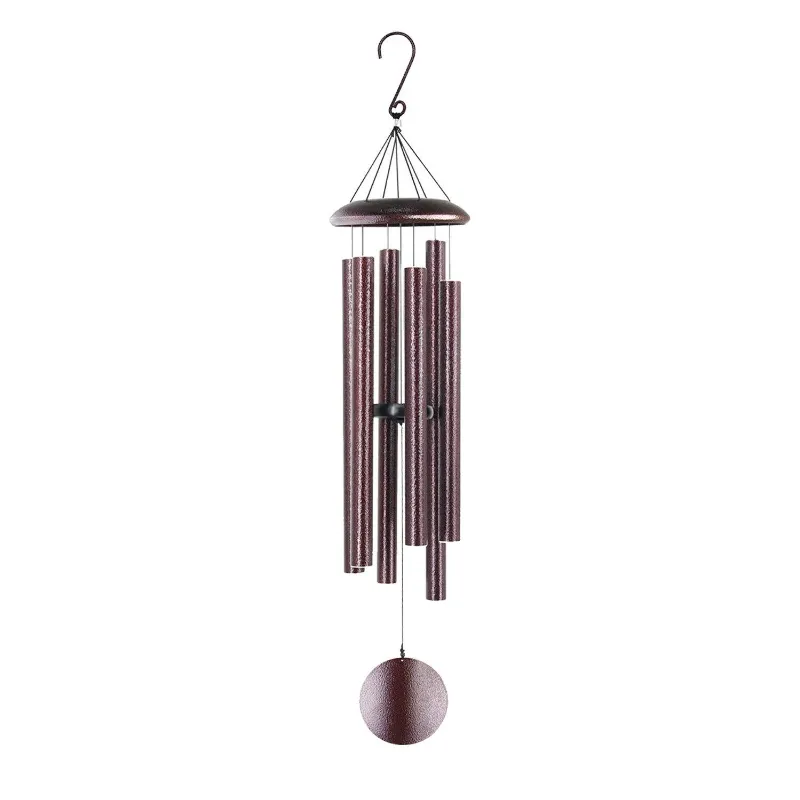
 Shopping at Astarin? See the discount code
10% OFF All Orders
Shopping at Astarin? See the discount code
10% OFF All Orders