 A Astarin guide
Do Giant Wind Chimes Need Special Installation or Support?
Giant wind chimes do need proper installation and support to hang safely and last years outdoors, but the setup is simpler than you might think.
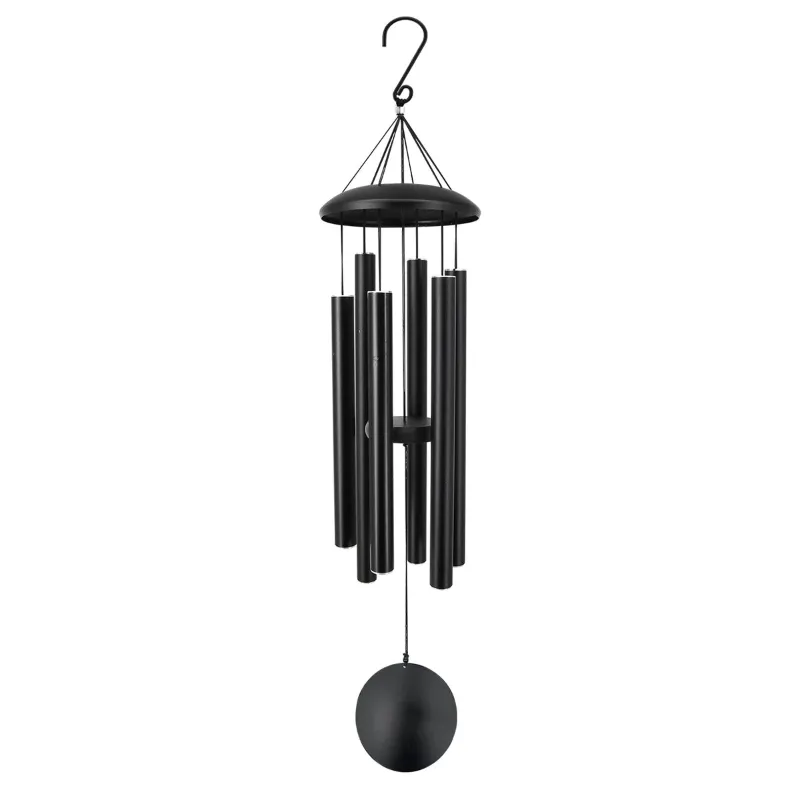
Giant wind chimes do need proper installation and support to hang safely and last years outdoors, but the setup is simpler than you might think. Whether you’re hanging metal wind chimes, copper wind chimes, or corinthian bells wind chimes, the key is matching the mount to the weight and choosing a location with solid structural support. We’ll walk you through what matters for mounting giant wind chimes so they sound beautiful without risk.
Do Giant Wind Chimes Require Special Hardware?
Yes, giant wind chimes need hardware rated for their weight. Standard picture hooks or lightweight hangers will fail. Look for:
- Heavy-duty S-hooks or eyebolts rated for at least 1.5 times the chime’s weight
- Stainless steel or powder-coated hardware to resist rust and weather
- Swivel mounts that let the chime rotate in the wind without tangling the line
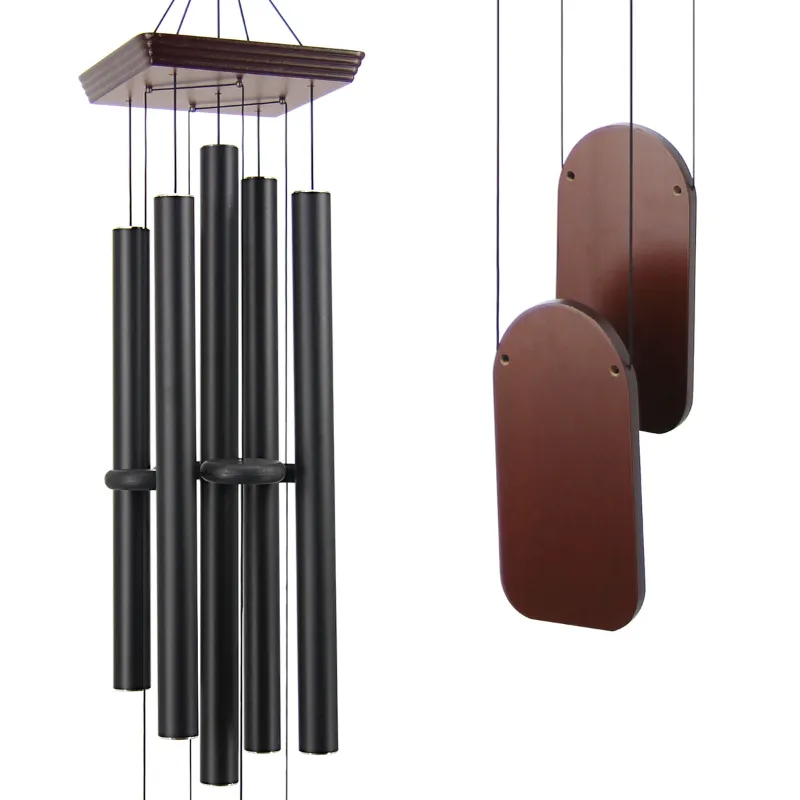
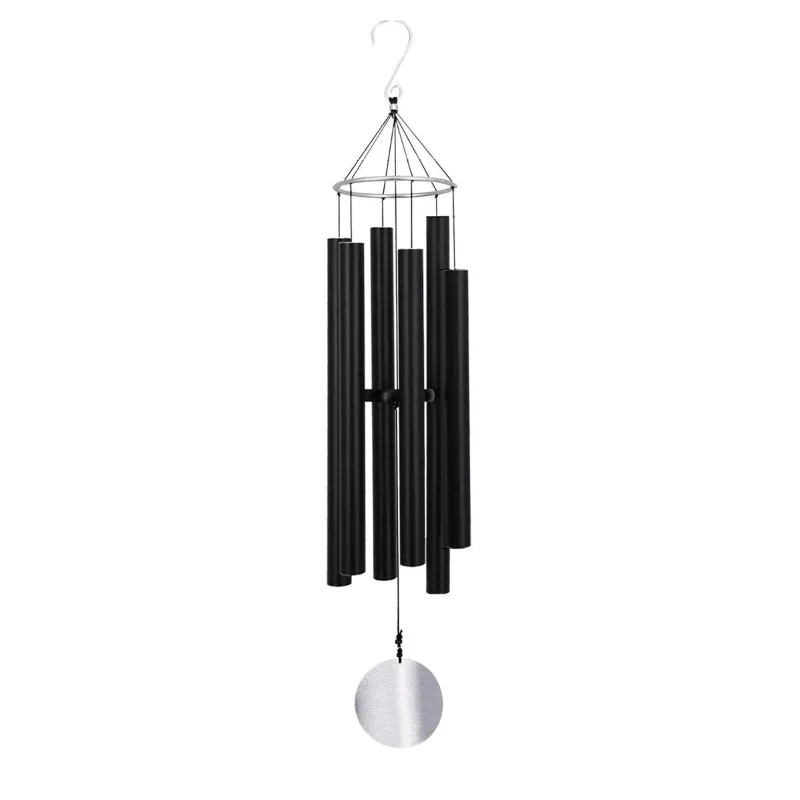
When you buy large wind chimes or big wind chimes, check the product specs for total weight, then choose hardware that exceeds it. Aluminum and bamboo wind bell options tend to be lighter, while copper wind chimes and solid metal wind chimes are heavier and demand stronger mounts.
Best Mounting Locations for Large Wind Chimes
The right spot matters as much as the hardware. Giant wind chimes need structural support that won’t fail or damage your home:
- Pergola beams or solid wood structures (most reliable)
- Tree branches at least 2 inches in diameter and healthy
- Deck or patio support beams (check they’re load-rated)
- Roof overhangs or fascia (consult a contractor first)
Avoid hanging directly from gutters, thin vinyl siding, or single-wall structures. A large wind chime or wind chimes largest option performs best when mounted where wind flows freely but the structure can support the weight and movement. For deep tone wind chimes like corinthian bells wind chimes, overhead placement lets sound carry clearly through your yard.
Support Considerations for Extra Large Wind Chimes
Weight and wind load are the two forces working against your mount. Here’s what to plan for:
| Factor | What to Check |
|---|---|
| Chime Weight | Get exact specs; add 20% buffer for wind stress |
| Mount Type | Eyebolt, lag screw, or structural hook rated for load |
| Height | Higher mounts need stronger anchors due to leverage |
| Wind Exposure | Open areas need more secure attachments than sheltered spots |
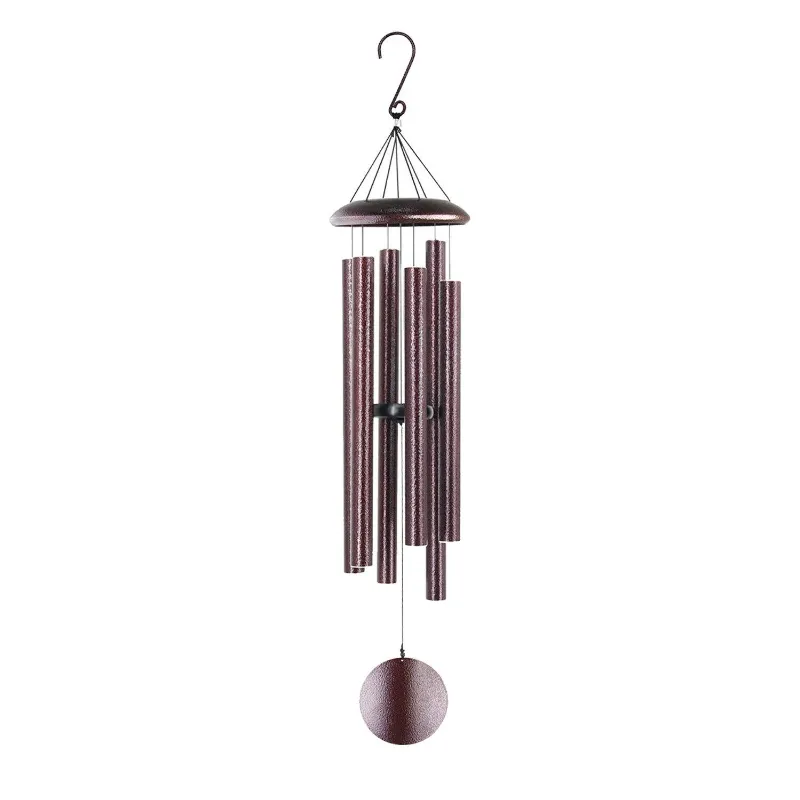
Metal wind chime and aluminum wind chimes models vary widely, so verify before buying. If you’re uncertain about your structure’s rating, have a handyperson or contractor assess it. This prevents costly repairs or accidents. Check the latest price on Astarin and compare model specs to confirm your existing hardware works.
Installation Steps for Giant Wind Chimes
Setup is straightforward if you have the right hardware:
- Locate the mounting point (pergola beam, tree branch, or overhang)
- Install the eyebolt or lag screw, leaving room to hang the chime below
- Attach a heavy-duty S-hook or swivel mount to the eyebolt
- Thread the chime’s suspension line or nylon rope through the mount
- Adjust height so the chime hangs freely and clapper doesn’t hit the tubes
- Tighten all fasteners and test by hand for stability
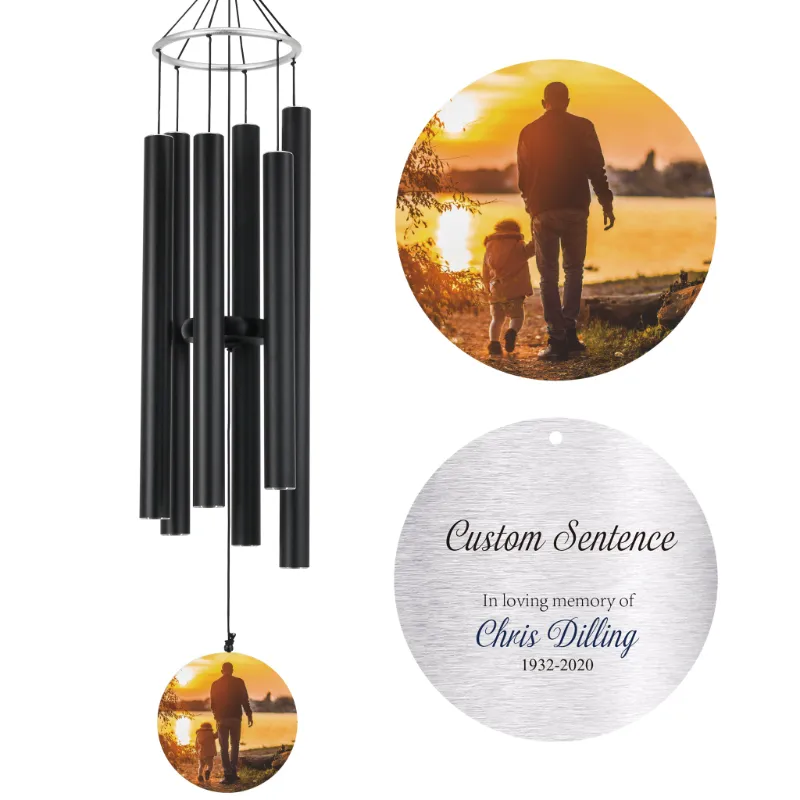
For memorial wind chimes or other sentimental pieces, take extra time to ensure alignment and secure fastening. If wind causes excessive movement, add a secondary line or brace to steady the mount without dampening the sound.
Why Mounting Matters for Wind Chime Lifespan
Poor installation shortens the life of even quality big wind chimes. When a chime isn’t properly supported:
- The line or rope frays and tears from constant friction
- Clapper alignment shifts, dulling the tone
- Metal components corrode faster from excessive stress
- The entire piece may fall during high wind
Proper mounting reduces these risks dramatically. Large wind chimes deep tone outdoor tuned models especially benefit from stable, weather-sealed hardware that lets them move naturally without straining. Grab the code to save 10% on Astarin and invest in quality mounts that last as long as your chime does.
Seasonal Support and Maintenance
Your mounting setup needs seasonal attention. Each year:
- Inspect all hardware for rust, cracks, or looseness
- Check the suspension line for fraying or UV damage
- Ensure the eyebolt or lag screw hasn’t shifted
- Tighten fasteners if wind or weight has loosened them
In heavy wind regions, consider removing giant wind chimes or using a protective cover during storms. For wind chimes largest options, this simple step prevents damage and ensures your investment is ready year after year.
According to The Wind Chime Garden’s guide on large wind chimes, proper hanging technique is the most underrated factor in outdoor chime longevity. Don’t skip it.
Quick Support Checklist
Before hanging your new chime:
- Hardware rated for at least 1.5x the chime’s weight
- Mounting location has solid structural support
- Suspension line or rope is rated for outdoor use
- Swivel or rotatable mount to prevent tangling
- Clearance below so clapper moves freely
- Plan to inspect annually
Whether you’re installing metal wind chimes, copper wind chimes, or a bamboo wind bell, these steps apply. The investment in proper support pays off in years of beautiful sound and reliable performance.
Questions
How much weight can a typical eyebolt support for giant wind chimes?
A standard 3/8-inch stainless steel eyebolt rated for outdoor use typically supports 100-150 pounds, but always verify the manufacturer's rating. For large or giant wind chimes, choose hardware rated for at least 1.5 times your chime's actual weight to account for wind stress and movement.
Can I hang giant wind chimes from a tree branch?
Yes, if the branch is healthy, at least 2 inches in diameter, and free of damage. Use a heavy-duty branch hanger or lag screw rated for your chime's weight, and inspect the branch annually for cracks or disease.
Do metal wind chimes and copper wind chimes need different mounting hardware?
Both need stainless steel or powder-coated hardware to resist rust, but heavier copper wind chimes require stronger-rated eyebolts and anchors than lighter aluminum models. Check your specific product's weight and mounting recommendations.
What happens if I hang giant wind chimes without proper support?
Weak mounts fail under stress, risking the chime falling and causing injury or property damage. Poor installation also accelerates wear on the suspension line and frame, shortening the chime's lifespan.
How often should I check the installation of my large wind chimes?
Inspect annually before peak wind season, and after any severe weather. Check for rust, loose fasteners, and worn suspension lines to catch problems early.
Are corinthian bells wind chimes easier or harder to install than other large wind chimes?
Installation difficulty is the same regardless of brand, but Corinthian Bells chimes tend to be heavier, so they need hardware rated for greater weight. Follow the same mounting steps and support guidelines as any other large or giant wind chimes.
Products in this guide

 Shopping at Astarin? See the discount code
10% OFF All Orders
Shopping at Astarin? See the discount code
10% OFF All Orders