 A Astarin guide
The Loudest Wind Chimes for Large Outdoor Spaces
Large wind chimes deliver rich, audible tones across sprawling yards and gardens by combining size, material weight, and precision tuning to cut through outdoor noise.
Large wind chimes deliver rich, audible tones across sprawling yards and gardens by combining size, material weight, and precision tuning to cut through outdoor noise. If you’re outfitting a big outdoor space, the right large wind chimes will project sound naturally without electric amplification.
What Makes Large Wind Chimes Loud
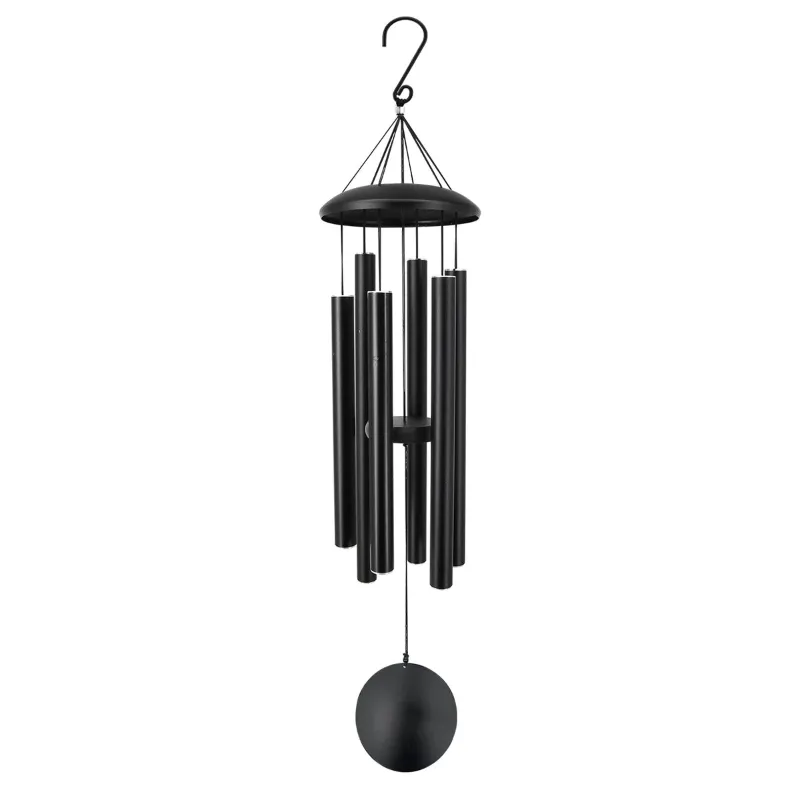
Sound projection depends on three factors: mass, material resonance, and tube length. Heavier tubes vibrate longer and produce lower frequencies that travel farther outdoors. Metal wind chimes and aluminum wind chimes are engineered to maximize these properties. Larger diameter tubes also dampen high-frequency noise loss, so your wind chimes remain audible 50+ feet away. Deep tone wind chimes are intentionally tuned below 1000 Hz, where sound carries better across open ground and through trees.
The clapper design and weight matter too. Heavier clappers strike tubes with more force, generating louder initial tones. Quality suspensions reduce vibration loss between the frame and tubing, letting sound ring uninterrupted.
Material Choices for Maximum Resonance
Not all materials perform equally. Here’s how the main options stack up:
| Material | Resonance | Durability | Best For |
|---|---|---|---|
| Aluminum | High / Bright | Excellent | Bright, projecting tones |
| Copper | High / Warm | Very Good | Rich midrange, visual appeal |
| Steel / Metal | Excellent / Deep | Excellent | Deep bass tones, loudest output |
| Bamboo | Moderate / Mellow | Fair | Subtle, decorative presence |

Metal wind chimes and copper wind chimes rank highest for outdoor volume. Corinthian bells wind chimes are tuned specifically for resonance and carry well in large outdoor spaces. If you prefer warm, sustained tones, copper holds vibration longer than aluminum. For maximum decibel output, steel-based tubes outperform softer metals.
Bamboo wind bells occupy a different niche, they project softer, more mellow tones suited to zen gardens and intimate seating areas rather than filling an entire acre.
Sizing for Large Outdoor Spaces
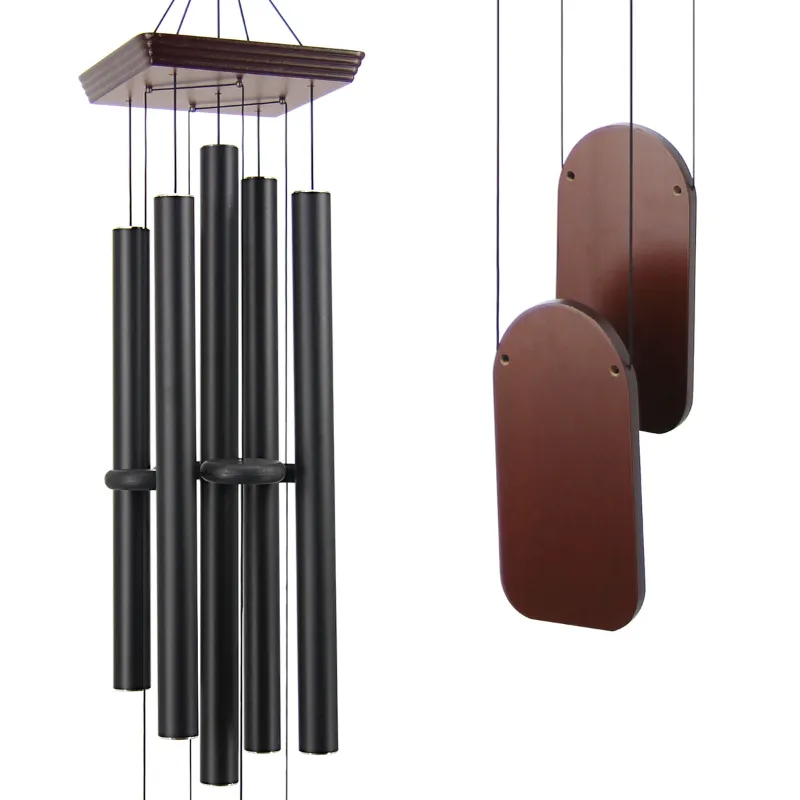
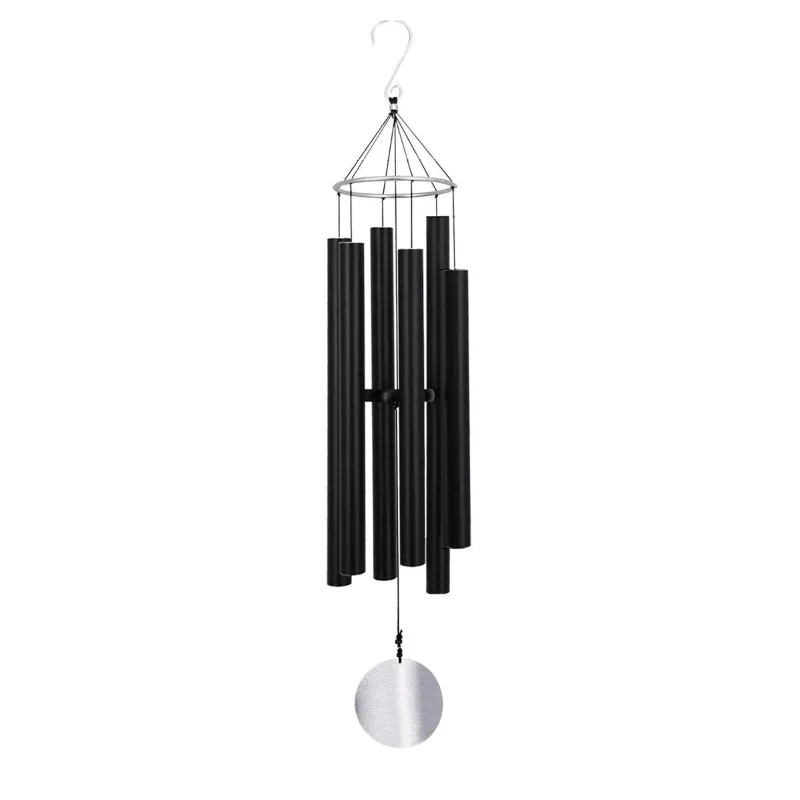
Tube count and overall length determine both volume and tonal range. Large wind chimes typically feature 6 to 12 tubes spanning 24 to 40 inches. Big wind chimes and giant wind chimes extend even further, creating richer harmonic complexity.
For yards under 50 feet across, 5 to 8 tubes suffice. For larger properties or multiple outdoor zones, opt for wind chimes largest specifications to ensure sound carries end to end. A large wind chime with 8 tubes and 32-inch length will project clearly across most residential lots. If your space exceeds 100 feet in any direction, consider hanging two strategically positioned sets.
Tube spacing also affects sound. Widely spaced tubes prevent mechanical dampening, allowing each note to ring independently. Crowded configurations create a muddier blend.
Placement Maximizes Projection
Location makes or breaks audibility. Install large wind chimes in open air, away from walls or dense foliage that absorb sound. Roof eaves, deck railings, or pergola posts 8 to 10 feet high let wind pass unobstructed while elevating the chimes above ground-level noise. Avoid sheltered corners where wind stalls.
Prevailing wind direction matters too. Position your chimes where breezes flow through tubes consistently. In areas with variable winds, a central location on your property works best. For large wind chimes outdoor setups, spacing multiple chimes 30+ feet apart creates layered soundscapes rather than cacophony.
Deep Tone vs. Bright Tone: Which Suits Your Space
Deep tone wind chimes carry farther and sound less intrusive at distance. They’re ideal for peaceful settings where you want ambient sound without distraction. Metal wind chimes tuned to pentatonic or diatonic scales produce pleasant deep tones while maintaining musicality.
Bright tones carry less distance but create cheerful, playful character closer to the listener. They work well on smaller decks or in yards where neighbors are distant. If you’re choosing between the two for a sprawling property, lean toward large wind chimes with deep tone tuning, the lower frequencies simply project better outdoors.
Maintenance Keeps Your Chimes Loud
Dirt, mineral deposits, and corrosion muffle tone over time. Rinse your large wind chimes monthly with a soft brush and mild soap. For metal and aluminum types, wipe dry immediately to prevent water spots and oxidation. Aluminum wind chimes need less maintenance than copper, which develops patina. Some owners prefer the aesthetic; others polish regularly to restore brightness and sound clarity.
Check tube alignment annually. Wind and weather can shift clappers out of true position, reducing strike force. Adjust suspension cords or chains so the clapper hangs centered.
When to Choose Memorial or Specialty Designs
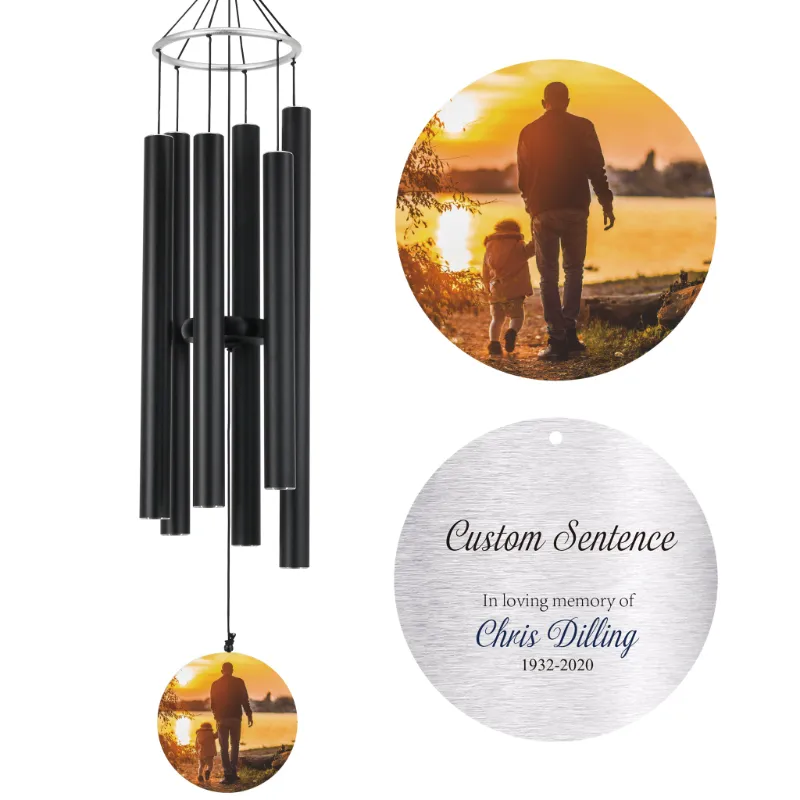
Memorial wind chimes serve as lasting tributes while delivering full acoustic performance. They’re built to the same durability standards as functional large wind chimes, combining sentimental value with practical sound projection. Many feature personalized engraving without sacrificing tone quality.
For spaces with strong aesthetic themes, specialty designs add character. Japanese-inspired options pair visual elegance with deep, pure tones suited to meditation gardens. Rustic designs often use recycled or reclaimed materials while maintaining loud, clear projection.
Finding the Right Fit for Your Yard
Start by measuring your outdoor space and assessing average wind patterns. A modest breeze activates most quality large wind chimes; you don’t need constant gales for good performance. Next, decide between warm resonance (copper), bright projection (aluminum), or maximum depth (steel-based metal chimes).
Check the latest price on Astarin’s full selection to see which options fit your budget. Astarin offers big wind chimes, large wind chimes, and wind chimes largest varieties all discounted, making it easy to find the right size and tone for your space. Grab the code for 10% off all orders and compare shipping options before deciding.
Questions
How far away can you hear large wind chimes?
Quality large wind chimes with deep tones project clearly 50 to 100 feet depending on material, tuning, and wind conditions. Placement at 8 to 10 feet high and away from obstacles improves range significantly.
What's the best material for loud wind chimes?
Metal and steel-based wind chimes produce the loudest, deepest tones because heavier tubes vibrate longer. Aluminum also projects well with a brighter character, while bamboo creates softer, more decorative sound.
Can large wind chimes work in low-wind areas?
Yes, larger tubes require less wind force to activate than smaller chimes. Heavier clappers on big wind chimes respond to gentle breezes, though consistent moderate wind produces fuller, more frequent tones.
Do I need a clapper for large wind chimes?
Most quality large wind chimes come with a clapper, which is essential for generating sound. Without one, wind alone won't strike the tubes reliably. Ensure any chime you buy includes a properly weighted clapper.
How often should I clean large wind chimes to keep them sounding good?
Clean monthly with a soft brush and mild soap to remove dirt and mineral deposits. Dry immediately to prevent corrosion. Regular maintenance preserves both sound clarity and the visual appearance of metal, aluminum, and copper chimes.
Products in this guide
 Shopping at Astarin? See the discount code
10% OFF All Orders
Shopping at Astarin? See the discount code
10% OFF All Orders
More in this series
Do Giant Wind Chimes Need Special Installation or Support?8 Sep 20264 minCaring for Copper and Bronze Wind Chimes: Prevent Tarnishing and Corrosion8 Sep 20264 minMetal vs Bamboo Wind Chimes: Which Material Lasts Longest?8 Sep 20263 minHow to Choose the Best Wind Chimes for Your Porch or Garden8 Sep 20264 min