 A Ecoviva guide
How Long Does the Aquios 600 GPD RO Membrane Really Last?
The aquios 600 gpd reverse osmosis membrane typically lasts 2 to 3 years with proper maintenance, though lifespan varies based on water quality and usage patterns.
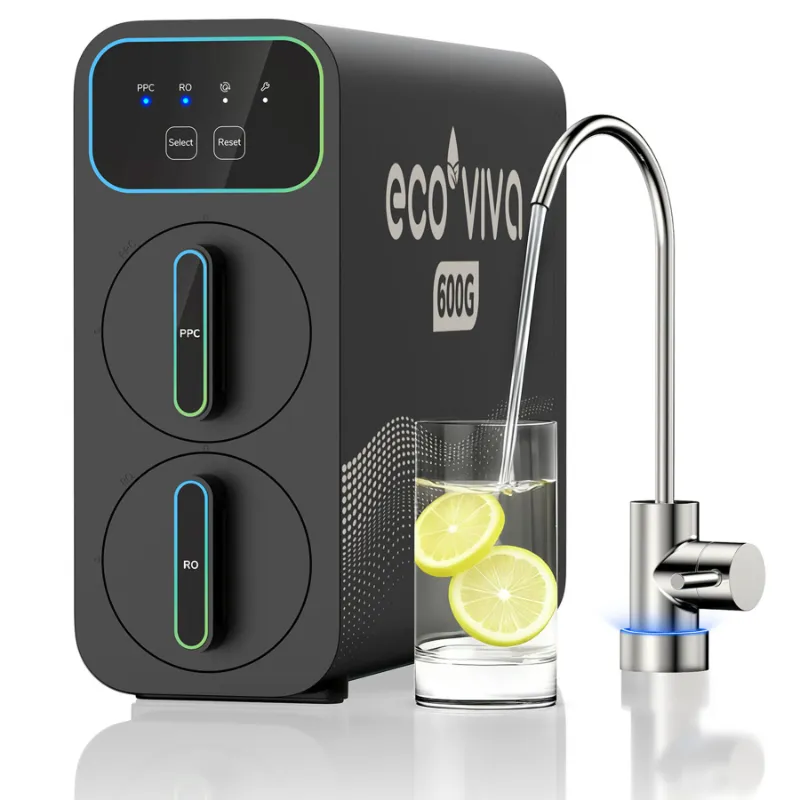
The aquios 600 gpd reverse osmosis membrane typically lasts 2 to 3 years with proper maintenance, though lifespan varies based on water quality and usage patterns.
What Affects Aquios 600 GPD Membrane Longevity
Several factors determine whether your membrane reaches the full three-year lifespan or requires earlier replacement.
Water hardness is the primary variable. High calcium and magnesium concentrations accelerate scaling on the membrane surface, reducing flow and rejection rates. If your municipal report shows hardness above 200 ppm, expect to replace the membrane every 18 to 24 months rather than the full three years.
Pre-filter maintenance directly impacts membrane life. The sediment and carbon filters upstream catch particles, chlorine, and organic compounds before they reach the membrane. When these pre-filters saturate, contaminants pass through and foul the membrane. We replace sediment filters every 6 months and carbon blocks every 12 months to protect the investment in the RO membrane.
Daily water production matters less than you might expect. The 600 GPD rating means the system can produce up to 600 gallons per day under ideal conditions, but most households draw 10 to 30 gallons daily. The membrane experiences wear from contaminant exposure and pressure cycling, not purely from volume processed.
Source water quality beyond hardness plays a role. Well water with iron, manganese, or hydrogen sulfide requires more frequent pre-treatment and membrane inspection. Municipal water with fluctuating chlorine or chloramine levels can degrade the membrane faster if carbon filtration is inadequate.
Signs Your Membrane Needs Replacement
Monitoring performance tells you when replacement is due rather than relying solely on a calendar schedule.
- Flow rate drops noticeably: If your system previously filled a gallon in 6 minutes but now takes 12, the membrane is likely clogged or scaled
- TDS creep: Total dissolved solids in the product water should stay below 10% of source water TDS; a reading above 15% indicates the membrane is failing
- Taste or odor changes: Any return of the metallic, chlorine, or earthy taste your system previously eliminated suggests compromised rejection
- Tank pressure issues: If the storage tank pressure seems normal but water delivery is weak, the membrane may be restricting flow
We recommend testing TDS every 3 months with an inexpensive meter. Track both source and product water to catch gradual degradation before it becomes obvious.
How to Extend Membrane Life
Proper system hygiene and maintenance can push your membrane toward the upper end of its service life.
Flush the membrane regularly. Most systems include an automatic flush cycle after each filtration session, but manually running a 30-second flush weekly helps clear accumulated solids from the membrane surface. This is especially important if you use the system infrequently.
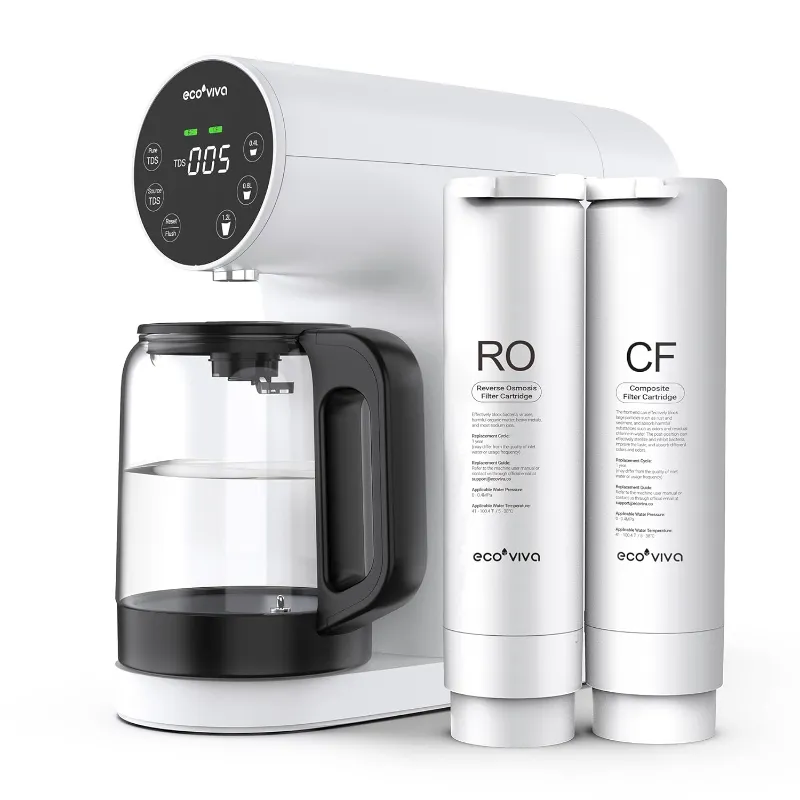
Replace pre-filters on schedule. Mark your calendar for sediment filter changes every 6 months and carbon block changes every 12 months. Delaying these replacements by even a few weeks allows contaminants to reach the membrane. If you’re looking for a complete system with robust pre-filtration, the Ecoviva rowpu includes a well-designed filter sequence.
Monitor inlet pressure. RO membranes perform best at 60 to 80 psi. Pressure below 40 psi reduces flow and efficiency, while pressure above 100 psi can physically damage the membrane. Install a pressure gauge if your system didn’t include one, and add a pressure regulator if municipal pressure fluctuates.
Consider a water softener for very hard water. If your hardness exceeds 250 ppm, a whole-house softener upstream of the RO system will dramatically extend membrane life and improve overall system performance. The cost of salt and maintenance is offset by fewer membrane replacements.
Aquios 600 GPD vs Other RO Membranes
Understanding how the 600 GPD membrane compares to other options helps set realistic expectations.
| Feature | Aquios 600 GPD | Standard 50 GPD | 100 GPD Membrane |
|---|---|---|---|
| Typical Lifespan | 2-3 years | 2-3 years | 2-3 years |
| Flow Rate | High (tankless compatible) | Low (requires storage) | Moderate |
| Pre-Filter Dependency | High | Moderate | Moderate |
| Scaling Sensitivity | Moderate | Lower | Moderate |
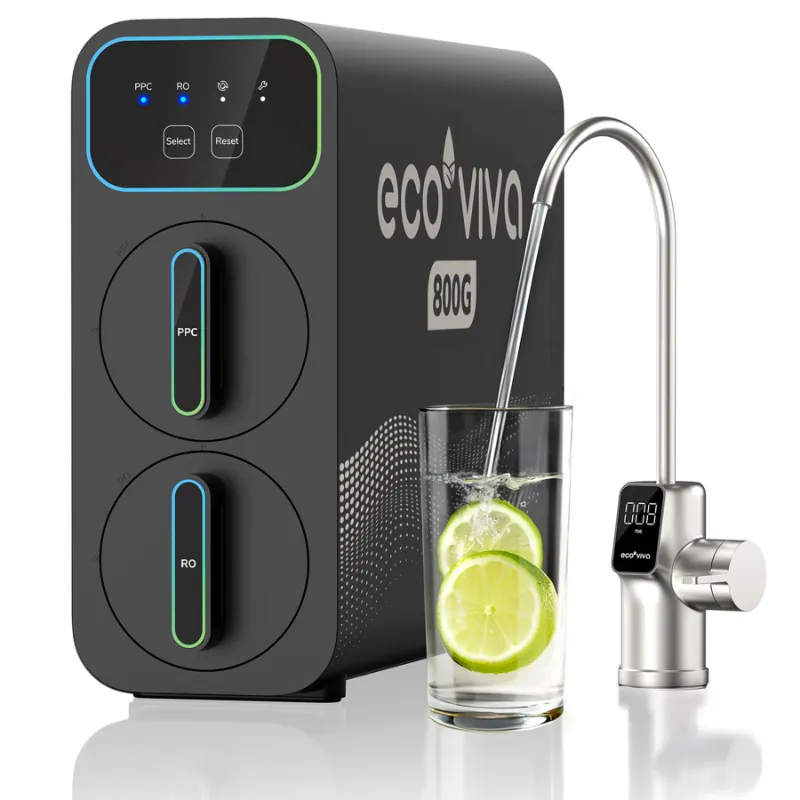
The higher flow rate of the 600 GPD membrane means it operates at higher pressure and processes more water per unit of membrane surface area compared to a standard 50 GPD unit. This makes proper pre-filtration even more critical. Systems like the 8-stage countertop ro filter use lower-flow membranes that may be more forgiving of marginal pre-filter performance, but they sacrifice convenience and speed.
The aquios puro 2000 pairs well with the 600 GPD membrane because its pre-filter stages are sized to handle the higher flow without creating excessive backpressure.
When to Buy a Replacement Membrane
Timing your purchase can save money and ensure you have the part on hand when performance declines.
We recommend ordering a replacement membrane when yours reaches the 20-month mark if you’ve been diligent about pre-filter changes and your water quality is average. This gives you a backup ready to install the moment you notice performance degradation, avoiding the frustration of waiting for shipping while drinking subpar water.
Check the latest price for the aquios 600 gpd membrane and other RO components. Ecoviva typically offers bundle pricing if you order the membrane with a full pre-filter set, and you can grab the code for 15% off sitewide to make stocking up more affordable.
If you’re approaching the 30-month mark and performance is still strong, continue monitoring TDS monthly. Some exceptionally soft municipal water sources and users with low daily consumption can push past 36 months, but this is unusual.
Who Should Choose the 600 GPD Membrane
The high-flow 600 GPD configuration suits specific household situations better than others.
Large families who need 20+ gallons of purified water daily benefit from the faster production rate. Traditional 50 GPD systems can barely keep up with cooking, drinking, and pet water needs for 5+ people.
Tankless RO users require the high flow to deliver water on demand without storage. If you’re building a space-efficient under-sink system or want to eliminate the storage tank, the 600 GPD membrane makes this practical.
Coffee and tea enthusiasts who brew multiple pots daily appreciate not waiting for the storage tank to refill between uses. The immediate availability of high-quality water improves consistency.
Homeowners with very soft water (below 100 ppm hardness) can confidently expect the full 3-year lifespan with minimal maintenance, making the higher upfront cost of the 600 GPD membrane worthwhile over time.
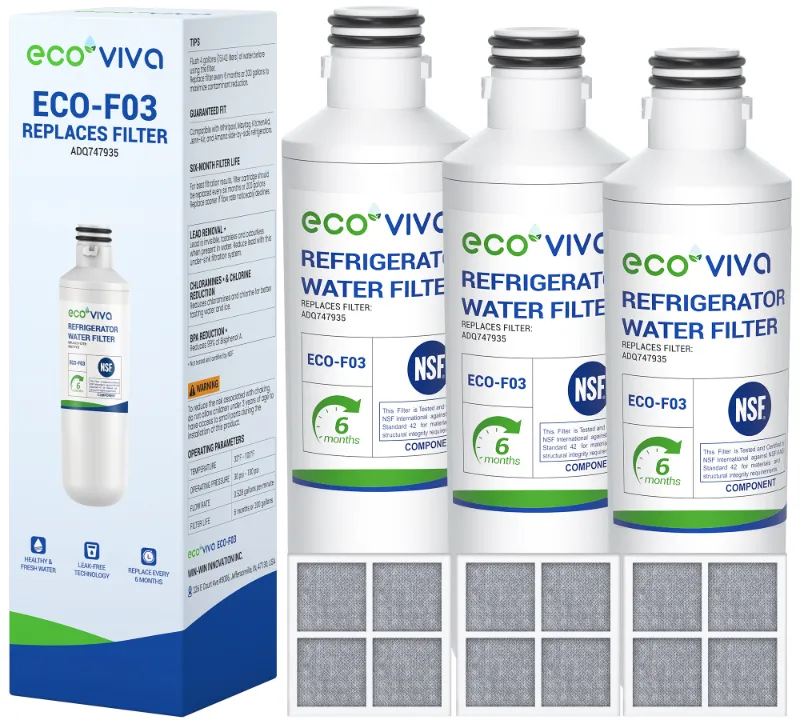
If you primarily need filtered water for a single person or small household and have space for a storage tank, a standard flow membrane may offer better value. Similarly, if you’re looking for refrigerator-specific filtration rather than whole-home or under-sink RO, products like the lg refrigerator water filter lt1000p serve that niche without the complexity of an RO system.
Questions
How do I know when my aquios 600 gpd membrane needs replacement?
Test your product water TDS monthly. When it rises above 15% of your source water TDS, or when flow rate drops by 50% or more despite clean pre-filters, the membrane needs replacement. Unusual taste or odor also signals declining performance.
Can I extend membrane life by cleaning it?
Residential RO membranes are not designed for chemical cleaning. While commercial systems use acid and alkaline cleaning cycles, home users should focus on timely pre-filter changes and regular flushing. Attempting to clean a fouled membrane rarely restores performance and can damage the element.
Does the 600 GPD membrane work in all RO systems?
No, the 600 GPD membrane requires a system designed for high flow rates with appropriate housing, higher inlet pressure, and adequate pre-filtration. Installing it in a system designed for 50 or 100 GPD membranes will result in poor performance and shortened lifespan.
Will hard water ruin my RO membrane faster?
Yes, water with hardness above 200 ppm accelerates scaling on the membrane surface, typically reducing lifespan from 3 years to 18-24 months. A water softener installed upstream can prevent this and extend membrane life to the full rated period.
How much does a replacement membrane cost?
Replacement membrane pricing varies by retailer and current promotions. Check the current price and available discount codes rather than relying on outdated figures, as costs fluctuate with market conditions and bundle offers.
Should I replace pre-filters when I replace the membrane?
If your pre-filters are within 3 months of their replacement date, yes. Installing a new membrane behind saturated pre-filters wastes the clean membrane's potential and can foul it quickly. Fresh pre-filters give the new membrane the best start.
Products in this guide
Shopping at Ecoviva? See the discount code
15% OFF Sitewide
More in this series
Ecoviva ROWPU Water Purification Unit: Complete Setup and Maintenance Guide6 Aug 20265 minDo 8-Stage Countertop RO Filters Remove More Contaminants Than Standard Filters?6 Aug 20264 minAquios PURO 2000 vs Countertop RO Systems: Which Water Filter Is Right for Your Home?6 Aug 20265 minHow to Replace the LG LT1000P Refrigerator Water Filter in 3 Minutes6 Aug 20265 min