 A Ecoviva guide
Aquios PURO 2000 vs Countertop RO Systems: Which Water Filter Is Right for Your Home?
The aquios puro 2000 offers whole-home filtration without electricity, while countertop RO systems deliver ultra-pure drinking water with multi-stage purification.
What Makes the Aquios PURO 2000 Different from Countertop RO Filters
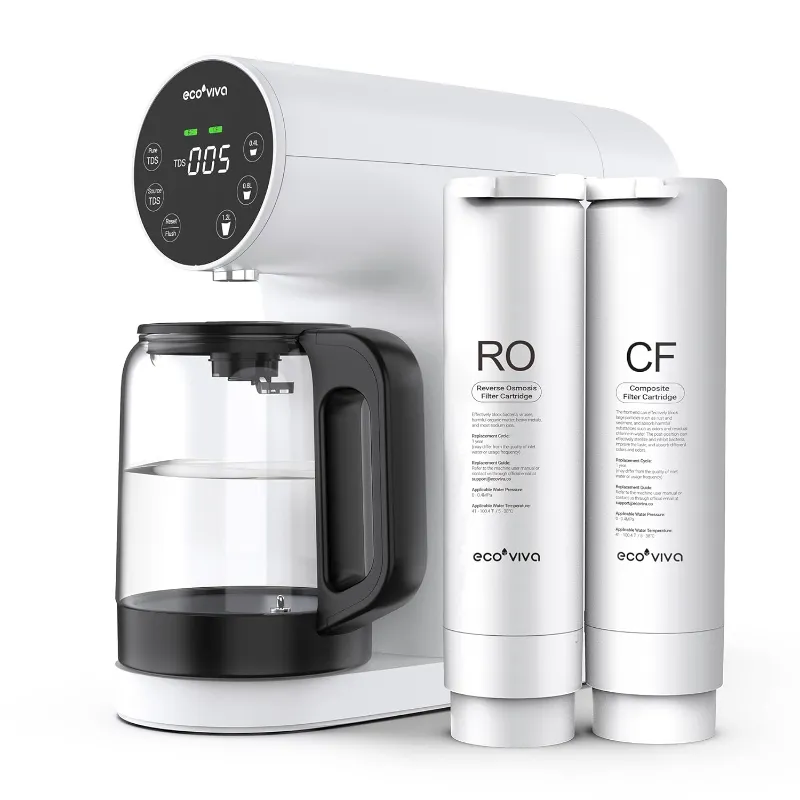
The aquios puro 2000 is a salt-free whole-home water treatment system that protects your plumbing and appliances while softening water naturally, whereas an 8-stage countertop ro filter focuses on removing contaminants from drinking water through reverse osmosis membranes and activated carbon stages. These systems serve completely different roles in your home water strategy, and understanding which one fits your needs depends on whether you want point-of-use purification or whole-house protection.
This guide breaks down the core differences so you can choose the right solution for your water quality challenges.
How Whole-Home Systems Like the PURO 2000 Work
The aquios puro 2000 connects directly to your main water line and treats every gallon entering your home. It combines scale prevention, sediment filtration, and chlorine reduction in a single cartridge that requires no electricity or drainage line. The system uses a patented media blend to condition hard water minerals without adding sodium, making it a solid choice for households on restricted-salt diets or municipal water with moderate hardness (up to 75 grains per gallon).
Key features of whole-home filtration:
- Protects water heaters, dishwashers, and washing machines from scale buildup
- Treats water for bathing, laundry, and drinking at every tap
- Single cartridge typically lasts 6 months to 1 year depending on household size
- No wastewater production or power consumption
- Installation requires basic plumbing skills or a professional
Because the PURO 2000 treats your entire water supply, you’ll notice softer skin after showers, reduced soap scum in bathrooms, and longer appliance lifespans. However, it does not remove dissolved solids, fluoride, heavy metals, or microplastics as effectively as reverse osmosis systems.
Countertop RO Systems Deliver Ultra-Pure Drinking Water
Countertop reverse osmosis units like the 8-stage countertop ro filter and Ecoviva rowpu sit on your kitchen counter and connect to your faucet via a diverter valve. These systems force water through a semi-permeable membrane that blocks contaminants as small as 0.0001 microns, including lead, arsenic, nitrates, PFAS, and pharmaceutical residues. Most models add remineralization stages to restore healthy minerals and improve taste after the RO membrane strips everything out.
What countertop RO systems remove:
- Total dissolved solids (TDS) reduced by 90 to 98 percent
- Chlorine, chloramines, and disinfection byproducts
- Heavy metals including lead, mercury, and cadmium
- Bacteria, viruses, and cysts
- Volatile organic compounds and pesticides
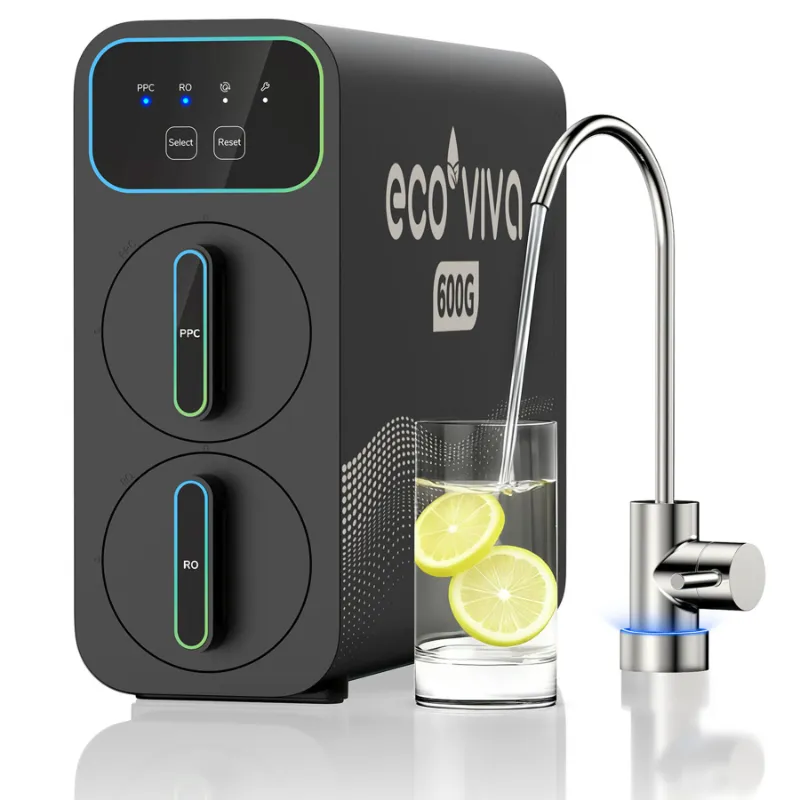
The aquios 600 gpd membrane component, for example, processes up to 600 gallons per day, which is plenty for drinking, cooking, and coffee brewing in a family household. Countertop models require no permanent installation, making them ideal for renters or anyone who wants pure water without drilling holes or modifying plumbing.
The tradeoff is wastewater. Standard RO systems flush 2 to 4 gallons of reject water for every gallon of purified water they produce. Modern high-efficiency models reduce this ratio, but you’ll still see higher water bills compared to non-RO filtration.
Installation and Maintenance: Which System Demands Less Work
Installation complexity varies dramatically between whole-home and countertop systems. The aquios puro 2000 requires cutting into your main water line, threading connections, and securing the canister housing to a wall or support beam. Most homeowners hire a plumber for this job, which adds $150 to $300 to upfront costs. Once installed, you replace the cartridge every 6 to 12 months by unscrewing the housing and swapping the media cylinder.
Countertop RO units attach to your existing faucet aerator in 10 to 15 minutes with no tools beyond an adjustable wrench. You switch the diverter valve when you want filtered water and return to unfiltered tap water for washing dishes or filling pots. Maintenance involves replacing the sediment and carbon pre-filters every 6 months, the RO membrane annually, and the post-filters every 12 months. Check the latest price on replacement filter sets to budget for ongoing costs.
Maintenance comparison:
| System Type | Install Time | Filter Changes | Annual Cost |
|---|---|---|---|
| Whole-home (PURO 2000) | 1-2 hours (plumber recommended) | 1 cartridge per year | $80-$120 |
| Countertop RO | 10-15 minutes (DIY) | 3-5 filters per year | $100-$180 |
Both systems require filter tracking. We recommend setting calendar reminders or using the indicator lights built into most countertop RO models to avoid running filters beyond their rated capacity.
Which System Fits Your Water Quality Problems
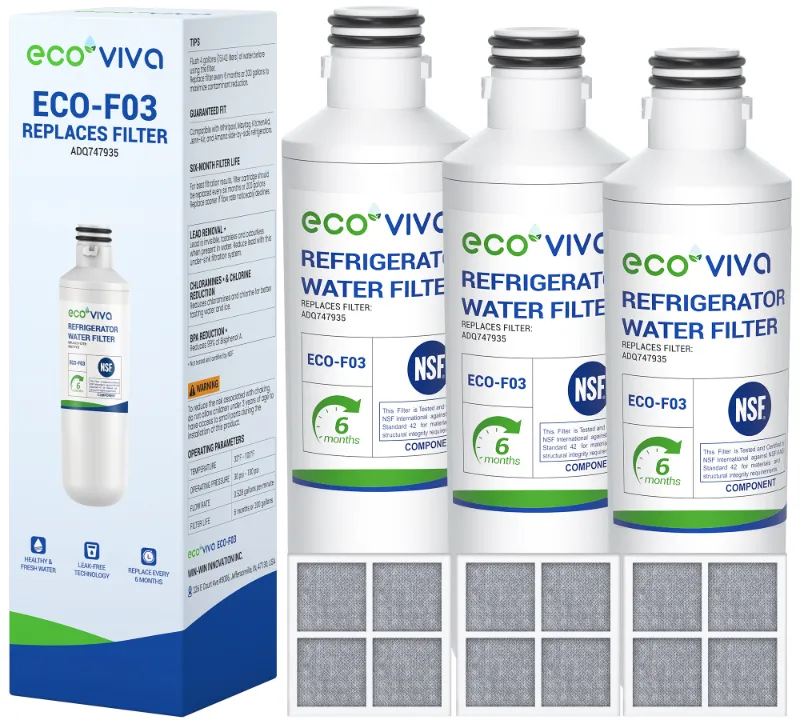
Your local water quality determines which filtration approach makes sense. If you have municipal water with moderate chlorine taste and hard water causing appliance damage, a whole-home system like the aquios puro 2000 addresses those issues at the source. You’ll protect your water heater, extend the life of your lg refrigerator water filter lt1000p, and reduce limescale throughout your home.
If you face contamination concerns like elevated lead from old pipes, agricultural runoff introducing nitrates, or PFAS detected in your water report, a countertop RO system is the better choice. Commercial RO systems use the same core technology and prove that reverse osmosis reliably removes health-threatening contaminants that carbon filtration alone cannot address.
Match your system to your water issue:
- Chlorine taste and odor → Both systems handle this effectively
- Hard water scale → Whole-home PURO 2000 prevents buildup
- Lead, arsenic, or heavy metals → Countertop RO removes 95%+ of these
- Sediment and rust → Both systems filter particulates
- PFAS and pharmaceuticals → RO membranes block these; whole-home does not
You can also combine approaches. Install the PURO 2000 at your main line to protect appliances and plumbing, then add a countertop RO unit in the kitchen for ultra-pure drinking water. This layered strategy gives you comprehensive protection without paying for under-sink RO installation or sacrificing the convenience of filtered water throughout your home.
Cost Breakdown: Upfront Investment vs Long-Term Ownership
The aquios puro 2000 typically costs $300 to $500 depending on where you buy it, plus installation if you hire a plumber. Annual cartridge replacements run $80 to $120, and there are no electricity or drain line costs. Over five years, you’ll spend roughly $900 to $1,100 total.
Countertop RO systems like the 8-stage countertop ro filter range from $200 to $450 for the unit itself. Replacement filter sets cost $100 to $180 per year, and you’ll see a small increase in water bills from the wastewater flush cycle (typically $20 to $40 annually in most regions). Five-year ownership runs $700 to $1,300 depending on the model and your filter replacement frequency.
Neither system adds to your electric bill significantly. The PURO 2000 operates on water pressure alone, and countertop RO units use negligible power for pressure pumps and indicator lights.
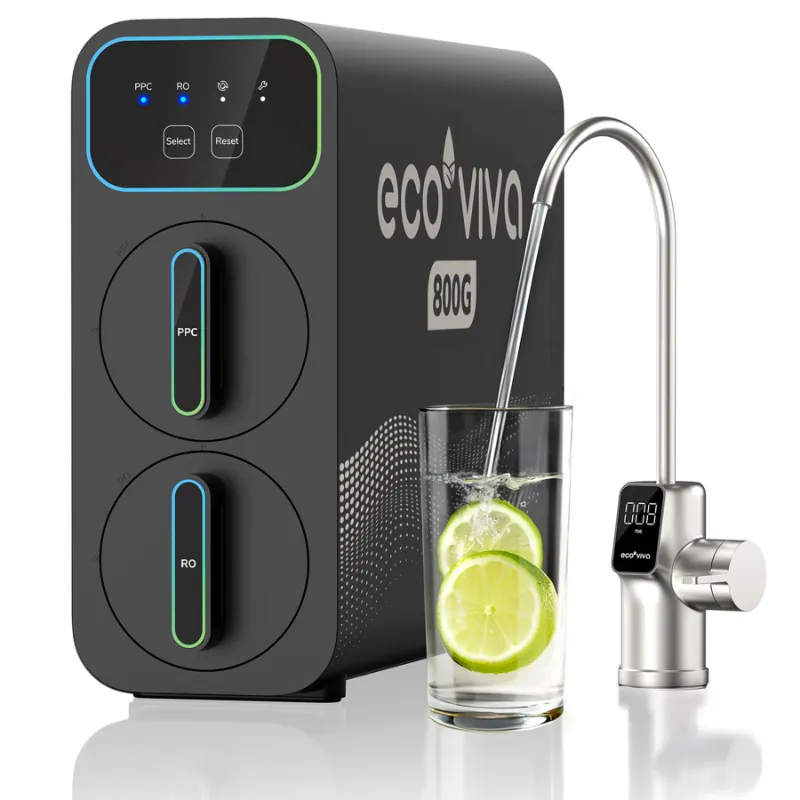
Grab the code for 15% off sitewide to reduce your upfront cost on either system. We also stock replacement components like the aquios 600 gpd membrane and refrigerator filters like the lg water filter lt1000p and lg lt1000p if you want to consolidate your filter shopping in one order.
Who Should Choose Which System
Choose the aquios puro 2000 if you own your home, deal with hard water damaging appliances, want whole-house chlorine reduction, and prefer low-maintenance filtration with no wastewater. It works best for households on well water or municipal supplies with moderate hardness and no serious contamination concerns.
Pick a countertop RO system if you rent, need maximum contaminant removal for drinking water, want portable filtration you can take when you move, or have confirmed pollutants like lead or PFAS in your water report. The Ecoviva rowpu and similar countertop models deliver lab-grade purification without permanent installation.
For comprehensive protection, install both. The PURO 2000 handles scale prevention and bulk chlorine removal, while the countertop RO polishes your drinking water to ultra-pure standards. This combination costs more upfront but gives you the widest range of filtration benefits and protects both your health and your home infrastructure.
Questions
Does the aquios puro 2000 remove fluoride from water?
No, the aquios puro 2000 does not remove fluoride. It focuses on scale prevention, sediment, and chlorine reduction. For fluoride removal, you need a reverse osmosis system with a dedicated membrane that blocks dissolved solids.
Can I install a countertop RO filter if I have low water pressure?
Most countertop RO systems require at least 40 to 60 PSI to function properly. If your home has lower pressure, look for models with built-in booster pumps or consider adding a pressure pump to your main line.
How often do I need to replace the aquios puro 2000 cartridge?
Replace the cartridge every 6 to 12 months depending on your household size and water hardness. Larger families or homes with very hard water will need more frequent changes.
Do countertop RO systems waste a lot of water?
Standard countertop RO units flush 2 to 4 gallons of wastewater for every gallon purified. High-efficiency models reduce this ratio, but some wastewater production is unavoidable with reverse osmosis filtration.
Can I use both a whole-home filter and a countertop RO system together?
Yes, combining a whole-home system like the PURO 2000 with a countertop RO unit is an excellent strategy. The whole-home filter protects appliances and removes chlorine, while the RO system delivers ultra-pure drinking water.
Which system is better for renters?
Countertop RO systems are ideal for renters because they require no permanent installation. You attach them to your faucet, use them throughout your lease, and take them with you when you move.
Products in this guide
 Shopping at Ecoviva? See the discount code
15% OFF Sitewide
Shopping at Ecoviva? See the discount code
15% OFF Sitewide
More in this series
Ecoviva ROWPU Water Purification Unit: Complete Setup and Maintenance Guide6 Aug 20265 minDo 8-Stage Countertop RO Filters Remove More Contaminants Than Standard Filters?6 Aug 20264 minHow Long Does the Aquios 600 GPD RO Membrane Really Last?6 Aug 20265 minHow to Replace the LG LT1000P Refrigerator Water Filter in 3 Minutes6 Aug 20265 min