 A Ecoviva guide
Ecoviva ROWPU Water Purification Unit: Complete Setup and Maintenance Guide
The Ecoviva rowpu is a reverse osmosis water purification unit designed for reliable clean water in off-grid, emergency, and home settings.
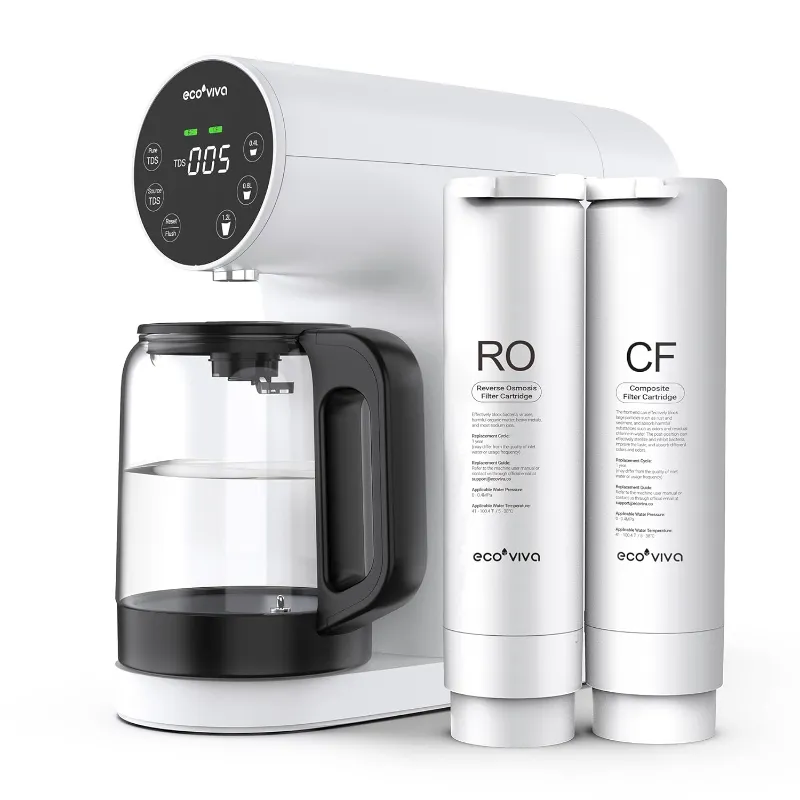
The Ecoviva rowpu is a reverse osmosis water purification unit designed for reliable clean water in off-grid, emergency, and home settings. Whether you’re looking for a portable solution or a fixed installation, understanding proper setup and maintenance ensures years of safe drinking water.
What Makes the Ecoviva ROWPU Different From Standard RO Systems
The Ecoviva rowpu stands out from countertop and under-sink filters thanks to its modular design and higher flow capacity. Unlike compact units that work well for apartments, this system handles larger volumes and can be configured for group use or extended operation.
Key differences include:
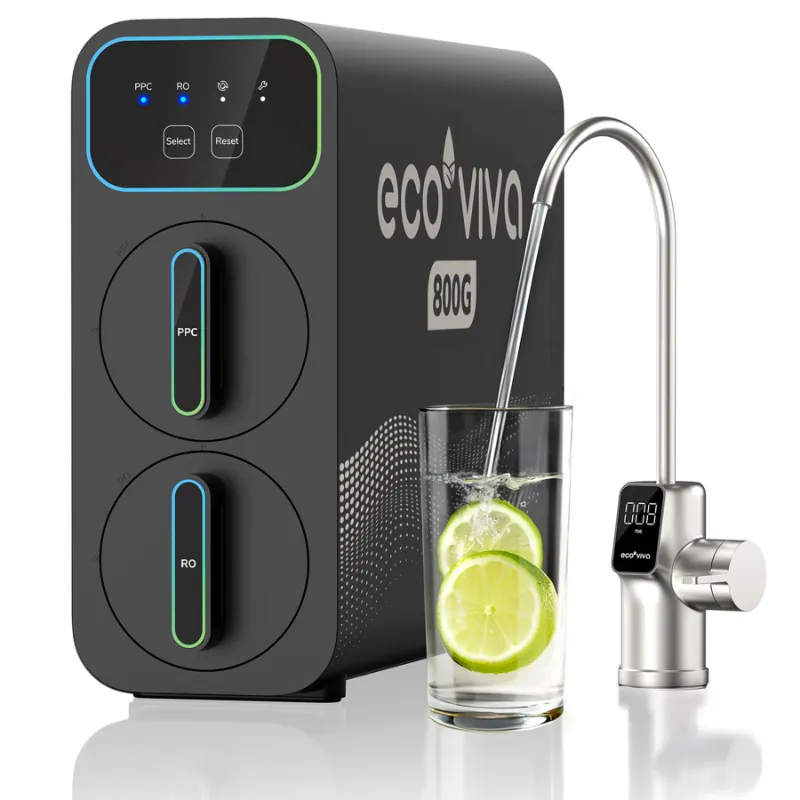
- Modular filter stages that let you replace individual cartridges without replacing the entire system
- Higher daily capacity compared to typical countertop models like the 8-stage countertop ro filter
- Pressure flexibility that works with both municipal feed and low-pressure sources
- Robust housing built for field conditions, not just kitchen counters
Standard refrigerator filters like the lg water filter lt1000p focus on taste and chlorine reduction, while the Ecoviva rowpu removes dissolved solids, heavy metals, and microorganisms through multi-stage reverse osmosis.
Initial Setup and Installation Steps
Proper installation takes about 60 to 90 minutes if you have basic plumbing tools. We recommend reading the full manual before starting, but here’s the essential sequence:
- Choose your location: place the unit on a stable surface near a water source and drain access, with at least 6 inches of clearance on all sides for filter changes
- Connect the inlet line: attach the feed water hose to your source (faucet adapter, garden hose, or direct plumbing line) and ensure the pre-filter housing is hand-tight
- Install the pre-filters: insert sediment and carbon pre-filters in the correct order (sediment first, then carbon block)
- Mount the RO membrane: slide the membrane into its housing with the O-ring seated properly; do not force it
- Attach the storage tank (if included), connect the pressurized tank to the system output and confirm the air valve is accessible
- Run the flush cycle: open the feed valve and let water run through the drain line for 10 to 15 minutes to clear manufacturing residue and activate the carbon filters
- Check for leaks: inspect every connection point while the system is pressurized, and tighten any fittings that weep water
Before drinking the first batch, we recommend discarding the initial tank fill to ensure all carbon fines are flushed out. Check the latest setup tips on the Ecoviva site for model-specific guidance.
Filter Replacement Schedule and Maintenance
Consistent filter maintenance keeps your Ecoviva rowpu running efficiently and protects the RO membrane from premature fouling. We track replacement intervals based on gallons processed, not just time, because water quality varies.
| Filter Stage | Replacement Interval | Signs It Needs Changing |
|---|---|---|
| Sediment pre-filter | Every 6-12 months or 2,500 gallons | Reduced flow rate, visible sediment buildup |
| Carbon block pre-filter | Every 6-12 months or 2,500 gallons | Chlorine taste or odor returns |
| RO membrane | Every 2-3 years or 10,000 gallons | TDS creep above 10% of inlet, slow production |
| Post-carbon filter | Every 12 months | Off-taste in finished water |
To replace filters:
- Shut off the inlet valve and release system pressure by opening the drain valve
- Unscrew the housing: use the included wrench and keep a towel underneath to catch residual water
- Remove the old filter and inspect the housing for cracks or sediment buildup; rinse it clean
- Install the new filter with the flow direction arrow pointing toward the outlet
- Hand-tighten the housing and restore water pressure slowly to check for leaks
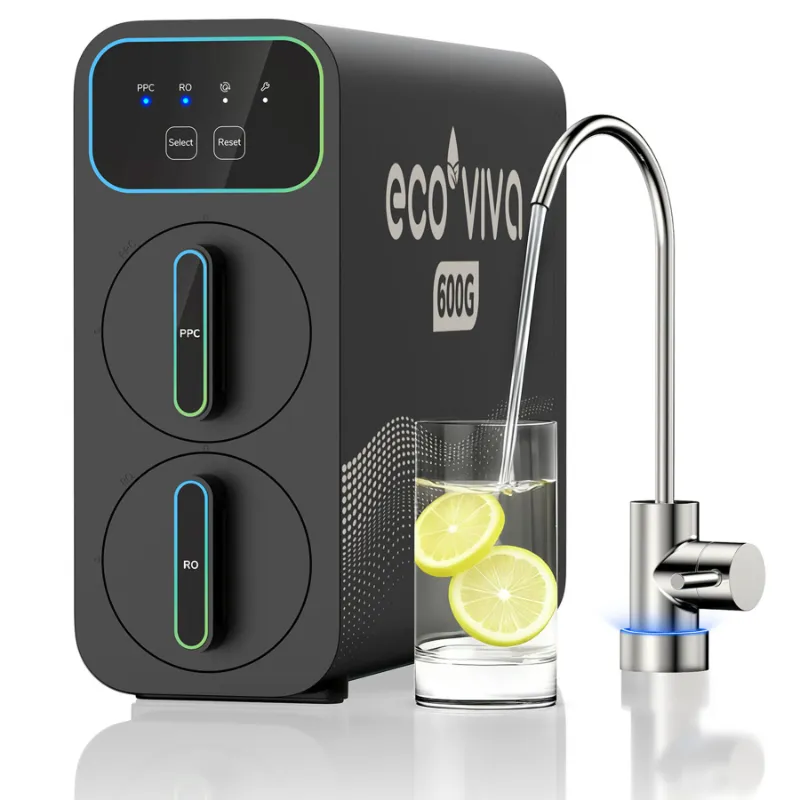
High-capacity membranes like the aquios 600 gpd fit some Ecoviva configurations and extend the service interval, but confirm compatibility with your specific model before ordering. Grab the discount code for replacement cartridges to keep maintenance costs down.
Troubleshooting Common Performance Issues
Even well-maintained systems occasionally show problems. Here’s how we diagnose and fix the most frequent issues:
Low water production or slow flow:
- Check inlet pressure (RO needs at least 40 PSI; below that, consider a booster pump)
- Inspect pre-filters for clogging and replace if they’ve been in service more than a year
- Verify the storage tank has proper air pressure (typically 7 to 8 PSI when empty)
- Confirm the drain line isn’t kinked or restricted
High TDS in the finished water:
- Test your source water first to establish a baseline (the membrane should reject 90 to 98% of dissolved solids)
- Replace the RO membrane if rejection has dropped below 85%
- Check for a loose membrane housing or damaged O-ring that allows bypass
Constant drain flow or system won’t shut off:
- Inspect the automatic shut-off valve (ASO) for debris or calcium buildup
- Replace the ASO if the diaphragm is torn or stiff
- Ensure the storage tank is pressurized correctly; a flat tank prevents the ASO from closing
Strange taste or odor:
- Replace the post-carbon polishing filter first, as it’s the most common culprit
- Sanitize the storage tank and lines with a dilute hydrogen peroxide solution (1 tablespoon per gallon, circulate for 30 minutes, then flush thoroughly)
- If the problem persists, check for biofilm in the tank or lines and consider replacing tubing
For persistent issues, contact Ecoviva support or visit the discount page for access to their technical resources and warranty information.
Who Should Choose the Ecoviva ROWPU
This system suits specific use cases better than others. We recommend the Ecoviva rowpu for:
- Off-grid and emergency preparedness: the rugged design and manual operation options work without continuous power
- Group or family use: higher flow rates and larger storage capacity serve multiple people without constant waiting
- Poor source water conditions: if you’re dealing with well water, high TDS, or questionable municipal supply, the multi-stage RO process delivers reliable results
- Users who want modular serviceability: the ability to replace individual stages without replacing the entire system reduces long-term costs
It’s less ideal for:
- Single-person apartments with limited space: a compact countertop model like the 8-stage countertop ro filter is easier to fit and maintain
- Renters who can’t modify plumbing: the installation requires semi-permanent connections
- Locations with extremely low inlet pressure: you’ll need to budget for a booster pump, which adds cost and complexity
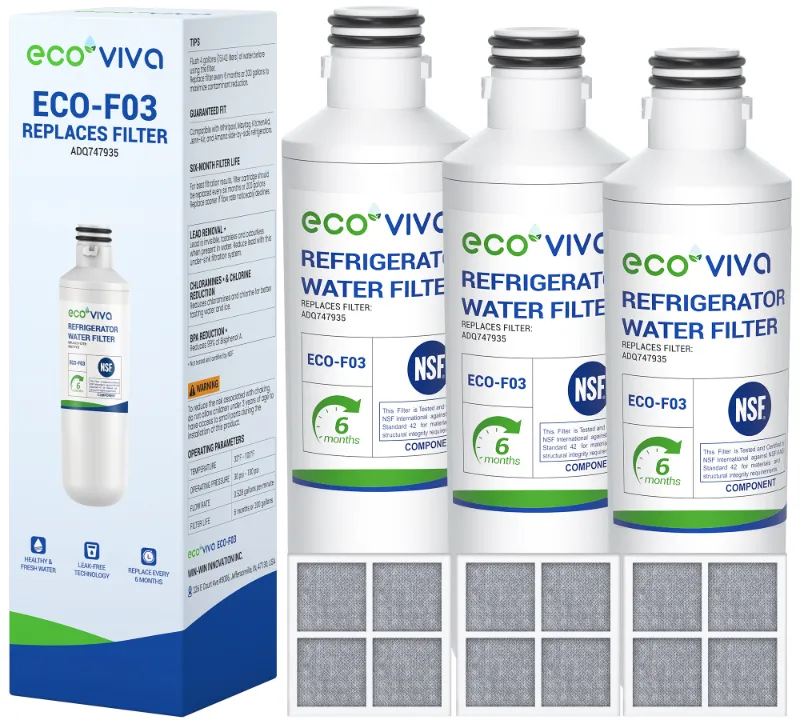
If your primary need is refrigerator filtration, the lg refrigerator water filter lt1000p handles that specific application more efficiently than routing fridge water through a separate RO system.
Comparing Ecoviva ROWPU to Alternative Systems
Understanding how the Ecoviva rowpu stacks up against other purification methods helps you decide if it’s the right investment.
| Feature | Ecoviva ROWPU | Countertop RO (8-stage) | Whole-House (Aquios Puro 2000) |
|---|---|---|---|
| Installation complexity | Moderate (semi-permanent) | Low (faucet adapter) | High (main line plumbing) |
| Daily capacity | High (varies by model) | Low to moderate | Very high (whole-house flow) |
| Portability | Limited (can relocate) | High (fully portable) | None (fixed installation) |
| Maintenance frequency | Moderate (6-12 month filters) | Moderate (6-12 month filters) | Low (annual media change) |
The aquios puro 2000 handles whole-house filtration with a salt-free softening media, but it doesn’t provide the dissolved solids reduction of reverse osmosis. If you need both whole-house treatment and RO drinking water, pairing a point-of-entry system with the Ecoviva rowpu at the kitchen tap gives comprehensive coverage.
For specialized applications like refrigerator ice and water, the lg lt1000p remains the most straightforward solution, while the Ecoviva rowpu excels at high-volume drinking water production.
We’ve found the Ecoviva system offers the best balance of capacity, serviceability, and water quality for off-grid and emergency scenarios where reliability matters more than counter space. Installation takes effort, but the payoff is years of dependable purified water with straightforward filter maintenance you can handle yourself.
Questions
How often do I need to replace filters in the Ecoviva rowpu?
Pre-filters (sediment and carbon) should be replaced every 6 to 12 months or after 2,500 gallons, while the RO membrane lasts 2 to 3 years or 10,000 gallons. Actual intervals depend on your source water quality and daily usage volume.
Can the Ecoviva system work with low water pressure?
The unit requires at least 40 PSI inlet pressure for proper RO membrane function. If your source pressure is below that threshold, you'll need to add a booster pump to maintain adequate flow and rejection rates.
What's the difference between the Ecoviva rowpu and a countertop RO filter?
The Ecoviva rowpu offers higher daily capacity, modular filter stages, and more robust construction for field or off-grid use. Countertop models are more portable and easier to install but handle lower volumes and typically have integrated filter cartridges.
How do I know when the RO membrane needs replacement?
Test the TDS (total dissolved solids) of your product water and compare it to your source water. If the membrane is rejecting less than 85% of dissolved solids, or if production rate drops significantly, it's time for a new membrane.
Can I use the Ecoviva rowpu for well water?
Yes, the system handles well water effectively, but you should test your source for iron, sulfur, and hardness first. High iron or sulfur levels may require additional pre-treatment to prevent membrane fouling.
Is the Ecoviva rowpu portable enough for camping or RV use?
The system can be relocated but requires a stable mounting surface, water source connection, and drain access. It's better suited for semi-permanent installations like base camps or RVs with plumbing rather than backpacking or tent camping.
Products in this guide
Shopping at Ecoviva? See the discount code
15% OFF Sitewide
More in this series
Do 8-Stage Countertop RO Filters Remove More Contaminants Than Standard Filters?6 Aug 20264 minHow Long Does the Aquios 600 GPD RO Membrane Really Last?6 Aug 20265 minAquios PURO 2000 vs Countertop RO Systems: Which Water Filter Is Right for Your Home?6 Aug 20265 minHow to Replace the LG LT1000P Refrigerator Water Filter in 3 Minutes6 Aug 20265 min