 A Open Sheet Music guide
How Long Does It Take to Master Beethoven’s Waldstein Sonata Op. 53?
Mastering beethoven op 53 waldstein typically takes intermediate to advanced pianists anywhere from six months to several years, depending on your current technique and practice habits.
Mastering beethoven op 53 waldstein typically takes intermediate to advanced pianists anywhere from six months to several years, depending on your current technique and practice habits. This iconic sonata demands exceptional finger independence, stamina, and interpretive maturity, making it one of the most rewarding yet challenging pieces in the piano repertoire.
What Makes the Waldstein Sonata So Demanding
The Piano Sonata No. 21 (Beethoven)) presents technical hurdles that go far beyond simple note-reading. The first movement’s relentless triplet passages require evenness and clarity at tempo, while the third movement’s glissando octaves and rapid repeated chords test both coordination and endurance.
We see pianists struggle most with these specific challenges:
- Octave glissandi in the finale that demand wrist flexibility and fearless momentum
- Sustained tremolo passages requiring stamina without tension
- Voicing in dense chordal textures where melody must sing above thick accompaniment
- Pedaling choices that balance Beethoven’s harmonic ambiguity with clarity
- Tempo relationships between the first movement’s Allegro con brio and the finale’s Prestissimo
The piece spans roughly 25 minutes and offers no easy sections to rest your hands. Unlike shorter works such as etude op 10 no 12 chopin, the Waldstein requires you to pace both physical and mental energy across an extended architectural span.
Realistic Practice Timelines by Skill Level
Your starting point matters enormously when estimating how long beethoven op 53 waldstein will take to master. We break down typical timelines below, assuming consistent daily practice.
Advanced intermediate pianists (comfortable with easier Beethoven sonatas like Op. 49 or Op. 14) usually need 12 to 24 months. You will spend the first several months simply getting the notes under your fingers and building the required stamina. Expect to drill octave passages and tremolo sections in isolation for weeks before they feel secure.
Advanced pianists (solid command of late Beethoven or Romantic repertoire) can bring the sonata to performance level in 6 to 12 months. Your existing technique accelerates learning, but interpretive depth still requires time. Even professionals revisit this work over years to refine phrasing and discover new layers.
Early intermediate players should wait. If you are still building basic scales, arpeggios, and hand independence, tackling the Waldstein prematurely leads to injury and frustration. Build your foundation with works like hallelujah piano sheet music or simpler Classical sonatas first, then return when your technique is solid.
For all levels, grab the code to access quality editions at a lower cost, which helps when you want multiple interpretive references or Urtext scores.
Breaking Down Your Practice Strategy
We recommend a phased approach that prevents burnout and builds secure technique. Trying to learn the entire sonata at once is a recipe for sloppy habits.
Phase One: Movement by Movement
Start with the third movement (Rondo) despite its flashy reputation. Its patterns are more repetitive than the first movement, making it easier to memorize and drill. Spend four to eight weeks here, isolating octave runs and chord sequences until they feel automatic.
Next tackle the first movement, which demands the most interpretive nuance. Budget two to three months for this alone. The Introduzione second movement is brief but requires careful attention to its improvisatory character.
Phase Two: Slow Practice and Isolation
The Piano Sonata No.21, Op.53 (Beethoven, Ludwig van)) page offers multiple editions to compare fingerings and articulation choices. We practice every difficult passage at half tempo with a metronome, gradually increasing speed only when accuracy reaches 95 percent.
Isolate problem spots:
- Octave glissandi: practice the wrist motion slowly, then add speed without added tension
- Tremolo sections: use forearm rotation rather than finger strength alone
- Rapid repeated chords: find the minimum motion required and eliminate excess movement
Phase Three: Endurance and Memory
Once sections feel comfortable individually, chain them together. Play through entire movements without stopping, even if mistakes happen. This builds the stamina and mental focus required for performance.
Memory work should happen early. The Waldstein’s length means memorization takes weeks, not days.
Comparing the Waldstein to Other Advanced Repertoire
If you have worked on other demanding pieces, you can gauge your readiness for beethoven op 53 waldstein. The sonata sits roughly at the same level as Chopin’s Ballades or Liszt’s Transcendental Etudes in terms of raw technical demand, though its musical language is distinctly Classical.
| Piece | Technical Focus | Typical Learning Time |
|---|---|---|
| Beethoven Op. 53 Waldstein | Octaves, stamina, voicing | 6-24 months |
| Chopin Etude Op. 10 No. 12 | Speed, endurance, drama | 3-9 months |
| Paganini Caprice 24 (piano transcription) | Virtuosity, variation form | 4-12 months |
Players who have conquered etude op 10 no 12 chopin often find the Waldstein’s first movement more interpretively demanding, even if the raw speed is comparable. Conversely, those comfortable with paganini caprice 24 transcriptions will adapt quickly to the Waldstein’s octave work.
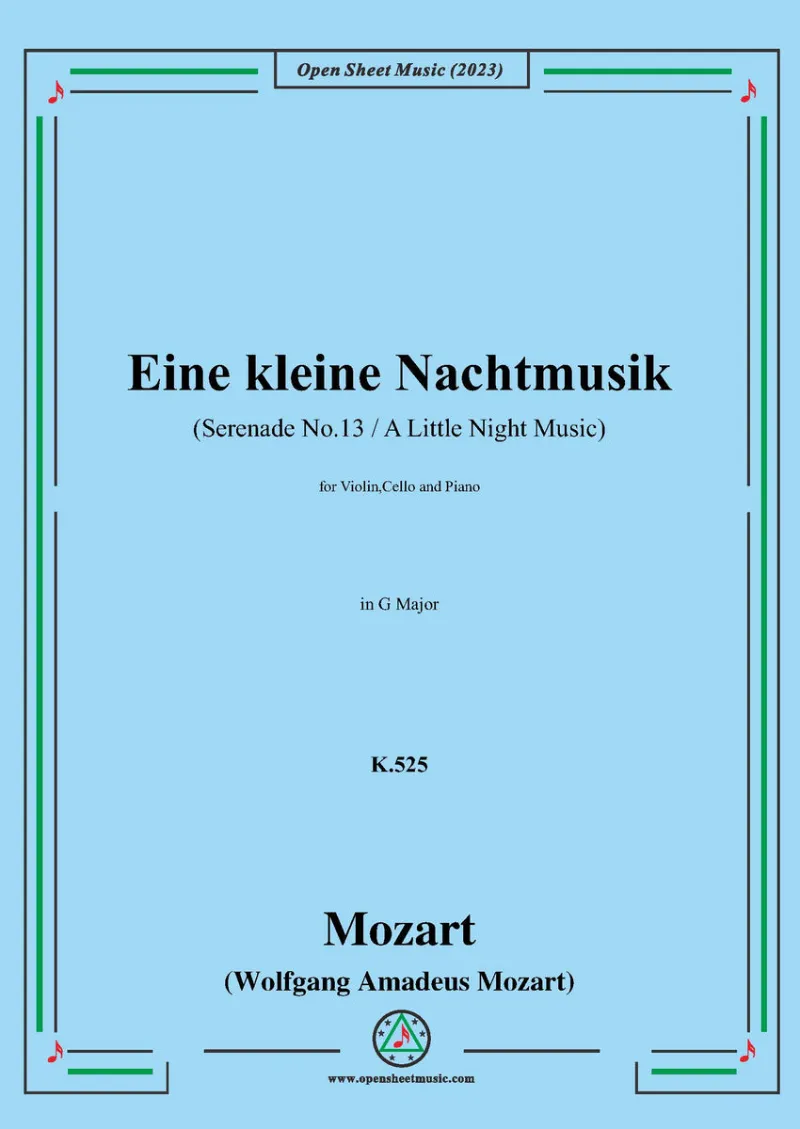
If you are exploring other Classical works, beethoven symphony 1 piano reductions or mozart serenade k 525 arrangements offer less physically taxing alternatives that still develop your Classical phrasing and structure.
When You Are Ready for Performance
Performance readiness means more than playing all the notes. We consider the Waldstein performance-ready when you can execute the entire sonata from memory three times in a row without significant mistakes, maintain expressive shaping under pressure, and recover smoothly from any slips.
Most pianists underestimate the gap between “learned” and “performance-ready.” Budget at least an additional two to three months of polishing once you have memorized the piece. Record yourself regularly to catch interpretive blind spots and technical weaknesses that disappear in the heat of practice.
For score preparation and reliable editions, check the latest price on Urtext versions that preserve Beethoven’s original intentions without excessive editorial additions. The Henle edition is particularly respected for its scholarly accuracy.
Building Supporting Repertoire
We always recommend working on contrasting pieces alongside the Waldstein to prevent burnout and maintain musical variety. Shorter works keep your sight-reading fresh and give your hands a break from the sonata’s relentless demands.
Consider rotating these into your practice sessions:
- Lyrical Romantic miniatures for expressive contrast
- Bach preludes and fugues to maintain contrapuntal clarity
- Contemporary pieces to keep your musical language flexible

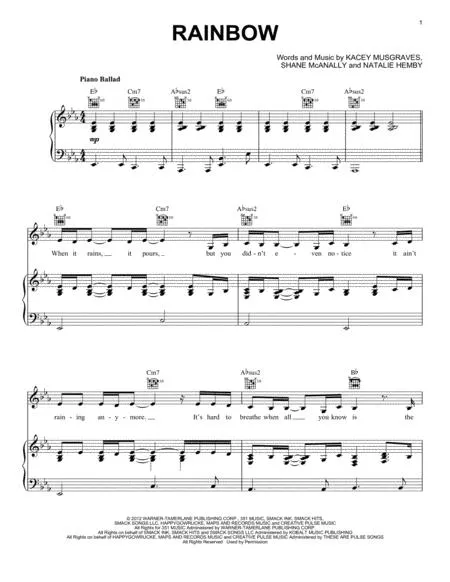
Even lighter repertoire like la la land sheet music or rainbow sheet music serves a purpose, offering low-pressure sight-reading that keeps piano enjoyable when the Waldstein feels overwhelming.
The journey to mastering beethoven op 53 waldstein is as much about patience and intelligent practice as raw talent. Set realistic milestones, celebrate incremental progress, and remember that even the greatest pianists continue discovering new insights in this masterpiece throughout their careers.
Questions
How long does it take to learn Beethoven Op 53 Waldstein for an advanced pianist?
Advanced pianists typically need 6 to 12 months to bring the Waldstein to performance level, though interpretive depth continues developing for years. Consistent daily practice and prior experience with demanding repertoire significantly accelerate the process.
What is the hardest part of the Waldstein Sonata?
Most pianists find the octave glissandi in the finale and the sustained tremolo passages most challenging. These sections demand exceptional wrist flexibility, stamina, and the ability to maintain speed without building tension.
Should I learn the Waldstein movements in order?
We recommend starting with the third movement (Rondo) despite its flashy reputation, as its repetitive patterns make it easier to memorize and drill. Tackle the first movement next, saving the brief Introduzione for last.
Can an intermediate pianist play the Waldstein Sonata?
Advanced intermediate pianists can tackle the Waldstein with 12 to 24 months of dedicated work, but early intermediate players should wait. The piece demands solid octave technique, stamina, and hand independence that come only after mastering simpler Classical sonatas.
What edition of the Waldstein Sonata should I use?
Urtext editions like Henle preserve Beethoven's original intentions without excessive editorial additions, making them ideal for serious study. Compare multiple editions to find fingerings and articulation choices that suit your hand.
How do I build stamina for the Waldstein Sonata?
Build stamina gradually by practicing entire movements without stopping, even through mistakes. Start at reduced tempo and increase speed only when you can maintain relaxed technique, focusing on forearm rotation rather than finger strength in tremolo sections.
Products in this guide
 Shopping at Open Sheet Music? See the discount code
15% OFF All Orders
Shopping at Open Sheet Music? See the discount code
15% OFF All Orders
More in this series
Why Hallelujah Piano Arrangements Vary: Finding the Right Version for Your Skill Level3 Sep 20265 minThe Best Sheet Music Editions of Mozart’s Piano Sonata No. 11 (K. 331)3 Sep 20265 minWhat Makes Paganini Caprice No. 24 So Difficult for Violinists?3 Sep 20265 min Dvorak Symphony No. 8 vs. Beethoven Symphony No. 1: Which Orchestral Score Should You Conduct First?3 Sep 20265 minHow to Learn Chopin Etude Op. 10 No. 12: Practice Tips for the Revolutionary Etude3 Sep 20265 min