 A Open Sheet Music guide
How to Learn Chopin Etude Op. 10 No. 12: Practice Tips for the Revolutionary Etude
Mastering etude op 10 no 12 chopin requires breaking down the revolutionary left-hand octave passages into manageable practice segments.
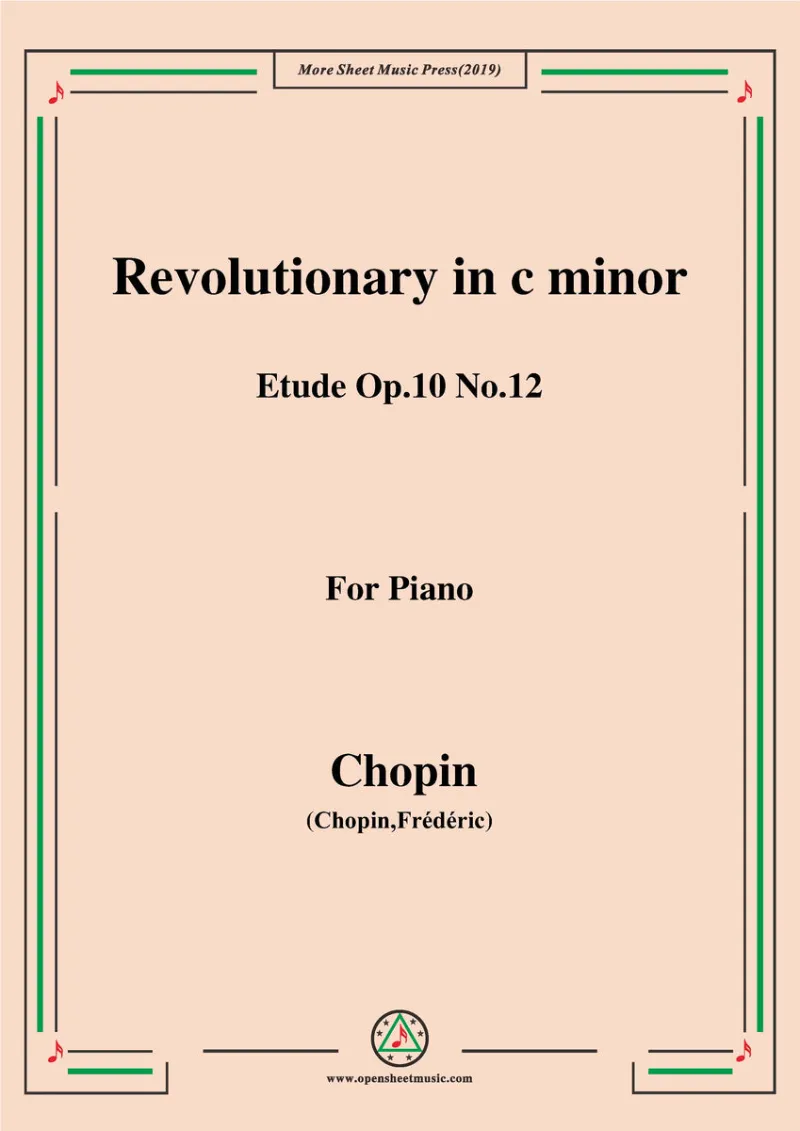
The etude op 10 no 12 chopin responds best to slow, deliberate practice that isolates the explosive left-hand octaves before attempting the full tempo. This piece, nicknamed the Revolutionary Etude, demands both technical precision and emotional intensity, making it one of the most challenging works in the piano repertoire.
Why the Revolutionary Etude Demands Special Preparation
Chopin composed this étude following the 1831 fall of Warsaw), channeling political fury into one of the most technically demanding pieces of the 19th century. The left hand carries torrential descending chromatic passages while the right hand must project a powerful melodic line above the storm.
Most pianists underestimate three core challenges:
- Endurance: The left hand plays nearly continuous sixteenth notes for over two minutes without rest
- Dynamic control: You must maintain clarity in fortissimo passages where the natural impulse is to pound
- Hand independence: The right hand melody requires completely different articulation and phrasing from the left hand’s perpetual motion
Unlike more lyrical études in the Op. 10 set (such as the famous Chopin 12 etudes Op 10 No 3), this piece prioritizes raw power and agility. If you’re also working on other challenging repertoire like paganini caprice 24, you’ll recognize the same principle: technical mastery comes from isolating the most difficult passages first.
Breaking Down the Left-Hand Octave Technique
The descending left-hand patterns make or break your performance of the chopin revolutionary etude op 10 no 12. We recommend a four-stage practice approach:
Stage 1: Hands Separate at Quarter Speed Play only the left hand at 25% of performance tempo, focusing on finger accuracy rather than speed. Use a metronome starting at 40 BPM and treat each sixteenth note as deliberate placement.
Stage 2: Rotation Drills The wrist must rotate smoothly through the descending chromatic runs. Practice two-octave segments with exaggerated rotation, then gradually reduce the motion as muscle memory develops. Your forearm should feel loose, never locked.
Stage 3: Stamina Building Once you can play each section cleanly, loop 8-bar segments for three minutes without stopping. This builds the endurance needed for the full piece. Rest for two minutes between loops to prevent injury.
Stage 4: Dynamic Layering Add crescendos and diminuendos to your isolated left-hand practice. The Revolutionary Etude requires dramatic dynamic shaping, not mechanical consistency.
Coordinating the Right-Hand Melody
While the left hand dominates technical discussion, the right hand carries the emotional weight. The opening descending octave figure in the right hand must sound like a defiant proclamation, not an afterthought.
Practice these right-hand elements separately:
- Octave voicing: Weight the top note of each octave to project the melodic line
- Phrase shaping: Mark your score with breath points where the melody naturally peaks and releases
- Accent placement: The downbeat accents must punch through the left-hand texture without sounding harsh
When you’re ready to combine hands, start with just four bars at a time. The independence required here rivals what you’d find in complex orchestral reductions like dvorak symphony 8, where multiple layers must speak simultaneously.
Building to Performance Tempo Safely
Rushing to full speed causes more failures with etude op 10 no 12 chopin than any other practice mistake. We’ve seen pianists spend months correcting technical collapse from premature tempo increases.
| Practice Stage | Target Tempo | Duration | Focus |
|---|---|---|---|
| Initial Learning | 40-60 BPM | 2-3 weeks | Note accuracy, fingering |
| Technical Stability | 60-90 BPM | 3-4 weeks | Smooth transitions, endurance |
| Musical Shaping | 90-120 BPM | 2-3 weeks | Dynamics, phrasing |
| Performance Polish | 120-160 BPM | 2+ weeks | Consistency, interpretation |
Check the latest price on the sheet music before you begin, especially if you want a high-quality edition with fingering suggestions and performance notes. Many editions include analysis of the best fingerings for the chromatic passages, which saves weeks of trial and error.
Comparing Chopin’s Revolutionary Etude to Other Technical Studies
Understanding where this piece fits in the broader étude literature helps set realistic expectations. The Revolutionary Etude sits at the top tier of difficulty within Chopin’s own output.
Within Op. 10: The Revolutionary Etude exceeds the technical demands of most other études in the set. While No. 1 (the arpeggio study) and No. 4 (the fast chromatic study) challenge different aspects of technique, No. 12 combines speed, endurance, and musical depth uniquely.
Compared to Op. 25: The chopin 12 études op 25 No 11 (the Winter Wind) rivals the Revolutionary for sheer velocity, but uses different technical patterns. If you can play Op. 10 No. 12 cleanly, you have the foundation for Op. 25 No. 11, though each requires specific preparation.
Against Romantic Contemporaries: Liszt’s transcendental études generally surpass Chopin’s in pure technical demand, but Chopin’s études integrate musicality and technique more seamlessly. You’re not just playing gymnastics; you’re telling a story.
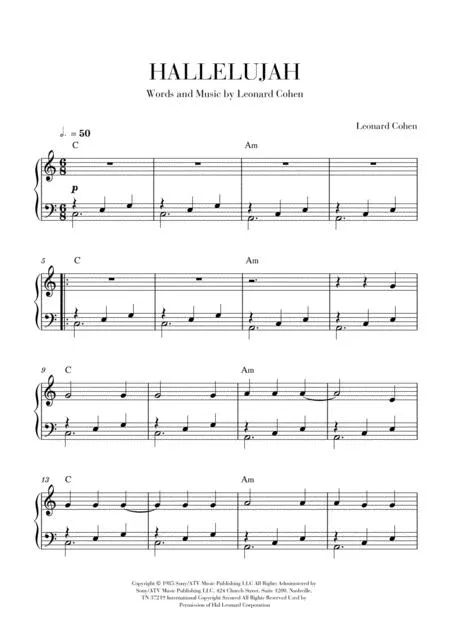
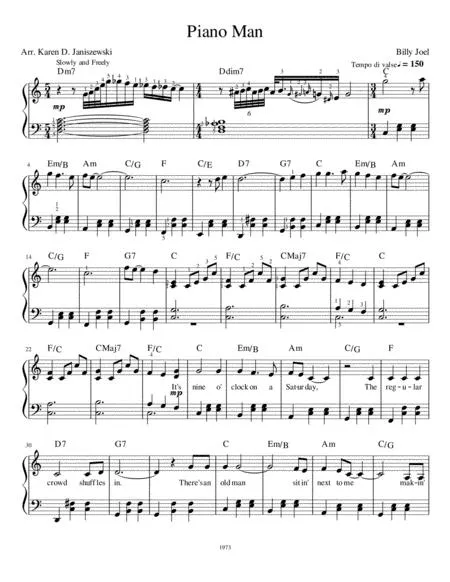
If you’re building a practice routine that includes multiple challenging works, consider pairing the Revolutionary Etude with lyrical pieces like hallelujah piano sheet music or piano man sheet music to maintain musical balance and prevent burnout.
Finding the Best Performance References
Listening to top interpretations of the chopin revolutionary etude best performance recordings shapes your musical understanding. We recommend studying multiple approaches:
- Maurizio Pollini: Crystal clarity at breathtaking speed, emphasizing the piece’s technical brilliance
- Vladimir Ashkenazy: Balanced interpretation with strong dynamic contrasts and clear melodic voicing
- Martha Argerich: Fiery, spontaneous energy that captures the revolutionary spirit
- Yuja Wang: Modern precision with powerful projection and dramatic flair
Listen with your score open and mark moments where performers make interesting interpretive choices: rubato placement, pedal usage, or unexpected dynamic shifts. These details transform technical execution into compelling artistry.
Grab the code for 15% off your sheet music purchase, which lets you invest in a professional edition with performance notes from master pianists.
Preventing Injury While Building Speed
The Revolutionary Etude poses real injury risk if practiced incorrectly. Repetitive strain injuries sideline pianists for months, so prevention matters more than speed.
Essential safety practices:
- Limit Revolutionary Etude practice to 20-30 minutes per session maximum
- Always warm up with scales, arpeggios, and gentler repertoire before attempting full-tempo runs
- Stop immediately if you feel pain, burning, or numbness in your hands, wrists, or forearms
- Practice away from the piano by visualizing the piece and conducting the phrases
- Schedule rest days where you don’t touch this piece at all
If you maintain a diverse practice routine with works like mozart serenade k 525 or beethoven symphony 1 reductions, you’ll naturally give your hands variety in technical demands. Rotating between different technical challenges prevents overuse injuries more effectively than rest alone.
Who Should Tackle This Etude Now
The etude op 10 no 12 chopin suits advanced pianists who already command solid octave technique, strong hand independence, and several years of serious study. We typically recommend it for students who have successfully performed pieces like Chopin’s Ballades, late Beethoven sonatas, or comparable repertoire.
You’re ready if you can:
- Play continuous sixteenth notes at 120 BPM for 90 seconds without tension
- Execute clean chromatic scales in octaves through two octaves
- Shape complex melodic lines while maintaining accompaniment patterns
- Practice systematically without rushing to performance tempo
Wait if you’re still developing:
- Basic octave facility and stamina
- Consistent practice discipline and injury awareness
- Familiarity with Romantic-era stylistic conventions
Your timeline for mastering this piece will likely span three to six months of focused daily practice. Plan accordingly and celebrate incremental progress rather than expecting overnight breakthroughs.
Questions
How long does it take to learn etude op 10 no 12 chopin?
Most advanced pianists need three to six months of focused daily practice to perform the Revolutionary Etude confidently. The timeline depends heavily on your existing octave technique, hand independence, and practice consistency.
What makes the Revolutionary Etude so difficult?
The continuous descending chromatic left-hand passages demand exceptional endurance, while the right hand must project a powerful melody simultaneously. The piece combines speed, stamina, dynamic control, and musical expression at the highest level.
Should I learn Op. 10 No. 12 or Op. 25 No. 11 first?
Op. 10 No. 12 (Revolutionary) typically comes before Op. 25 No. 11 (Winter Wind) because its technical patterns are slightly more straightforward. Both require advanced technique, but the Revolutionary builds better foundational skills for approaching the Winter Wind later.
Can I practice the Revolutionary Etude without getting injured?
Yes, if you limit practice sessions to 20-30 minutes, always warm up thoroughly, and stop immediately at any sign of pain or tension. Building speed gradually over months rather than weeks significantly reduces injury risk.
What tempo should I aim for in the Revolutionary Etude?
Performance tempos typically range from 120 to 160 BPM for the sixteenth notes. Start your practice at 40-60 BPM and increase by small increments only after achieving complete technical stability at each stage.
Do I need a special edition of the Revolutionary Etude sheet music?
A quality urtext edition or an annotated performance edition with fingering suggestions helps significantly. Professional editions often include insights about technical approaches and historical context that save considerable practice time.
Products in this guide
 Shopping at Open Sheet Music? See the discount code
15% OFF All Orders
Shopping at Open Sheet Music? See the discount code
15% OFF All Orders
More in this series
Why Hallelujah Piano Arrangements Vary: Finding the Right Version for Your Skill Level3 Sep 20265 minHow Long Does It Take to Master Beethoven’s Waldstein Sonata Op. 53?3 Sep 20265 minThe Best Sheet Music Editions of Mozart’s Piano Sonata No. 11 (K. 331)3 Sep 20265 minWhat Makes Paganini Caprice No. 24 So Difficult for Violinists?3 Sep 20265 minDvorak Symphony No. 8 vs. Beethoven Symphony No. 1: Which Orchestral Score Should You Conduct First?3 Sep 20265 min