 A Open Sheet Music guide
Dvorak Symphony No. 8 vs. Beethoven Symphony No. 1: Which Orchestral Score Should You Conduct First?
Dvorak Symphony 8 offers a more forgiving entry into Romantic orchestration than Beethoven Symphony 1, making it an ideal first score for aspiring conductors.
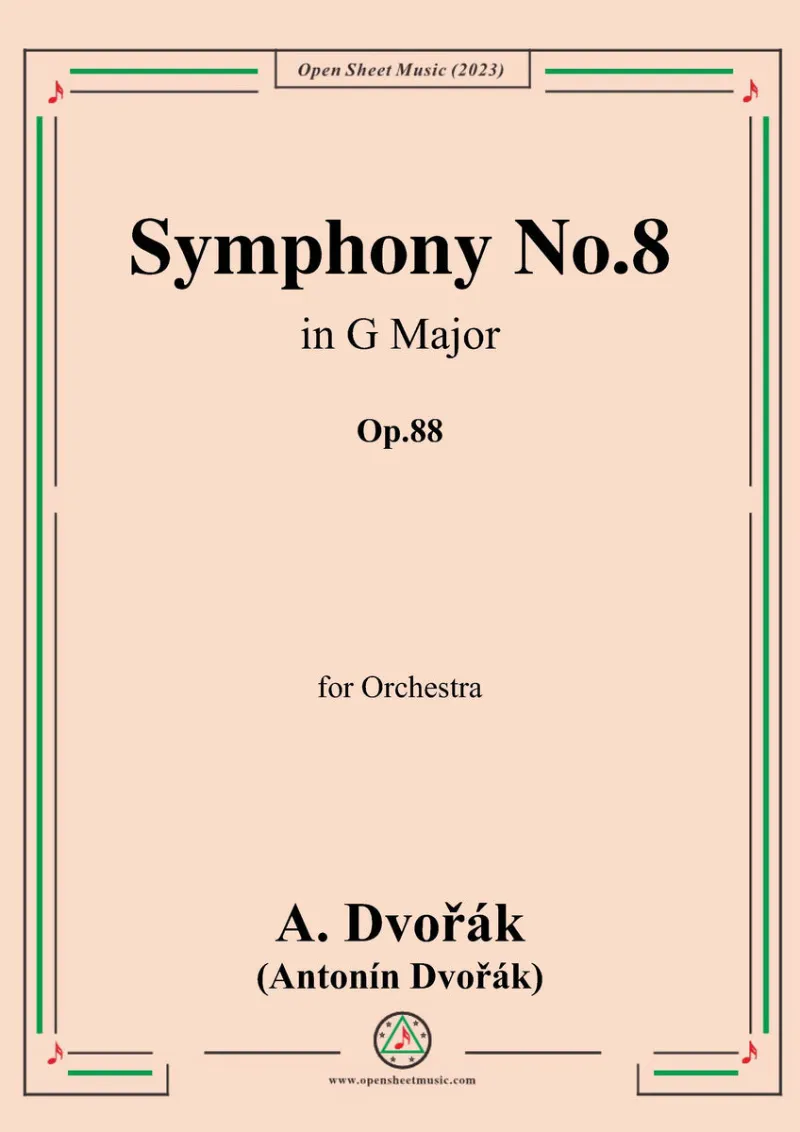
If you’re choosing between dvorak symphony 8 and beethoven symphony 1 for your debut on the podium, the Dvořák usually wins for accessibility and rehearsal efficiency. The dvorak symphony 8) brings lush Romantic textures and a more flexible tempo structure, while Beethoven’s First demands razor-sharp Classical precision and ensemble discipline that can overwhelm a less experienced group.
Why Dvorak Symphony 8 Works Better for First-Time Conductors
The Dvořák offers breathing room. Its four movements flow with natural phrasing that lets you shape phrases without micromanaging every eighth note, and the orchestration doubles many lines so a missed entrance rarely derails the ensemble. The third movement’s lyrical waltz gives your strings a chance to sing without the relentless rhythmic drive Beethoven requires, and the finale builds excitement through melodic repetition rather than contrapuntal complexity.
Rehearsal time matters when you’re learning to conduct. Most ensembles bring the Dvořák to performance standard in six to eight rehearsals, compared to ten or more for the Beethoven. The Romantic harmonic language also sounds fuller even when your brass section isn’t perfectly balanced, a practical advantage when working with volunteer or student musicians.
You’ll find the dvořák symphony 8 sheet music) widely available through IMSLP and other public domain sources, though a clean modern edition saves rehearsal time by clarifying bowings and articulation. Grab the code for 15% off if you’re ordering parts for your ensemble.
When Beethoven Symphony 1 Is the Right Choice
Beethoven’s First makes sense if your orchestra already has strong Classical chops or you’re working with a professional-level group. The Adagio introduction demands unanimity of attack and releases that can expose any conducting ambiguity, and the Allegro con brio requires transparent three-voice textures where every player must listen across sections.
The symphony rewards precision. If your goal is to drill fundamental beat patterns and develop a clear preparatory gesture, Beethoven’s sparse orchestration won’t let you hide behind lush Romantic padding. The slow movement’s cantabile lines also teach you to sustain long phrases without losing forward motion, a skill every conductor needs.
Budget an extra month of rehearsals and ensure your string principals can model articulation for their sections. The Menuetto’s offbeat accents and the finale’s rapid scales need section leaders who can demonstrate what you’re asking for when your verbal explanation falls short.
Comparing Movement Structure and Difficulty
| Movement | Dvorak Symphony 8 | Beethoven Symphony 1 |
|---|---|---|
| First Movement | Allegro con brio with flexible rubato opportunities; bird-call flute solos are exposed but forgiving | Adagio intro + Allegro demands precise transitions; transparent counterpoint shows every mistake |
| Slow Movement | Adagio with rich string writing; tempo fluctuations feel natural | Andante cantabile requires sustained legato without sagging; Classical phrasing is unforgiving |
| Third Movement | Lyrical waltz with memorable melodies; easier to shape expressively | Menuetto with tricky offbeat accents; rhythmic precision is essential |
| Finale | Theme and variations with building excitement; orchestration covers ensemble gaps | Fast Allegro with rapid scales; thin textures expose technical weaknesses |
The dvořák symphony 8 finale is particularly satisfying for a first outing because the celebratory brass fanfares and big tutti sections give your audience clear moments to latch onto, while the Beethoven finale can sound frantic if your tempo gets away from you.
Ensemble Size and Instrumentation Needs
Both symphonies use Classical-sized orchestras, but the Dvořák’s doubling makes it more forgiving with smaller sections. You can perform the dvorak sym no 8 effectively with eight first violins, while Beethoven’s transparency really needs ten or more to cover the three-voice divisi passages without sounding thin.
Brass demands differ significantly. The Dvořák calls for two trumpets and two horns plus timpani, with parts that sit in comfortable ranges and offer rest between entrances. Beethoven’s horn parts sit higher and require more endurance, a consideration if your players double on other wind instruments or lack professional training.
Neither symphony needs exotic instruments, so you won’t face the percussion or harp challenges you’d encounter with later Romantic works like paganini caprice 24 or the chamber intimacy of mozart serenade k 525. Stick to standard strings, winds in pairs, brass, and timpani.
Score Study and Preparation Tips
Start your score study by singing through the main themes away from the piano. The dvořák symphony 8 3rd movement) waltz melody will stick in your memory faster than Beethoven’s motivic fragments, giving you an internal reference when you’re on the podium and need to cue an entrance without looking down.
Mark your score for practical conducting decisions, not just interpretation:
- Cue priorities: highlight entrances after long rests, especially in the winds
- Balance adjustments: note where Dvořák’s thick scoring needs dynamic shaping to bring out inner voices
- Tempo relationships: map how the Beethoven movements connect, since Classical tradition expects proportional tempos between sections
- Breath marks: pencil in phrase endings for your wind players, particularly in the slow movements
Record yourself conducting along with a reference recording to catch unclear beat patterns before your first rehearsal. The Dvořák’s flexible rubato will reveal whether you’re telegraphing tempo changes clearly, while the Beethoven will show if your preparatory beats match the precision the style demands.
Check the latest price for both scores and budget for a full set of parts with separate copies for each stand. Sharing parts slows rehearsals and makes it harder for players to mark their own bowings and fingerings.
Building Your Conducting Repertoire Beyond These Two
Once you’ve mastered one of these symphonies, expand strategically. If you started with the Dvořák, try beethoven symphony 1 next to sharpen your Classical technique, then explore other Romantic symphonies. If you began with Beethoven, the dvorak symphony 8 will feel like a reward after the hard work, and you’ll bring your refined beat clarity to the more expressive Romantic idiom.
Consider pairing orchestral scores with smaller works for variety in your programming. The chamber intimacy of mozart serenade k 525 teaches balance in a more exposed setting, while piano showpieces like etude op 10 no 12 chopin can sit on your stand for personal score study even if you’re not currently working with a concerto soloist.
Your local community orchestra will appreciate repertoire they can rehearse efficiently, so save the more demanding works for when you’ve built trust and technique with your ensemble. The Dvořák gives you that credibility without requiring your players to overextend themselves technically, setting up future seasons where you can tackle Brahms, Mahler, or later Beethoven with a group that’s grown alongside your conducting skills.
Questions
Which is easier to conduct, Dvorak Symphony 8 or Beethoven Symphony 1?
Dvorak Symphony 8 is generally easier for first-time conductors because its Romantic orchestration doubles many lines and allows more flexible phrasing. Beethoven's First requires stricter Classical precision and more rehearsal time to achieve clean ensemble.
How many rehearsals does each symphony typically need?
Most community and collegiate orchestras bring the Dvořák to performance standard in six to eight rehearsals, while Beethoven's First usually requires ten or more due to its transparent textures and demanding rhythmic precision.
Can I perform these symphonies with a smaller orchestra?
Yes, both use Classical-sized orchestras. The Dvořák works effectively with eight first violins because of its doubling, while Beethoven's transparent three-voice writing really needs ten or more violins to avoid sounding thin.
Where can I find affordable scores and parts for these symphonies?
Both are available through IMSLP as public domain downloads, though a modern edition clarifies bowings and articulation. Check our discount code page for 15% off complete part sets from Open Sheet Music.
What's the hardest movement in the Dvořák Symphony No. 8?
The finale's theme and variations section requires careful balance to bring out the melodic line through thick orchestration, though the movement's repetition makes it more forgiving than Beethoven's rapid finale.
Do I need professional-level brass players for these works?
The Dvořák's brass parts sit in comfortable ranges with adequate rest, making them accessible to strong amateurs. Beethoven's higher horn parts demand more endurance and are better suited to experienced players.
Products in this guide
 Shopping at Open Sheet Music? See the discount code
15% OFF All Orders
Shopping at Open Sheet Music? See the discount code
15% OFF All Orders
More in this series
 Why Hallelujah Piano Arrangements Vary: Finding the Right Version for Your Skill Level3 Sep 20265 minHow Long Does It Take to Master Beethoven’s Waldstein Sonata Op. 53?3 Sep 20265 minThe Best Sheet Music Editions of Mozart’s Piano Sonata No. 11 (K. 331)3 Sep 20265 minWhat Makes Paganini Caprice No. 24 So Difficult for Violinists?3 Sep 20265 minHow to Learn Chopin Etude Op. 10 No. 12: Practice Tips for the Revolutionary Etude3 Sep 20265 min