 A Kismile guide
How Long Does a Kismile Ice Maker Last?
A kismile ice maker typically lasts 2 to 5 years with proper maintenance, though build quality and usage patterns significantly affect longevity.
There is no fixed number of years we can honestly give you for how long a Kismile ice maker lasts. It depends on the compressor, the hardness of your water, how many hours a day you run it, and how well you keep up with cleaning and descaling. This guide covers what actually affects that lifespan and what you can do to help your machine last as long as its build allows.
How Long Does a Kismile Ice Maker Last?
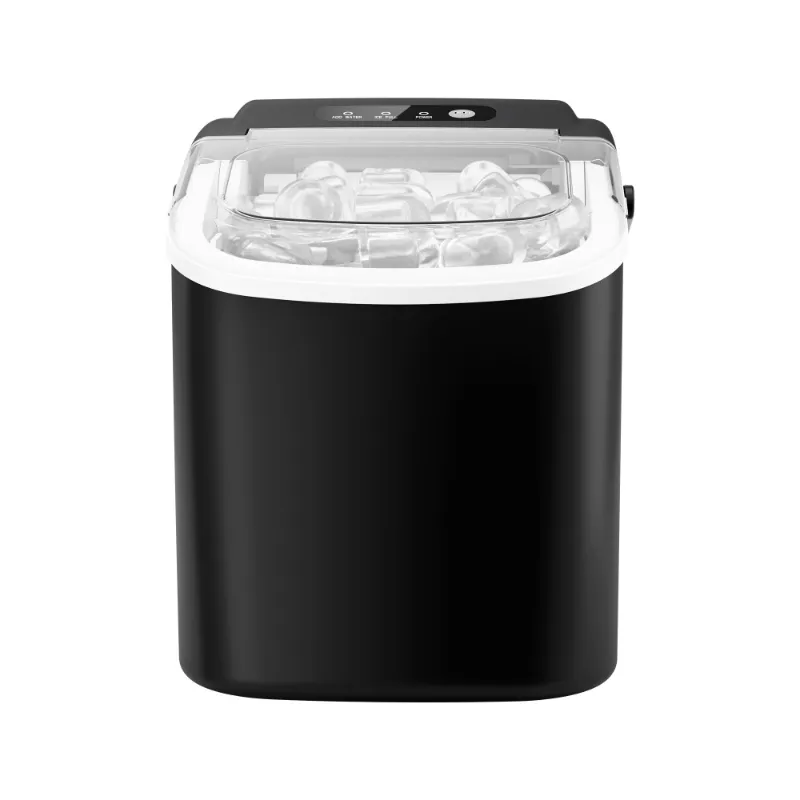
Rather than quote a single lifespan figure, it is more useful to look at what actually wears out first on a countertop ice machine: the water pump, the seals, and the compressor, roughly in that order. A machine that is cleaned regularly and run on filtered or softened water puts far less strain on all three than one running hard tap water around the clock. For the specific compressor rating and expected duty cycle of your model, check the product page or the owner’s manual rather than a general estimate, since that varies by model.
What Affects How Long an Ice Maker Lasts
Four things do most of the work in deciding how long any countertop ice maker, including a Kismile ice maker countertop model, holds up:
- Compressor quality. Check the manufacturer’s rated operating hours for your specific model on the product page, since this varies between the portable and under counter lines.
- Water hardness. Minerals in hard tap water build up on pumps and evaporator plates over time, which makes the compressor work harder. If your water is notably hard, plan on more frequent descaling or an inline filter.
- Daily run time. A machine that runs for long, continuous stretches each day experiences more heat and wear on seals and the pump than one used for shorter, spaced out cycles.
- Cleaning and descaling frequency. This is the factor most within your control, and the one that most reliably prevents early failure.
Water hardness in particular is worth checking. If your tap water tests as hard, descaling more often and considering an inline filter are reasonable precautions, since scale buildup is one of the more common reasons pumps and coils wear out early.
Common Failure Points and How to Avoid Them
Most countertop ice makers fail in a handful of predictable ways. Knowing what to watch for lets you catch a minor issue before it takes down the whole machine.
- Water pump clogs. Mineral scale and algae restrict flow, which can cause an “add water” error even when the reservoir is full. Flushing the pump inlet with a citric acid solution on a regular schedule helps prevent this.
- Sensor drift. Temperature and water level sensors can lose calibration over time, which can trigger false shutdowns. If your machine starts stopping unexpectedly with a full reservoir, sensor calibration or replacement is worth checking.
- Seal degradation. Door gaskets and hose connections can harden and crack with age, which lets water reach electronics it should not. Check seals periodically and replace any that feel stiff or show cracks.
- Compressor overheating. Dust on the condenser coils insulates heat, which forces the compressor to run longer cycles than it needs to. Vacuuming the rear vent on a regular schedule keeps airflow clear.
Scale in the water lines and dust on the compressor coils are two of the most common, and most preventable, causes of early failure on any countertop ice maker.
Maintenance That Helps It Last Longer
A basic cleaning routine addresses most of the failure points above before they become a problem. A schedule along these lines is reasonable for most home use:
Weekly:
- Wipe interior walls and the ice basket with diluted white vinegar to discourage mold
- Empty and rinse the water reservoir, especially if the machine has sat unused for a few days
Monthly:
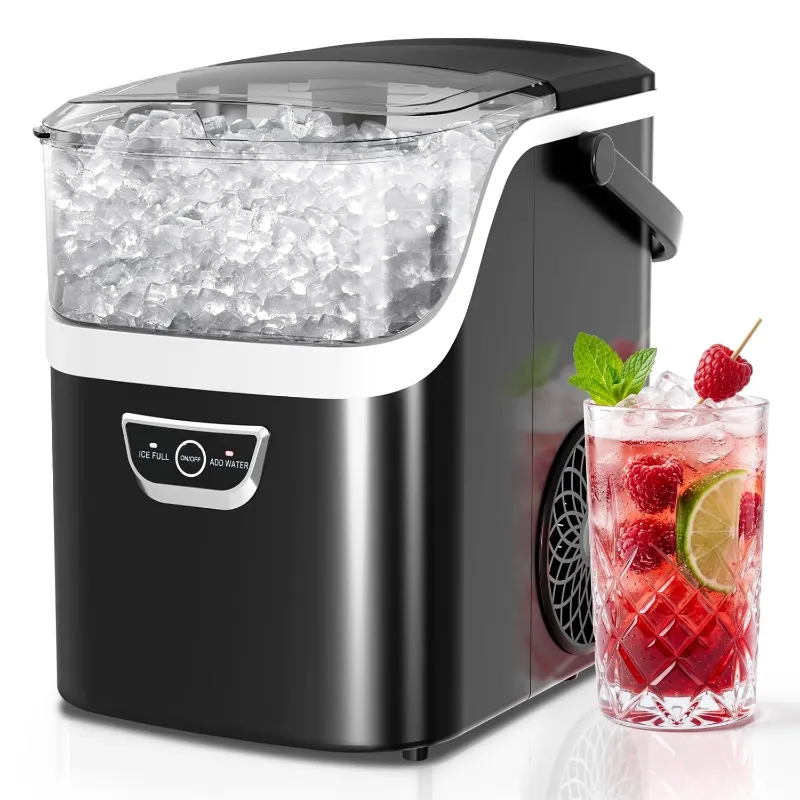
- Run a full descaling cycle with citric acid or the manufacturer’s recommended cleaner (check the Kismile ice maker manual for the exact steps for your model)
- Remove and rinse the water filter if your model includes one
- Check door seals for cracks and clean off residue that keeps them from closing tightly
Quarterly:
- Vacuum the condenser coils and rear vents
- Inspect water hoses for kinks, cracks or mineral buildup at connection points
- Check that the drain plug seats properly to avoid leaks
For the exact cleaning steps for your model, the Kismile manual that comes with the machine, or the manufacturer’s support site, is the reliable reference, more so than general advice like this.
Countertop vs. Under Counter vs. Commercial Ice Makers
Kismile sells across a few different categories, and matching the category to your actual use matters more than chasing a specific lifespan number.
| Type | Typical use | What to expect |
|---|---|---|
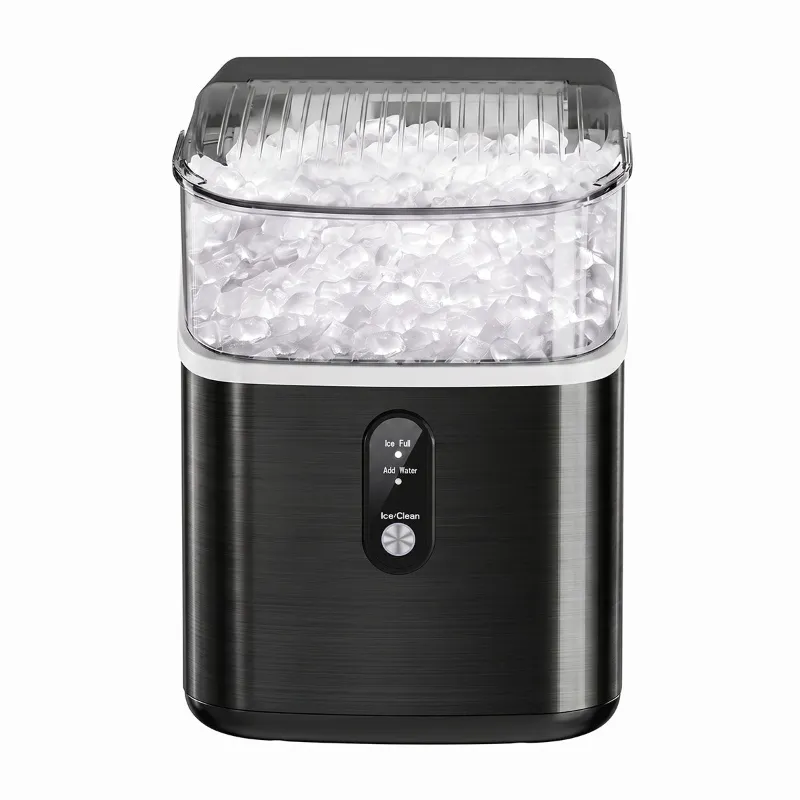
| Portable countertop, such as a nugget ice maker | Light, occasional home use | Compact and easy to move, but a lighter duty cycle than a built-in unit |
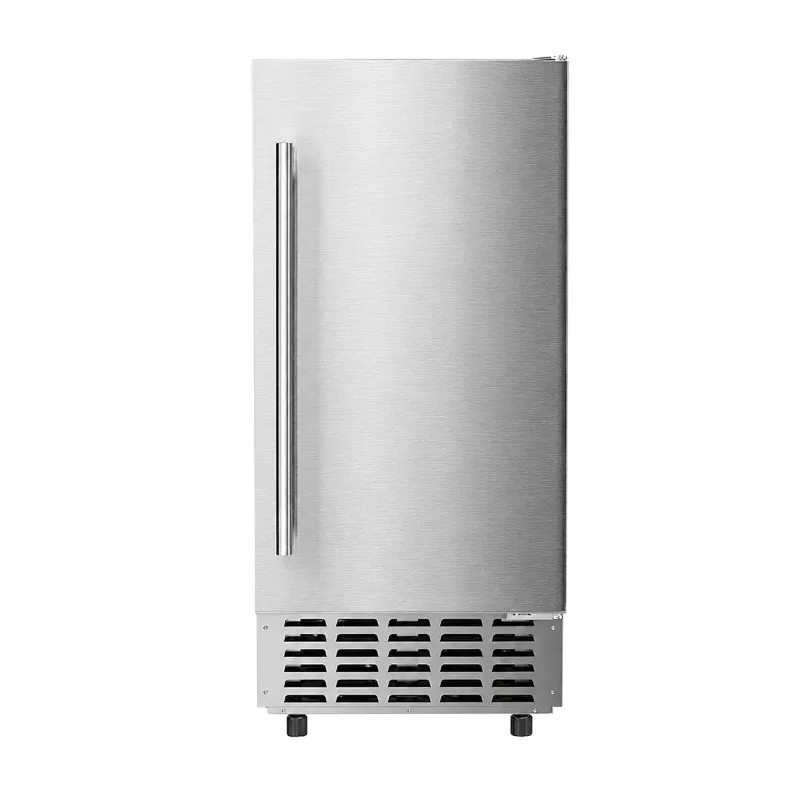
| Built-in, such as an under counter ice maker | Daily household use in one fixed spot | Higher capacity and generally built for more continuous operation than a portable unit |
| Commercial, such as a commercial nugget ice maker | Restaurant or high volume duty cycles | Built for continuous operation well beyond typical home use |
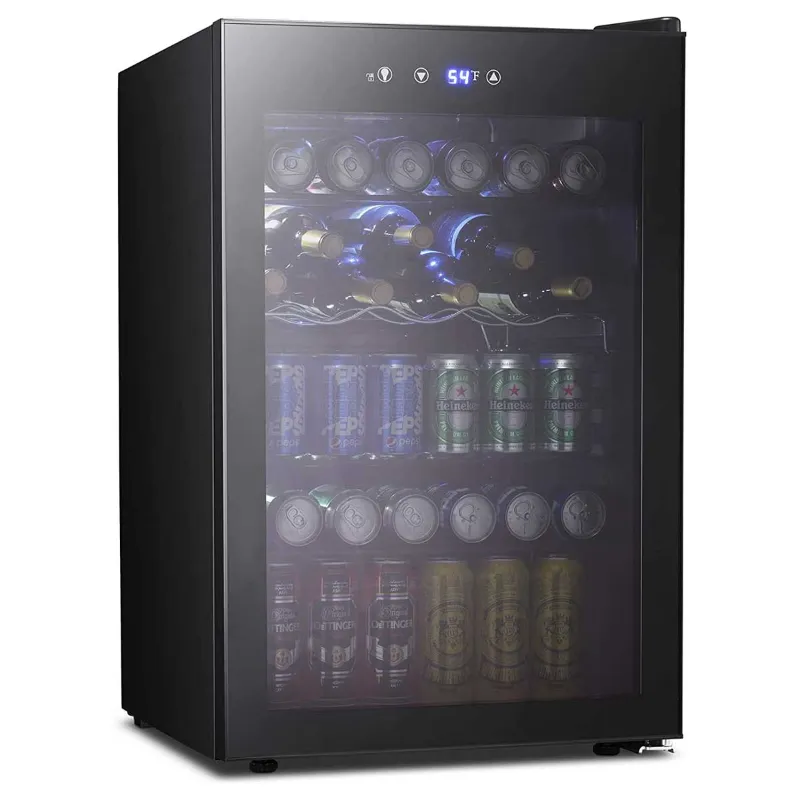
If you are outgrowing a portable unit, or running it daily at or near its limit, an under counter model is worth considering for the extra capacity. If you rarely use ice and want the counter space back, a mini beverage fridge with a small freezer section may suit you better than a dedicated ice maker.
Who Should Expect More (or Less) Life From Theirs
Your own usage pattern has more influence on how long the machine lasts than the model number does. You are more likely to get toward the longer end of what your machine is built for if you:
- Use filtered or softened water rather than untreated hard tap water
- Keep the machine in a room at a moderate, stable temperature rather than a hot garage or direct sunlight
- Run the self clean or descale cycle on a regular schedule rather than only when problems show up
- Power off and drain the unit if it will sit unused for more than a few days
You are more likely to see earlier wear if you run hard, untreated tap water without descaling, place the unit somewhere hot, or run it continuously for long stretches without any rest. None of this is unique to Kismile, it applies to countertop ice makers generally.
When to Repair or Replace
Minor issues, a clogged pump, a dirty sensor, a worn seal, are usually worth repairing, especially on a newer unit. A few signs suggest it may be time to consider a replacement instead: ice production has dropped noticeably below what the unit is rated for, the compressor runs constantly without cycling off, or a repair quote is getting close to the price of a new unit.
Watch for louder pump noise, slower ice production, or frequent sensor errors as early warning signs of wear on the pump, sensors or compressor. Keeping a simple note of cleaning dates and any error codes can help you notice a gradual decline rather than being surprised by a sudden failure.
Before you replace a unit, see the current Kismile discount code and compare a new model against the type comparison above to make sure you are buying the right category for how you actually use it.
Questions
How long does a Kismile ice maker typically last?
There is no fixed number we can honestly give, since it depends on your water hardness, how many hours a day you run it, and how consistently you clean and descale it. Machines that get regular descaling, run on filtered water, and sit in a moderate, stable environment tend to hold up better over time than ones that do not.
What causes a Kismile ice maker to fail early?
The most common causes are mineral buildup from hard water, dust collecting on the condenser coils, and worn seals on the water pump. Regular descaling and cleaning the rear vents help prevent most early failures.
Can I repair a Kismile ice maker or should I replace it?
Minor issues like a clogged pump, a dirty sensor, or a worn seal are usually worth repairing, especially on a relatively new unit. If the compressor fails, or a repair quote is getting close to the price of a new machine, replacement is usually the more sensible option.
Does using filtered water extend an ice maker's lifespan?
It should help. Filtered water carries fewer minerals, which means less scale buildup on pumps and evaporator plates, and less strain on the compressor over time. We cannot give you an exact figure for how much longer that adds to a machine's life, since that depends on how hard your untreated water is to begin with.
How often should I clean my Kismile ice maker to maximize its lifespan?
Wipe the interior weekly, run a full descaling cycle monthly, and vacuum the condenser coils quarterly. This routine addresses most of the common causes of early failure and helps keep ice production consistent.
What are the warning signs that my ice maker is wearing out?
Watch for louder pump noise, slower ice production, frequent sensor errors, or a compressor that runs continuously without cycling off. These point to wear on the pump, sensors or compressor, and are a sign it is time to look at repair or replacement.
Products in this guide
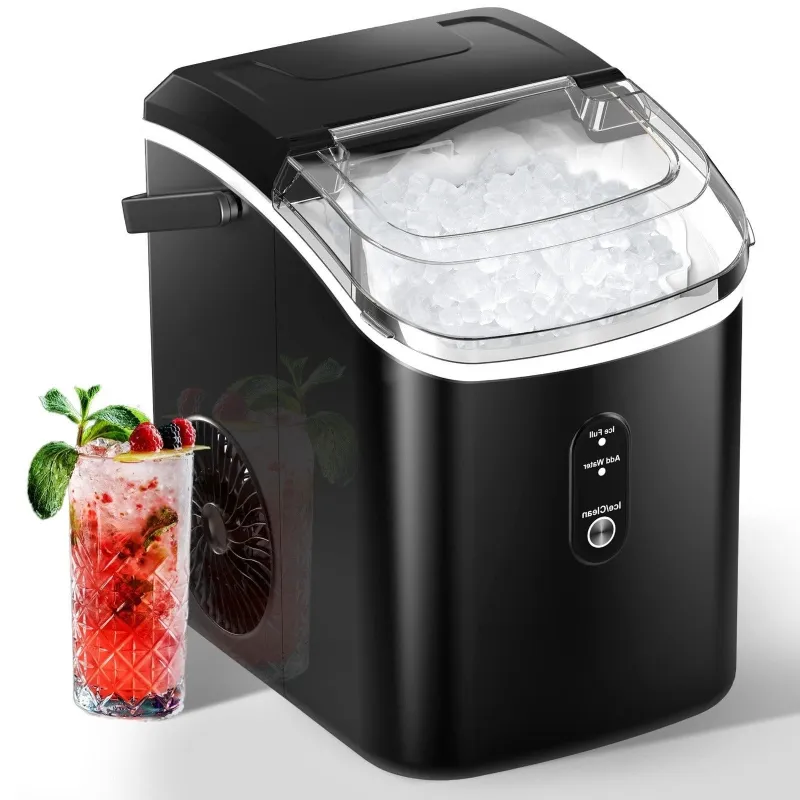
 Shopping at Kismile? See the discount code
10% OFF All Orders
Shopping at Kismile? See the discount code
10% OFF All Orders
More in this series
Best Kismile Products for Small Kitchens: Mini Freezers, Beverage Fridges, and Compact Ice Makers21 Aug 20265 min Kismile Mini Freezer Troubleshooting: Why It’s Not Cooling and How to Fix It21 Aug 20265 minDoes the Kismile Nugget Ice Maker Really Make Chick-fil-A Style Ice?21 Aug 20265 minKismile Countertop Ice Maker vs Under Counter Models: Which Is Right for Your Kitchen?21 Aug 20265 minHow to Clean and Descale Your Kismile Nugget Ice Maker for Better Performance21 Aug 20265 min