 A Kismile guide
Kismile Countertop Ice Maker vs Under Counter Models: Which Is Right for Your Kitchen?
An ice maker countertop sits on your counter and plugs into any outlet, while under counter models require permanent installation and plumbing but produce more ice daily.
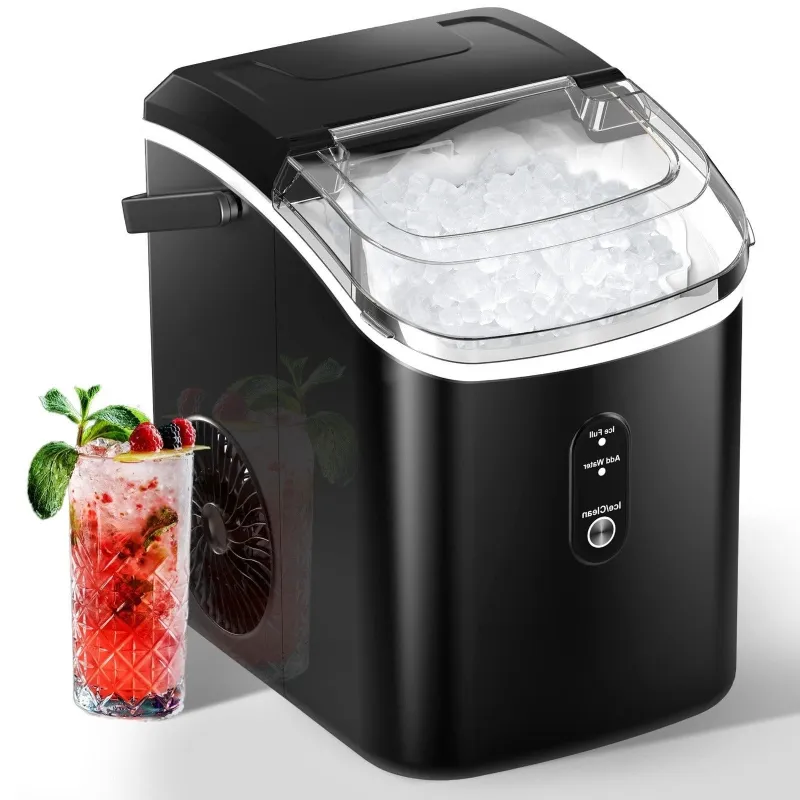
An ice maker countertop sits on your counter and plugs into any outlet, while under counter models require permanent installation and plumbing but produce more ice daily. If you’re deciding between a portable kismile ice maker and a built-in unit, the right choice depends on your kitchen layout, ice consumption, and whether you rent or own your home.
What Makes Countertop and Under Counter Ice Makers Different
The core difference is mobility versus capacity. Countertop models are plug-and-play appliances that sit beside your coffee maker or toaster. They need only a standard outlet and access to water, most have a reservoir you fill manually, though some connect to a water line. You can move them, store them, or take them to a party.
Under counter ice makers install beneath your cabinetry like a dishwasher. They connect directly to your home’s water supply and drain line, which means professional installation in most cases. Because they’re built into your kitchen, they produce significantly more ice per day and store it in larger bins. Forbes ranks several countertop models for home use, but notes that under counter units dominate in volume.
Countertop machines typically produce 26 to 40 pounds of ice daily, while under counter models often exceed 50 pounds. If you host frequently or run a home bar, that gap matters.
Installation: Plug In or Call a Plumber
A small ice maker countertop requires no installation. Unbox it, fill the reservoir, plug it in, and you’ll have ice in six to fifteen minutes. This simplicity makes countertop models ideal for renters, RV owners, or anyone who wants ice without modifying their kitchen.
Under counter models demand more commitment. You’ll need:
- A dedicated water line with a shut-off valve
- A drain connection for melted ice
- Clearance in your cabinetry, usually 15 inches wide
- Electrical access, often a GFCI outlet
- Professional installation unless you’re comfortable with plumbing
Expect installation costs between $150 and $400 if you hire a technician. The upside is a permanent appliance that doesn’t occupy counter space and refills itself automatically. The GE Appliances collection includes both types, and their specs make the installation divide clear.
Ice Production and Storage Capacity
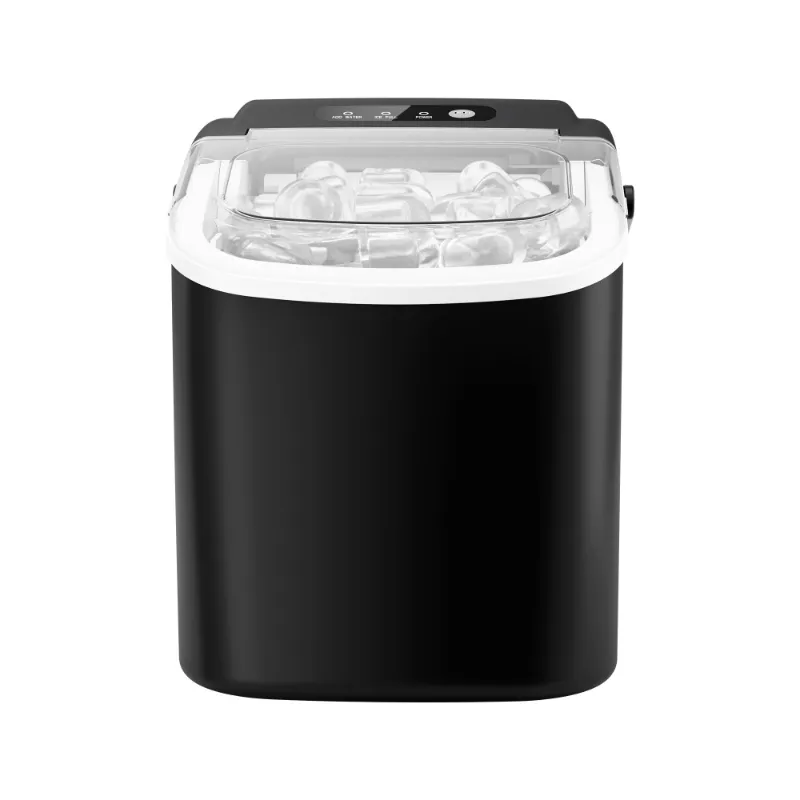
Countertop units produce ice in small batches. A typical ice machine makes nine bullet-shaped cubes every eight to ten minutes, cycling throughout the day until the bin is full. Bin capacity ranges from 1.5 to 3 pounds, enough for a few drinks but not a party. When the bin fills, the machine pauses. When ice melts, that water drains back into the reservoir or requires manual removal.
Under counter ice makers produce and store more. Daily output often reaches 60 to 80 pounds, and bins hold 20 to 35 pounds at once. Because they’re plumbed, melted ice drains automatically, and the water line keeps production continuous. If you go through multiple bags of store-bought ice each week, an under counter model pays for itself in convenience.
For chewy, restaurant-style ice, a nugget ice maker is worth considering, these are available in both countertop and under counter formats, though countertop nugget models tend to cost more and produce less than bullet-ice machines.
Price and Long-Term Cost Comparison
Here’s where budget and value diverge:
| Feature | Countertop | Under Counter |
|---|---|---|
| Unit price | $100 to $500 | $1,200 to $3,000 |
| Installation | $0 (DIY) | $150 to $400 |
| Water cost | Minimal (manual fill) | Tied to water line usage |
| Maintenance | Descale every 1 to 2 months | Annual filter + line cleaning |
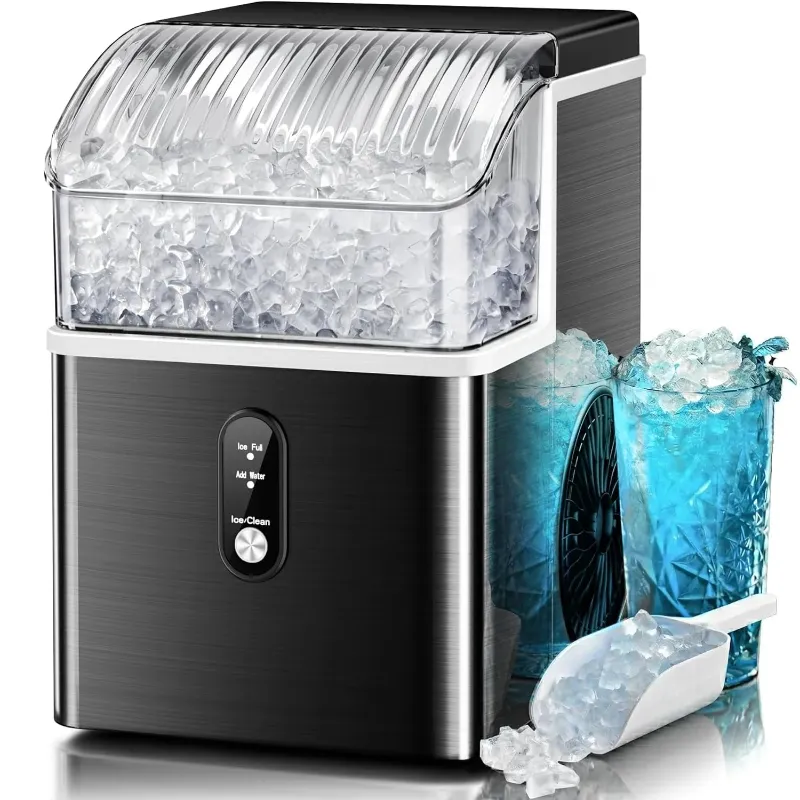
The best ice maker countertop models cluster around $200 to $350. Premium options like a sonic ice maker that produce softer ice run higher. Serious Eats tested countertop models across price tiers and found reliable performance even in mid-range units.
Under counter units start at $1,200 and climb past $2,500 for commercial-grade models. A commercial nugget ice maker built for under-counter use combines high output with chewable ice but commands a premium. Factor in installation, and your upfront cost easily triples that of a countertop machine.
Over five years, though, an under counter model saves time. No refilling, no emptying meltwater, no hauling bags from the store. For frequent entertainers or large households, that convenience justifies the investment.
Which Type Fits Your Kitchen and Lifestyle
Choose a countertop model if you:
- Rent your home or move frequently
- Use ice occasionally or for small gatherings
- Have limited budget or want to test ice-making before committing
- Need flexibility to move the machine seasonally or store it when not in use
- Want ice on demand without hiring a plumber
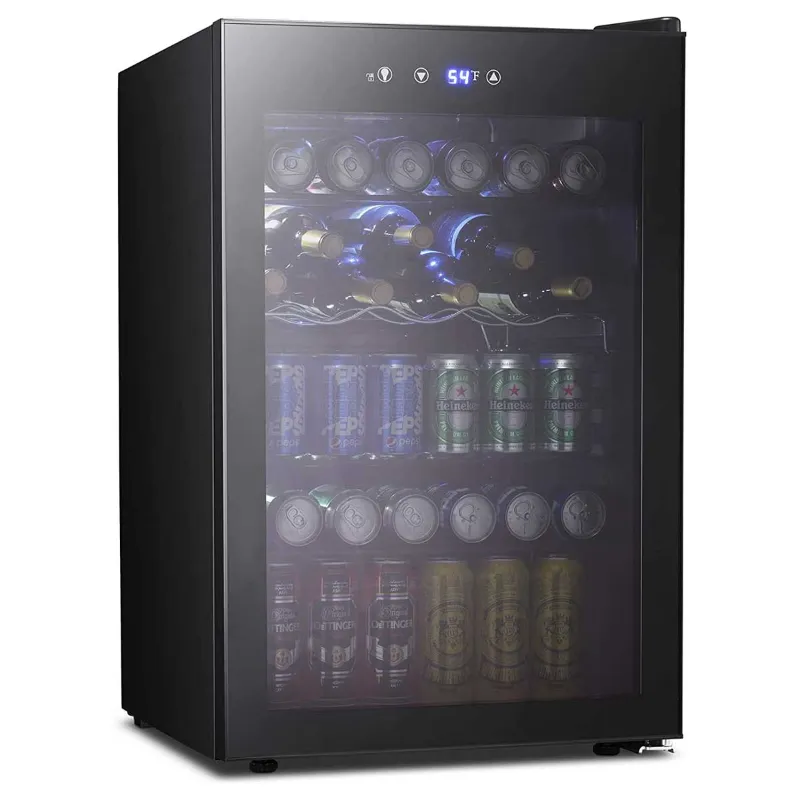
A portable ice maker countertop pairs well with a mini beverage fridge for a compact entertaining station, and you can grab the current discount code to save on both.
Choose an under counter model if you:
- Own your home and plan to stay long-term
- Host regularly or have a family that consumes ice daily
- Want a built-in look that frees up counter space
- Value automation over portability
- Already have a wet bar, outdoor kitchen, or space designed for built-ins
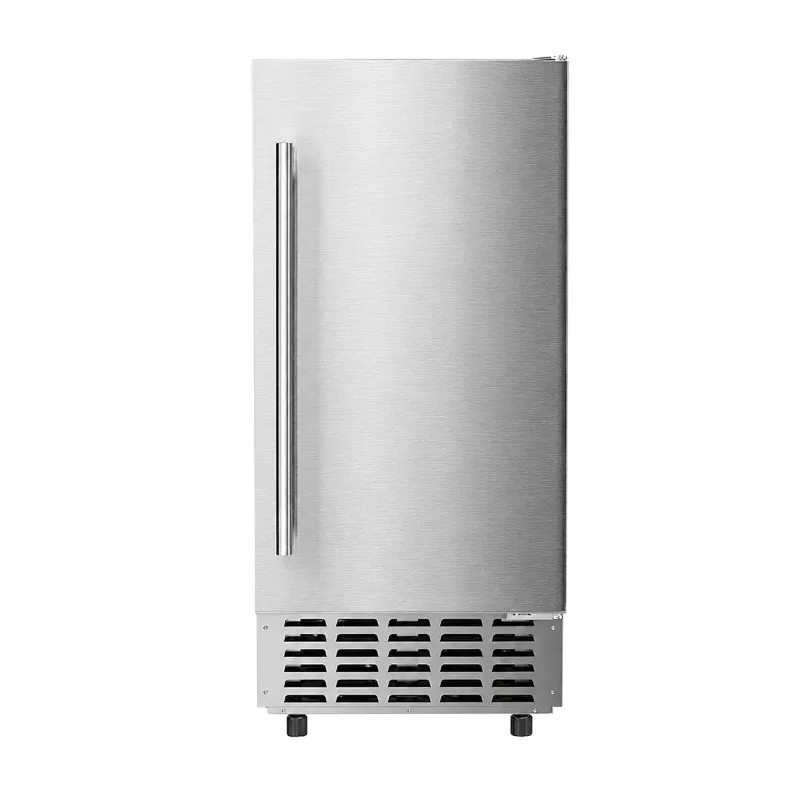
Pairing under counter ice makers with a dual zone wine refrigerator or drink refrigerator creates a self-sufficient beverage zone in a finished basement or patio kitchen.
Maintenance and Cleaning for Both Types
Countertop machines require frequent attention. You’ll clean the interior every week or two with a vinegar solution to prevent mineral buildup, and descale the unit monthly if you have hard water. An ice maker countertop cleaner speeds the process, but manual cleaning remains simple, most units have removable bins and accessible water reservoirs.
Under counter models need filter changes every six months and occasional line flushing to prevent scale in the water supply. Because they’re enclosed, mold and bacteria risk is lower, but annual professional servicing is recommended. The drain line also needs periodic inspection to avoid clogs.
Both types benefit from filtered water. Tap water works, but minerals shorten machine life and cloud your ice. If you already filter water for a mini freezer or miniature upright freezer, route the same supply to your ice maker.
Where to Buy and How to Save
Whether you choose a portable unit or a built-in, check the latest pricing and apply our exclusive code for 10% off your order. That discount stacks with seasonal promotions, so compare before you buy.
Countertop models ship quickly and arrive ready to use. Under counter units often require scheduling for delivery and installation, so plan ahead if you’re outfitting a new kitchen or renovation project. Either way, you’ll have fresh ice on demand without the last-minute store runs.
Questions
How much ice does a countertop ice maker produce per day?
Most countertop models produce between 26 and 40 pounds of ice daily, making a new batch of cubes every 8 to 15 minutes. Under counter models typically exceed 50 pounds per day.
Do I need a water line for a Kismile ice maker?
Countertop Kismile models use a refillable water reservoir, so no plumbing is required. Under counter models connect directly to your home's water supply and need professional installation.
Can I install an under counter ice maker myself?
You can if you're comfortable with plumbing and electrical work, but most homeowners hire a technician. You'll need to connect a water line, drain line, and ensure proper ventilation and clearance.
Which is better for a small kitchen, countertop or under counter?
A countertop model is usually better for small kitchens because it doesn't require permanent installation or cabinetry modifications. You can move or store it when not in use.
How often do I need to clean a countertop ice maker?
Clean your countertop ice maker every one to two weeks with a vinegar solution, and descale it monthly if you have hard water. This prevents mineral buildup and keeps ice tasting fresh.
Are nugget ice makers available in both countertop and under counter versions?
Yes, nugget ice makers come in both formats. Countertop nugget models are more affordable but produce less ice daily, while under counter versions offer higher output and built-in convenience.
Products in this guide
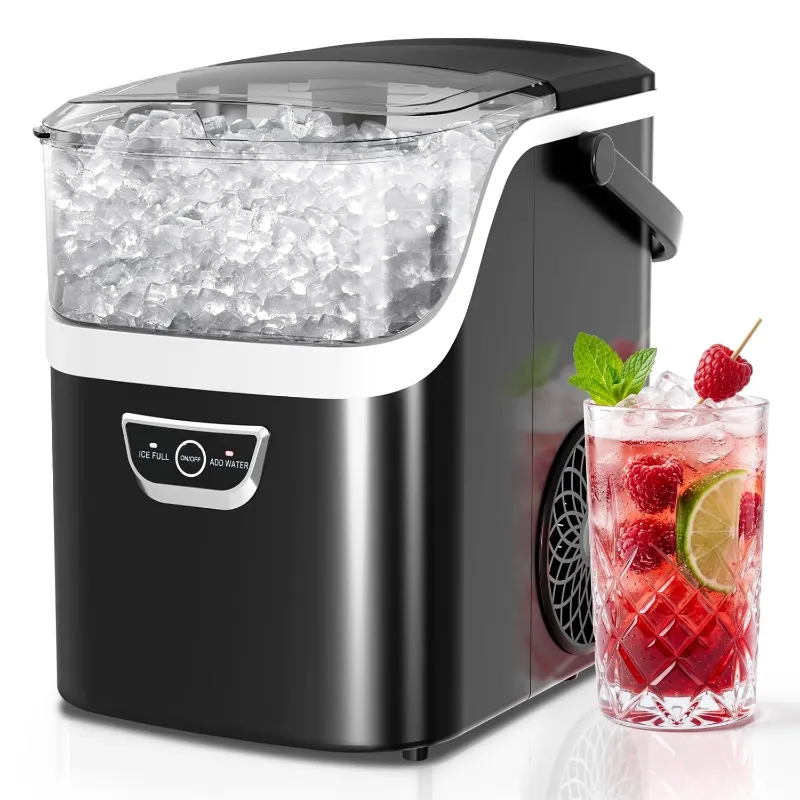
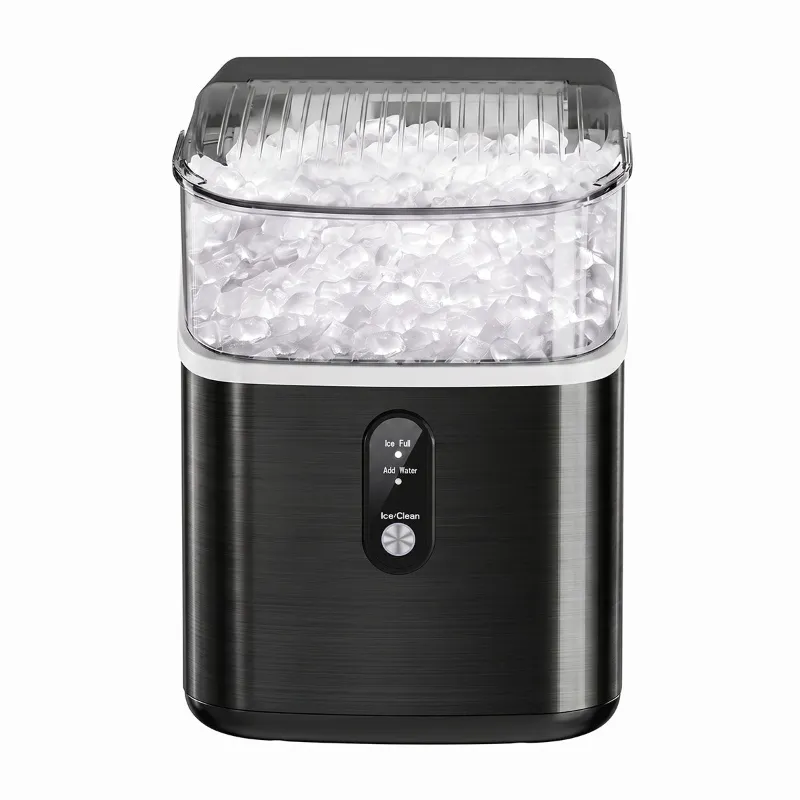 Shopping at Kismile? See the discount code
10% OFF All Orders
Shopping at Kismile? See the discount code
10% OFF All Orders
More in this series
Best Kismile Products for Small Kitchens: Mini Freezers, Beverage Fridges, and Compact Ice Makers21 Aug 20265 min Kismile Mini Freezer Troubleshooting: Why It’s Not Cooling and How to Fix It21 Aug 20265 minHow Long Does a Kismile Ice Maker Last?21 Aug 20265 minDoes the Kismile Nugget Ice Maker Really Make Chick-fil-A Style Ice?21 Aug 20265 minHow to Clean and Descale Your Kismile Nugget Ice Maker for Better Performance21 Aug 20265 min