 A Kismile guide
Kismile Mini Freezer Troubleshooting: Why It’s Not Cooling and How to Fix It
A mini freezer that stops cooling can usually be fixed by checking the door seal, clearing ventilation, adjusting the thermostat, or resetting the compressor.
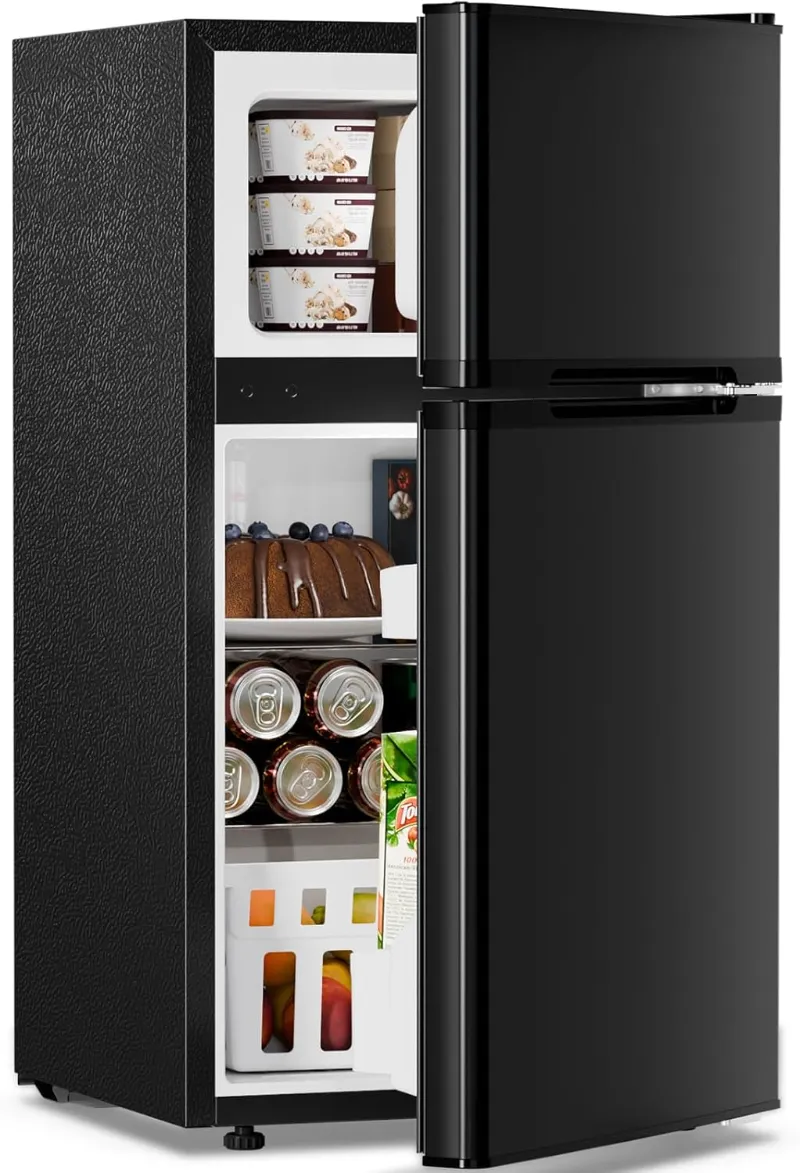
A mini freezer that stops cooling usually suffers from a door seal failure, blocked ventilation, incorrect thermostat settings, or a compressor issue. Most problems can be resolved in minutes without calling a technician, and we’ll walk you through each fix so you can get your mini freezer back to preserving food and ice.
Common Reasons Your Mini Freezer Won’t Cool
Before you panic, understand that compact freezers share a handful of failure points.
Door seal damage is the most frequent offender. A torn or dirty gasket lets warm air flood the cabinet faster than the compressor can remove it. Run your hand along the door edge while the unit is closed; if you feel air movement, the seal has failed.
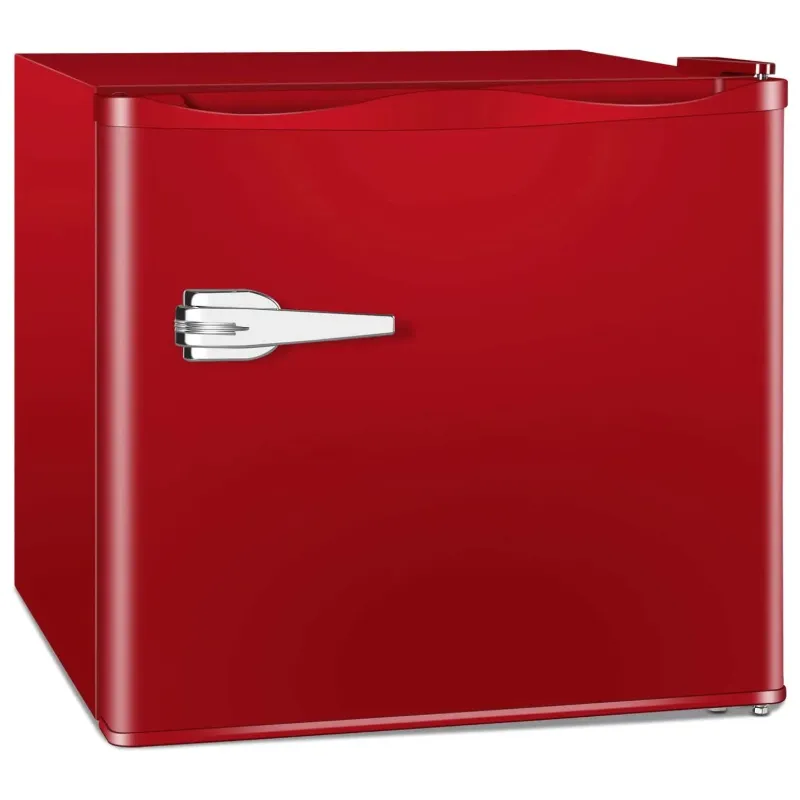
Ventilation blockage comes next. Every miniature upright freezer needs clearance around the condenser coils (usually on the back or sides). Shoving the unit flush against a wall or stacking items on top starves the compressor of airflow, causing it to overheat and shut down.
Thermostat misconfiguration is surprisingly common after a power outage or accidental bump. If the dial is set too high or the electronic control panel was reset, the compressor may not kick in at all.
Compressor relay failure and refrigerant leaks are less common but possible, especially in units older than three years. These require professional service, but you can rule out simpler causes first.
Step-by-Step Troubleshooting for a Warm Mini Freezer
Work through these fixes in order. Each step takes less than five minutes.
1. Inspect and Clean the Door Seal
Power off the freezer and open the door. Wipe the rubber gasket with warm soapy water, paying attention to folds where crumbs and spills hide. A dirty seal won’t compress properly.
Close the door on a dollar bill; if you can pull the bill out easily, the seal is weak. You can order a replacement gasket for most models online or check the latest price for a new unit if the freezer is older.
2. Clear Ventilation Zones
Pull the freezer away from the wall and examine the back panel. Dust-caked condenser coils can’t dissipate heat. Vacuum the coils gently or wipe them with a dry cloth.
Leave at least three inches of clearance on all vented sides. If you’re placing the unit under a counter, verify that the model is designed for built-in installation. Standard mini freezer upright models need open airflow.
3. Reset the Thermostat
Turn the temperature dial to the coldest setting and listen for the compressor to hum within 30 seconds. If you have a digital control, consult the manual for a factory reset sequence (often holding two buttons simultaneously for five seconds).
For units with a mechanical dial, unplug the freezer for 10 minutes, plug it back in, and set the dial to the middle position. This hard reset can clear minor electronic glitches.
4. Defrost Built-Up Ice
Excessive frost on the evaporator coils blocks airflow and insulates the interior from cold air. Unload the freezer, unplug it, and prop the door open. Place towels on the floor and let it defrost completely (two to four hours).
Once thawed, wipe the interior dry, plug the unit back in, and wait four hours before reloading food. This manual defrost often restores full cooling capacity.
5. Test the Compressor
With the freezer plugged in and set to the coldest setting, place your hand on the back panel near the compressor (the black cylinder). It should feel warm and vibrate slightly. If it’s silent and cool, the compressor relay may have failed.
You can also listen for a clicking sound every few minutes; this indicates the relay is trying to start but failing. At this point, professional repair or replacement is the most cost-effective path. Grab the code for 10% off a new model if your current unit is out of warranty.
Preventive Maintenance to Avoid Future Cooling Problems
Once your mini freezer is running again, a few habits will keep it healthy.
- Defrost every three months if your model lacks auto-defrost. Frost buildup reduces efficiency long before it causes total failure.
- Clean the condenser coils twice a year. Pet hair and kitchen dust accumulate faster than you’d expect, especially in tight spaces.
- Keep the interior organized. Overloading blocks air circulation; aim to fill no more than 80% of the capacity. The Spruce highlights the best mini freezer models for balanced storage and airflow.
- Check the door seal quarterly. Wipe it down and inspect for cracks or stiffness. A $15 replacement gasket is cheaper than a new freezer.
- Avoid extreme temperatures. Don’t place the unit in an unheated garage during winter or a sweltering attic in summer. Most compact freezers are rated for ambient temps between 50°F and 90°F.
When to Replace vs. Repair Your Mini Freezer
If you’ve worked through every troubleshooting step and the unit still won’t cool, weigh repair cost against replacement value.
Repair makes sense if the freezer is under two years old, still under warranty, and the fix is simple (relay, thermostat, or seal replacement). Call the manufacturer or an appliance technician for a diagnostic.
Replacement is smarter if the compressor has failed (repair often costs 60% to 80% of a new unit), the freezer is over five years old, or you’ve already replaced multiple components. Technology improves quickly; newer models run quieter and more efficiently.
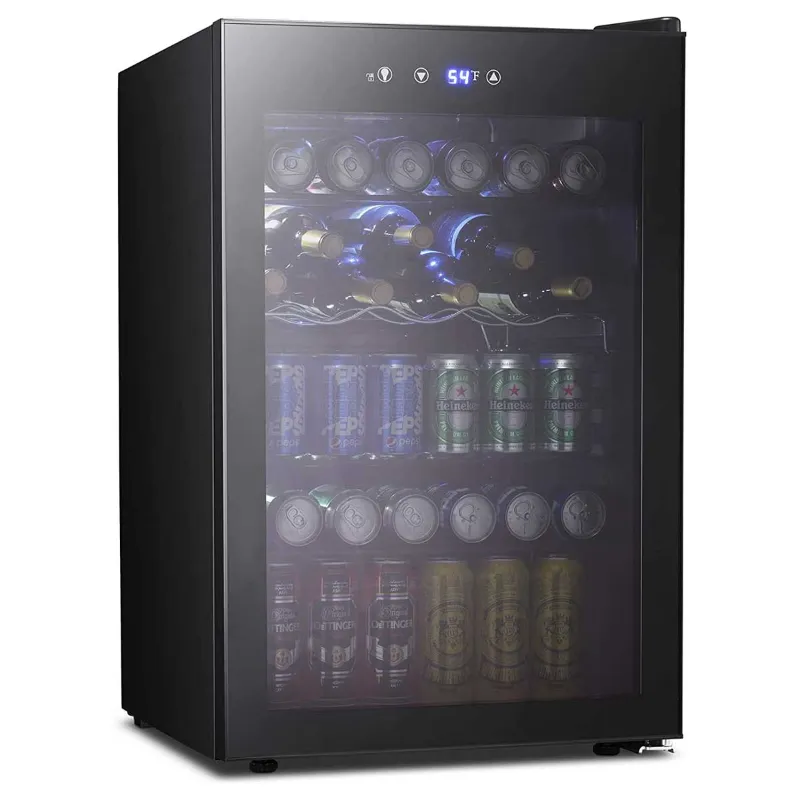
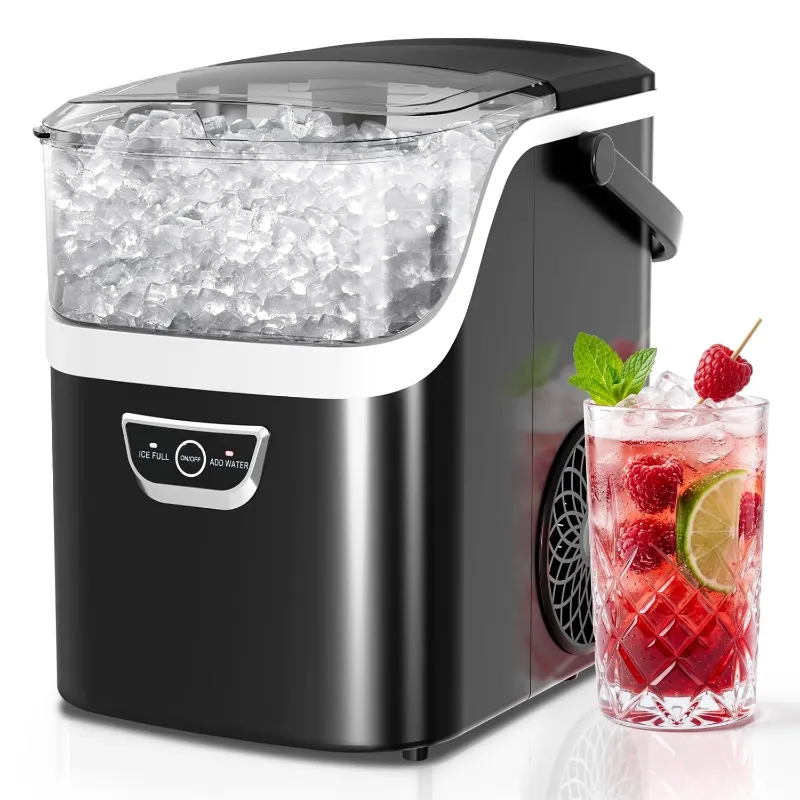
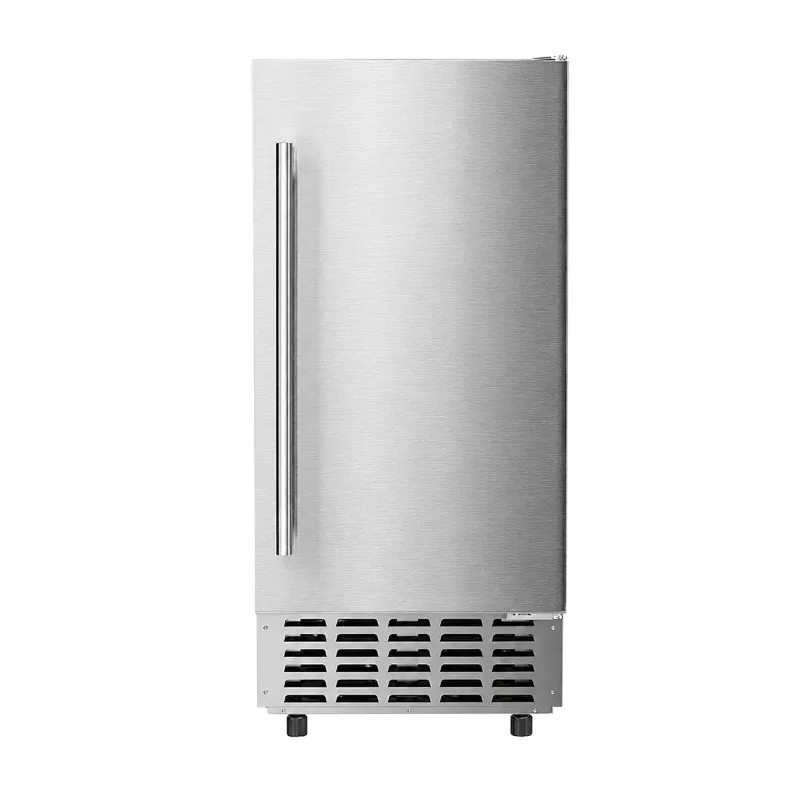
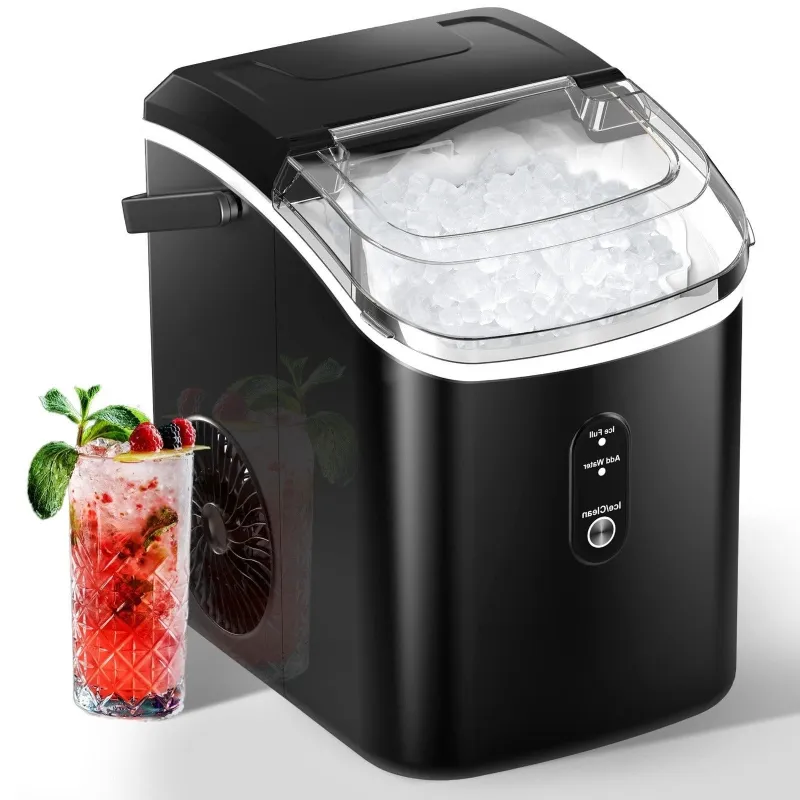
Kismile offers a range of compact cooling appliances, from the mini beverage fridge for drinks to full mini freezer upright models for serious storage. If you’re in the market for ice production instead, consider a kismile ice maker or nugget ice maker to complement your setup.
Who Benefits Most from a Mini Freezer
A working mini freezer fridge is indispensable for specific living situations.
Apartment dwellers without a full-size freezer rely on compact units for meal prep, frozen vegetables, and ice cream. A mini freezer portable model can even move from apartment to dorm to RV.
New parents storing breast milk need consistent, reliable cooling. Even a brief warm spell can spoil hours of pumping, so troubleshooting quickly matters.
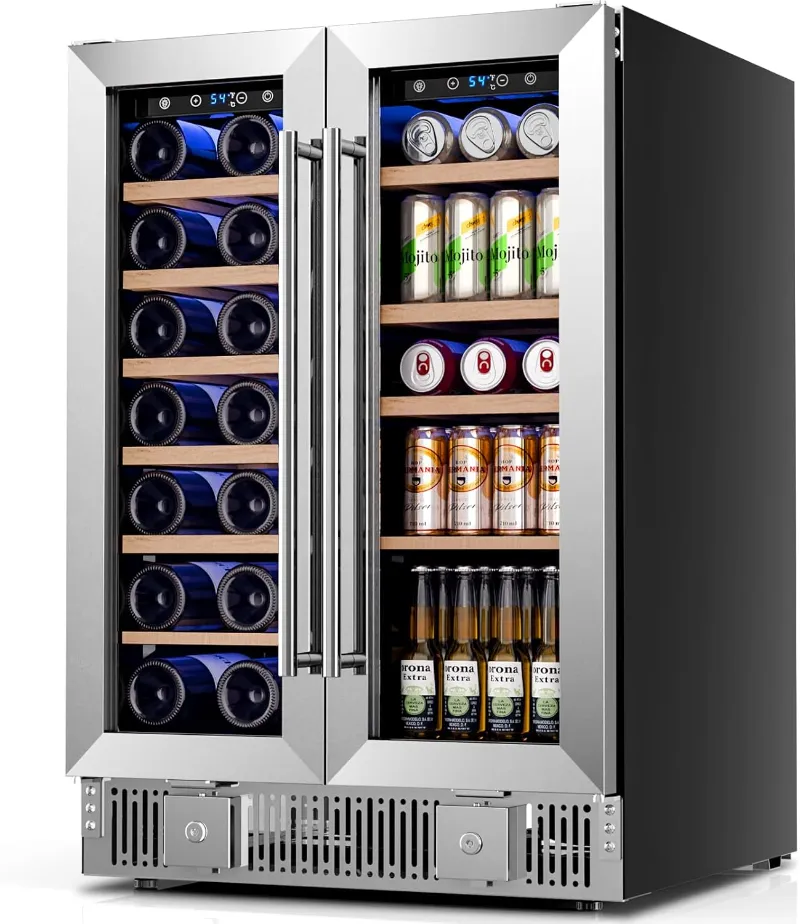
Home bar enthusiasts pair a drink refrigerator with a mini freezer chest or upright to keep cocktail ice, frozen garnishes, and chilled glassware ready. Adding an ice maker countertop completes the setup.
RV and boat owners count on mini freezer only models (no fridge compartment) to maximize frozen storage in tight quarters. Keeping the unit ventilated and level is critical in mobile environments.
Understanding your mini freezer’s quirks and acting fast when cooling falters will save you money and stress. Most issues resolve with basic cleaning and adjustment, and when replacement is necessary, shopping with our discount code ensures you get the best deal on a reliable new unit.
Questions
Why is my mini freezer running but not getting cold?
The compressor may be running but the evaporator coils are likely frosted over, blocking airflow, or the door seal is leaking warm air into the cabinet. Defrost the unit completely and inspect the gasket for damage.
How long should a mini freezer take to reach freezing temperature?
Most mini freezers need four to six hours to drop below 32°F when empty and set to the coldest setting. Adding warm food or opening the door frequently will extend this time.
Can I fix a broken mini freezer door seal myself?
Yes. Order a replacement gasket that matches your model number, remove the old seal by pulling it from the door channel, and press the new gasket into place. No tools are usually required.
What temperature should a Kismile mini freezer be set to?
Set the thermostat to maintain an internal temperature between 0°F and 5°F for safe long-term food storage. Use a fridge thermometer to verify the setting if your model lacks a digital display.
Is it worth repairing a mini freezer that won't cool?
If the unit is under three years old and the fix is a door seal or thermostat, repair is worthwhile. Compressor replacement on an older freezer typically costs more than buying a new model with a fresh warranty.
How often should I defrost my mini freezer upright?
Defrost every three months or whenever frost buildup exceeds a quarter inch on the interior walls. Regular defrosting prevents airflow blockage and keeps the compressor running efficiently.
Products in this guide
 Shopping at Kismile? See the discount code
10% OFF All Orders
Shopping at Kismile? See the discount code
10% OFF All Orders
More in this series
Best Kismile Products for Small Kitchens: Mini Freezers, Beverage Fridges, and Compact Ice Makers21 Aug 20265 minHow Long Does a Kismile Ice Maker Last?21 Aug 20265 minDoes the Kismile Nugget Ice Maker Really Make Chick-fil-A Style Ice?21 Aug 20265 minKismile Countertop Ice Maker vs Under Counter Models: Which Is Right for Your Kitchen?21 Aug 20265 minHow to Clean and Descale Your Kismile Nugget Ice Maker for Better Performance21 Aug 20265 min