 A Kismile guide
How to Clean and Descale Your Kismile Nugget Ice Maker for Better Performance
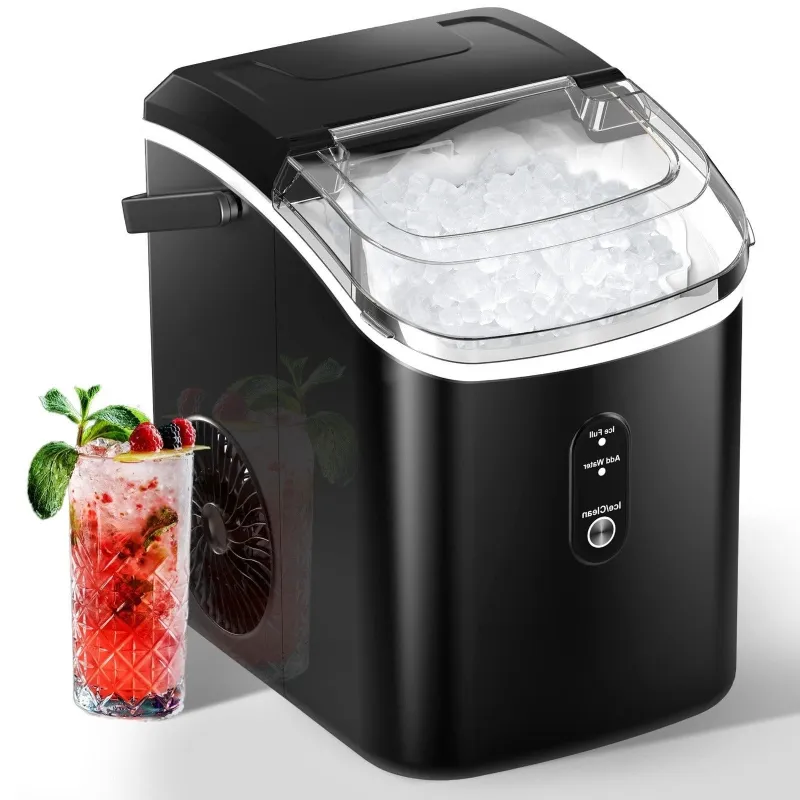
Regular cleaning and descaling of your kismile nugget ice maker prevents mineral buildup, keeps ice tasting fresh, and extends your machine's lifespan.
Your kismile nugget ice maker needs regular cleaning and descaling to maintain peak performance and produce the best-tasting ice. Mineral deposits, mold, and residue from tap water will accumulate over time, reducing efficiency and affecting ice quality.
Why Regular Cleaning Matters for Your Ice Machine
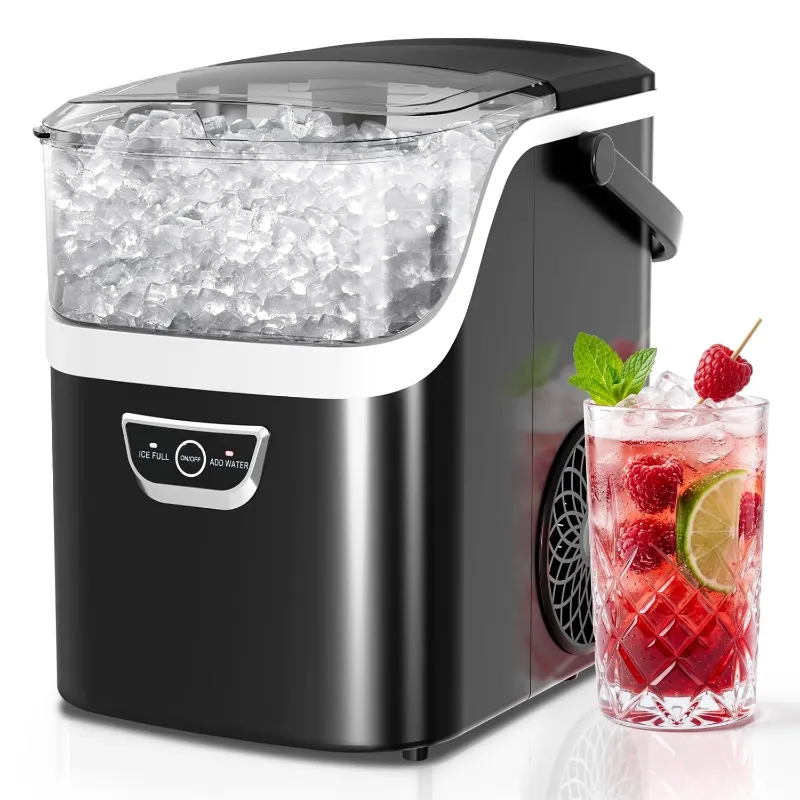
Neglecting maintenance on any kismile ice maker leads to problems fast. Hard water leaves calcium and lime scale inside the water reservoir, pump, and evaporator, which forces the compressor to work harder and slows ice production. Stagnant water in the tank creates a breeding ground for bacteria and mold that transfer directly to your ice.
These are warning signs that a machine needs attention:
- Ice tastes stale, metallic, or smells musty
- Production slows or ice forms in irregular shapes
- White or brown buildup visible in the water tank
- Machine runs louder than usual or displays error codes
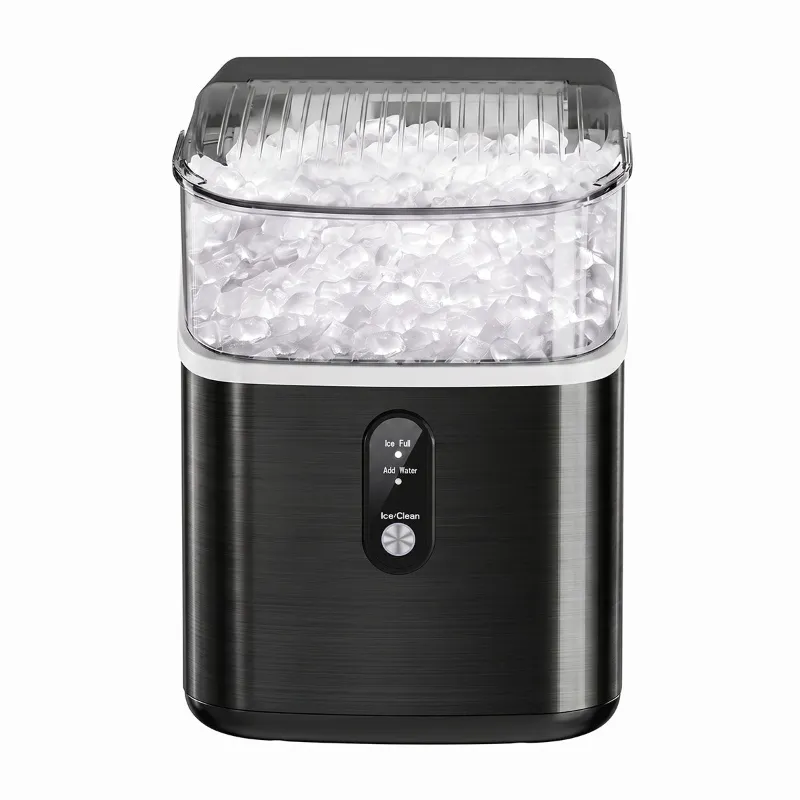
According to the kismile ice maker manual, cleaning every seven to ten days and descaling monthly prevents most performance issues. If you use your nugget ice maker daily or have particularly hard water, increase the frequency to weekly descaling.
Step-by-Step Cleaning Process for Kismile Nugget Ice Makers
Start with a basic clean before moving to descaling. This removes surface grime and prepares the system for deeper treatment.
What you need:
- Mild dish soap
- Warm water
- Soft cloth or sponge
- Small brush (a toothbrush works well)
- White vinegar or commercial ice machine cleaner
Basic cleaning routine:
- Unplug the machine and remove any remaining ice from the basket
- Pull out the ice basket and drain plug to empty all water from the reservoir
- Wash the ice basket and scoop with warm soapy water, rinse thoroughly, and air dry
- Wipe down the interior water tank with a damp cloth, reaching corners where mold hides
- Clean the exterior with a soft cloth; avoid abrasive cleaners that scratch surfaces
- Inspect the water filter (if equipped) and replace according to the schedule in your kismile nugget ice maker manual
This quick clean takes about ten minutes and keeps everyday buildup under control. For the stubborn mineral deposits that affect performance, you need to descale.
How to Descale Your Kismile Countertop Ice Maker
Descaling dissolves the mineral scale that tap water leaves behind. We prefer white vinegar for home use because it is safe, effective, and affordable. Commercial descaling solutions work faster but cost more.
Vinegar descaling method:
- Mix a solution of one part white vinegar to one part water (about two cups of each for most countertop models)
- Pour the mixture into the water reservoir
- Plug in the machine and run a complete ice-making cycle, but discard the ice produced during this cleaning cycle
- Let the vinegar solution sit in the system for 15 to 20 minutes to break down scale
- Drain the solution completely through the drain plug
- Rinse by running two or three cycles with fresh water only, discarding that ice as well
- Wipe down all surfaces once more and inspect for remaining deposits
Stubborn buildup in tight spaces around the evaporator rods may need a soft brush dipped in vinegar solution. Never use metal scrapers or harsh chemicals that can damage the coating on ice-making components.
If you are shopping for a new unit and want easier maintenance, check the latest models that include self-cleaning cycles. You still need to descale manually, but automated rinse modes reduce daily hands-on work.
Kismile Ice Maker Troubleshooting After Cleaning
Sometimes cleaning reveals underlying issues or the machine behaves differently immediately after maintenance. Here are solutions to common post-cleaning problems:
Ice production does not resume: Ensure the water reservoir is filled to the minimum line and the drain plug is fully seated. Some models require a full reset (unplug for 30 seconds) after deep cleaning.
Ice tastes like vinegar: You did not rinse thoroughly enough. Run three more cycles with fresh water and discard that ice. The taste will disappear once all vinegar residue is flushed.
Water leaks from the bottom: Check that the drain plug is tightened completely and inspect the rubber seal for damage. A cracked seal needs replacement before you use the machine again.
Error codes appear: Consult your kismile ice maker troubleshooting section in the manual. Most error codes after cleaning relate to sensors detecting residual moisture or air in the lines, which clears after one or two cycles.
For machines that still underperform after thorough cleaning and descaling, the issue may be mechanical rather than maintenance-related. Worn pumps, failing compressors, or damaged evaporators require professional service or replacement.
Maintenance Schedule and Best Practices
Consistency prevents problems. We recommend this schedule based on typical home use:
| Task | Frequency | Time Required |
|---|---|---|
| Empty and wipe reservoir | Daily | 2 minutes |
| Full interior cleaning | Weekly | 10 minutes |
| Descaling with vinegar | Monthly | 30 minutes |
| Deep clean and inspection | Quarterly | 45 minutes |
Adjust timing based on your water quality. If you notice white residue forming in less than a month, descale every two to three weeks instead. Installing an inline water filter before the machine dramatically reduces mineral buildup and extends time between descaling sessions.
Tips to reduce cleaning frequency:
- Use filtered or distilled water instead of straight tap water
- Empty the reservoir when not using the machine for more than 24 hours
- Keep the machine in a cool, dry location away from heat sources
- Leave the lid open for an hour after cleaning to let everything dry completely
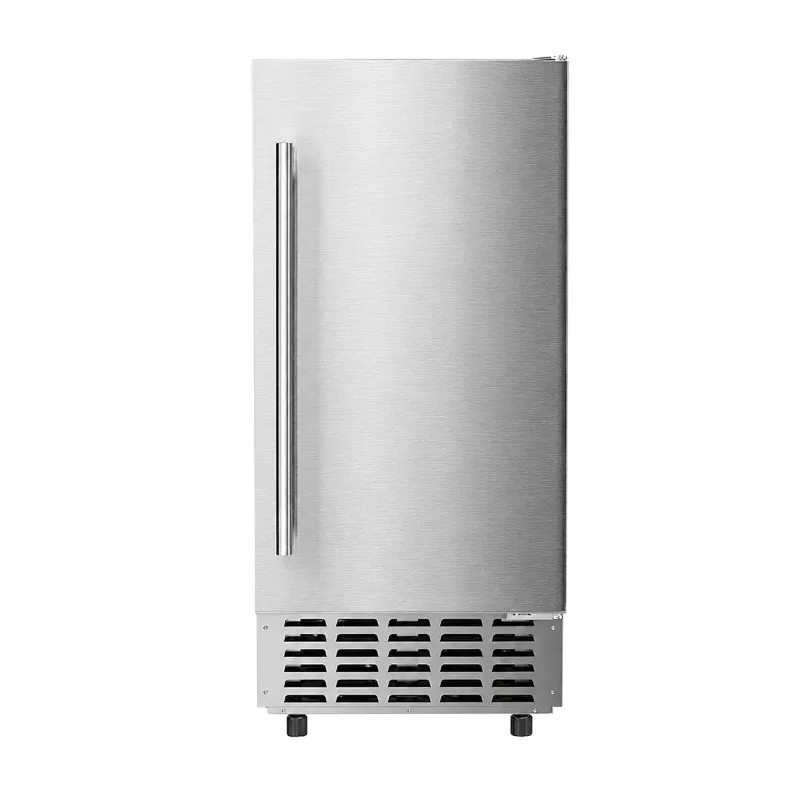
These habits take seconds but make a measurable difference in how often you need to scrub and descale. The same maintenance principles apply whether you own a compact home model or a commercial nugget ice maker for business use, though commercial units often include more robust filtration systems.
When to Replace vs. Repair Your Ice Maker
Even with perfect maintenance, machines eventually wear out. Replace rather than repair when cleaning no longer restores performance or when repair costs approach the price of a new unit.
Signs it is time to replace:
- Ice production drops below 50% of rated capacity even after descaling
- Loud grinding or clicking noises that cleaning does not resolve
- Frequent compressor cycling or failure to cool properly
- Cracks in the water reservoir or ice basket
- Rust or corrosion on interior metal components
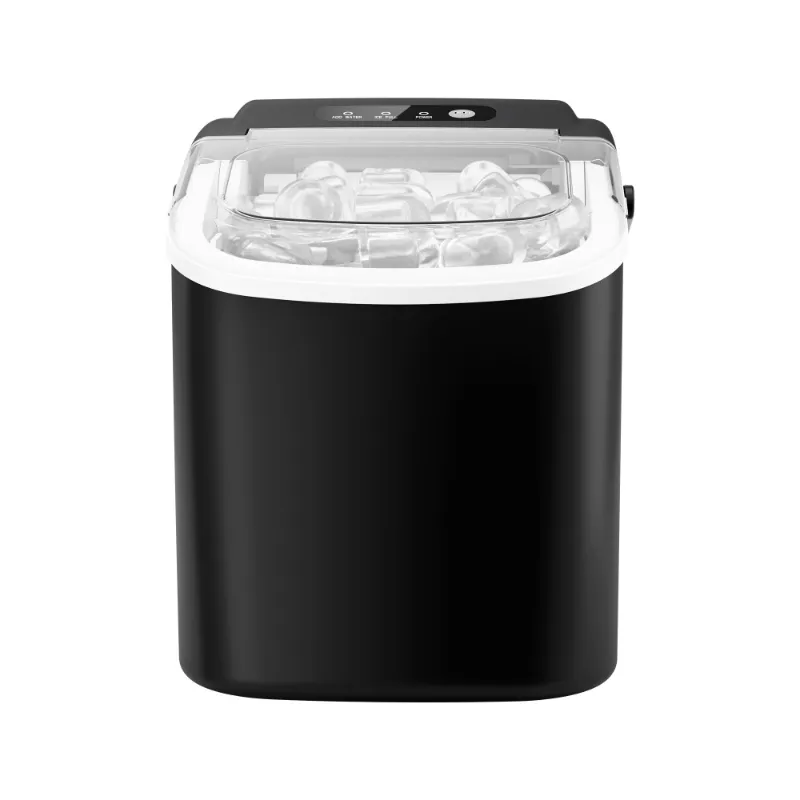
Before you replace, grab the current discount code to save on a new ice machine or upgraded model with better features. Kismile frequently updates their lineup with improved pumps, quieter compressors, and easier-to-clean designs based on user feedback from kismile nugget ice maker reviews.
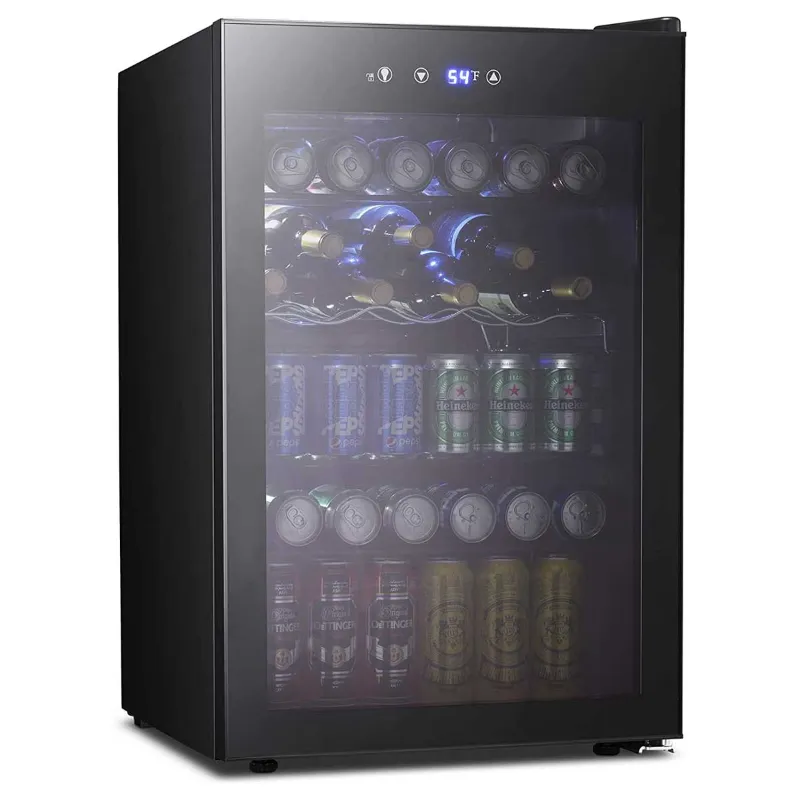
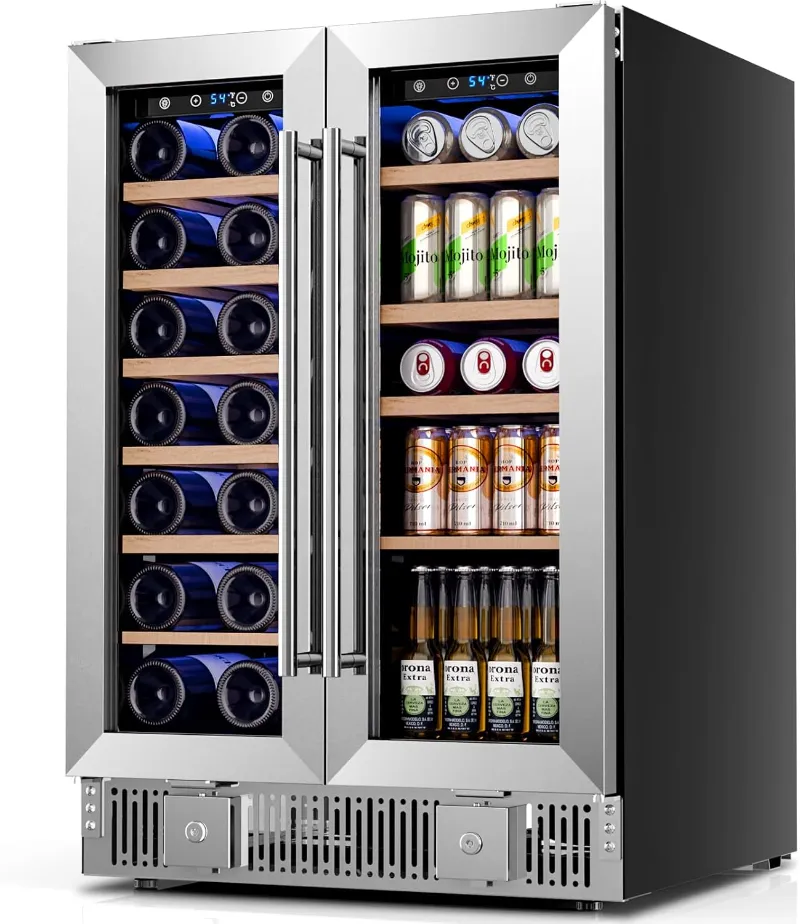
For households that also need cold storage for drinks or snacks alongside ice production, consider pairing your ice maker with a mini beverage fridge or drink refrigerator to create a complete beverage station. Proper maintenance on all your countertop appliances ensures they work together efficiently for years.
Regular cleaning and descaling are the simplest ways to protect your investment and enjoy perfect nugget ice every day. Set a monthly reminder, keep vinegar and a soft brush handy, and your machine will reward you with consistent performance and great-tasting ice.
Questions
How often should I clean my Kismile nugget ice maker?
Clean your machine weekly with soap and water, and descale monthly using a vinegar solution. If you have hard water or use the machine daily, increase descaling to every two to three weeks.
Can I use bleach to clean my ice maker?
No, avoid bleach and harsh chemicals that can damage internal components and leave dangerous residue. Stick to white vinegar, mild dish soap, or commercial ice machine cleaners designed for food-grade equipment.
Why does my ice taste bad even after cleaning?
Bad-tasting ice after cleaning usually means you did not rinse thoroughly enough, or your tap water quality is poor. Run several more fresh water cycles to flush residue, and consider switching to filtered or distilled water.
What is the white buildup inside my ice maker?
White buildup is mineral scale from calcium and lime in tap water. Descale your machine with a 1:1 vinegar and water solution monthly to dissolve these deposits and restore performance.
How long does descaling an ice maker take?
Descaling takes about 30 minutes total, including running the vinegar solution through a cycle, letting it sit for 15 to 20 minutes, draining, and rinsing with fresh water two or three times.
Do I need to clean my ice maker if I use filtered water?
Yes, even filtered water leaves some mineral residue and organic material over time. Filtered water reduces how often you need to descale, but you still need regular weekly cleaning to prevent mold and bacteria growth.
Products in this guide
 Shopping at Kismile? See the discount code
10% OFF All Orders
Shopping at Kismile? See the discount code
10% OFF All Orders
More in this series
Best Kismile Products for Small Kitchens: Mini Freezers, Beverage Fridges, and Compact Ice Makers21 Aug 20265 min Kismile Mini Freezer Troubleshooting: Why It’s Not Cooling and How to Fix It21 Aug 20265 minHow Long Does a Kismile Ice Maker Last?21 Aug 20265 minDoes the Kismile Nugget Ice Maker Really Make Chick-fil-A Style Ice?21 Aug 20265 minKismile Countertop Ice Maker vs Under Counter Models: Which Is Right for Your Kitchen?21 Aug 20265 min