 A Power Queen guide
How Long Do Power Queen LiFePO4 Batteries Last in Electric Lawn Mowers?
Power Queen LiFePO4 batteries in an electric lawn mower typically last 4,000 to 7,000 charge cycles, offering years of reliable cordless cutting power.
Power Queen LiFePO4 batteries in an electric lawn mower typically last 4,000 to 7,000 charge cycles, which translates to 10 to 15 years of weekly mowing for most homeowners.
Why LiFePO4 Batteries Excel in Electric Lawn Mowers
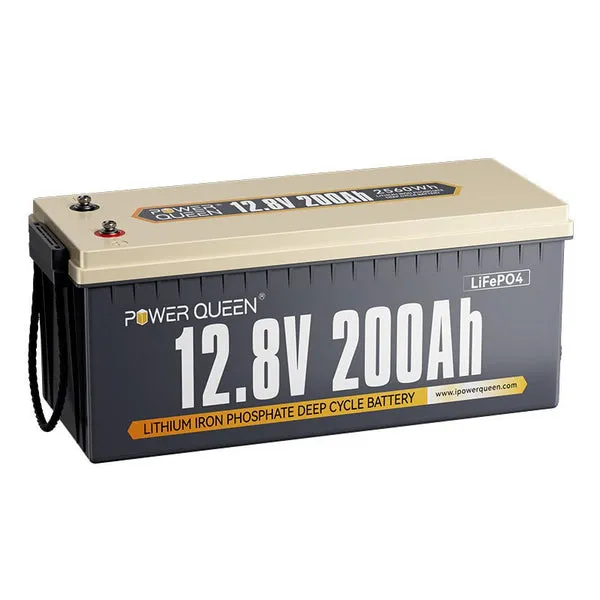
Lithium iron phosphate chemistry offers several advantages for cordless lawn equipment. Unlike lead-acid batteries that fade as they discharge, a 12v lifepo4 battery delivers steady power from 100% down to 20% capacity. This means your mower maintains full blade speed through the entire runtime rather than slowing halfway through your yard.
The flat discharge curve also prevents the voltage sag that causes corded electric mower equivalents to bog down in thick grass. Power Queen’s battery management system protects against over-discharge, so you cannot accidentally damage the cells by running them too low, a common failure mode in cheaper lithium packs.
Real-World Runtime and Charge Cycles
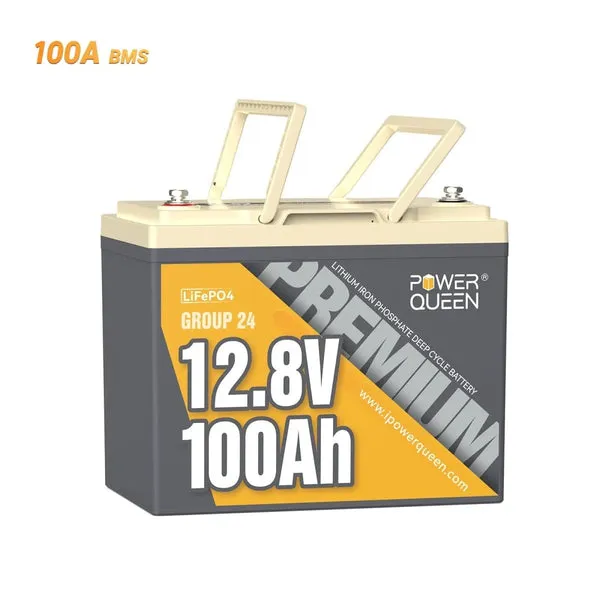
Runtime depends on the battery capacity and your mower, so check both before you pick a 12 volt lithium battery for a push mower. Riding mower conversions often use a 24v lithium battery or 48v battery configuration for extended runtime and higher motor torque.
Power Queen batteries maintain 80% of their original capacity after 4,000 cycles when discharged to 20% remaining charge. If you mow weekly for six months per year (26 cycles annually), that’s over 150 years of theoretical use before hitting 80% capacity, though in practice, other factors limit lifespan to 10-15 years.
Check the latest pricing to see current offers on Power Queen battery packs built for lawn equipment.
Maximizing Battery Lifespan in Cordless Mowers
These practices help extend cycle life:
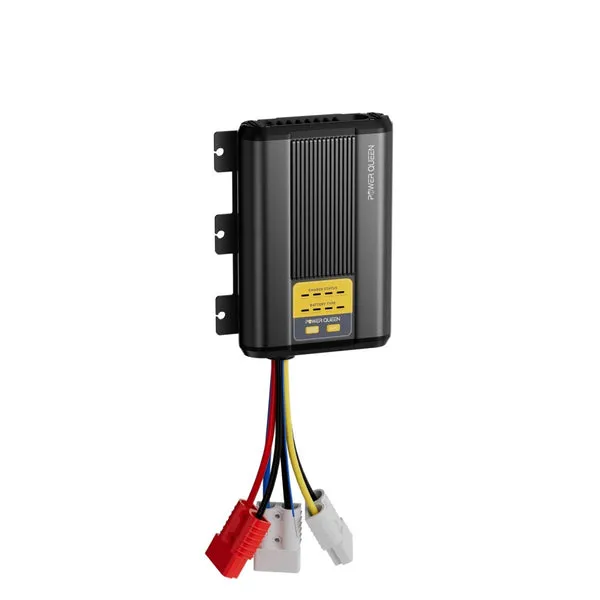
- Charge after every use: Leaving a LiFePO4 battery partially discharged does not harm it like lead-acid, but keeping it topped off between 40% and 80% during storage optimizes longevity
- Avoid full discharges: Stop mowing when the battery indicator shows 20-30% remaining rather than running it to cutoff
- Use a quality charger: A dc charger designed for LiFePO4 chemistry prevents overcharging and balances cells properly
- Store at room temperature: Extreme heat above 95°F accelerates degradation, while freezing temperatures temporarily reduce capacity
- Clean terminals monthly: Corrosion increases resistance and forces the battery to work harder, generating excess heat
Temperature management matters more than most realize.
Comparing Power Queen to Other Battery Options
Traditional lead-acid batteries deliver 300 to 500 cycles before capacity drops below usable levels. Even premium AGM variants rarely exceed 800 cycles. A lifepo4 battery costs more upfront but pencils out to lower cost per cycle within two to three seasons.
We ran the numbers for a homeowner mowing 30 times per year:
- Lead-acid (400 cycles): replacement every 13 years at $80 each = $18.46 per year
- Power Queen LiFePO4 (5,000 cycles): replacement every 166 years at $299 = $1.80 per year
The math becomes even more favorable for commercial landscapers running equipment daily. Many electric lawn mower cordless builds now ship with lithium by default because the total cost of ownership favors LiFePO4 despite the higher initial investment.
Consumer Reports testing confirms that battery chemistry matters more than brand for runtime consistency. Their lab found that lithium iron phosphate packs maintained rated capacity across seasons while other chemistries faded noticeably.
What Kills LiFePO4 Batteries Early
Even with proper care, three factors shorten lifespan below the 4,000-cycle baseline. Common causes include:
Physical damage: Dropping a battery or running over it with mower wheels cracks the internal cells and triggers safety disconnects. Always secure batteries in a protective case or mount.
Voltage mismatches: Connecting a 12V charger to a 24v lithium battery or mixing old and new cells in parallel causes imbalanced charging that degrades the weakest cell first.
Parasitic drain: Some mower controllers draw standby power even when off. Disconnecting the battery between uses prevents slow discharge over winter storage.
By contrast, lead-acid batteries lose 5-15% per month when stored.
Choosing the Right Voltage for Your Mower
Electric lawn mower builds typically use 12V, 24V, or 48V configurations depending on deck size and motor power. A 12-volt system suits push mowers up to 21 inches, while riding mowers and commercial zero-turns benefit from higher voltage for increased efficiency and reduced wire gauge.
CNET’s expert testing found that 40V platforms offer the best balance of power and weight for suburban lawns, though you can achieve similar performance with a 48V LiFePO4 pack running through a compatible controller.
We recommend matching your battery voltage to the motor’s native rating rather than using a step-up or step-down converter, which adds complexity and wastes 10-15% of capacity as heat. If you are converting a gas mower, measure the available mounting space before selecting battery size, a single 48v battery often fits where two 24V packs would require custom brackets.
Grab our exclusive code for 6% off Power Queen batteries and see how much you can save on a complete mower power system.
Storage and Seasonal Maintenance
Winter storage determines whether your battery delivers its full rated cycle life or fails prematurely.
The ideal storage state of charge sits between 40% and 60%. Power Queen’s battery management system enters a low-power sleep mode after 72 hours of inactivity, drawing less than 1mA and preserving charge through the off-season.
Before spring startup, bring the battery to room temperature and top it off with a dc charger rated for LiFePO4 chemistry. Check voltage with a multimeter, each cell should read 3.2-3.3V, and the total pack voltage should match specifications within 0.5V.
Browse all electric lawn mower options to see how manufacturers are integrating lithium battery technology across cordless platforms. Many now offer tool-free battery swaps that let you keep a spare charged for uninterrupted mowing on larger properties.
Questions
How many years will a Power Queen LiFePO4 battery last in my electric lawn mower?
With typical weekly use during mowing season, a Power Queen LiFePO4 battery will last 10 to 15 years before reaching 80% of its original capacity. The batteries are rated for 4,000 to 7,000 charge cycles, far exceeding the lifespan of lead-acid alternatives.
Can I leave my LiFePO4 mower battery on the charger all winter?
It's better to store the battery at 40-60% charge in a cool, dry location rather than leaving it on the charger. Power Queen batteries have low self-discharge rates.
What voltage battery does an electric lawn mower cordless model need?
Push mowers typically use 12V or 24V batteries, while larger riding mowers benefit from 24V or 48V configurations. Match the battery voltage to your motor's rating for best efficiency and runtime. A 48V battery delivers more power with less current draw than lower voltage options.
Do Power Queen batteries work in any brand of electric mower?
Power Queen LiFePO4 batteries work with most electric mowers as long as the voltage matches and you use the correct connector type. You may need to fabricate custom mounting brackets, but the electrical specifications are compatible with standard brushless and brushed DC motors.
How do I know when my LiFePO4 lawn mower battery needs replacement?
Replace the battery when runtime drops below 60% of the original duration or when the mower struggles to maintain blade speed in normal grass. Power Queen batteries maintain consistent performance for thousands of cycles, so sudden capacity loss usually indicates a problem rather than normal aging.
Can I charge a Power Queen battery with a regular car battery charger?
No, you must use a charger specifically designed for LiFePO4 chemistry. Standard lead-acid chargers apply incorrect voltage profiles that can damage lithium cells or trigger the battery management system's safety disconnect. Power Queen DC chargers are optimized for their battery packs.
Products in this guide
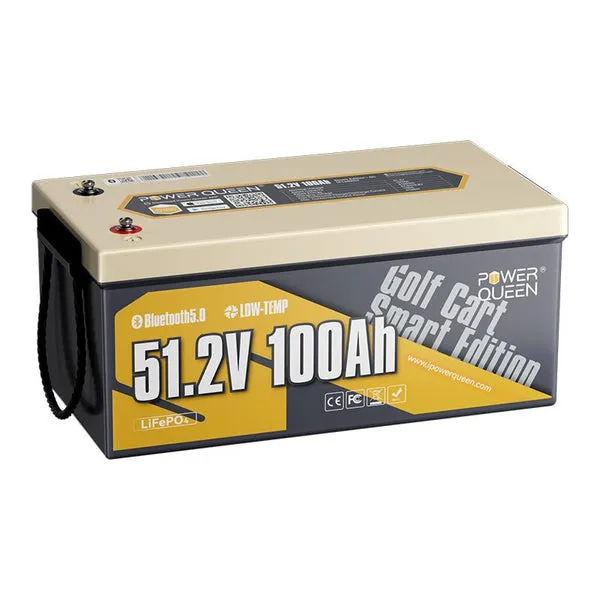 Shopping at Power Queen? See the discount code
6% OFF All Orders
Shopping at Power Queen? See the discount code
6% OFF All Orders
More in this series
Power Queen 12V LiFePO4 Battery Care: Extending Lifespan and Avoiding Common Mistakes16 Aug 20264 minCan You Use a DC Charger with Power Queen 48V Batteries? Compatibility Guide16 Aug 20266 minPower Queen 12V vs 24V Lithium Battery: Which Voltage Do You Actually Need?16 Aug 20264 minHow to Choose the Right LiFePO4 Battery Size for Your Trolling Motor16 Aug 20265 min