 A Power Queen guide
How to Choose the Right LiFePO4 Battery Size for Your Trolling Motor
Choosing the right LiFePO4 battery size for your trolling motor depends on matching voltage requirements, calculating amp-hour capacity for your desired runtime, and understanding your motor's thrust draw.
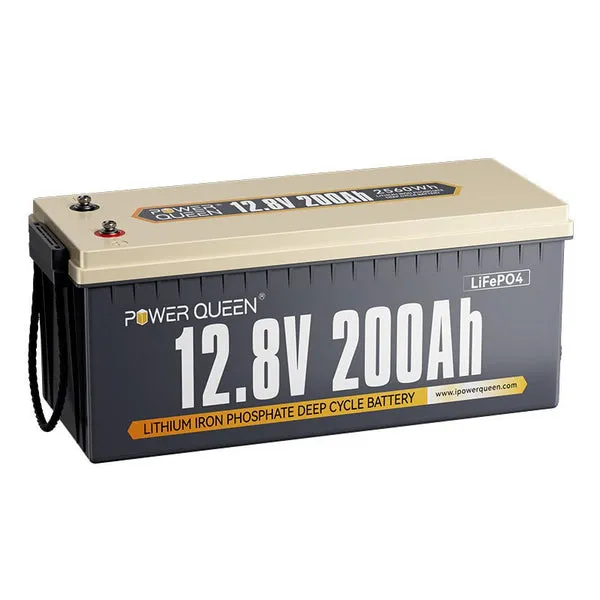
The right LiFePO4 battery for your trolling motor matches your motor’s voltage, delivers enough amp hours for your fishing day, and fits your boat’s weight budget. Most kayak and small boat setups run on 12V systems, while larger motors demand 24V or 36V configurations for higher thrust and efficiency.
A trolling motor is an electric outboard designed for quiet, precise boat control, and pairing it with the correct battery chemistry and capacity transforms your experience from constant range anxiety to confident all-day operation.
Match Voltage to Your Trolling Motor System
Voltage compatibility is non-negotiable. Check your motor’s nameplate or manual for its voltage rating, then match it exactly.
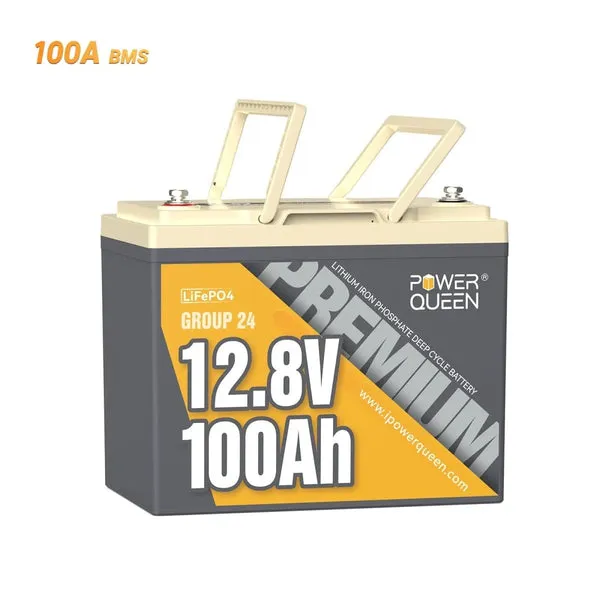
- 12V systems power most motors under 55 lbs of thrust, including popular models for kayaks and canoes. A single 12 volt lithium battery or 12V LiFePO4 battery handles these setups with ease.
- 24V systems require two 12V batteries wired in series or a dedicated 24V lithium battery. These configurations suit motors from 55 to 80 lbs thrust for mid-sized fishing boats.
- 36V systems need three 12V batteries in series or a purpose-built 36V pack, typically reserved for motors above 80 lbs thrust on larger vessels.
Mixing voltages damages both the motor and battery, so verify compatibility before purchase. Grab the code to save 6% on Power Queen batteries built specifically for marine cycling demands.
Calculate Amp Hours for Your Runtime Needs
Amp-hour (Ah) capacity determines how long your motor runs before the battery needs recharging. The math is straightforward: divide the battery’s Ah rating by your motor’s average amp draw.
A trolling motor 12V model rated for 50 lbs thrust typically pulls 40-50 amps at full speed but only 15-25 amps at half speed (where most anglers operate). If you run a 100Ah LiFePO4 battery at 20 amps average draw, you get roughly 5 hours of runtime. Double the capacity to 200Ah, and you double your time on the water.
Runtime scenarios for common capacities:
| Battery Capacity | 20A Average Draw | 30A Average Draw |
|---|---|---|
| 50Ah | 2.5 hours | 1.7 hours |
| 100Ah | 5 hours | 3.3 hours |
| 200Ah | 10 hours | 6.7 hours |
LiFePO4 chemistry delivers 90-100% of its rated capacity versus 50% for lead-acid, so a 100Ah lithium pack provides the usable energy of a 200Ah lead-acid battery at half the weight. For serious anglers, 100-150Ah covers full tournament days, while weekend users often thrive with 50-75Ah setups.
Consider Motor Thrust and Typical Speed Settings
Higher thrust ratings demand more amperage, but real-world draw depends on speed setting, water conditions, and boat load. A trolling motor with spot lock or autopilot features pulls sustained current to fight wind and current, increasing overall consumption compared to manual steering.
Most anglers run their motors at 30-50% power for slow trolling or positioning, rarely maxing out thrust except when fighting heavy wind or covering distance quickly. We recommend sizing your battery for 6-8 hours at your typical cruising speed rather than maximum draw, then adding 20-30% buffer for spot-lock operation or unexpected headwinds.
Saltwater conditions increase drag and corrosion risk, so if you’re running a trolling motor saltwater setup, choose batteries with marine-grade terminals and cases. LiFePO4 chemistry resists sulfation and voltage sag better than lead-acid in corrosive environments, maintaining consistent thrust throughout the discharge cycle. Check the latest prices on marine-rated options.
Factor in Weight, Space, and Charging Infrastructure
Physical constraints matter as much as electrical specs. A 100Ah LiFePO4 battery weighs 25-30 lbs compared to 60-70 lbs for an equivalent lead-acid model, freeing up payload for gear or improving a trolling motor for kayak’s stability and speed.
Measure your battery compartment before buying. Lithium batteries come in various form factors, but Group 24, Group 27, and Group 31 sizes dominate the marine market. Larger Ah ratings typically mean larger cases, though some manufacturers pack more cells into standard footprints.
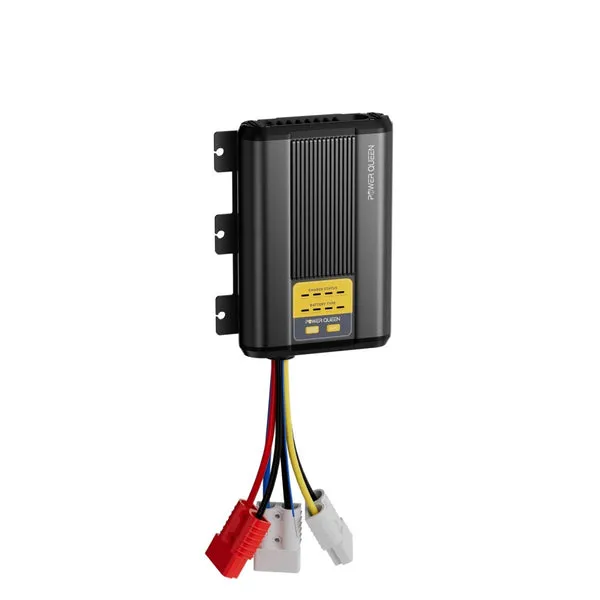
Charging speed influences battery choice if you fish multiple days consecutively. LiFePO4 batteries accept 0.5C to 1C charge rates (a 100Ah battery charges fully in 1-2 hours with an appropriate DC charger), while lead-acid requires 8-12 hours. Budget for a charger rated to your battery’s chemistry and capacity to avoid damage and maximize cycle life.
Compare Series vs Parallel Configurations for Multi-Battery Setups
When one battery won’t suffice, you can wire multiple units in series (to increase voltage) or parallel (to increase capacity while maintaining voltage).
- Series wiring connects the positive terminal of one battery to the negative of the next, adding voltages. Two 12V 100Ah batteries in series create a 24V 100Ah system.
- Parallel wiring connects all positive terminals together and all negatives together, adding capacities. Two 12V 100Ah batteries in parallel create a 12V 200Ah system.
Never mix battery ages, capacities, or chemistries in the same bank. Mismatched cells create imbalance, reducing performance and lifespan. If you’re expanding an existing system, match the exact model and buy batteries from the same production batch when possible.
For trolling motor brands like Minn Kota and MotorGuide, 24V systems wired in series deliver the best balance of thrust efficiency and runtime for boats 16-20 feet, while 12V single-battery setups suit smaller craft under 14 feet.
Prioritize Battery Management and Safety Features
Quality LiFePO4 batteries include built-in Battery Management Systems (BMS) that prevent overcharge, over-discharge, short circuits, and thermal runaway. The BMS is your insurance policy against catastrophic failure, especially in marine environments where moisture and vibration stress electrical components.
Look for batteries rated for at least 2,000-4,000 charge cycles at 80% depth of discharge. This longevity means 5-10 years of weekend use versus 1-2 years for lead-acid equivalents, offsetting the higher upfront cost. Marine-specific models add waterproof cases, corrosion-resistant terminals, and low-temperature cutoffs to protect cells in freezing conditions.
Pair your trolling motor battery with a BMS-compatible charger that communicates charge status and terminates at the correct voltage. Using automotive or universal chargers on lithium batteries risks fire or permanent capacity loss. Visit our discount page for bundles that include properly matched chargers and batteries.
Real-World Example: Sizing for a 55 lb Thrust 24V Motor
A 55 lb thrust 24V motor is one of the most common setups for bass boats and mid-sized fishing rigs. At typical half-speed operation, this motor draws approximately 25-30 amps.
For an 8-hour fishing day at 28 amps average, you need 224Ah of capacity (28A × 8h). With LiFePO4’s full depth-of-discharge capability, a 240Ah 24V system (two 12V LiFePO4 batteries at 120Ah each in series) provides comfortable runtime with reserve for spot-lock features.
If weight and cost are priorities, dropping to 200Ah (two 100Ah 12V batteries in series) still delivers 7+ hours at cruising speed, sufficient for most recreational anglers. Add a portable DC charger and you can top up during lunch breaks or overnight, extending multi-day trip capability without adding a second battery bank.
The investment in lithium pays dividends in cycle life, weight savings, and consistent voltage delivery compared to lead-acid. Most anglers recover the cost difference within 2-3 seasons through eliminated replacement purchases and reduced fuel costs from lighter boat loads.
Questions
What size LiFePO4 battery do I need for a 12V trolling motor?
For most 12V trolling motors under 55 lbs thrust, a 100Ah LiFePO4 battery provides 4-6 hours of runtime at typical cruising speeds. Increase to 150-200Ah for all-day fishing or motors with spot-lock features that draw continuous power.
Can I use a 24V battery on a 12V trolling motor?
No, never use a 24V battery on a 12V motor. The excessive voltage will immediately damage the motor's electronics and void your warranty. Always match battery voltage exactly to your motor's rating.
How long will a 100Ah lithium battery run my trolling motor?
A 100Ah LiFePO4 battery running a motor that draws 20 amps at cruising speed will last approximately 5 hours. Higher speeds and spot-lock operation increase draw and reduce runtime, while lower speeds extend it.
Do I need a special charger for LiFePO4 trolling motor batteries?
Yes, LiFePO4 batteries require chargers designed for lithium chemistry with proper voltage profiles and BMS communication. Lead-acid chargers can overcharge lithium cells, causing permanent damage or safety hazards.
Should I wire batteries in series or parallel for more runtime?
Wire batteries in parallel to increase amp-hour capacity and runtime while maintaining voltage. Wire in series only when you need to increase voltage to match a 24V or 36V motor requirement.
How many charge cycles do LiFePO4 trolling motor batteries last?
Quality LiFePO4 batteries deliver 2,000-4,000 cycles at 80% depth of discharge, translating to 5-10 years of typical recreational use. This far exceeds lead-acid batteries, which last 300-500 cycles under similar conditions.
Products in this guide
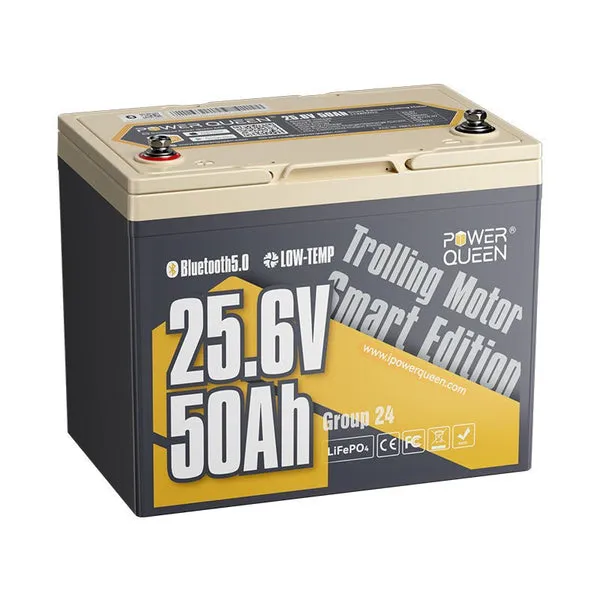 Shopping at Power Queen? See the discount code
6% OFF All Orders
Shopping at Power Queen? See the discount code
6% OFF All Orders
More in this series
Power Queen 12V LiFePO4 Battery Care: Extending Lifespan and Avoiding Common Mistakes16 Aug 20264 minCan You Use a DC Charger with Power Queen 48V Batteries? Compatibility Guide16 Aug 20266 minHow Long Do Power Queen LiFePO4 Batteries Last in Electric Lawn Mowers?16 Aug 20264 minPower Queen 12V vs 24V Lithium Battery: Which Voltage Do You Actually Need?16 Aug 20264 min