 A Power Queen guide
Can You Use a DC Charger with Power Queen 48V Batteries? Compatibility Guide
A dc charger can work with Power Queen 48V batteries if it matches the voltage, chemistry, and current specifications your battery requires.
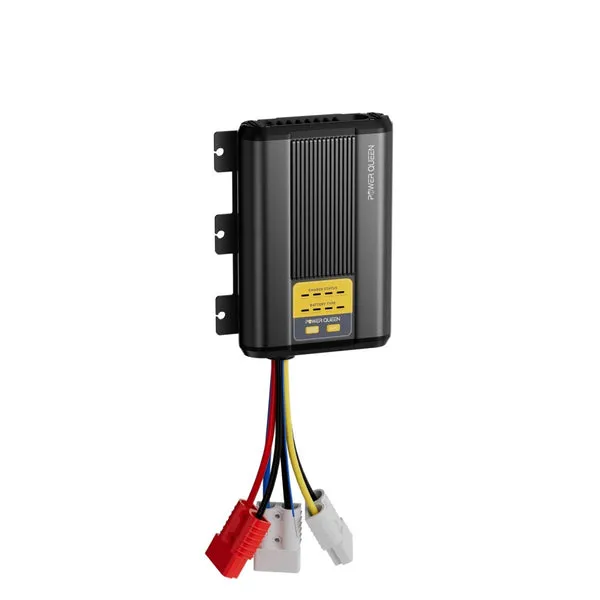
Yes, you can use a dc charger with Power Queen 48V batteries as long as the charger matches the battery’s voltage requirements, supports LiFePO4 chemistry, and delivers the appropriate charging current. Power Queen’s 48v battery systems require a dedicated 48V charger designed for lithium iron phosphate cells to ensure safe, efficient charging without damaging the battery management system.
This guide walks you through voltage compatibility, BMS requirements, and practical charging scenarios so you can confidently power up your battery bank.
What Makes a DC Charger Compatible with 48V LiFePO4 Batteries
Compatibility hinges on three core factors: voltage output, chemistry profile, and communication with the battery management system. A dc charger 12v unit will not work with a 48V system because the voltage is far too low to initiate the charging cycle.
Your charger must deliver between 54.6V and 58.4V to properly charge a 48V LiFePO4 pack. This range accounts for the 3.65V per-cell charging voltage across the 16-cell configuration that makes up a 48V battery. Power Queen batteries include a built-in BMS that monitors cell voltage, temperature, and current, so the charger needs to respect those limits.
Key compatibility requirements:
- Output voltage of 54.6V to 58.4V for standard LiFePO4 charging
- Constant current / constant voltage (CC/CV) charging profile
- Current rating that matches or falls within your battery’s maximum charge current specification
- LiFePO4 or lithium-ion chemistry setting, never lead-acid profiles
Most dc charger cable assemblies use Anderson connectors or XT60 plugs for high-current 48V systems. Verify your battery’s input connector type before purchasing any charger to avoid adapter hassles.
Choosing Between Dedicated 48V Chargers and DC to DC Solutions
You have two main paths for charging a Power Queen 48V battery: a dedicated AC-to-DC charger that plugs into the wall, or a dc to dc charger from alternator setups for mobile applications like RVs, boats, or off-grid vehicles.
Dedicated 48V chargers convert household AC power into the precise DC voltage your battery needs. These units typically range from 5A to 30A output, determining how quickly your battery reaches full capacity. A 10A charger takes roughly 10 hours to charge a 100Ah 48V battery from empty, while a 30A unit cuts that to about 3.5 hours.
DC-DC chargers step up voltage from your vehicle’s alternator or solar array to the higher voltage your 48V battery requires. These are essential for mobile setups where you need to charge while driving or from a lower-voltage source. Power Queen’s 48V systems pair well with 12V-to-48V boost converters rated for at least 20A output.
Comparison of charging methods:
| Charger Type | Best For | Typical Charge Time (100Ah) | Cost Range |
|---|---|---|---|
| AC-to-DC 48V charger | Home, workshop, stationary setups | 3-10 hours | $150-$400 |
| DC-to-DC boost charger | RVs, boats, mobile solar | 5-15 hours | $200-$500 |
| Solar MPPT controller (48V) | Off-grid, renewable energy | Varies by panel wattage | $180-$600 |
We recommend pairing your Power Queen battery with a charger that delivers at least 0.2C charge rate for daily use. For a 100Ah battery, that means a minimum 20A charger. Check the latest pricing to compare current deals on compatible units.
Voltage and Current Specifications You Need to Match
Power Queen publishes specific charging parameters for each 48V model, and straying outside those limits can trigger BMS shutdown or, worse, damage cells. Most Power Queen 48V batteries accept a maximum charge current between 50A and 100A depending on capacity, but we recommend staying at or below 0.5C (half the amp-hour rating) for longevity.
Charge voltage must terminate at 58.4V for most LiFePO4 packs. Some chargers allow you to set a lower float voltage around 54.6V for storage or seasonal use, which reduces stress on the cells. Power Queen’s BMS will cut off charging automatically if voltage exceeds safe limits, but relying on that protection repeatedly shortens lifespan.
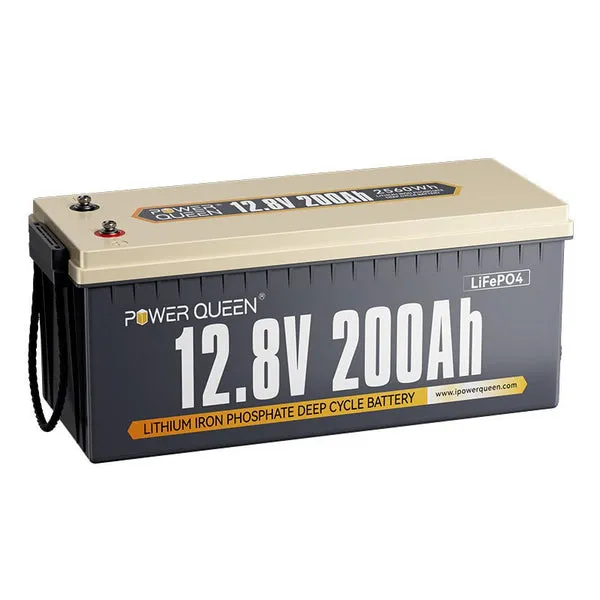
If you use a dc charger car adapter or portable unit, confirm it can sustain the required current without overheating. Many automotive-style DC chargers max out at 10A to 15A, which works fine for smaller 12v lifepo4 battery or 24v lithium battery systems but may underperform on 48V banks with high capacity.
Critical specifications to verify:
- Maximum charge current your battery accepts (listed in the manual or on the label)
- Charger output current rating under continuous operation
- Voltage cutoff settings, ideally adjustable between 54.6V and 58.4V
- Temperature compensation if you charge in extreme cold or heat
Power Queen batteries work seamlessly with lifepo4 battery chargers from reputable brands like Victron, Renogy, and NOCO when configured for 48V lithium profiles. Avoid generic units that lack LiFePO4 presets, as lead-acid charging algorithms apply the wrong voltage curve.
Common Use Cases for 48V DC Charging
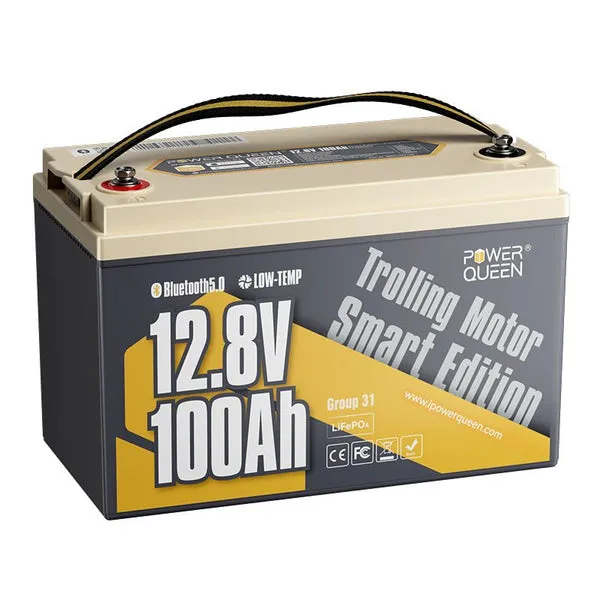
We see Power Queen 48V batteries powering everything from electric lawn mower fleets to off-grid solar installations and marine trolling motor systems. Each application has different charging needs.
Solar off-grid systems pair a 48V battery bank with an MPPT solar charge controller that acts as a specialized DC-DC battery charger. The controller steps down or boosts panel voltage to the correct charging range while maximizing power harvest. We recommend controllers rated for at least 30A output for robust daily cycling.
RV and marine installations typically use a combination approach: a shore-power AC charger when parked or docked, plus a DC-to-DC alternator charger for on-the-road top-ups. This dual strategy keeps your 48V bank ready without relying solely on solar or generator runtime.
Workshop and backup power setups benefit from high-current AC-to-DC chargers that can fully recharge a depleted 48V battery overnight. If you cycle your battery daily for tools or equipment, look for chargers with at least 40A output to minimize downtime.
For any scenario, grab our discount code before purchasing charging equipment to save on your entire Power Queen setup. The current 6% discount applies to chargers and batteries alike.
Troubleshooting DC Charger Issues with 48V Batteries
If your charger refuses to start, the BMS may be in protection mode due to temperature extremes, cell imbalance, or previous over-discharge. Power Queen batteries lock out charging below 0°C and above 45°C to prevent lithium plating and thermal runaway.
Check these first when charging fails:
- Battery temperature, ideally between 10°C and 40°C for optimal charge acceptance
- Voltage at the battery terminals with a multimeter; if below 40V, the BMS may need a wake-up charge
- Charger LED indicators or error codes, which often reveal voltage mismatch or polarity issues
- Connector tightness, as high-current 48V systems are sensitive to resistance from loose terminals
Some users report confusion between dc charger 5v USB accessories and actual battery chargers. To be clear: USB chargers and phone accessories have nothing to do with 48V battery charging. You need a purpose-built lithium battery charger, not a consumer electronics adapter.
If your charger works intermittently, test the dc charger cable for voltage drop under load. Cables thinner than 10 AWG create excessive resistance over the 5+ feet typical in many setups, causing the charger to overheat or cut out. Upgrade to 8 AWG or 6 AWG for runs longer than 6 feet.
Power Sonic’s charger guide offers additional troubleshooting tips for lithium systems, including how to interpret BMS fault codes and reset protection circuits. Most Power Queen BMS resets automatically once the fault condition clears, but severe imbalances may require professional service.
Final Recommendations for Safe 48V Charging
Choose a charger specifically labeled for 48V LiFePO4 use with adjustable current and voltage settings. Generic or universal chargers rarely deliver the precise profile Power Queen batteries need for thousands of cycles. We favor units with active cooling, digital displays, and CAN bus communication for systems that support it.
Match your charger current to your usage pattern: 0.2C for slow overnight charging, 0.5C for daily cycling, up to 1C if your battery datasheet permits it and you need rapid turnaround. Higher rates generate more heat and marginally reduce total cycle life, so only push limits when necessary.
Keep a backup charging method for mission-critical applications. A small portable DC charger or solar panel with a charge controller gives you redundancy if your primary unit fails. The investment in a secondary charger pays off the first time you avoid downtime.
Questions
Can I use a 12V DC charger on a 48V battery?
No, a 12V charger cannot charge a 48V battery because the voltage is far too low to overcome the battery's resting voltage. You need a charger that outputs between 54.6V and 58.4V for proper 48V LiFePO4 charging.
What happens if I use a lead-acid charger on a Power Queen 48V LiFePO4 battery?
Lead-acid chargers apply the wrong voltage curve and can overcharge or undercharge LiFePO4 cells, potentially triggering BMS protection or reducing battery lifespan. Always use a charger with a dedicated lithium or LiFePO4 profile.
How fast can I charge a Power Queen 48V battery?
Charge speed depends on your battery's maximum charge current rating, typically 50A to 100A for Power Queen 48V models. Most users charge at 0.2C to 0.5C (20A to 50A for a 100Ah battery) to balance speed and longevity.
Do I need a special cable for 48V DC charging?
Yes, you need a cable rated for high current and your battery's connector type, usually Anderson or XT60 for 48V systems. Use at least 10 AWG wire for short runs and 8 AWG or thicker for runs over 6 feet to minimize voltage drop.
Can I charge a 48V battery from my car alternator?
You can with a DC-to-DC boost charger that steps up your vehicle's 12V alternator output to the 54V+ needed for 48V battery charging. Direct connection without a boost converter will not work.
Why won't my DC charger start charging my Power Queen battery?
The battery's BMS may be in protection mode due to temperature outside 0°C to 45°C, low cell voltage, or a previous fault. Check battery temperature, verify voltage at the terminals, and ensure all connections are tight before troubleshooting further.
Products in this guide
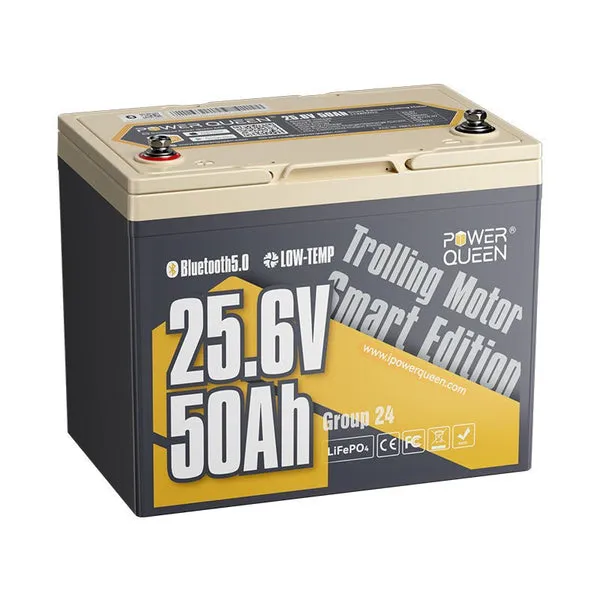
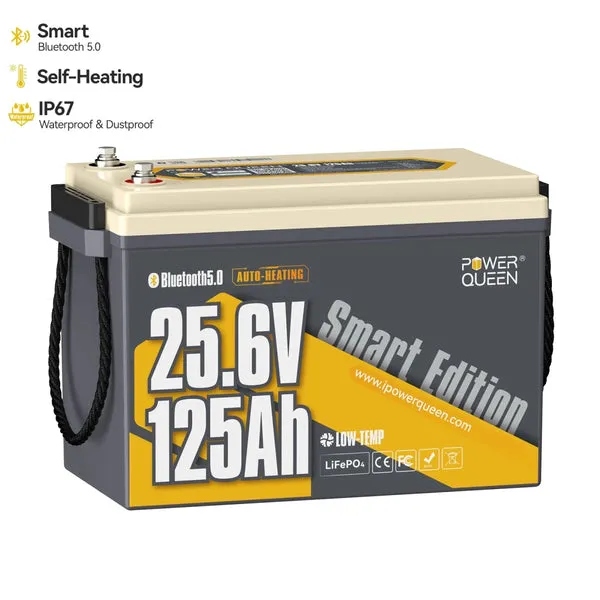 Shopping at Power Queen? See the discount code
6% OFF All Orders
Shopping at Power Queen? See the discount code
6% OFF All Orders
More in this series
Power Queen 12V LiFePO4 Battery Care: Extending Lifespan and Avoiding Common Mistakes16 Aug 20264 minHow Long Do Power Queen LiFePO4 Batteries Last in Electric Lawn Mowers?16 Aug 20264 minPower Queen 12V vs 24V Lithium Battery: Which Voltage Do You Actually Need?16 Aug 20264 minHow to Choose the Right LiFePO4 Battery Size for Your Trolling Motor16 Aug 20265 min