 A The Original Moon Lamp guide
How Long Do LED Moon Lamps Actually Last Before They Need Replacing?
A moon lamp powered by quality LEDs typically delivers 30,000 to 50,000 hours of illumination before needing replacement.

A quality moon lamp typically lasts between 30,000 and 50,000 hours before the LEDs dim noticeably or fail. That translates to roughly 3 to 6 years of nightly use, though the exact lifespan depends on LED quality, power management, and how you use it.
What Determines How Long Your Moon Lamp Will Last
LED lifespan hinges on three core factors: the quality of the diodes themselves, thermal management inside the lamp, and operating voltage stability.
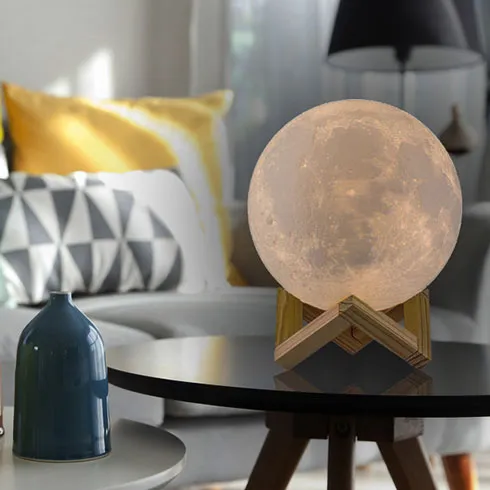
Higher-grade LEDs found in reputable lunar moon light lamp models use better semiconductor materials and tighter manufacturing tolerances. Budget lamps often use lower-bin LEDs that degrade faster under heat and current fluctuations. The Original Moon Lamp sources components designed for extended use, which directly impacts how many years you get from the fixture.
Heat is the enemy of every LED. A lunar lamps design that traps heat inside the shell accelerates lumen depreciation. Better models incorporate venting or use materials like PLA that dissipate warmth more effectively than solid resin. If your lamp feels excessively hot after an hour of use, expect a shorter lifespan.
Power supply quality matters more than most buyers realize. Cheap USB adapters deliver inconsistent voltage, stressing the LED driver circuit. Using a stable 5V adapter rated for at least 1A helps maintain consistent current flow and prolongs diode life. Check the latest pricing and our discount code to see bundles that include matched power supplies.
Typical Lifespan by Moon Lamp Type
Not all lunar lamps are built the same, and design differences directly affect longevity.
| Lamp Type | Expected Hours | Notes |
|---|---|---|
| Standard PLA moon lamp | 30,000 to 50,000 | Most common; lifespan varies by LED grade |
| Levitating moon lamp | 20,000 to 40,000 | Magnetic base adds heat; lamp itself similar to standard |
| RGB color-changing models | 25,000 to 45,000 | Multiple LED channels may age unevenly |
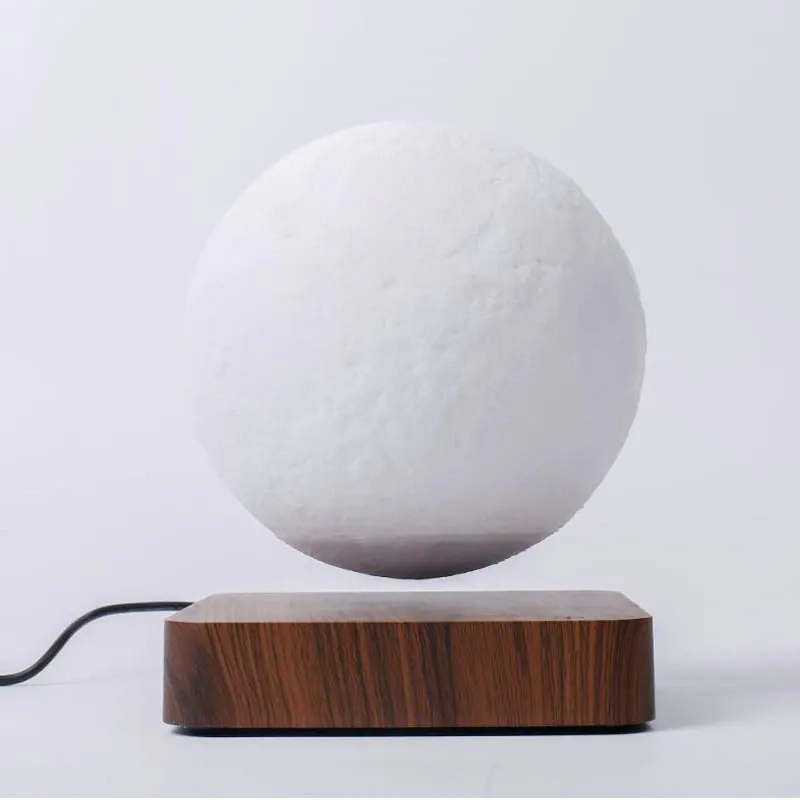
A levitating moon lamp introduces a magnetic levitation base that generates additional heat near the lamp’s charging circuit. While the LEDs themselves remain comparable to standard models, the added thermal load can shorten the effective lifespan by 10 to 20 percent if the base runs continuously.
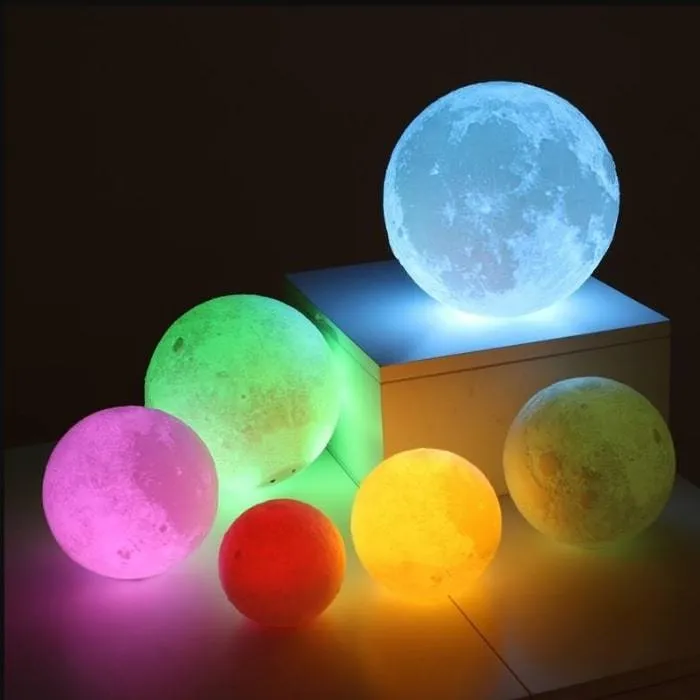
Color-changing lamps use red, green, and blue LEDs that degrade at different rates. You might notice the white balance shifting toward blue or yellow after several thousand hours as one color channel dims faster than the others. This happens before total failure, so cosmetic degradation becomes the practical replacement trigger rather than complete burnout.
Signs Your Moon Lamp Is Reaching End of Life
LEDs rarely fail abruptly. Instead, watch for these gradual indicators:
- Dimming output: If the lamp at full brightness looks noticeably dimmer than when new, the LEDs have lost 20 to 30 percent of their lumen output
- Color shift: White light turning yellow, blue, or uneven across the surface signals uneven LED aging
- Flickering: Intermittent flicker points to failing driver circuitry or loose internal connections
- Longer warm-up: LEDs that take several seconds to reach full brightness are near end of life
- Hot spots: Uneven heat distribution suggests individual LED failures or degraded thermal paths
Most buyers replace their moon lamp when dimming becomes obvious rather than waiting for total failure. A lamp that’s lost 40 percent of its original brightness feels noticeably less impressive even if it technically still works.
How to Maximize Your Moon Lamp’s Lifespan
Simple habits extend LED life significantly without extra effort.
Control brightness levels. Running your lamp at 70 to 80 percent brightness instead of maximum reduces LED junction temperature and can extend lifespan by 30 to 50 percent. Most users find medium brightness more comfortable for ambient lighting anyway.
Avoid continuous 24/7 operation. LEDs last longer with periodic cooling breaks. If you want overnight illumination, use a timer to cycle the lamp off for an hour or two rather than leaving it on continuously for months.
Keep it clean. Dust buildup on the surface acts as insulation, trapping heat inside. Wipe your lunar lamps gently with a dry microfiber cloth monthly to maintain airflow and cooling efficiency.
Use the correct power adapter. Stick with the included adapter or a quality replacement rated for the lamp’s voltage and current requirements. Underpowered adapters force the LEDs to work harder, while overpowered ones risk burning out the driver circuit.
Position away from heat sources. Don’t place your moon lamp near radiators, sunny windowsills, or heat-generating electronics. Ambient temperatures above 30°C (86°F) accelerate LED degradation noticeably.
When Replacement Makes More Sense Than Repair
Unlike traditional bulbs, moon lamps integrate the LED array into the structure. The LEDs aren’t user-replaceable in most designs, including models from Moon Lamp USA.
If your lamp has dimmed significantly or developed color issues after three to five years of regular use, replacement typically costs less than attempting repair. The labor to disassemble the 3D-printed shell, desolder failed LEDs, source matching components, and reassemble without damaging the delicate surface usually exceeds the cost of a new unit.
However, minor issues like a failed power adapter or loose USB port are worth addressing. Test with a different quality adapter before assuming the lamp itself has failed. Grab our discount code if you’re ready to upgrade to a newer model with improved LED technology.
Comparing Moon Lamps to Other Decorative Lighting
Understanding how lunar lamps stack up against alternatives helps set realistic expectations.
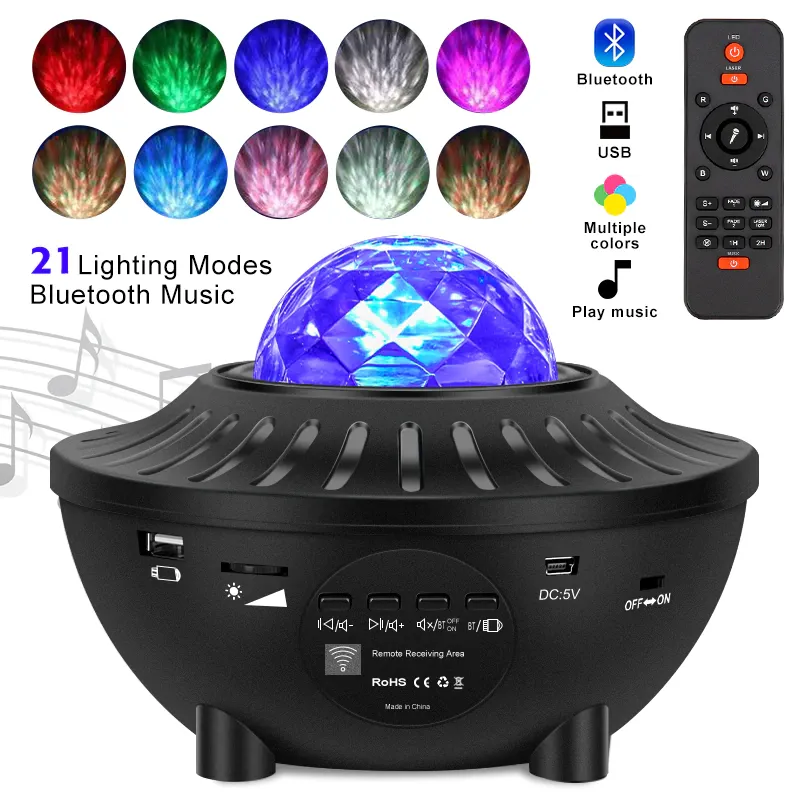
A galaxy projector light or galaxy night light projector uses similar LED technology but adds moving parts like rotating motors, which introduce additional failure points. Expect 15,000 to 25,000 hours from projection-based lighting before mechanical components degrade. The moon projector category falls into this range as well.
Traditional incandescent decorative bulbs last only 1,000 to 2,000 hours, making LED-based light lamps vastly superior for long-term ambient lighting. Even compared to CFL alternatives, LED lunar lamps offer 5 to 10 times the lifespan with no warm-up delay and no mercury concerns.
Specialty designs like a levitating lamp or saturn lamp use comparable LED technology, so expected lifespans remain in the 25,000 to 45,000 hour range depending on build quality and thermal design.
Bottom Line: Plan for 3 to 6 Years of Use
Most buyers get three to six years of regular nightly use from a quality moon lamp before replacement becomes necessary. Premium models with better thermal management and higher-grade LEDs push toward the upper end of that range, while budget options may show noticeable dimming after two to three years.
Track your lamp’s performance by occasionally comparing it to product photos or a newer unit. When you notice dimming or color shift that affects the ambiance you bought it for, that’s your signal to upgrade. Check current offers to see the latest models with improved LED efficiency and longer projected lifespans.
Questions
How many hours does a moon lamp typically last?
Quality moon lamps last 30,000 to 50,000 hours of use, which equals roughly 3 to 6 years of nightly operation. Lifespan depends on LED quality, thermal design, and usage patterns.
Can I replace the LEDs in my moon lamp when they dim?
Most moon lamps have integrated LEDs that aren't user-replaceable. The 3D-printed structure makes disassembly difficult, and sourcing matching components often costs more than buying a new lamp.
Does running my moon lamp at full brightness shorten its life?
Yes, maximum brightness increases LED junction temperature and accelerates degradation. Running at 70 to 80 percent brightness can extend lifespan by 30 to 50 percent while still providing plenty of light.
Why does my levitating moon lamp seem dimmer than a standard one?
Levitating models generate extra heat from the magnetic base, which can reduce LED lifespan by 10 to 20 percent. The added thermal load causes slightly faster lumen depreciation compared to standard designs.
How do I know when my moon lamp needs replacing?
Replace your lamp when it's noticeably dimmer than when new, shows color shifts or uneven lighting, flickers intermittently, or has lost the ambient quality you bought it for. Most people replace after 40 percent brightness loss.
Do color-changing moon lamps last as long as single-color versions?
Color-changing models last 25,000 to 45,000 hours, slightly less than single-color lamps. The RGB LED channels age at different rates, often causing visible color shifts before total failure.
Products in this guide
 Shopping at The Original Moon Lamp? See the discount code
10% OFF All Orders
Shopping at The Original Moon Lamp? See the discount code
10% OFF All Orders
More in this series
Why Won’t My Levitating Lamp Float? Common Magnetic Alignment Issues and Fixes25 Aug 20266 minDo Galaxy Projector Lights Really Help You Sleep Better?25 Aug 20266 minLevitating Moon Lamp vs Floating Moon Lamp: Which Magnetic Design Works Best?25 Aug 20264 minHow to Clean and Maintain Your Moon Lamp Without Damaging the Surface25 Aug 20265 min