 A The Original Moon Lamp guide
How to Clean and Maintain Your Moon Lamp Without Damaging the Surface
A moon lamp stays bright and beautiful when you clean it gently with the right tools and avoid harsh chemicals that damage the textured surface.

A moon lamp collects dust and fingerprints just like any decorative piece, but its textured lunar surface requires gentler care than smooth glass or metal fixtures. We clean ours every two to three weeks using soft microfiber cloths and plain water, which keeps the craters sharp and the LED glow even without risking scratches or chemical damage. Most moon lamp models use PLA plastic printed in 3D with fine surface details that harsh cleaners or rough fabrics can permanently dull.
The good news is that proper maintenance takes less than five minutes and uses supplies you already own. Whether you have a standard lunar moon light lamp on your nightstand or a levitating moon lamp floating in your living room, the cleaning approach stays the same: gentle pressure, minimal moisture, and no abrasives.
What Materials Moon Lamps Are Made From
Most lunar lamps use biodegradable PLA (polylactic acid) thermoplastic, the same material Moon Lamp USA and similar manufacturers rely on for detailed 3D printing. PLA holds fine crater textures beautifully but scratches easily under rough cloths or paper towels. The outer shell typically measures 1 to 3 millimeters thick and encases an LED strip or bulb inside.
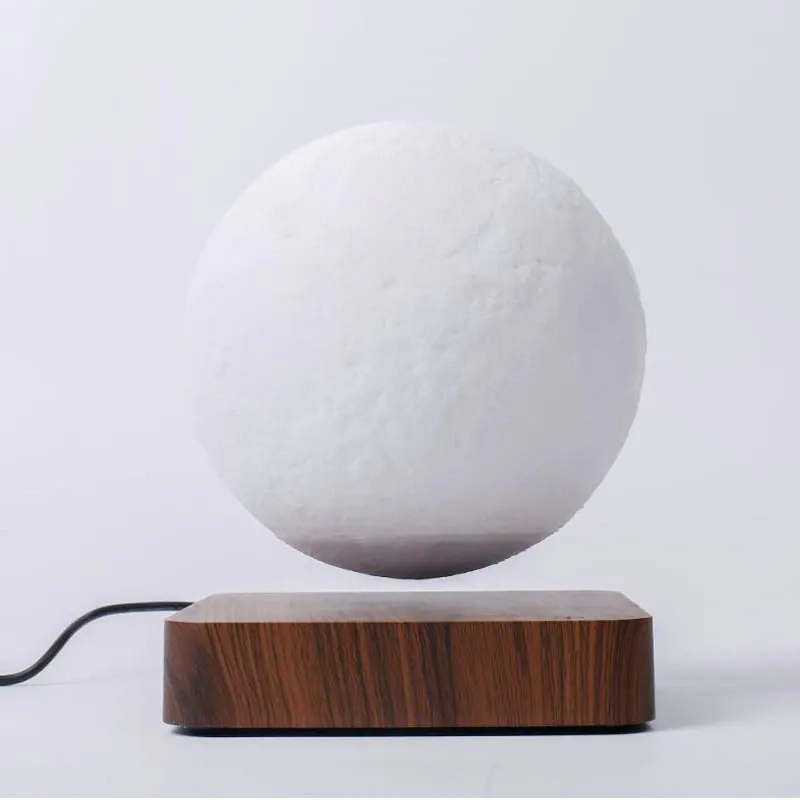
Higher-end models like the levitating lamp pair the PLA globe with wooden or ABS plastic bases that need separate care. The magnetic levitation mechanism itself stays sealed and requires no cleaning, but the base platform collects dust and benefits from occasional wiping.
A few specialty designs use resin or silicone instead of PLA. Resin versions feel heavier and tolerate slightly more aggressive cleaning, while silicone models (often marketed for children) handle water better but still dislike chemical cleaners.
Safe Cleaning Tools and Solutions
We recommend keeping these supplies on hand for regular moon lamp maintenance:
- Microfiber cloths in at least two colors (one for dry dusting, one for damp wiping)
- Distilled water to avoid mineral deposits that tap water leaves behind
- Soft-bristle brush like a clean makeup brush for deep crater crevices
- Compressed air canister for hard-to-reach textured areas
- Isopropyl alcohol (70%) diluted 1:3 with distilled water for sticky residue only
Skip paper towels, which contain wood fibers that scratch PLA. Avoid ammonia-based glass cleaners, bleach, acetone, and any product labeled “abrasive” or “scouring.” These strip the matte finish and can even dissolve thin PLA layers over time.
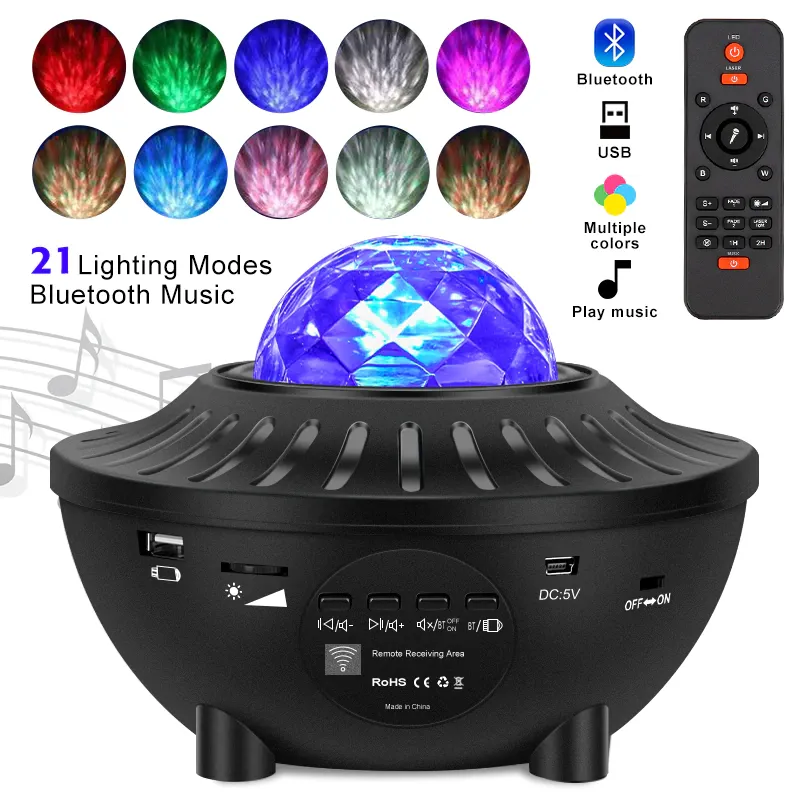
For households with a galaxy projector light or moon projector in addition to a static lamp, the same microfiber-and-water method works on projection lenses, though you should never spray liquid directly onto any electrical port or rotating mechanism.
Step-by-Step Moon Lamp Cleaning Process
1. Unplug and cool the lamp. Let the LED cool for at least 10 minutes after turning it off. Hot plastic can warp under moisture, and working around live electricity risks shock.
2. Dry dust first. Use a dry microfiber cloth or soft brush to remove loose dust from the surface and craters. Work in gentle circular motions, letting the texture guide your hand rather than pressing hard. For a moon lamp hanging from the ceiling, carefully lower it or use a step stool so you can reach every angle.
3. Dampen (don’t soak) a second cloth. Dip a clean microfiber cloth in distilled water, wring it until barely damp, and wipe the lamp surface. The cloth should never drip. Pay attention to the seam where the two hemisphere halves meet, since dust accumulates there.
4. Tackle stubborn spots. If fingerprints or sticky residue remain, lightly mist your cloth (not the lamp) with diluted isopropyl alcohol and spot-clean. Test on the bottom of the lamp first to confirm it doesn’t dull the finish.
5. Dry immediately. Use a third dry microfiber cloth to buff the surface, preventing water spots and streaks. Let the lamp air-dry for 15 minutes before plugging it back in.
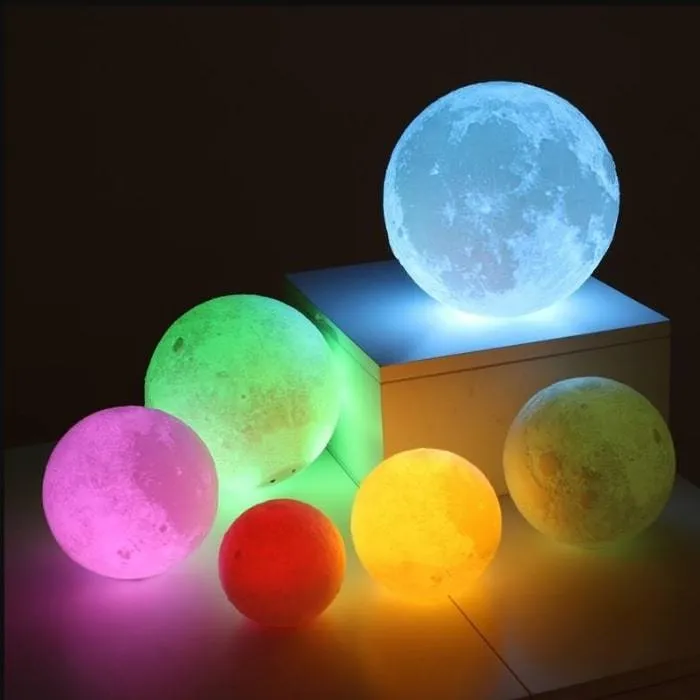
6. Clean the base separately. Wooden bases on lunar lamps need only a barely damp cloth and furniture polish every few months. Plastic or metal bases tolerate slightly more moisture but still avoid soaking. Never submerge any base with a USB port or battery compartment.
Check our discount code for 10% off replacement lamps or accessories if your current model shows wear beyond what cleaning can fix.
Common Mistakes That Damage Moon Lamp Surfaces
We see these errors often in customer questions:
- Spraying cleaner directly on the lamp. Liquid seeps into seams and damages LEDs or corrodes wiring. Always apply to the cloth first.
- Using tap water in hard-water areas. Mineral deposits leave white streaks on dark-colored lamps. Distilled water costs pennies and prevents this entirely.
- Scrubbing too hard on textured areas. The 3D-printed craters are the lamp’s signature feature. Aggressive scrubbing flattens them and creates shiny bald patches.
- Cleaning while plugged in. Moisture and electricity don’t mix. We’ve heard from readers who shorted out a galaxy night light projector this way.
- Ignoring the touch sensor. Many models have a capacitive touch base or button. These sensors stop responding if cleaner residue coats them. Wipe the touch area last with a dry cloth only.
If you own a crescent moon lamp or moon lamp vintage model with painted details, test any cleaning method on an inconspicuous spot first. Hand-painted accents can fade or run even under plain water.
Maintenance Schedule and Long-Term Care
Weekly: Dry dust with a microfiber cloth (30 seconds).
Every 2 to 3 weeks: Damp wipe as described above (5 minutes).
Every 3 months: Deep clean craters with a soft brush and compressed air, inspect the cord and plug for fraying, and check that the lamp sits stable on its base.
Annually: If your levitating moon lamp loses its float or wobbles, recalibrate the magnets according to the manufacturer’s instructions. Standard models need only a careful look at the LED function, if colors dim or flicker, grab our code and consider an upgrade rather than attempting electrical repairs yourself.
Between cleanings, keep your lamp out of direct sunlight, which fades printed colors over months, and away from kitchen or bathroom steam, which warps PLA. A bedroom nightstand or living room shelf offers the ideal low-humidity environment.
When to Replace Instead of Clean
Even well-maintained lamps eventually show age. Replace yours if you notice:
- Permanent scratches or gouges that catch light unevenly
- LED color shift (warm white turning yellow-green, or RGB colors stuck on one hue)
- Cracks in the PLA shell, especially near the seam or cord entry point
- Loose or sparking electrical connections
- Mold or mildew inside the globe (a sign moisture penetrated the seam)
Most quality lunar moon light lamp models last two to four years with regular care. Cheaper versions may degrade faster, particularly if the PLA is thin or the LED runs hot. When it’s time to upgrade, compare current options and check the latest pricing to find a model with better durability or new features like app control or upgraded color range.
Proper cleaning protects your investment and keeps your lunar lamp glowing beautifully for years. The combination of gentle tools, minimal moisture, and a consistent schedule prevents 95% of the damage we see in customer photos, so your moon stays as crisp as the day you unboxed it.
Questions
Can I use Clorox wipes or disinfectant spray on my moon lamp?
No, avoid disinfectant wipes and sprays. The alcohol concentration and added chemicals in these products can dissolve or dull the PLA plastic surface. Stick to plain distilled water or a heavily diluted isopropyl solution (1 part 70% alcohol to 3 parts water) applied to a cloth, never sprayed directly.
How do I clean the craters and textured details without flattening them?
Use a soft-bristle makeup brush or compressed air to lift dust from deep craters. Avoid pressing hard with cloths or scrubbing in circles over textured areas, which can wear down the 3D-printed details over time.
Is it safe to submerge a moon lamp in water to clean it?
Never submerge any moon lamp in water. The electrical components, seams, and USB ports are not waterproof. Moisture trapped inside the globe will corrode the LED and wiring, permanently damaging the lamp.
What should I do if my levitating moon lamp stops floating after cleaning?
If your levitating lamp loses its magnetic float, ensure no moisture entered the base or globe during cleaning. Unplug the base, let it dry for 24 hours, then recalibrate by centering the globe above the magnetic platform according to the manufacturer's instructions.
How often should I clean my lunar lamp to keep it looking new?
Dry dust your lunar lamp weekly with a microfiber cloth and perform a damp wipe every two to three weeks. Deep clean the craters and inspect the cord quarterly to catch wear early and maintain the lamp's appearance.
Can I use paper towels instead of microfiber cloths?
Avoid paper towels, which contain wood fibers that scratch the soft PLA surface. Microfiber cloths are gentler, reusable, and won't leave lint or streaks on your lamp.
Products in this guide
 Shopping at The Original Moon Lamp? See the discount code
10% OFF All Orders
Shopping at The Original Moon Lamp? See the discount code
10% OFF All Orders
More in this series
How Long Do LED Moon Lamps Actually Last Before They Need Replacing?25 Aug 20265 minWhy Won’t My Levitating Lamp Float? Common Magnetic Alignment Issues and Fixes25 Aug 20266 minDo Galaxy Projector Lights Really Help You Sleep Better?25 Aug 20266 minLevitating Moon Lamp vs Floating Moon Lamp: Which Magnetic Design Works Best?25 Aug 20264 min