 A The Original Moon Lamp guide
Do Galaxy Projector Lights Really Help You Sleep Better?
Projector lights can help you sleep better by replacing harsh overhead lighting with softer, moving visuals that signal your brain to wind down.
Do Projector Lights Actually Improve Sleep Quality?
Projector lights can improve sleep quality when used correctly, primarily by replacing bright overhead lights with softer ambient lighting that encourages melatonin production.
The key lies in how these devices manage light temperature, movement, and intensity during your wind-down routine. Not every projector light delivers the same benefits, and some features actively work against good sleep hygiene.
How Galaxy Projector Lights Affect Your Sleep Cycle
Your circadian rhythm responds directly to light exposure. Bright blue-spectrum light suppresses melatonin, while warmer, dimmer light allows natural melatonin release in the evening. Most led projector lights for room use LED technology that can be tuned to warmer color temperatures, which is exactly what you want 60 to 90 minutes before bed.
Possible benefits:
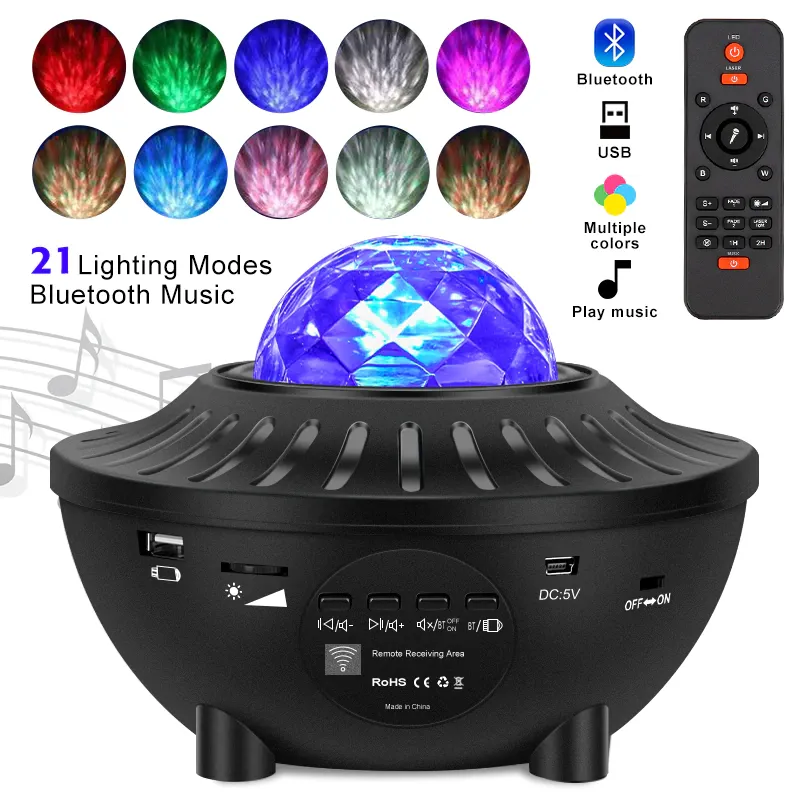
- Reduced screen time – A galaxy night light projector gives you something visually interesting to watch instead of scrolling your phone
- Lower ambient brightness – Projector lighting typically operates at 20 to 50 lumens compared to 800+ lumens from standard bedroom fixtures
- Visual monotony – Slow-moving nebula or wave patterns create a meditative focal point that helps quiet racing thoughts
- Routine anchoring – Turning on your projector becomes a consistent sleep signal for your brain
Any benefit depends on choosing models with adjustable brightness and warm color modes. Avoid projectors that only offer bright, cool white or vivid RGB party modes right before bed.
Best Projector Light Features For Better Sleep
Not all features support restful sleep. We narrowed down which specs actually matter when you are shopping for a sleep-focused device.
| Feature | Sleep Benefit | What To Look For |
|---|---|---|
| Color temperature control | Warm tones (2700-3000K) support melatonin | Adjustable red/amber modes |
| Timer function | Auto-shutoff prevents all-night exposure | 30, 60, 90-minute presets |
| Brightness levels | Dim settings reduce sleep disruption | At least 3 brightness steps |
| Movement speed | Slow rotation calms the mind | Adjustable or static options |
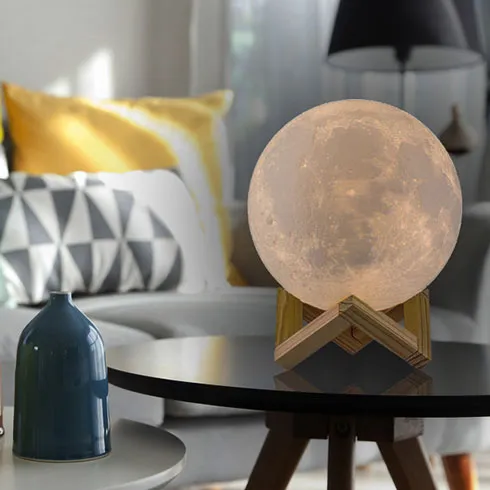
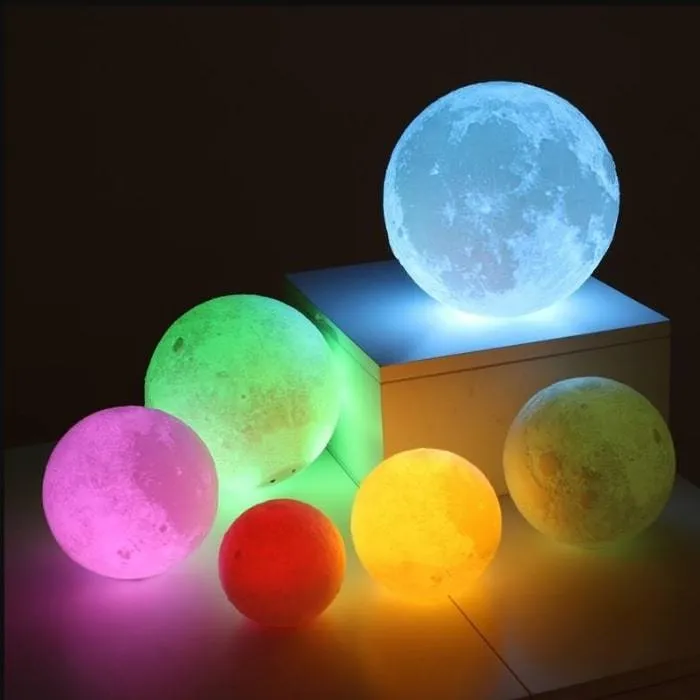
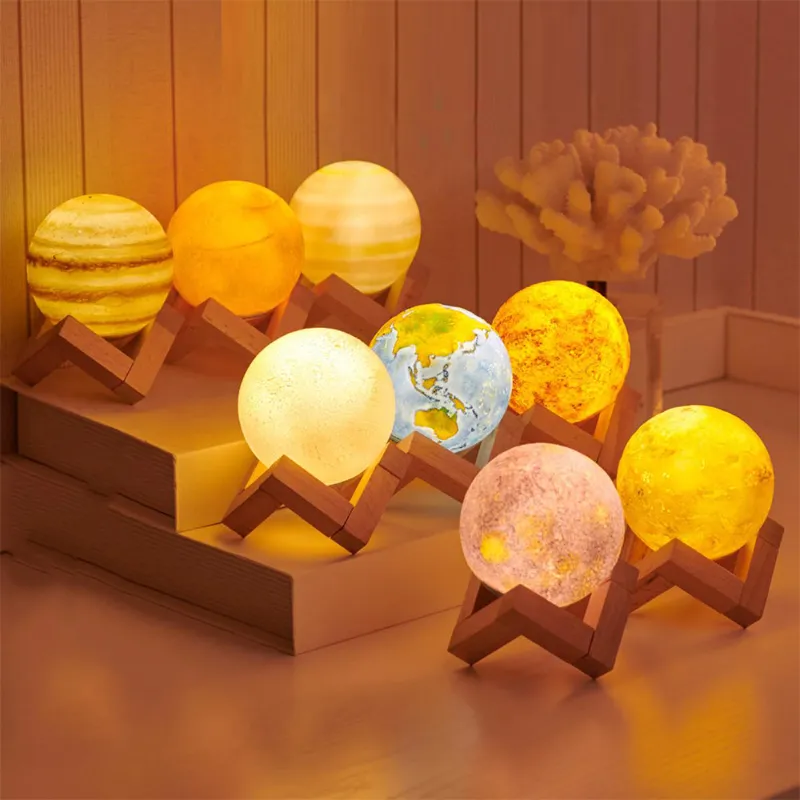
Our picks include the lunar moon light lamp, which offers 16 color combinations with warm amber and red options, and the levitating moon lamp, which provides a gentle glow without distracting motion. Both let you dial down intensity to near-darkness while maintaining enough visual interest to replace screen time.
Check the latest price to see current bundles that include remote controls for bedside adjustments.
LED Projector Lights vs Traditional Night Lights
Standard plug-in night lights emit a fixed, often bluish glow that stays on all night. LED in projector models give you more control over timing, color, and coverage, which translates to better sleep outcomes.
Why projectors outperform basic night lights:
- You can set a 60-minute timer so the room goes fully dark once you are asleep, preventing middle-of-the-night wake-ups from ambient light
- Adjustable color modes let you shift from white evening light to deep red as bedtime approaches
- Ceiling or wall projection keeps light out of your direct line of sight when lying in bed
- Many models double as daytime decor, justifying the higher upfront cost
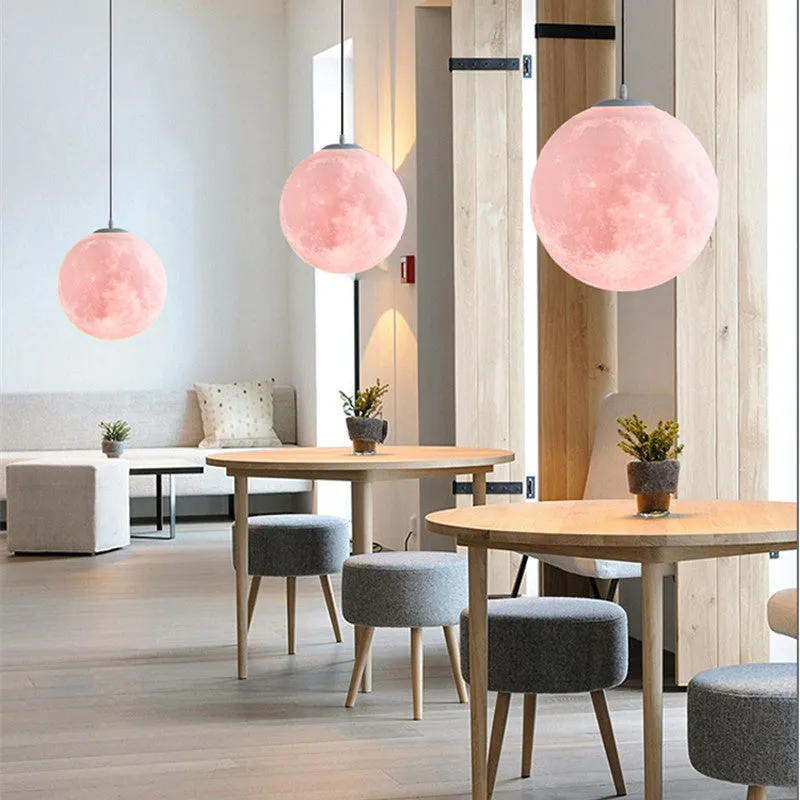
If you need a true night light for safe midnight bathroom trips, pair a low-lumen moon lamp on a dresser with your ceiling projector rather than leaving the projector on all night.
Setting Up Your Projector for Maximum Sleep Benefit
Placement and settings matter as much as the device itself.
Installation tips:
- Position 4 to 6 feet from the projection surface – Too close creates a small, intense spot; too far dilutes the effect
- Aim at the ceiling or a blank wall opposite your bed – Avoid projecting directly into your line of sight when lying down
- Start your routine 60 to 90 minutes before target sleep time – Turn on the galaxy projector light when you begin winding down, not right as you climb into bed
- Use warm colors only after 8 PM – Switch from white or blue modes to amber, red, or warm galaxy tones
- Set a 30 to 60-minute timer – Let the room go dark once you are drowsy; all-night projection can fragment sleep cycles
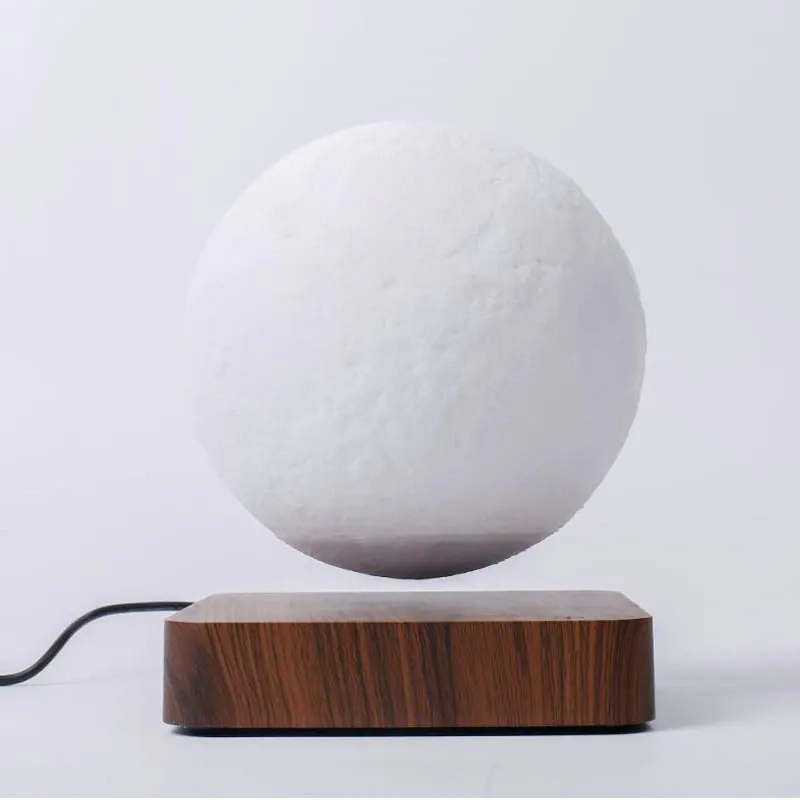
If you are using a levitating lamp or saturn lamp on a nightstand, angle it away from your pillow so the glow is indirect. The goal is soft ambient light that fills the room without creating glare or bright spots.
Grab the code for 10% off when you order, and consider models with app control if you want to fine-tune settings without getting out of bed.
Who Benefits Most From Sleep Projector Lights?
Here is who we think a projector suits best.
Best for:
- Phone scrollers – If you habitually check social media or news in bed, a projector gives you a screen-free alternative that does not spike cortisol
- Anxiety-prone sleepers – The combination of dim light and slow movement provides a grounding focal point for racing thoughts
- Shift workers – Projectors help create an artificial “sunset” when you need to sleep during daylight hours by signaling your brain that it is evening
- Parents transitioning kids from night lights – Older children often resist going fully dark; a lunar lamps with a timer offers a compromise
Less effective for:
- People with photosensitivity who wake easily from any ambient light (blackout curtains and zero light work better)
- Those who fall asleep instantly without a wind-down routine (you may not need the intervention)
Projector effectiveness also depends on your overall sleep hygiene. No device compensates for excessive caffeine, irregular sleep schedules, or a too-warm bedroom. Treat a moon projector as one tool in a broader routine that includes consistent bed times and a cool, quiet room.
Choosing the Right Projector Light for Your Space
Room size, ceiling height, and your sensitivity to motion all influence which model works best. Here is how to match features to your situation.
For small bedrooms (under 150 sq ft): A compact moon lamp or single-lens projector provides enough coverage without overwhelming the space. Look for models rated for 8 to 12-foot projection distances.
For larger or high-ceiling rooms: Multi-lens galaxy night light projector units cast wider patterns and maintain brightness across bigger surfaces. Check coverage specs before buying.
For light sleepers: Prioritize projectors with smooth, slow rotation or static modes. Rapid color shifts or twinkling effects can be stimulating rather than calming.
For minimalist decor: The levitating moon lamp serves as a sculptural piece during the day and a subtle projector at night, avoiding the toy-like appearance of some RGB laser models.
If you are comparing best projector lights across multiple brands, focus on timer functions, warm color availability, and customer reviews specifically mentioning sleep quality rather than party modes or music sync features. Those extras rarely improve rest and often add cost without benefit.
We have also seen interest in outdoor projector lights for patios, but these typically use brighter, cooler LEDs designed for visibility rather than sleep support. Stick with indoor-rated models for bedroom use.
Making Projector Lights Part of Your Sleep Routine
Consistency amplifies the sleep benefits. Once you have chosen and positioned your device, build it into a nightly sequence.
Sample routine:
- 90 minutes before bed: Dim overhead lights and turn on your lunar moon light lamp in white or soft blue mode while you finish evening tasks
- 60 minutes out: Switch to warm amber or red, lower brightness by half, and begin low-stimulation activities (reading, stretching, journaling)
- 30 minutes out: Reduce brightness to the minimum visible level, start the timer, and get into bed
- Lights out: Let the projector turn off automatically while you are drowsy but not yet fully asleep
This gradual dimming mimics a natural sunset and gives your body clear signals to ramp up melatonin production. Over time, your brain can begin associating the projector’s warm glow with sleep onset.
Pair your projector routine with other evidence-based sleep practices like keeping your bedroom between 65 and 68°F, avoiding caffeine after 2 PM, and maintaining the same wake time even on weekends. The projector works best as part of a system, not a standalone fix.
Questions
Do galaxy projector lights actually help you fall asleep faster?
Yes, when used correctly. Projector lights help you fall asleep faster by replacing bright overhead lighting and screen time with dim, warm-toned ambient light that supports natural melatonin production. The effect is strongest when you use warm colors and set a timer for 30 to 60 minutes.
What color projector light is best for sleep?
Warm amber and red tones work best for sleep because they have minimal impact on melatonin suppression. Avoid bright white, blue, or rapidly changing RGB modes in the hour before bed, as these can interfere with your circadian rhythm.
Should I leave my projector light on all night?
No. Use a timer to turn off the projector after 30 to 60 minutes. Any ambient light during deep sleep cycles can fragment rest and reduce sleep quality, even if it does not fully wake you.
Can a moon lamp replace my regular night light?
A moon lamp works well as a night light if you choose one with adjustable brightness and warm color options. Place it on a dresser or nightstand rather than directly beside your pillow, and set it to the dimmest setting that still provides enough visibility for safe movement.
How far should a galaxy projector be from the ceiling?
Position your galaxy projector 4 to 6 feet from the ceiling or wall for the best coverage and clarity. Closer placement creates a small, intense spot, while greater distance can dilute the projected pattern and reduce brightness.
Are LED projector lights safe to use every night?
Yes, LED projector lights are safe for nightly use. LEDs generate minimal heat, consume little energy, and do not emit UV radiation. Just make sure to use warm color modes and timers to avoid disrupting your sleep cycles with prolonged light exposure.
Products in this guide
 Shopping at The Original Moon Lamp? See the discount code
10% OFF All Orders
Shopping at The Original Moon Lamp? See the discount code
10% OFF All Orders
More in this series
How Long Do LED Moon Lamps Actually Last Before They Need Replacing?25 Aug 20265 minWhy Won’t My Levitating Lamp Float? Common Magnetic Alignment Issues and Fixes25 Aug 20266 minLevitating Moon Lamp vs Floating Moon Lamp: Which Magnetic Design Works Best?25 Aug 20264 minHow to Clean and Maintain Your Moon Lamp Without Damaging the Surface25 Aug 20265 min