 A Vintage Seed Co guide
Why Your Heirloom Tomato Seeds Aren’t Germinating: Troubleshooting Common Issues
A beefsteak tomato germinates best when you control temperature, moisture, and seed age, but most home growers miss one critical step.
Most failed beefsteak tomato seeds die before they sprout because of three overlooked factors: moisture imbalance, temperature fluctuation, and seed age. It’s how you start them.
Why Your Beefsteak Tomato Seeds Fail to Germinate
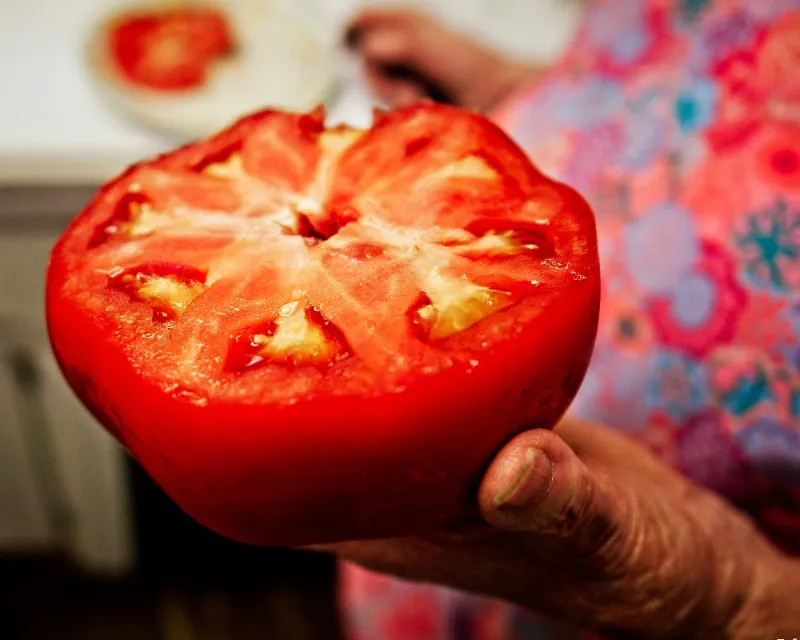
Tomato seeds, especially heirloom varieties, have lower germination rates than modern hybrids. A beefsteak tomato seed that’s one year old may only have 70-80% viability compared to 95% for a fresh hybrid. But low viability doesn’t mean failure. The real culprit is environment.
Seeds need three things: warmth, moisture, and air. When any one fails, germination stalls. A beefsteak tomato seed won’t break dormancy below 60°F, and it will rot if the soil stays waterlogged. Most gardeners either keep their seeds too cold or suffocate them with overwatering.
Temperature: The Make-or-Break Factor
Beefsteak tomato seeds need consistent warmth to germinate. The ideal soil temperature is 70-80°F. Below 60°F, germination is slow or nonexistent. Above 85°F, seeds dry out faster and can lose viability.
Indoors, place your seed trays on a heat mat set to 75°F. A windowsill is too cool and too variable. If you’re starting seeds in early spring when the house is still cold, a heat mat is not optional, it’s essential. Even a few degrees below ideal can delay germination by a week or stretch it out unpredictably.
- Check soil temperature with a thermometer, not your hand.
- Keep the mat on 24/7 until seedlings emerge.
- Once sprouts break the soil surface, remove the mat and drop the air temperature to 65-70°F to prevent leggy growth.
Moisture: Wet Soil Is Not Moist Soil
The biggest mistake we see is overwatering seed trays. Waterlogged soil blocks oxygen and causes seed rot. But bone-dry soil won’t germinate either.
Moist means the soil feels like a wrung-out sponge. When you squeeze it, no water drips out, but it holds together. Start with moist seed mix before you plant. Then cover the tray with a humidity dome or plastic wrap to slow evaporation.
Check the soil daily. If the top quarter-inch is dry, mist lightly with a spray bottle. Don’t pour water on the tray. If you see standing water or the soil looks glossy, lift the cover and let it air out for a few hours. Too much humidity is as bad as too little.
- Use a seed-starting mix (peat, coco coir, or perlite blend), not garden soil, which compacts and holds too much water.
- Mist from above or water from below by setting the tray in a shallow pan of water and letting it wick up.
- Remove the humidity dome once seedlings emerge to prevent damping off.
Seed Age and Storage Affect Germination Rates
Old beefsteak tomato seeds germinate slower and less reliably. If your seeds are more than three years old and stored in a warm, humid place, expect poor results. Tomato seeds stored in a cool, dry location can last five to seven years, but germination rates decline by 10-15% each year.
Check the seed packet for a harvest date if available. Fresher seed from Vintage Seed Co will outperform older stock every time. If you’re using old seeds, soak them in room-temperature water for 24 hours before planting to rehydrate them and speed up germination.
Soil and Seed Depth Matter
Tomato seeds are small and need light to germinate, but they also need to stay moist. Press seeds into moist seed mix so they make contact with soil, then cover them with a thin layer (about 1/8 inch) of vermiculite or fine seed mix. Don’t bury them deep.
Use a sterile seed-starting mix. Garden soil or potting soil can carry fungi that kill seedlings. A blend of peat and perlite, or coco coir and perlite, drains well while retaining moisture.
Beefsteak Tomato Varieties and Their Germination Needs
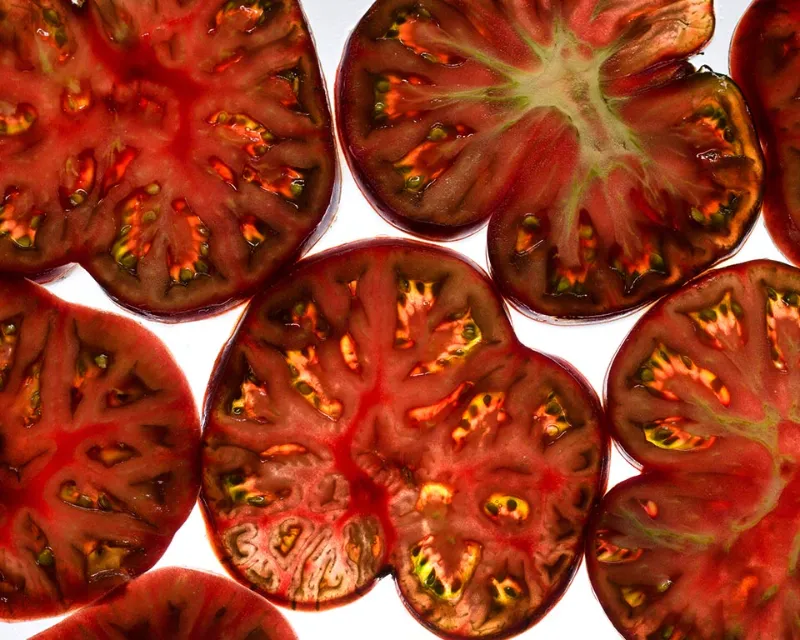
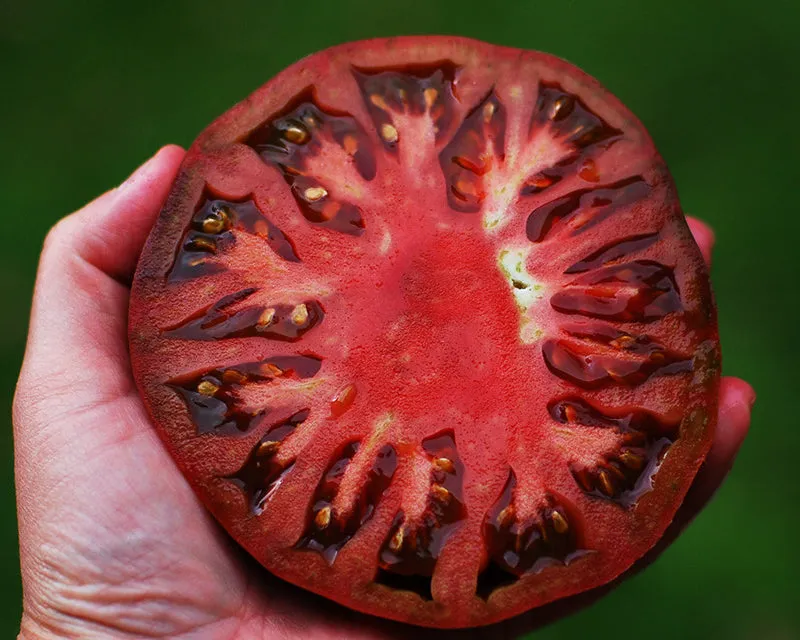
Different heirloom tomato varieties have slightly different germination windows, but they all share the same basic requirements. Black krim seeds, for example, are notoriously finicky and germinate best at exactly 75°F with consistent moisture. Beefsteak tomatoes bred for flavor over vigor can be slower to break dormancy than commercial types.
If you’re growing multiple varieties, keep records. Note the germination rate, time to sprout, and any environmental factors that helped or hurt. After a few seasons, you’ll know which varieties need extra attention and which ones are forgiving.
For comparison, here’s how common beefsteak tomato varieties stack up:
| Variety | Germination Time | Temperature Sensitivity | Vigor |
|---|---|---|---|
| Classic Beefsteak | 5-8 days | Moderate | High |
| Cherokee Purple | 6-10 days | High | Low |
| Black Krim | 7-12 days | Very High | Low |
When to Seek Fresh Seed
If you’ve optimized temperature, moisture, and depth and still see less than 50% germination, buy fresh seed. Grab the code to get 10% off your order and stock up with newer seed that you know is viable.
Heirloom beefsteak tomato seeds are worth the investment, but only if you start them right. A single mature plant will produce 20-30 pounds of fruit over a season, so a few dollars on quality seed pays for itself in the first week of harvest. For more detail on beefsteak tomato varieties and materials, see our guide on growing your own beefsteak tomatoes.
Start your next batch with a heat mat, a moisture meter, and fresh seed. You’ll see germination rates jump from 30-40% to 80-90% within your first try.
Questions
How long does it take for beefsteak tomato seeds to germinate?
Most beefsteak tomato seeds sprout in 5-10 days at 75°F with consistent moisture. Heirloom varieties like black krim can take 7-12 days. If nothing shows after two weeks, the conditions were likely too cold, too wet, or the seed was too old.
Can I use old beefsteak tomato seeds?
Yes, but expect lower germination rates. Tomato seeds stored in cool, dry conditions can remain viable for five to seven years, but germination drops 10-15% per year. Seeds older than three years stored at room temperature are risky. Soak old seeds in water for 24 hours before planting to improve results.
What temperature do beefsteak tomato seeds need to germinate?
Beefsteak tomato seeds need soil temperature between 70-80°F to germinate reliably. Below 60°F, germination is very slow or won't happen. Use a heat mat to maintain consistent warmth indoors during cool months.
Why are my beefsteak tomato seeds rotting?
Overwatering is the most common cause. Soil should feel like a wrung-out sponge, not soggy. If water pools in your seed tray or the soil looks glossy, remove the humidity dome and let it dry out slightly. Waterlogged soil blocks oxygen and invites fungal rot.
Should I cover beefsteak tomato seeds with soil?
Yes, but very lightly. Press seeds into moist soil so they make contact, then cover with just 1/8 inch of vermiculite or seed mix. Tomato seeds need some light to germinate, so avoid burying them deep. Use a humidity dome to keep moisture even until sprouts emerge.
Where can I buy fresh beefsteak tomato seeds?
Fresh beefsteak tomato seed from Vintage Seed Co will germinate much better than old stock. [Check the latest price](/vintage-seed-co-discount-code/) and use the code for 10% off all orders.
Products in this guide
 Shopping at Vintage Seed Co? See the discount code
10% OFF All Orders
Shopping at Vintage Seed Co? See the discount code
10% OFF All Orders
More in this series
 Sugar Baby Watermelon Seeds: Yield, Days to Maturity, and Storage Tips29 Aug 20263 min
 Best Pepper Seeds for Beginners: Trinidad Scorpion, Habanero, and Purple Bell Compared29 Aug 20265 minBlack Krim Tomato vs Cherokee Purple: Which Heirloom Variety Should You Plant?29 Aug 20264 min
 How to Grow Habanero Peppers from Seed: A Complete Guide29 Aug 20264 min