 A Vintage Seed Co guide
How to Grow Habanero Peppers from Seed: A Complete Guide
Growing habanero peppers from seed takes patience and care, but pepperoncini peppers and other heat-loving varieties reward you with months of fresh harvests.
Growing habanero peppers from seed takes patience and care, but the payoff is worth it. Unlike grocery-store peppers that cost dollars per pound, seed-grown habaneros produce abundantly once established, and you control exactly what you grow. We’ll walk you through every step, from seed selection through your first harvest.
Starting habanero pepper seeds indoors
Habaneros need a head start. Most gardeners sow seeds 6 to 8 weeks before their last spring frost, which gives seedlings time to develop strong roots and leaves before transplanting. Grab the code for 10% off seed orders at Vintage Seed Co.
Start with a sterile seed-starting mix (peat, coco coir, or perlite blend). Fill seed trays or small pots, moisten the soil, and sow seeds about a quarter inch deep. Habanero seeds germinate best at soil temps between 70 and 85°F. A seedling heat mat speeds germination from 7 to 14 days.
- Use a clear humidity dome or plastic wrap to trap moisture during germination
- Keep soil consistently moist but not waterlogged
- Remove the dome once seedlings emerge
- Provide 14 to 16 hours of grow-light daily, positioned 2 to 3 inches above the leaves
Seedlings will develop their first true leaves within 2 to 3 weeks. Once they do, thin weak seedlings or transplant each one into its own 2-inch pot to prevent crowding.
Caring for seedlings before transplant
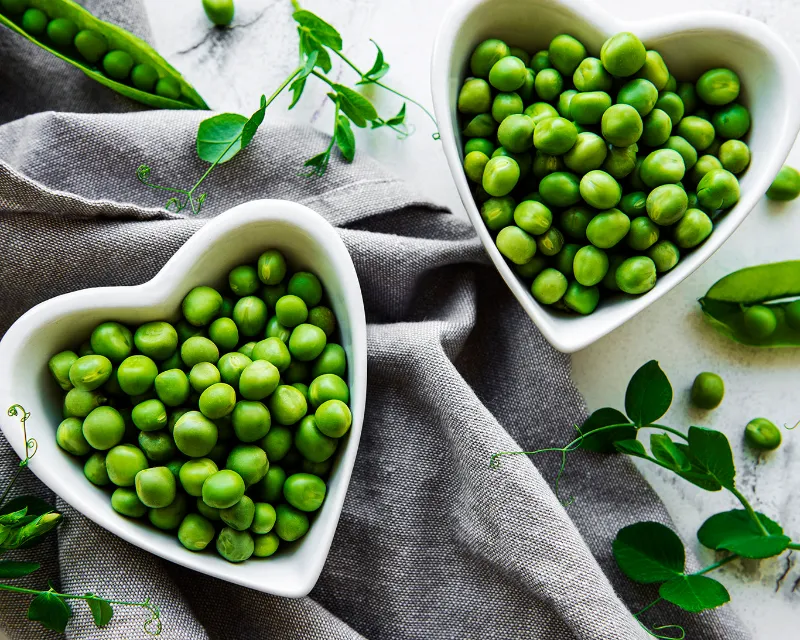
Young habanero plants are tender and slow-growing compared to tomatoes or snap peas. They need consistent warmth, steady light, and gentle air circulation.
Water from below or water the soil directly, never the leaves. Wet foliage invites fungal issues. Once seedlings have two sets of true leaves, begin fertilizing every two weeks with half-strength balanced fertilizer (10-10-10 or similar).
Provide air movement with a small fan on low to strengthen stems. This also helps prevent damping-off disease, which kills seedlings at soil level.
If seedlings get leggy (tall and thin), they’re not getting enough light. Move grow lights closer or add more hours of daily light.
Hardening off and transplanting outdoors
Hardening off is the make-or-break step. Seedlings raised indoors are soft and shock easily when exposed to direct sun, wind, and temperature swings. Skip this step and you’ll lose plants.
Begin 7 to 10 days before your target transplant date. On day one, place seedlings in a sheltered, partly shaded spot outdoors for 1 to 2 hours. Each day, add another hour of time outside and gradually increase sun exposure. By day 7 or 8, seedlings should handle a full day and partial sun. By day 10, they’re ready for full sun.
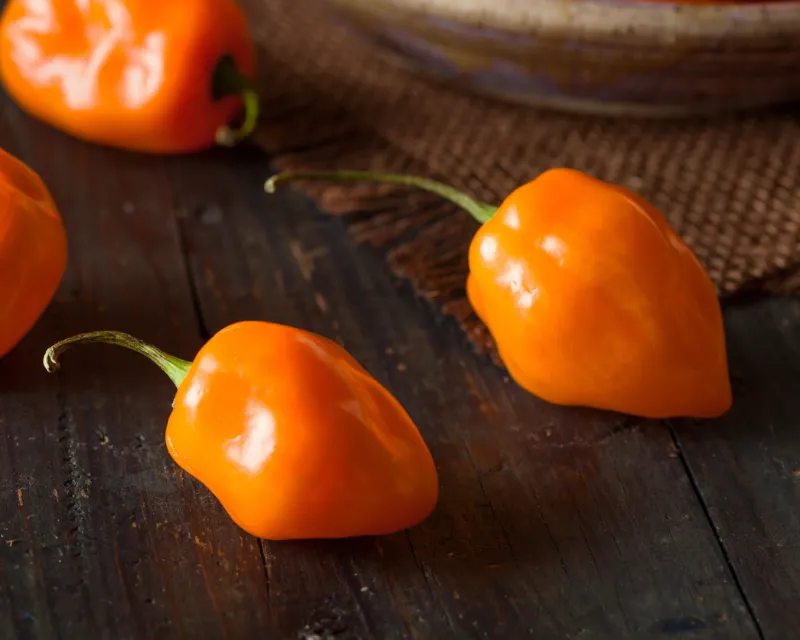
Plant outdoors after nighttime temps stay consistently above 60°F. Space habanero pepper plants 18 to 24 inches apart in full sun (at least 6 to 8 hours daily). Mix compost into planting holes to boost soil fertility.
Soil, light, and water needs for mature plants
Habaneros thrive in well-draining soil rich in organic matter. Work in 2 to 3 inches of compost before planting. Soil pH should sit between 6.0 and 6.8.
Water deeply and regularly once plants establish. Aim for 1 to 2 inches of water per week (including rainfall). Mulch around the base with 2 inches of straw or wood chips to retain moisture and regulate soil temperature.
Habaneros are heavy feeders. Apply a balanced fertilizer or fish emulsion every 3 to 4 weeks once flowering starts. Too much nitrogen delays flowering and encourages leaf growth over fruit.
Full sun is non-negotiable. Habaneros need 8 to 10 hours of direct sunlight daily for best productivity and heat development. Shade reduces both yields and pepper intensity.
When to harvest and flavor notes
Habaneros mature from green to orange, red, or chocolate depending on variety. They’re edible at green stage but develop full heat and flavor once colored. Each plant typically produces 30 to 80 peppers over a season.
Harvest by cutting peppers from the stem with pruners rather than pulling. Pulling can damage branches.
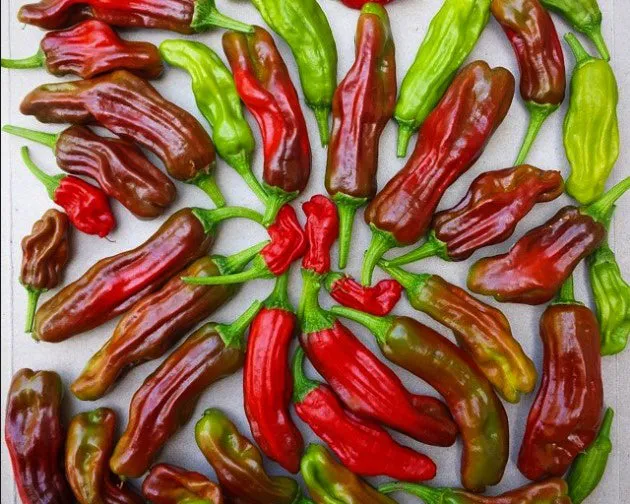
Habaneros rank 100,000 to 350,000 Scoville Heat Units, making them 12 to 100 times hotter than a jalapeño. They have a fruity, citrusy undertone that works well in salsas, marinades, and hot sauces. If you prefer milder peppers, pepperoncini peppers offer a tangy, only-slightly-spicy alternative that’s also easy to grow from seed.
Trying other seed varieties from Vintage Seed Co
Once you’ve mastered habaneros, branch out. The same hardening-off and transplant technique works for pepperoncini and other pepper varieties. Vintage Seed Co carries a range of heat levels and flavors.
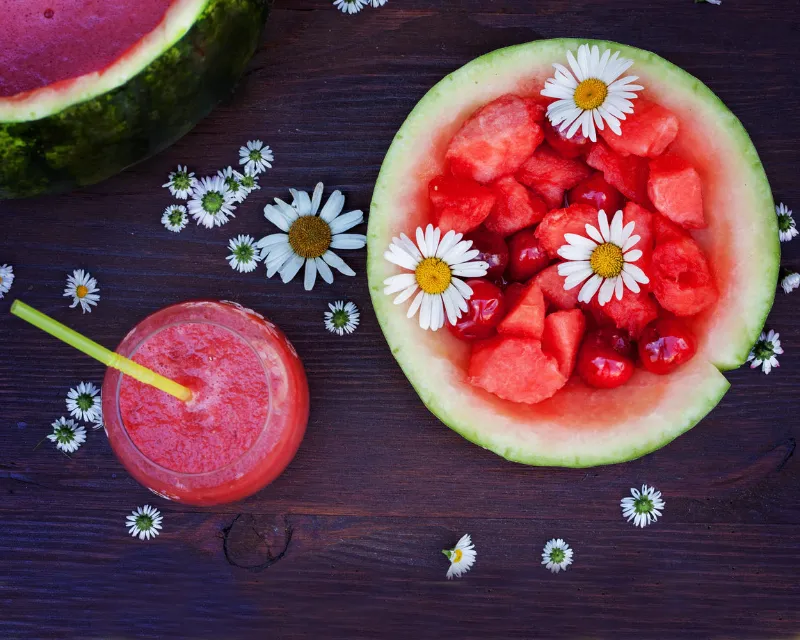
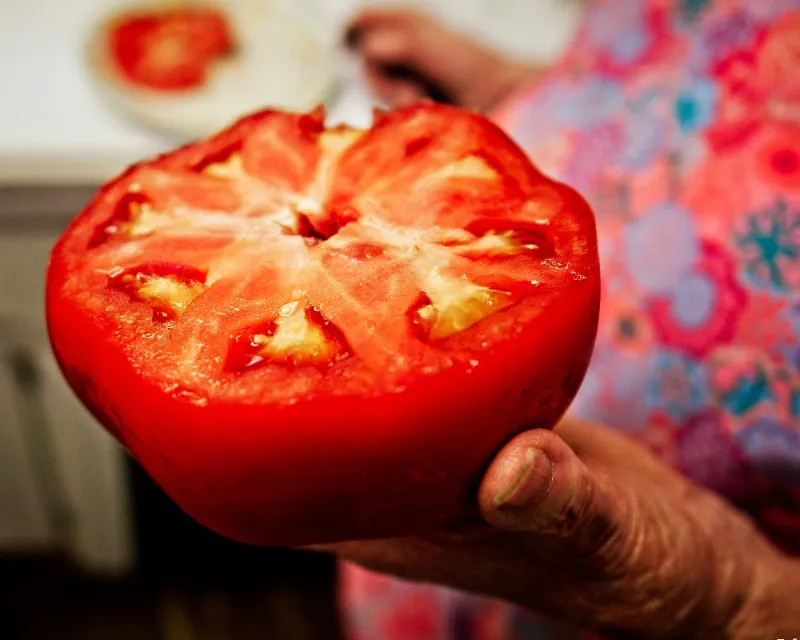
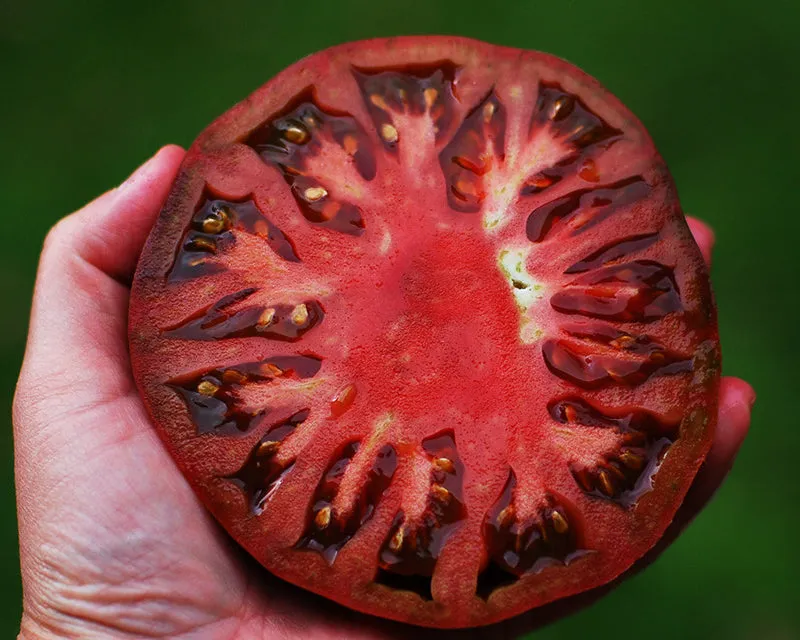
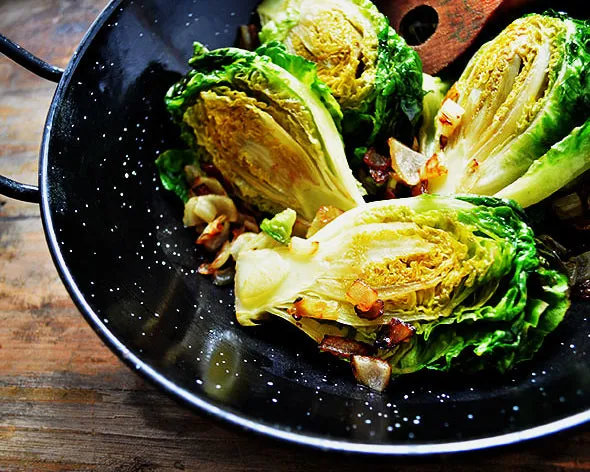
If you’re building a full garden, consider pairing peppers with other heat-loving seeds like sugar baby watermelon, beefsteak tomato, or cherokee purple. Cool-season crops like little gem lettuce and snap peas can start earlier in spring, then share garden space in fall after peppers wind down.
Check the latest price and grab seed with 10% off at Vintage Seed Co today.
Common mistakes to avoid
Not starting early enough is the top culprit. Habaneros are slow growers. If you sow too late, you’ll get plants but miss peak production before fall frost.
Inconsistent watering stresses plants and reduces yields. Stick to a schedule once plants are established outdoors.
Skipping hardening off or transplanting too early when soil is cold causes root rot and stunted growth. Wait for soil temp to reach 60°F minimum, ideally 70°F.
Overcrowding seedlings indoors leads to weak, leggy plants that don’t recover well outdoors.
Finally, overfeeding with nitrogen delays flowering. Habaneros need balanced nutrition, not heavy nitrogen.
Extending your harvest
Habaneros flower and fruit all summer and into early fall. In frost-prone zones, cover plants with frost cloth or bring potted plants indoors if temps drop below 50°F.
Many gardeners dig up plants in fall, pot them, and overwinter them indoors under grow lights. These dormant plants wake up earlier the next spring and produce fruit months sooner than new seedlings.
Save seeds from your best-performing plants for next year. Let a few peppers fully mature and dry on the plant, then extract and dry seeds indoors on paper towels for 2 to 3 weeks before storing in a cool, dry place.
Questions
How do pepperoncini peppers differ from habaneros?
[Pepperoncini peppers](https://www.kitchendenseeds.com/pepperoncini-pepper.html) are much milder (100 to 500 Scoville units) with a tangy, slightly sweet flavor, while habaneros range from 100,000 to 350,000 Scoville units and have fruity heat. Both grow well from seed using the same indoor-start method, but pepperoncini mature faster and tolerate shade better.
What's the easiest way to tell when habanero peppers are ready to harvest?
Wait for color change from green to your variety's mature color (orange, red, or brown). Peppers are edible at green stage but develop fuller heat and flavor once fully colored. Cut peppers with pruners rather than pulling to avoid damaging branches.
Can I start habanero pepper seeds without a heat mat?
Yes, but germination will be slower and less reliable. Habanero seeds germinate best between 70 and 85°F. If your home is cooler, place seed trays on top of the refrigerator, water heater, or near a sunny window for passive warmth.
Why are my habanero seedlings tall and skinny?
Leggy growth means seedlings aren't getting enough light. Move your grow lights closer (within 2 to 3 inches of the leaves) or add more hours of daily light. Ensure you're also providing air circulation with a small fan.
How long does it take to grow habanero peppers from seed to harvest?
Expect 90 to 150 days total from seed to first fruit. Indoor germination and seedling growth takes 6 to 8 weeks, then another 6 to 8 weeks outdoors before flowering begins and peppers mature.
Can I use the same potting soil for peppers as I do for my tomato seedlings?
Yes, both benefit from sterile seed-starting mix or a light potting soil with peat, coco coir, and perlite. Both are heavy feeders and need rich soil after transplanting, so amend planting holes with compost for best results.
Products in this guide
 Shopping at Vintage Seed Co? See the discount code
10% OFF All Orders
Shopping at Vintage Seed Co? See the discount code
10% OFF All Orders
More in this series
Why Your Heirloom Tomato Seeds Aren’t Germinating: Troubleshooting Common Issues29 Aug 20264 minSugar Baby Watermelon Seeds: Yield, Days to Maturity, and Storage Tips29 Aug 20263 minBest Pepper Seeds for Beginners: Trinidad Scorpion, Habanero, and Purple Bell Compared29 Aug 20265 min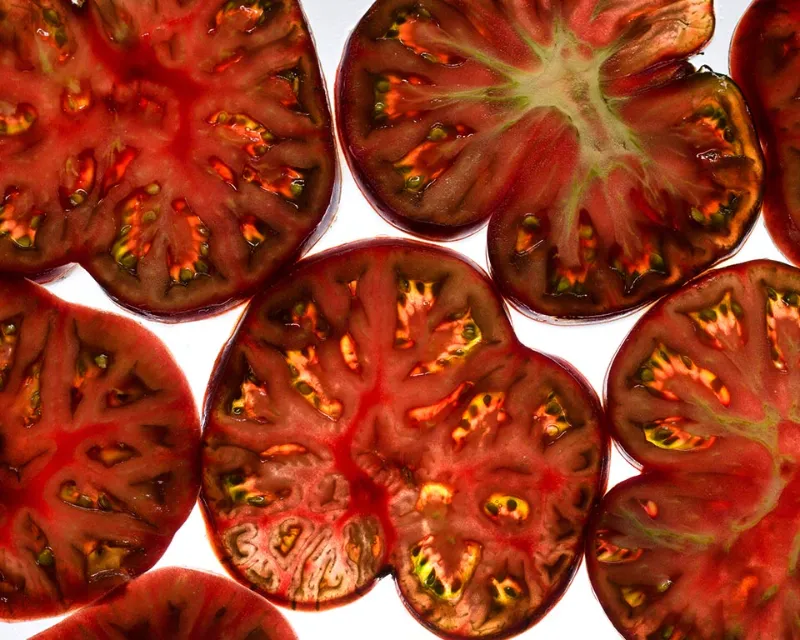 Black Krim Tomato vs Cherokee Purple: Which Heirloom Variety Should You Plant?29 Aug 20264 min