 A Vintage Seed Co guide
Best Pepper Seeds for Beginners: Trinidad Scorpion, Habanero, and Purple Bell Compared
A purple bell pepper is a beginner-friendly choice that pairs well with hotter varieties like habanero and Trinidad Scorpion for a diverse garden.
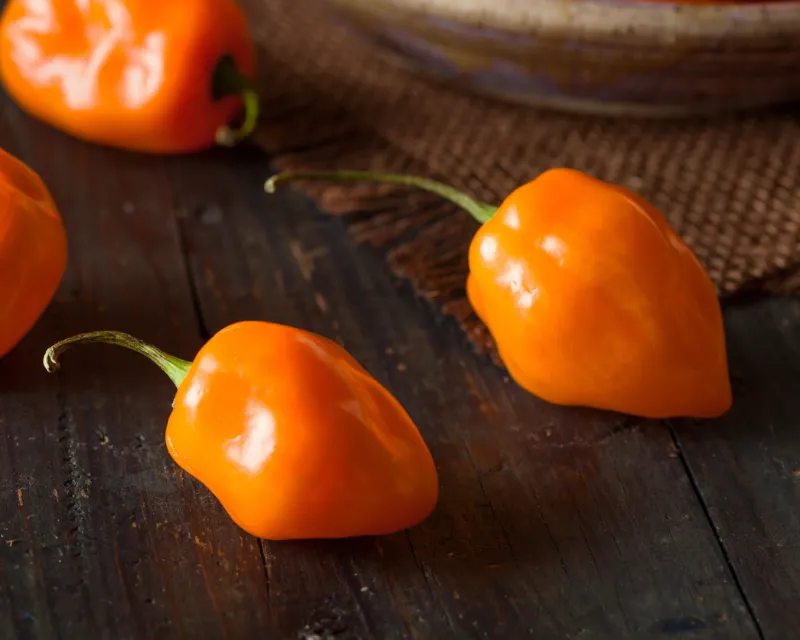
A purple bell pepper is one of the easiest pepper varieties for new gardeners, and it pairs well alongside hotter options like the habanero pepper and Trinidad Scorpion to build a varied seed collection. Whether you want sweet bell peppers, hot peppers, or something in between, these three types give you the full spectrum and real learning value as you develop your growing skills.
Purple Bell Pepper: The Beginner’s Foundation
The purple bell pepper plant stands out because it’s forgiving, productive, and rewarding. Unlike super-hot varieties, this purple bell pepper produces mild, sweet fruit with a rich flavor and stunning color. It germinates reliably, tolerates common beginner mistakes, and yields multiple peppers per plant over a long season. If you’re starting from seed, the purple bell pepper takes 60 to 90 days to mature, giving you time to learn the rhythm of watering and feeding without pressure. Check the latest seeds and grab our discount code for your first order.
The flavor profile is what really sets purple bell peppers apart. They’re sweeter than green bell peppers and work beautifully in stir-fries, salads, and roasting. You’ll use them constantly in the kitchen, which means you’ll eat what you grow and understand the real payoff of seed starting. For purple bell pepper recipes and inspiration, roasting brings out their natural sweetness even more than raw applications.
Habanero Pepper: The Next Step Up
Once you’ve succeeded with a purple bell pepper plant, the habanero pepper is the logical next challenge. This variety introduces heat (about 100,000 to 350,000 Scoville units) without overwhelming you, and it teaches you how to manage hotter peppers in a garden setting. Habaneros germinate slightly slower than bell peppers and prefer consistent warmth, so you’ll pick up real seed-starting discipline here.
The habanero pepper rewards patience. These plants grow bushier than bell peppers and can produce dozens of small, fruity peppers over a season. They work fresh, smoked, or fermented, so the culinary applications expand your cooking too. Growing this variety alongside your purple bell pepper shows you the difference in plant behavior, pest pressure, and ripening speed.
Trinidad Scorpion: The Challenge
The Trinidad Scorpion is one of the world’s hottest peppers (over 1.2 million Scoville units) and belongs in a beginner’s garden only if you’re genuinely curious about extreme heat and willing to handle extended germination times and fussy seedling care. We don’t recommend it as your first pepper, but as your second or third year project, it teaches you problem-solving, patience, and what peak capsaicin looks like.
This pepper is named for its tail-like pointy end, not for temperament. It germinates unpredictably, can take 3 to 4 weeks to sprout, and needs warmth and humidity. If you grow it, do so in a separate seed tray so slower germination doesn’t compete with faster varieties.
Comparing Heat, Flavor, and Growing Difficulty
| Variety | Heat Level | Flavor | Days to Maturity | Difficulty |
|---|---|---|---|---|
| Purple Bell Pepper | Mild (0 SHU) | Sweet, fruity | 60-90 | Easy |
| Habanero Pepper | Medium-Hot (100K-350K SHU) | Citrusy, fruity | 90-120 | Moderate |
| Trinidad Scorpion | Extreme (1.2M+ SHU) | Fruity, smoky | 120-150 | Difficult |
The purple bell pepper is your foundation. The habanero pepper builds your skills. The Trinidad Scorpion tests your commitment. Starting all three together means managing different paces and needs, which is realistic garden work.
Building a Balanced Beginner’s Seed Collection
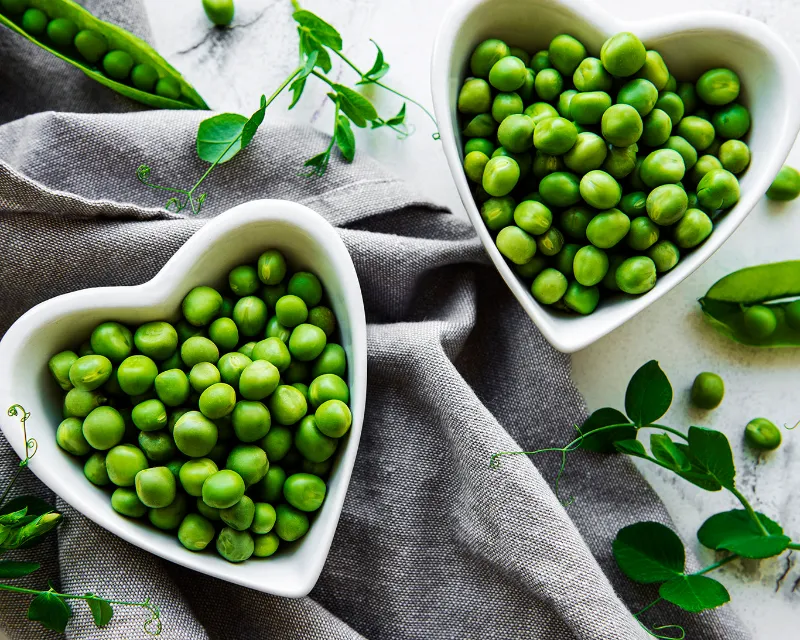
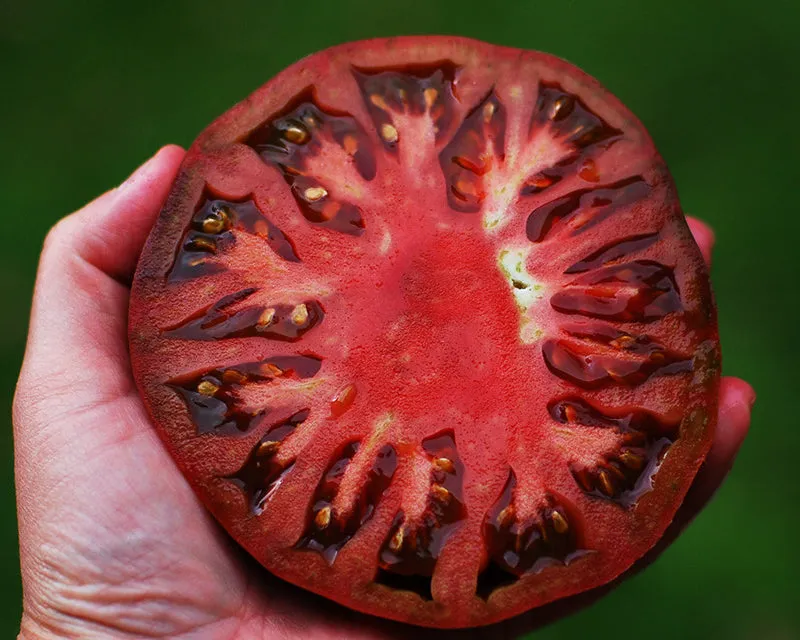
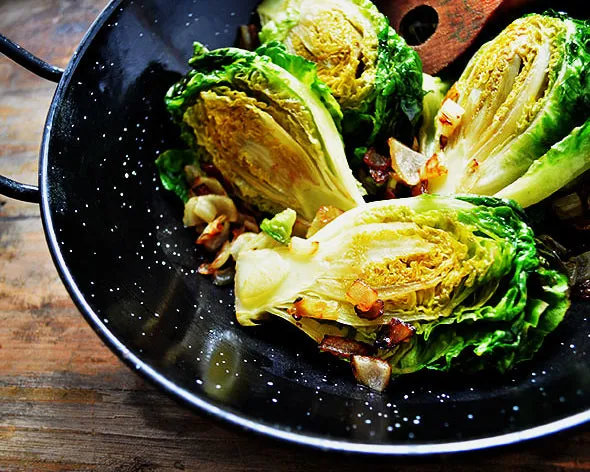
Don’t stop at peppers. A well-rounded first garden includes complementary crops. Snap peas add quick wins and nitrogen to your soil. Little gem lettuce gives you salad greens while waiting for peppers to fruit. If you want tomato diversity, the cherokee purple offers rich flavor and grows just as tall as pepper plants, so you can companion-plant them together.
Pepperoncini peppers are another option if you want a pickling pepper that’s mild but tangy. They’re smaller and more prolific than bell peppers, so you’ll have plenty to preserve. Mixing in one or two other crops teaches you about spacing, pest pressure across different plants, and season management all at once.
Starting Seed Indoors: What These Peppers Need
All three pepper varieties need warmth to germinate. Start indoors 8 to 10 weeks before your last frost date. Pepper seeds germinate best at 70 to 85°F, so a seed mat helps significantly. The purple bell pepper germinates in 7 to 14 days. The habanero pepper takes 10 to 20 days. The Trinidad Scorpion can take 3 to 4 weeks or longer, so sow it separately to avoid abandoning the tray early.
Use seed starting mix, keep it moist but not waterlogged, and provide light as soon as seedlings emerge. These peppers grow slowly as seedlings, so don’t expect rapid height. That’s normal. Steady growth beats leggy, weak starts every time. Harden off seedlings by placing them outside in a sheltered spot for a few hours each day before transplanting.
When to Transplant Into Your Garden
The purple bell pepper plant is ready to go outside after the last frost and soil warms to 60°F or higher. Wait another week or two before planting the habanero pepper and Trinidad Scorpion if temps are cool. Cold soil shocks these plants and stunts early growth.
Space purple bell peppers 18 to 24 inches apart. Give habanero peppers the same spacing. Trinidad Scorpions grow tall and bushy, so plant them 24 to 30 inches apart. Mulch around all three to keep soil moist and regulate temperature. Water deeply when the top inch of soil feels dry. Inconsistent watering causes blossom-end rot, so this is where beginner discipline matters most.
Where to Buy Your Seeds
Grab the code for 10% off all orders and stock up on purple bell pepper seeds, habanero peppers, and any complementary crops you want to try. Vintage Seed Co carries tested varieties that germinate reliably and produce well in home gardens. Order early in the season so you have full selection and time to plan your seed-starting schedule.
Starting with a purple bell pepper, stepping up to a habanero pepper, and challenging yourself with a Trinidad Scorpion gives you a complete education in pepper growing over your first year or two. Each teaches a new skill, each rewards your effort, and each shows you why seed starting beats buying transplants from a box store.
Questions
Can I grow purple bell pepper seeds indoors year-round?
Purple bell pepper plants need consistent warmth and at least 12 to 16 hours of light daily. You can grow them indoors under grow lights, but outdoor growing in warm months is simpler and requires less equipment for beginners.
What's the difference between a purple bell pepper and habanero pepper?
A purple bell pepper is mild and sweet with a large, blocky fruit. The habanero pepper is small, hot (100K-350K Scoville units), and has a fruity, citrusy flavor. Bell peppers take 60 to 90 days to mature; habaneros take 90 to 120 days.
Do I need to hand-pollinate purple bell pepper seeds indoors?
If you're growing seedlings indoors, no. Once you transplant outdoors, bees and wind pollinate the flowers naturally. Indoors under lights, you can gently shake the flowers when they bloom to encourage pollination, but it's not required.
How many purple bell pepper plants should a beginner grow?
Start with two to three plants. One plant might get stressed by pests or disease, but two to three gives you redundancy and a real harvest without overwhelming you.
What's the purple bell pepper taste like compared to other colors?
Purple bell peppers are sweeter and slightly more fruity than green peppers, with a richer flavor similar to red peppers. They're great raw in salads or roasted to bring out even more sweetness.
Can I save purple bell pepper seeds from my harvest?
Yes. Let one or two peppers stay on the plant until fully ripe. Cut them open, scoop out the seeds, rinse and dry them completely on a plate for two to three weeks, then store in a cool, dry place. They'll grow true if your purple bell pepper plant wasn't cross-pollinated with other pepper varieties.
Products in this guide
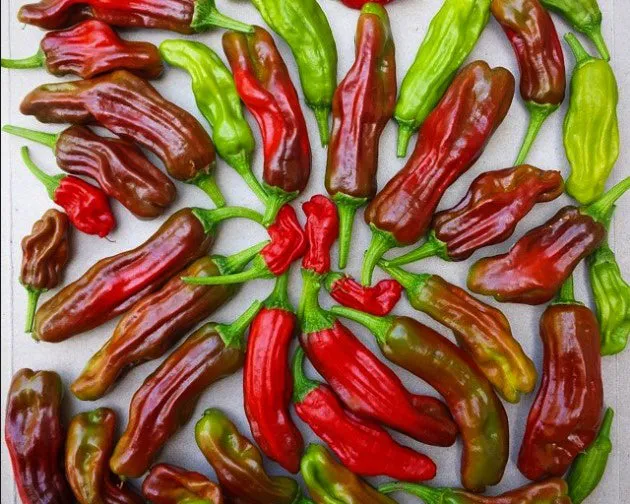 Shopping at Vintage Seed Co? See the discount code
10% OFF All Orders
Shopping at Vintage Seed Co? See the discount code
10% OFF All Orders
More in this series
Why Your Heirloom Tomato Seeds Aren’t Germinating: Troubleshooting Common Issues29 Aug 20264 min Sugar Baby Watermelon Seeds: Yield, Days to Maturity, and Storage Tips29 Aug 20263 min
 Black Krim Tomato vs Cherokee Purple: Which Heirloom Variety Should You Plant?29 Aug 20264 minHow to Grow Habanero Peppers from Seed: A Complete Guide29 Aug 20264 min