 A Vintage Seed Co guide
Black Krim Tomato vs Cherokee Purple: Which Heirloom Variety Should You Plant?
A black krim tomato delivers dark, smoky sweetness and meaty flesh, but Cherokee Purple offers different strengths, so your choice depends on what you prioritize.
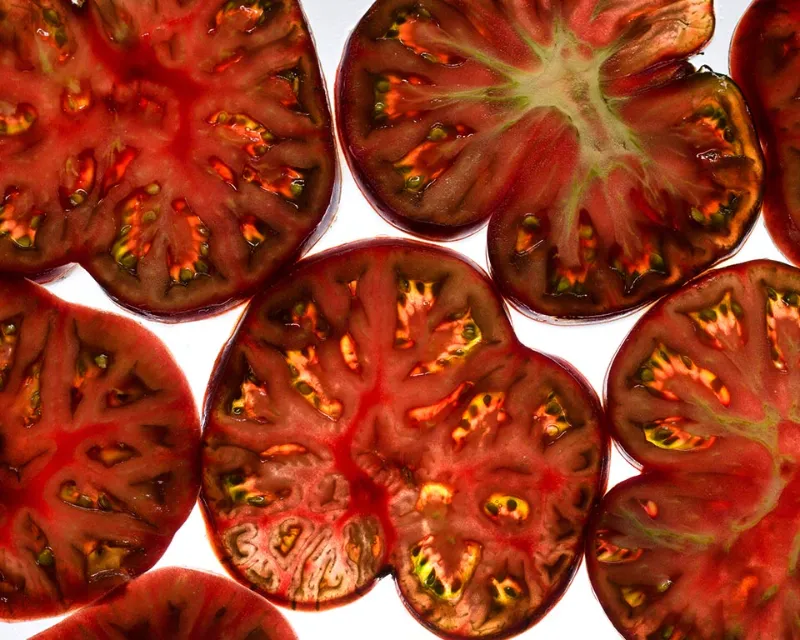
A black krim tomato delivers dark, smoky sweetness and meaty flesh, but Cherokee Purple offers different strengths, so your choice depends on what you prioritize in flavor, yield, and growing conditions.
Both heirlooms rank among the most sought-after tomato varieties for home gardeners and serious growers. The black krim tomato is a Russian heirloom known for its deep mahogany color and complex taste. Cherokee Purple is a Tennessee heirloom with dusty pink skin and green shoulders. Understanding how they differ helps you pick the variety that matches your garden and kitchen goals.
Black Krim Tomato Flavor and Appearance
The black krim tomato has a distinctly smoky, slightly salty flavor with notes of molasses and mineral depth. Its skin is very dark, almost black-brown, and the flesh is a deep mahogany inside. Expect medium-sized fruits, typically 3 to 5 inches across, and relatively few seeds compared to other heirlooms.
Black Krim originated in Crimea and was preserved by heirloom seed collectors across the Soviet era. The dark color comes from high lycopene content, which also contributes to its complex, savory profile. Many gardeners grow black krim tomatoes specifically for slicing and eating fresh, where the flavor shines without competing with other ingredients.
Cherokee Purple Taste and Characteristics
Cherokee Purple stands out for its subtle, fruity sweetness layered with a slight earthiness. The skin is dusky rose-pink with green or brown mottling near the shoulders. Fruits are typically larger than black krim tomatoes, ranging from 4 to 6 inches, and can weigh up to 12 ounces.
Cherokee Purple tends to have more seeds and more juice, making it excellent for sauces as well as fresh eating. The flavor is sweeter and less intense than black krim, appealing to gardeners who prefer a gentler tomato taste. It’s also become iconic in modern heirloom circles, so seed availability is strong.
Side-by-Side Comparison
| Trait | Black Krim Tomato | Cherokee Purple |
|---|---|---|
| Flavor | Smoky, salty, complex | Sweet, fruity, earthy |
| Skin Color | Dark mahogany-black | Dusky pink with green shoulders |
| Size | 3 to 5 inches | 4 to 6 inches |
| Yield | Moderate | Good |
| Seed Content | Fewer seeds | More seeds and juice |
| Best Use | Fresh slicing | Slicing and sauce |
| Disease Resistance | Moderate | Moderate |
Growing Conditions and Hardiness
Both varieties need full sun, rich soil, and consistent watering to perform well. Black krim tomatoes can handle slightly cooler nights better than some other heirlooms, making them a solid choice in shorter growing seasons. They tend to ripen more reliably in variable weather.
Cherokee Purple is more finicky about temperature swings and may produce less fruit in cool seasons. However, in warm, stable climates with a long summer, Cherokee Purple often delivers heavier crops. Neither variety has strong disease resistance, so plan for regular monitoring and proper spacing for air flow.
Starting seeds indoors 6 to 8 weeks before your last frost date works for both. They’re fairly straightforward to grow compared to some finicky heirlooms, though they do need staking or caging to manage their sprawling vines.
Yield and Season Considerations
The black krim tomato produces a steady stream of medium fruits over a long season. Expect peak production mid-summer through early fall. The smaller fruit size means you’ll harvest more individual tomatoes if you count pieces, though the total weight may be less than Cherokee Purple.
Cherokee Purple clusters fewer but larger fruits, so you get fewer picks but heavier yields per plant. It tends to fruit heavily in the peak summer window, then taper off as temperatures drop. If your season is short or cool, black krim tomatoes often outperform Cherokee Purple in total productivity.
Which Should You Plant?
Choose black krim tomato seeds if you love complex, savory flavors and want reliable performance in variable weather. They’re ideal for slicing fresh and pairing with minimal ingredients to let the taste speak. Black krim tomatoes also work well in cooler climates and shorter growing seasons.
Pick Cherokee Purple if you prefer sweeter, juicier tomatoes and have a warm, stable growing season. They’re better for sauce-making because of their higher juice content, and the larger fruits feel more gratifying to harvest. Cherokee Purple also attracts gardeners who value iconic heirloom varieties.
Many experienced growers plant both. Grab the code to get 10% off all orders and stock up on multiple tomato varieties from Vintage Seed Co. Growing both lets you compare them side by side in your own garden and discover your preference firsthand.
Starting Your Heirloom Tomato Garden
Both black krim and Cherokee Purple seeds germinate reliably indoors under warm conditions. Keep soil moist but not waterlogged, and provide bright light as soon as sprouts emerge. Most seeds germinate in 5 to 10 days at 70 to 80 degrees Fahrenheit.
Harden off seedlings before transplanting outdoors. Give plants plenty of space, at least 2 feet apart, to ensure air circulation and reduce disease pressure. Stake or cage them early to train the vines and keep fruit off the soil.
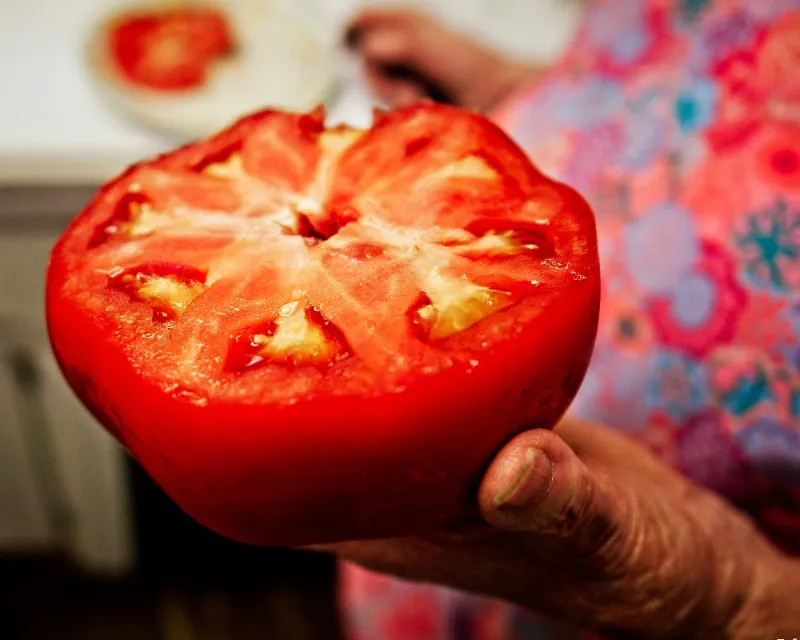
Consistent watering is critical during fruit development. Deep watering a few times per week beats daily shallow watering. Mulch around the base to retain moisture and keep soil temperature steady. Check the latest price and grab seeds for other heirloom varieties like beefsteak tomato seeds if you want even more tomato options in your garden.
Questions
What are black krim tomatoes good for?
Black krim tomatoes are best for fresh slicing and eating raw, where their smoky, complex flavor shines. Their meaty texture and fewer seeds make them ideal for caprese salads, tomato sandwiches, and any dish where the tomato flavor is the star. They're less watery than Cherokee Purple, so they work for cooking too, though they're not the best choice for sauce-heavy recipes.
How big is a black krim tomato?
A black krim tomato typically ranges from 3 to 5 inches in diameter and weighs around 6 to 10 ounces. They're medium-sized compared to beefsteak varieties but consistent in shape and easier to manage on a plant than very large heirlooms.
Why is my black krim tomato cracking?
Cracking usually happens when soil moisture fluctuates dramatically, especially heavy rain after a dry spell. Keep watering even and consistent, mulch around the plant to regulate soil moisture, and harvest ripe tomatoes promptly so they don't overabsorb water and split.
Can I grow black krim tomato in a container?
Yes, black krim tomatoes grow in containers, though they prefer pots at least 5 gallons to give roots enough room. Container-grown plants need more frequent watering and regular feeding because nutrients leach out faster than in garden soil.
Does black krim tomato have seeds, and are they easy to save?
Black krim tomatoes do have seeds, though fewer than other heirlooms. They're open-pollinated, so seeds breed true and are easy to save for next season. Ferment seeds in water for a few days, rinse well, dry on a screen, and store in a cool, dry place.
What is the black krim tomato origin?
The black krim tomato is a Russian heirloom from Crimea, preserved through the Soviet era and later introduced to gardeners outside Russia. Its dark color and smoky flavor reflect growing conditions in its homeland, and it has since become a favorite among heirloom tomato collectors worldwide.
Products in this guide
Shopping at Vintage Seed Co? See the discount code
10% OFF All Orders
More in this series
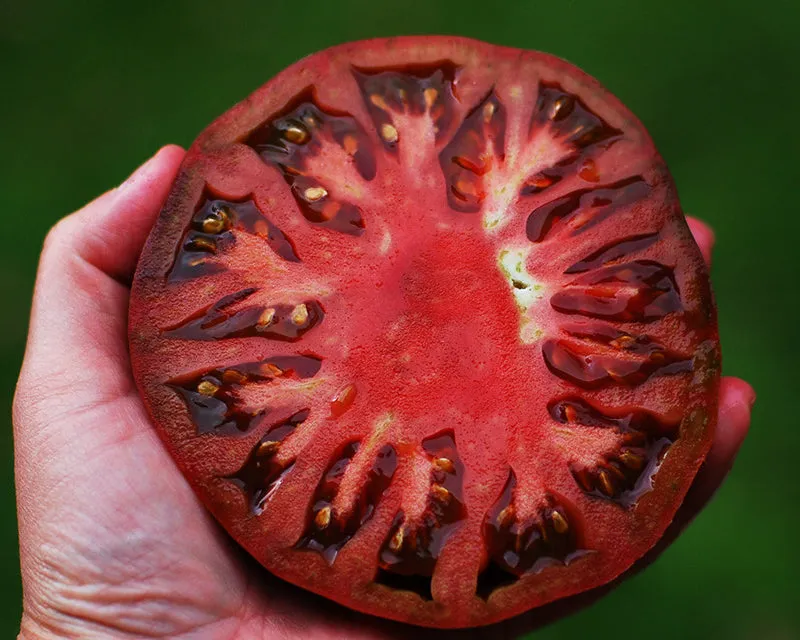 Why Your Heirloom Tomato Seeds Aren’t Germinating: Troubleshooting Common Issues29 Aug 20264 min
 Sugar Baby Watermelon Seeds: Yield, Days to Maturity, and Storage Tips29 Aug 20263 min
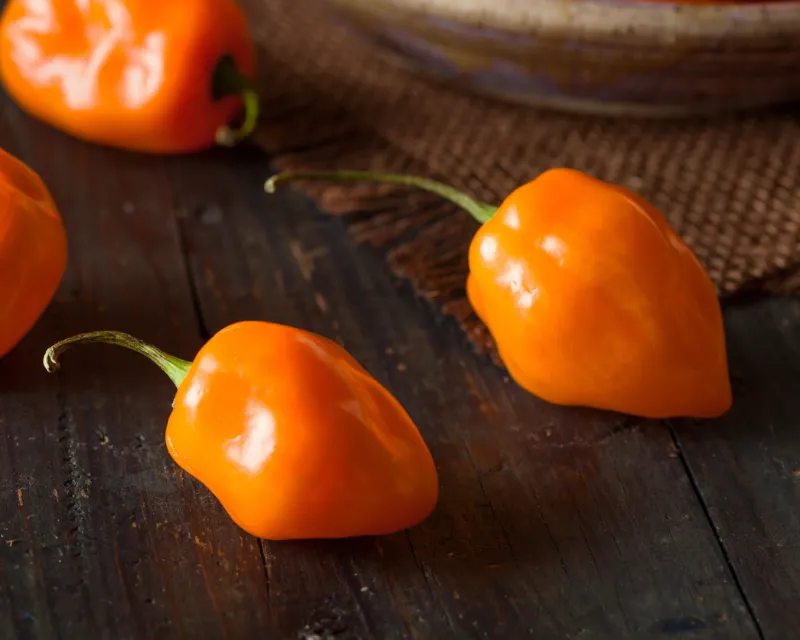 Best Pepper Seeds for Beginners: Trinidad Scorpion, Habanero, and Purple Bell Compared29 Aug 20265 min
 How to Grow Habanero Peppers from Seed: A Complete Guide29 Aug 20264 min