 A AI Art Shop guide
How to Frame and Display AI-Generated Art Prints Without Damaging Them
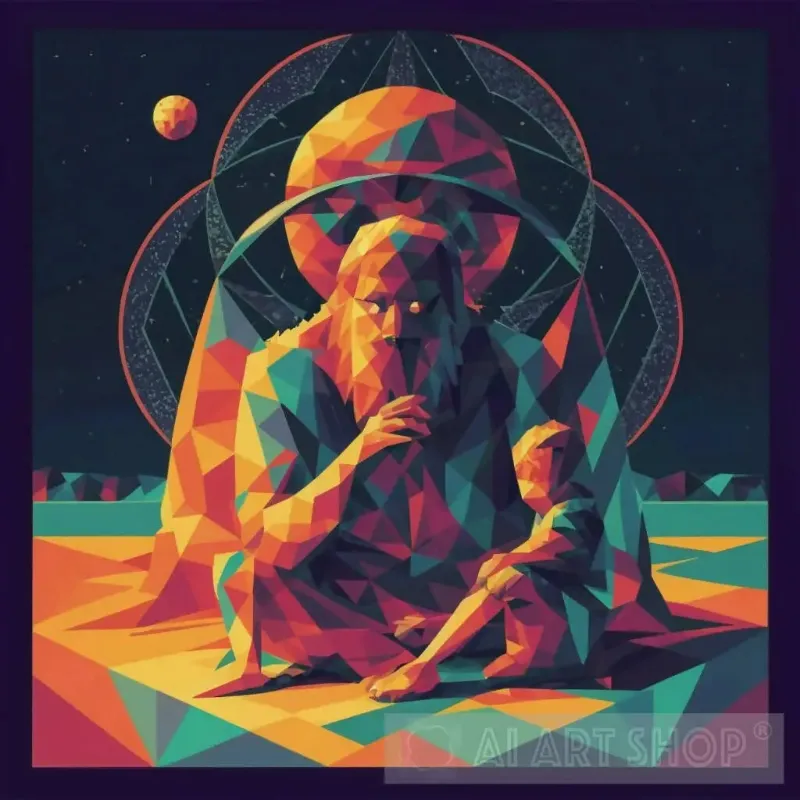
AI Art odin and similar AI-generated prints require careful framing and display techniques to prevent fading, warping, and damage over time.
AI Art odin and other AI-generated prints deserve professional-quality framing that protects the paper and ink from environmental damage. Here’s how to frame your AI art prints without causing fading, warping, or surface damage.
Choose the Right Frame Materials for AI Art Odin and Other Prints
The frame materials you select directly impact how well your print survives years of display. We recommend acid-free matting, UV-protective glazing, and frames with adequate depth.

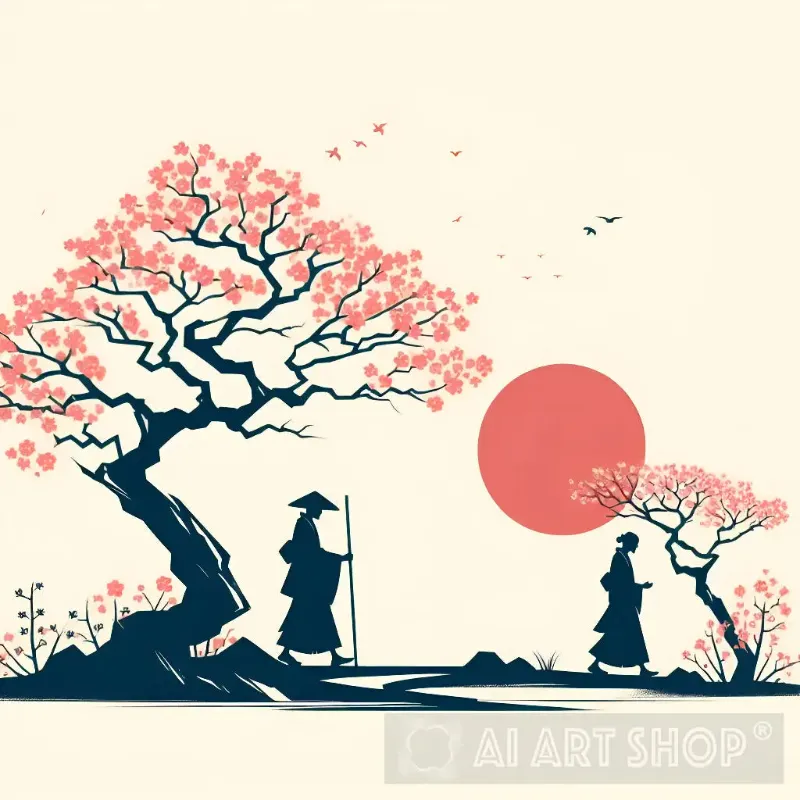
Mat board: Use only acid-free or conservation-grade mat board. Regular cardboard mats leach acids that yellow paper within months. Museum board costs more but protects prints like AI Art armada and sakura tree for decades. A 2 to 3 inch mat border provides visual breathing room and keeps the print surface away from the glass.
Glazing options: Standard glass offers no UV protection, which causes ink to fade under sunlight or bright indoor lighting. We prefer these alternatives:
- UV-filtering acrylic: blocks 99% of UV rays, weighs half as much as glass, and won’t shatter if dropped
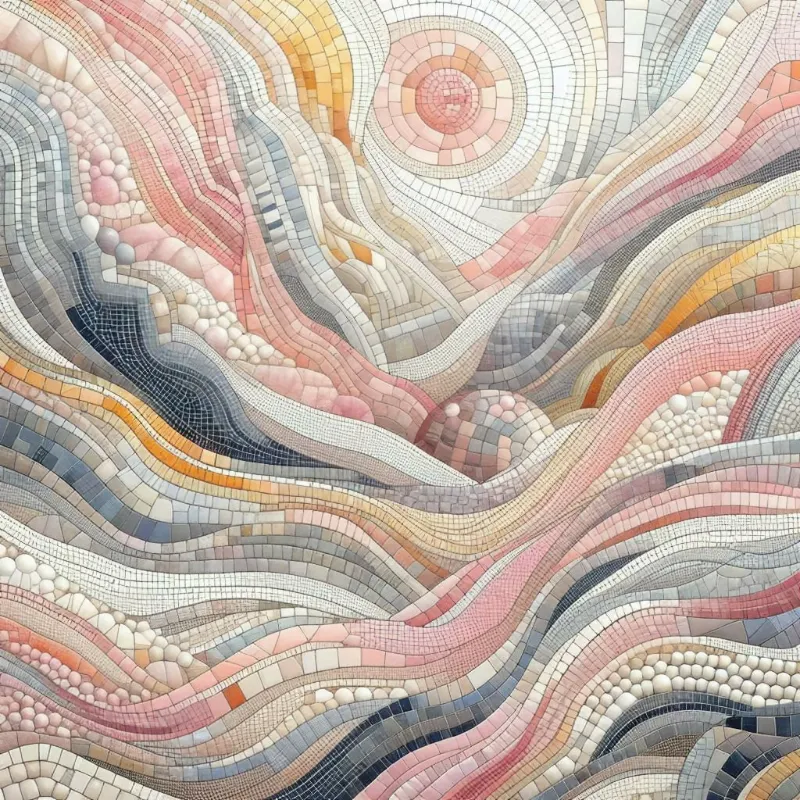
- Museum glass: blocks UV and reduces reflections, ideal for high-detail prints like mosaic art or lightning in a bottle
- Standard acrylic: affordable and lightweight, but offers minimal UV protection
Frame depth: AI art prints typically ship on standard weight paper. A frame with at least 0.5 inch depth accommodates the mat, backing board, and print without compression. Deeper frames work better if you plan to float-mount the print.
Before you buy framing supplies, check the latest price on the prints themselves to budget the total project cost.
Safe Mounting Techniques That Won’t Damage Paper
How you attach the print to the backing determines whether it survives or deteriorates. Avoid permanent adhesives, tape, or glue that stain or trap moisture.
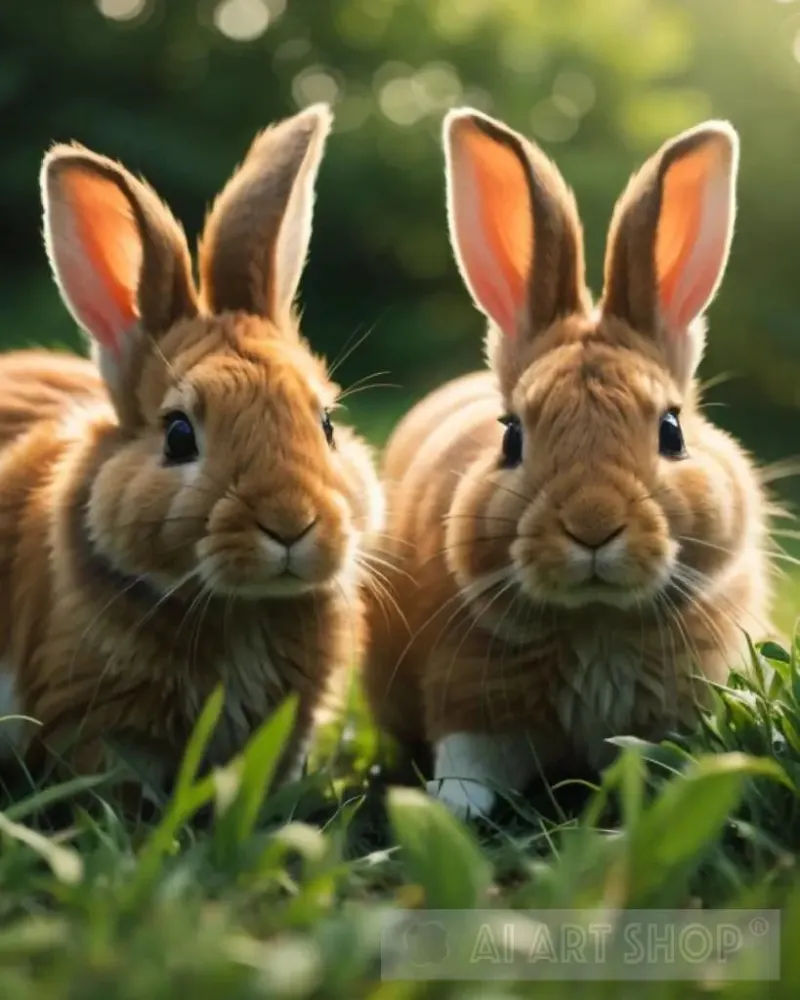
Corner mounts: Photo corners made from archival polyester or acid-free paper slip over each corner of the print and adhere to the backing board. The print slides in and out without any adhesive touching the artwork. This method works perfectly for standard prints like cute bunny or skeleton hand.
Hinge mounting: Attach a strip of archival linen tape or Japanese paper to the top back edge of the print, then secure the other end to the backing board. The print hangs naturally and can expand or contract with humidity changes. We use this technique for larger prints that need stability.
What to avoid:
- Rubber cement or craft glue (they yellow and seep through paper)
- Regular Scotch tape or masking tape (acids migrate into the print)
- Dry mounting with heat press (permanent and prevents future conservation)
- Spray adhesives (uneven coverage traps air bubbles and moisture)
For valuable or limited-edition prints, hinge mounting offers the best reversibility. If you damage the mount, you can remove and replace it without harming the print.
Display Location and Environmental Protection
Where you hang your framed AI art determines how long the colors stay vibrant. Light, humidity, and temperature swings all degrade print quality over time.
Light exposure rules:
- Keep prints out of direct sunlight, which fades ink even through UV glass within 6 to 12 months
- Position frames on walls perpendicular to windows rather than opposite them
- Use LED bulbs instead of incandescent lighting (LEDs emit almost no UV)
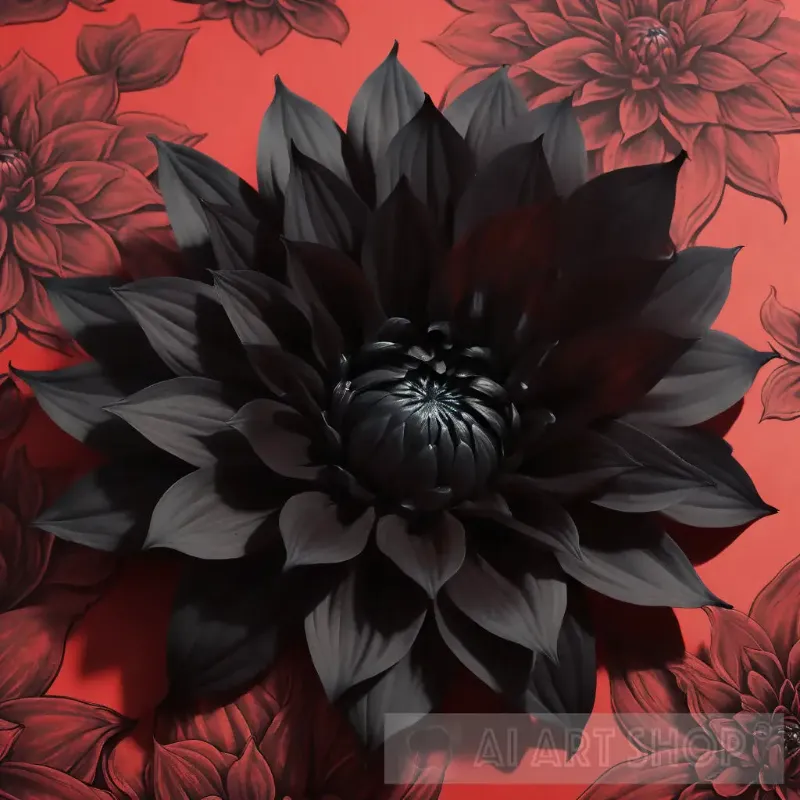
- Rotate displayed prints annually if you own multiple pieces like black dahlia flower or artistic clown
Humidity and temperature: Paper expands when humid and contracts when dry, which causes warping and cockling. Maintain 40 to 50% relative humidity and avoid hanging prints in bathrooms, kitchens, or uninsulated exterior walls. Basements and attics experience extreme swings that damage paper within one season.
Handling during installation: Hold prints by the edges only, and wash hands before touching unframed paper. Skin oils transfer onto the surface and attract dust. Wear cotton gloves if you’re mounting especially detailed prints like AI Art caveman.
We explain which frame shops offer the best services and where to find supplies at a discount when you grab the code for your next order.
Matting Comparison: Standard vs. Float Mount
The matting style you choose affects both the visual impact and the physical protection of your print. Here’s how the two main approaches compare:
| Feature | Standard Mat | Float Mount |
|---|---|---|
| Border coverage | Overlaps print edges by 0.25 inch | Entire print visible, suspended above mat |
| Best for | Prints with white borders or standard sizes | Prints with interesting edges or textures |
| Cost | Lower, uses single mat layer | Higher, requires spacers or deep frame |
| Protection level | High, edges secured under mat | Moderate, print exposed on all sides |
Standard matting works for most AI-generated prints because it hides minor edge damage from shipping and secures the print firmly. Float mounting showcases the full print surface and works beautifully for pieces with deckled edges or borderless designs, but the exposed edges collect dust more readily.
Long-Term Care and Maintenance
Even properly framed prints require occasional maintenance to stay in pristine condition.
Cleaning the glazing: Dust the glass or acrylic every few months using a microfiber cloth. For acrylic, avoid glass cleaners that contain ammonia, which causes crazing and cloudiness. Use water or acrylic-specific cleaner instead. Never spray liquid directly onto the frame; mist the cloth and wipe gently to prevent moisture seeping behind the glazing.
Inspecting for damage: Once a year, remove the frame from the wall and check for condensation, mold, or insect damage on the backing. If you spot moisture, the frame seal has failed. Remove the print, let it air-dry flat on a clean surface, and replace the backing board before reassembling.
Storage between displays: If you rotate your collection, store unframed prints flat in archival sleeves made from polyester or glassine. Stack them horizontally in a drawer or portfolio case, never rolled. Rolled prints develop permanent creases that show even after flattening.
Who Should Frame Their Own AI Art Prints vs. Hiring a Pro
DIY framing saves money and gives you full control over materials, but professional framers offer precision cutting and access to premium supplies.
Frame it yourself if:
- You own basic tools (mat cutter, ruler, craft knife) and have a steady hand
- The print is standard size (8×10, 11×14, 16×20) and pre-cut frames are available
- You’re comfortable working with small hardware and measuring carefully
- Budget is tight and you’re willing to invest 2 to 3 hours per frame
Hire a professional framer if:
- The print is an unusual size or shape that requires custom cutting
- You want seamless mitered corners and perfectly beveled mat edges
- The artwork is valuable or irreplaceable
- You lack workspace or tools for precision cutting
Professional framing typically costs $80 to $200 per print depending on size and materials, while DIY framing runs $30 to $70 per frame when you buy supplies individually. For a collection of prints, DIY offers substantial savings.
We cover bulk-order discounts and current promotions when you visit our discount code page before ordering your AI art prints.
Quick Setup Checklist for Safe Display
Before you hang your newly framed AI art prints, confirm you’ve covered these protection basics:
- Acid-free mat board with no contact between print and frame glass
- UV-filtering glazing (acrylic or museum glass)
- Archival mounting corners or hinge tape, no permanent adhesives
- Display location away from direct sunlight and moisture sources
- Secure hanging hardware rated for the frame’s weight
- Annual inspection schedule for condensation and damage

Following these guidelines keeps your AI-generated art looking gallery-fresh for years. Whether you’re displaying a bold piece like AI Art odin or a delicate design like sakura tree, proper framing and placement prevent the most common causes of print degradation.
Questions
Does AI Art odin require special framing compared to traditional prints?
No, AI-generated prints like AI Art odin use the same paper and inks as traditional prints, so they follow identical framing rules. Use acid-free materials, UV-protective glazing, and archival mounting methods regardless of how the artwork was created.
Can I use regular tape to mount my art print in the frame?
Never use regular tape, masking tape, or Scotch tape on art prints. These tapes contain acids that migrate into the paper and cause yellow stains within months. Use only archival photo corners or linen hinge tape designed for conservation framing.
How much does UV-protective glass actually help prevent fading?
UV-filtering glazing blocks 99% of ultraviolet light, which is the primary cause of ink fading. It can extend the vibrant life of your print by 10 to 20 years compared to standard glass, especially in rooms with bright indirect sunlight.
Should I remove the print from the frame to clean it?
No, never remove a properly mounted print for cleaning. Clean only the exterior glass or acrylic with a microfiber cloth. If the print itself has collected dust or debris, consult a professional conservator rather than attempting to clean the paper surface yourself.
What humidity level is safe for displaying paper art prints?
Maintain 40 to 50% relative humidity to prevent paper warping and mold growth. Humidity above 60% causes paper to expand and buckle, while levels below 30% make paper brittle and prone to cracking.
Can I hang framed prints in a bathroom or kitchen?
Avoid hanging art prints in bathrooms or kitchens where steam and humidity spikes occur daily. Even with UV glass and archival mounting, repeated moisture exposure causes mold, warping, and adhesive failure within months.
Products in this guide

 Shopping at AI Art Shop? See the discount code
5% OFF All Orders
Shopping at AI Art Shop? See the discount code
5% OFF All Orders
More in this series
Choosing the Right Paper Quality for AI Art Prints: A Buyer’s Guide24 Aug 20265 minBest Wall Placement for Dark Themed Art Prints Like Saturn Devouring His Son24 Aug 20265 minDo AI Art Prints Fade Over Time? What to Expect From Print Longevity24 Aug 20265 minAI Art Prints vs Traditional Art Prints: Which Hold Their Value Better?24 Aug 20265 min