 A AI Art Shop guide
AI Art Prints vs Traditional Art Prints: Which Hold Their Value Better?
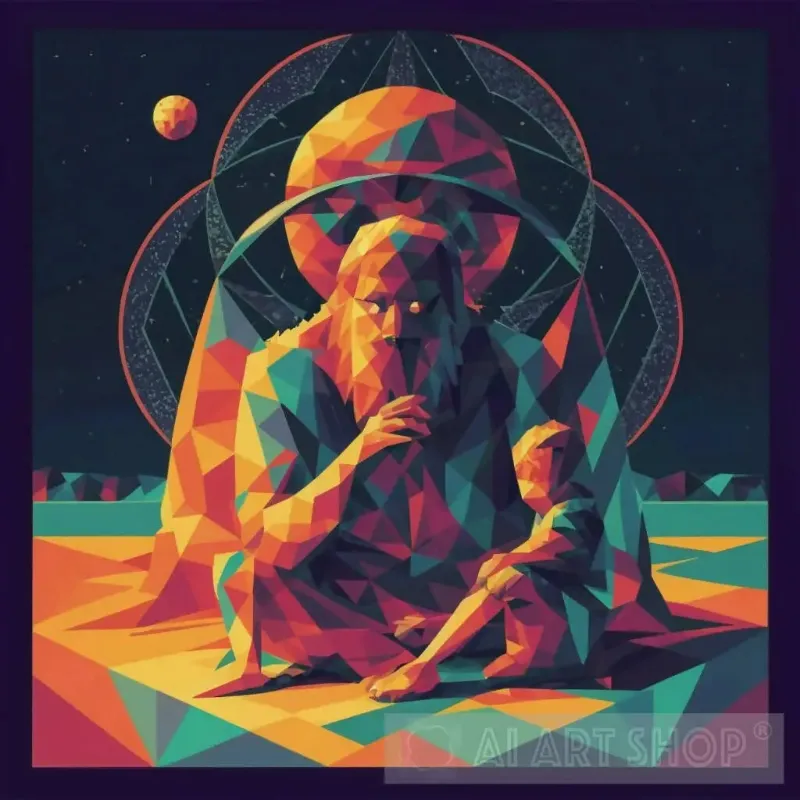
AI Art odin and other algorithm-generated prints are reshaping the collectibles market, but how do they stack up against traditional art prints for long-term value?
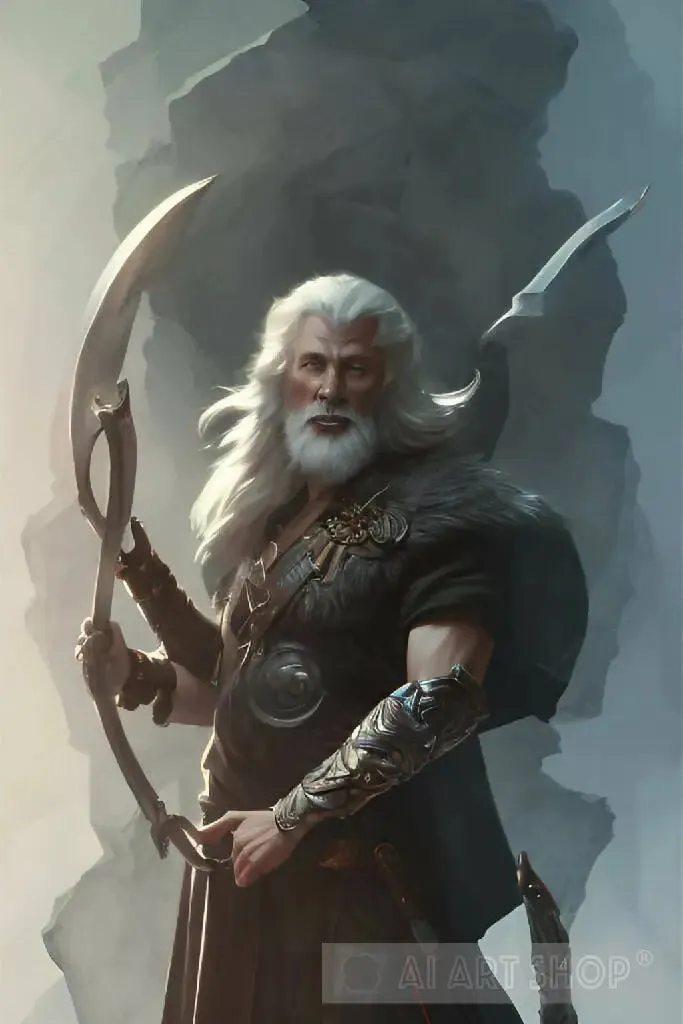
Traditional prints from established artists still dominate long term value, because scarcity and a documented sales history are the two things that actually drive appreciation, and traditional prints have decades of both. AI generated prints like AI Art odin are a newer category with a different set of value drivers, built more around visual impact and cultural relevance than an artist’s career. Which one holds value better for you depends on whether you are buying for proven resale or for something new and affordable.
How AI Art Prints and Traditional Prints Differ in Value Drivers
Traditional art prints derive value from artist reputation, edition size, provenance and physical scarcity. A signed print by a recognized artist tends to hold value because supply is fixed and demand can grow with the artist’s career.
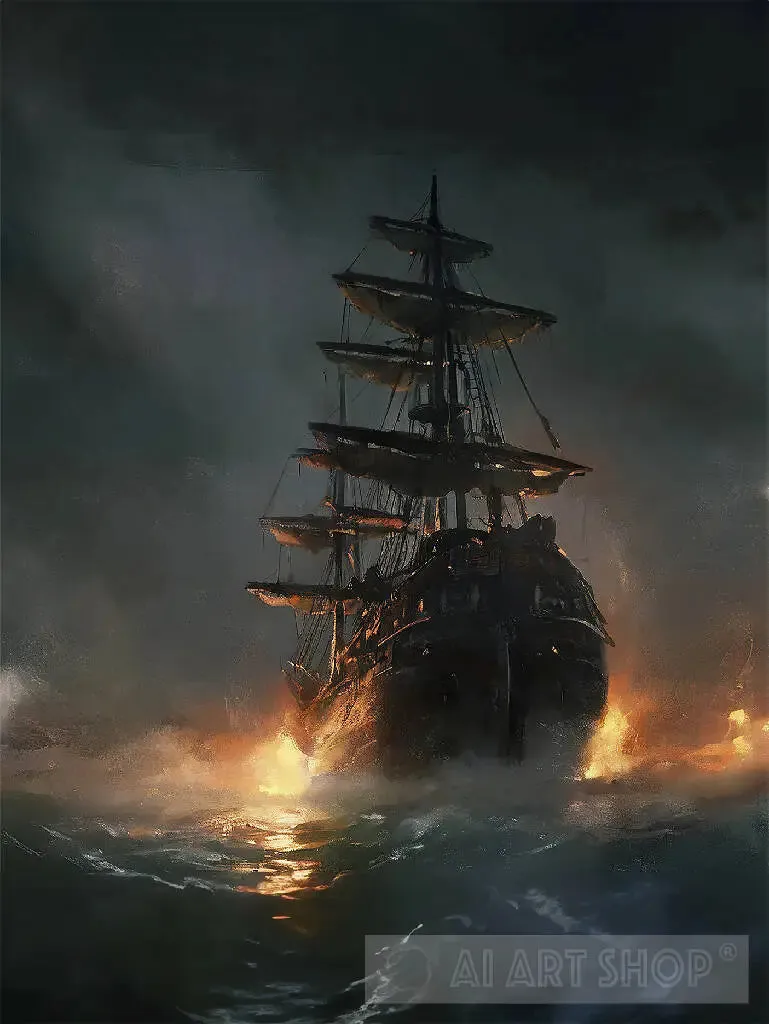
AI generated prints such as AI Art armada and geometric shapes work differently. Value comes from the image itself, the platform’s curation, and how culturally relevant a piece becomes, rather than a single creator’s track record. The differences that matter most:
- Scarcity model: traditional prints usually have a hard edition cap. AI prints may be open or rolling editions depending on the platform.
- Artist premium: traditional prints carry the artist’s market history. AI prints depend more on the platform’s reputation and the specific piece.
- Resale channels: traditional prints move through galleries and auction houses with established pricing records. AI prints mostly resell peer to peer or through niche marketplaces.
- Authentication: traditional prints use signatures, certificates and embossing. AI prints rely on platform documentation, metadata or blockchain records where available.
If you are buying for decor and enjoyment, both categories work. If you are buying with resale in mind, traditional prints have a longer track record to judge by, while AI prints are still a speculative category without much price history.
Which Category Generally Holds Value Better
Traditional prints from mid-tier, established artists tend to hold value better than open edition or unnumbered prints, because collectors can point to an artist’s exhibition history and prior sales. Prints from unknown or emerging artists are the least predictable in the traditional category, since there is no track record yet to judge by.

AI prints are harder to generalize about, because the category is newer and resale data is thin. A piece tied to a viral moment or a well known platform, such as AI Art caveman, can hold interest longer than a generic output with no particular story behind it. As a category, AI prints do not yet have the auction and gallery infrastructure that lets buyers judge resale value the way they can with traditional art.
For current pricing, check the AI Art Shop discount page before you buy.
Who Should Choose AI Prints Like AI Art Odin
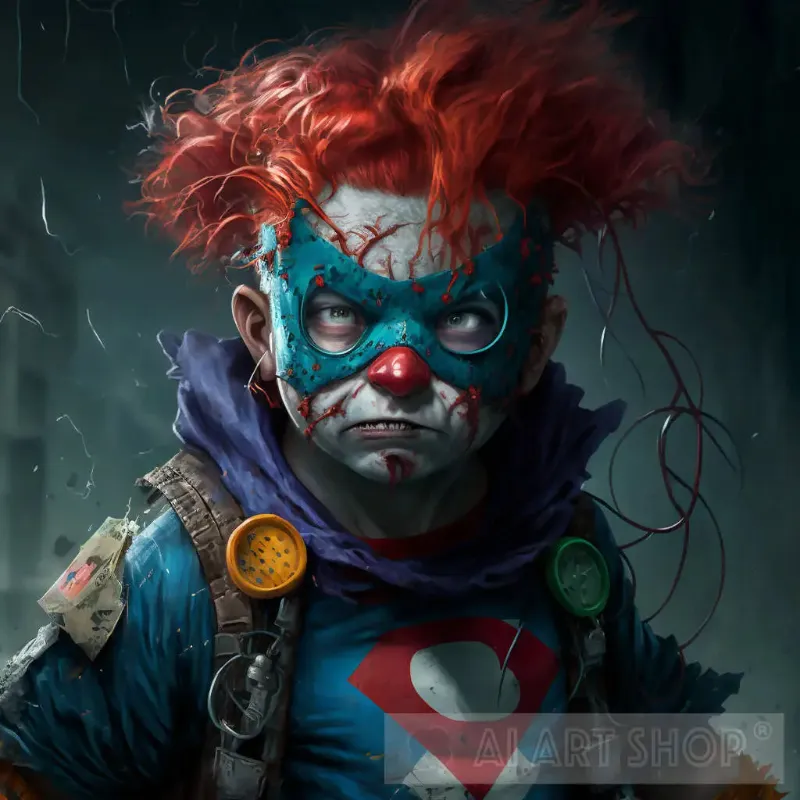
AI prints suit collectors who value the image and the moment over an artist’s pedigree. If you are drawn to pieces like artistic clown or lightning in a bottle for their look, and are not counting on reselling them in a few years, AI prints can be a reasonable way to get bold, current art without gallery prices.
AI prints make sense when:
- You want contemporary visuals without gallery markups
- You expect to rotate the art in your space every few years
- You are collecting as a hobby rather than as an investment plan
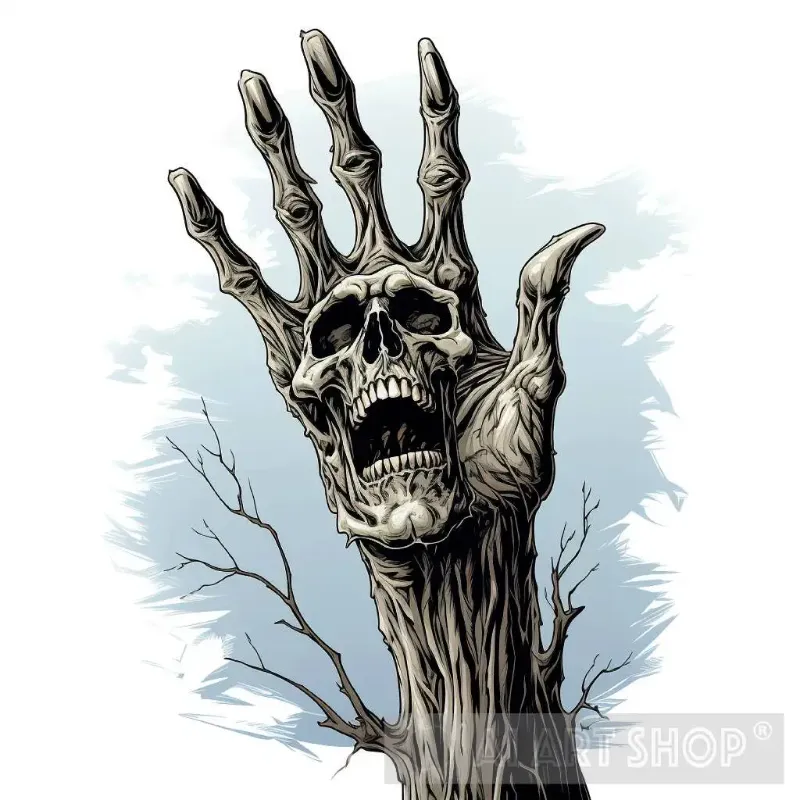
Thematic collections can also work well with AI prints. Pieces like skeleton hand, sakura tree and cute bunny can be grouped into a themed gallery wall more quickly than sourcing several traditional prints in a matching style. The trade-off is that you give up the provenance and artist story that traditional prints carry, which matters if you plan to treat the piece as an heirloom.
Who Should Stick With Traditional Art Prints
Traditional prints remain the more predictable choice if long term value, gift giving or building a recognized collection matters to you. They carry cultural recognition, established resale channels and clearer paths to appraisal.
Traditional prints tend to fit better when:
- You want a piece galleries, insurers and appraisers recognize
- You are buying as a milestone gift or a piece meant to last generations
- You value the artist’s story and signature alongside the image itself
- You are planning to hold the piece for many years rather than rotate your decor
Traditional prints also fit more easily into estate planning, since appraisers and auction houses already have frameworks for valuing them. AI prints do not yet have standardized valuation models. If you want both, one traditional piece can anchor a room while black dahlia flower or mosaic art fill out the rest of the space.
How to Protect Value No Matter Which You Choose
A few habits help either category hold value better over time.
- Buy from reputable sources. Established platforms, galleries or verified sellers lower the risk of fakes and come with proper documentation.
- Keep the paperwork. Certificates, receipts and provenance records support resale later, whichever category you buy.
- Frame and protect the piece. UV protective glass and acid free mats preserve condition, which affects price at resale.
- Document condition at purchase. Photos taken when the piece is new help with resale or insurance claims later.
For AI prints specifically, look for limited or numbered editions where the platform offers them, and favor pieces tied to a named series or collaboration over a one off generation. For traditional prints, look into the artist’s exhibition and sales history, prefer signed and numbered editions over open or posthumous prints, and buy the best condition you can afford, since condition affects price as much as the artist’s name does.
Our Take on AI vs Traditional for Value
Neither category wins outright. Traditional prints offer a longer track record and clearer resale channels. AI prints offer contemporary visuals and lower prices, with value that is harder to predict.
If you are building a collection mainly for appreciation, we suggest putting most of your budget toward traditional prints from artists with some exhibition or sales history, and treating AI prints as an affordable way to add pieces that appeal to you visually. If you are decorating and resale is secondary, AI prints can give you more visual variety for the same budget, and you can rotate them as your taste changes.
Whichever you choose, compare pricing across platforms, use the current AI Art Shop discount code, and treat any appreciation as a bonus rather than the reason you bought the piece.
Questions
Do AI Art odin prints appreciate in value over time?
Some do, especially pieces tied to a viral moment or a well known platform, but most AI prints are a speculative category without a long resale history. Buy for the look first and treat any appreciation as a bonus rather than an expectation.
Can I resell AI art prints as easily as traditional prints?
Not as easily. AI prints mostly resell peer to peer or through niche online marketplaces, while traditional prints have established gallery and auction channels. Reselling an AI print usually takes more active marketing on your part.
Should I get certificates of authenticity for AI prints?
Yes, where the platform offers them. Certificates, blockchain records or platform documentation add resale credibility and help verify where the piece came from. Keep any authenticity materials the seller provides.
Which holds value better, limited edition AI prints or open edition?
Limited editions tend to hold value better because scarcity supports collector demand. Open edition AI prints rarely appreciate and often resell at a discount unless tied to a major cultural moment.
Are traditional art prints always a safer choice than AI prints?
Generally, yes, because they have a longer resale history and clearer channels for appraisal. That does not mean every traditional print appreciates. AI prints are riskier as a category but can occasionally do well if they capture a trend.
How do I protect my art prints to maintain resale value?
Use UV protective glass, acid free mats, and keep the piece out of direct sunlight and humidity. Keep the original packaging, certificates and receipts, and photograph the print's condition at purchase.
Products in this guide
 Shopping at AI Art Shop? See the discount code
5% OFF All Orders
Shopping at AI Art Shop? See the discount code
5% OFF All Orders
More in this series
Choosing the Right Paper Quality for AI Art Prints: A Buyer’s Guide24 Aug 20265 minBest Wall Placement for Dark Themed Art Prints Like Saturn Devouring His Son24 Aug 20265 minDo AI Art Prints Fade Over Time? What to Expect From Print Longevity24 Aug 20265 minHow to Frame and Display AI-Generated Art Prints Without Damaging Them24 Aug 20265 min