 A AI Art Shop guide
Choosing the Right Paper Quality for AI Art Prints: A Buyer’s Guide
Choosing the right paper quality for AI Art odin and similar prints ensures your artwork looks sharp, lasts longer, and suits your display environment.
Why Paper Quality Matters for AI Art Odin and Other Prints
Paper quality directly affects how your AI Art odin and other prints look on your wall. The right substrate preserves fine details, color accuracy, and longevity, while the wrong choice can leave images dull or prone to fading.
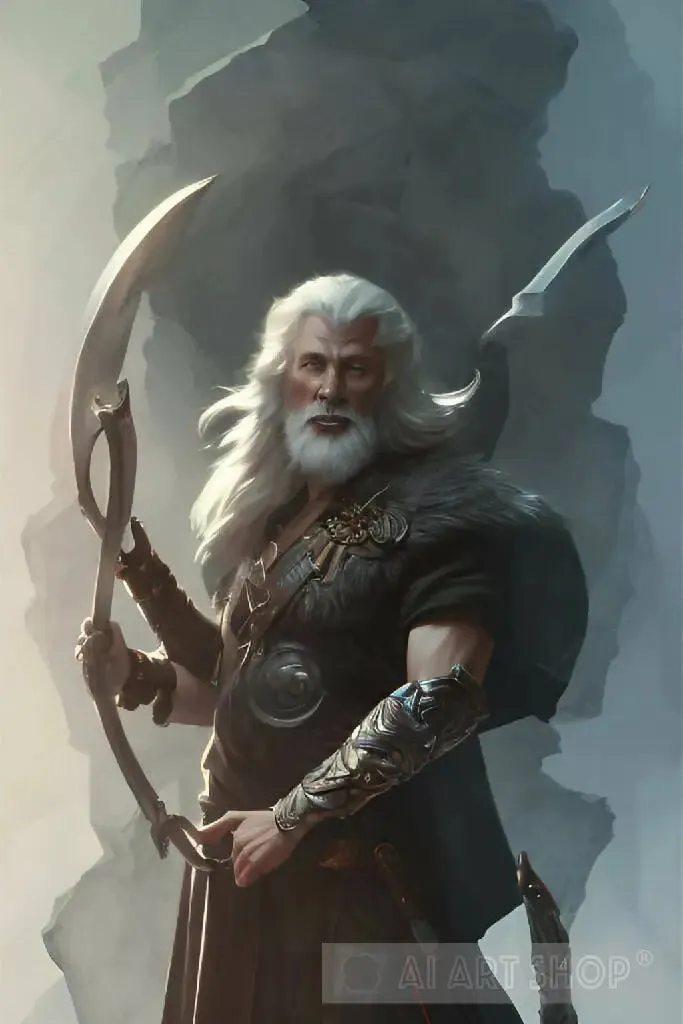
Whether you’re framing AI Art odin with its intricate Norse mythology details or displaying vibrant pieces like lightning in a bottle, the paper you choose shapes the final result. AI-generated Odin artwork often features complex textures and shadow gradients that demand premium substrates to render properly.
Understanding Paper Weight and Thickness
Paper weight measures grams per square meter (gsm) and tells you how sturdy your print will feel. Most art prints range from 170 gsm to 310 gsm.
- 170-200 gsm: Budget option, prone to curling, suitable for temporary displays or portfolio samples
- 230-260 gsm: Mid-range standard that balances cost and durability, works well for framed prints
- 280-310 gsm: Premium heavyweight stock that resists warping, ideal for unframed display or high-traffic areas
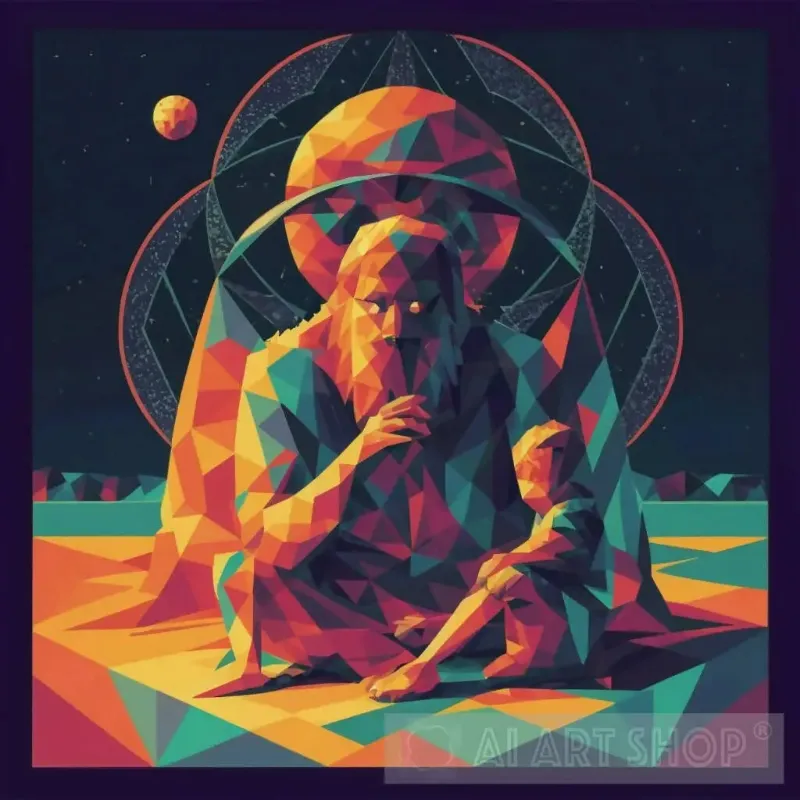
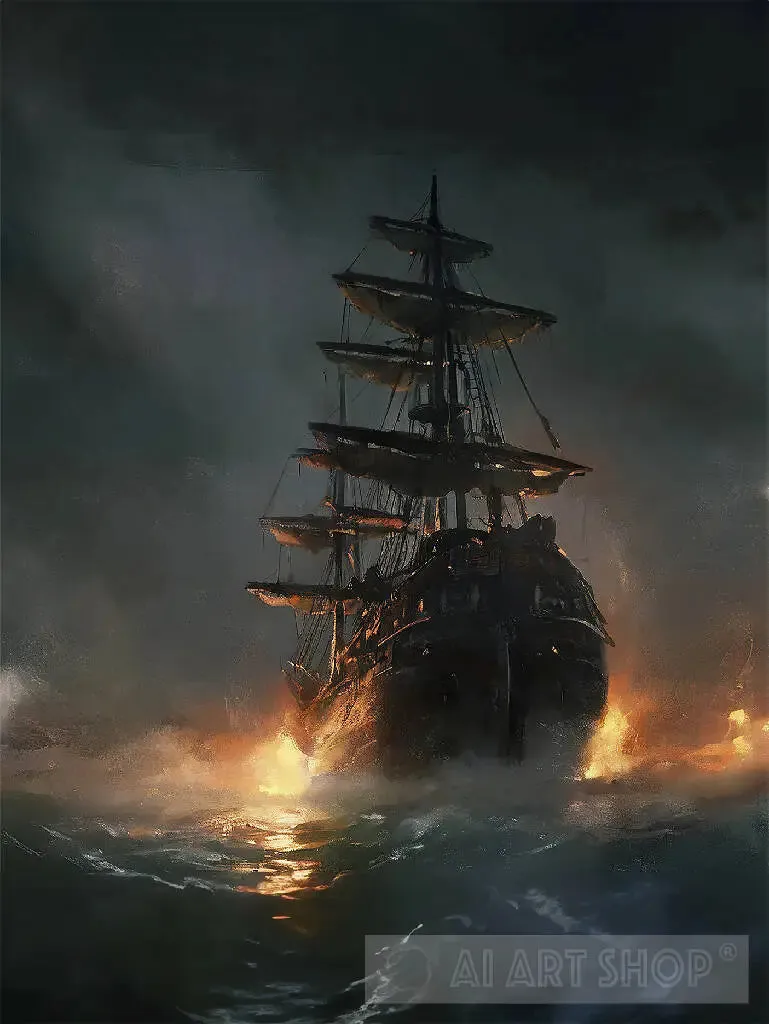
We recommend 260 gsm or higher for detailed works like saturn devouring his son or AI Art armada, where the paper needs to support rich blacks and layered color without transparency or show-through. Thicker stock also handles humidity better if you live in coastal or damp climates.
Heavier paper costs more per print but reduces the need for rigid backing boards. When you check the latest price at AI Art Shop, compare the gsm spec to ensure you’re getting the weight that matches your display plan.
Matte vs. Glossy vs. Satin Finishes
Finish controls light reflection and texture, which completely changes how your print reads from across a room.
| Finish | Best For | Trade-offs |
|---|---|---|
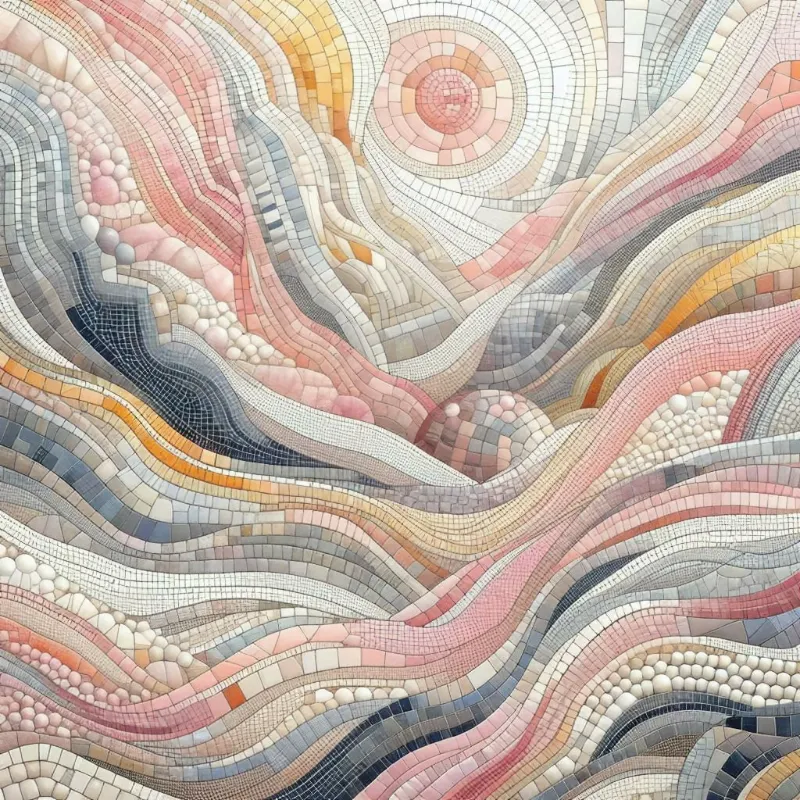
| Matte | High-detail works, geometric shapes, mosaic art, rooms with direct sunlight | No glare, soft texture; can appear less vibrant |
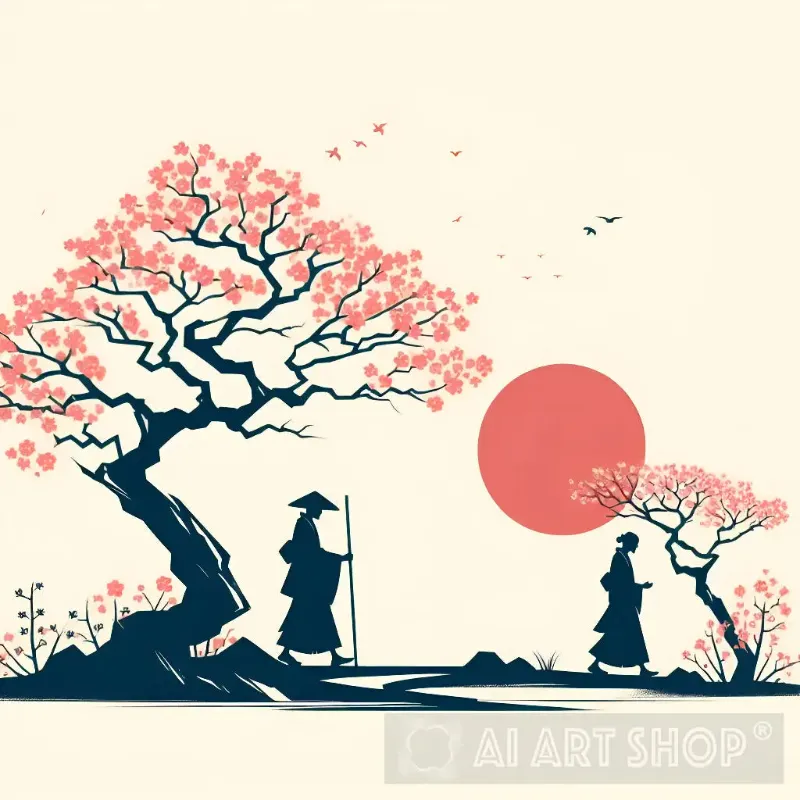
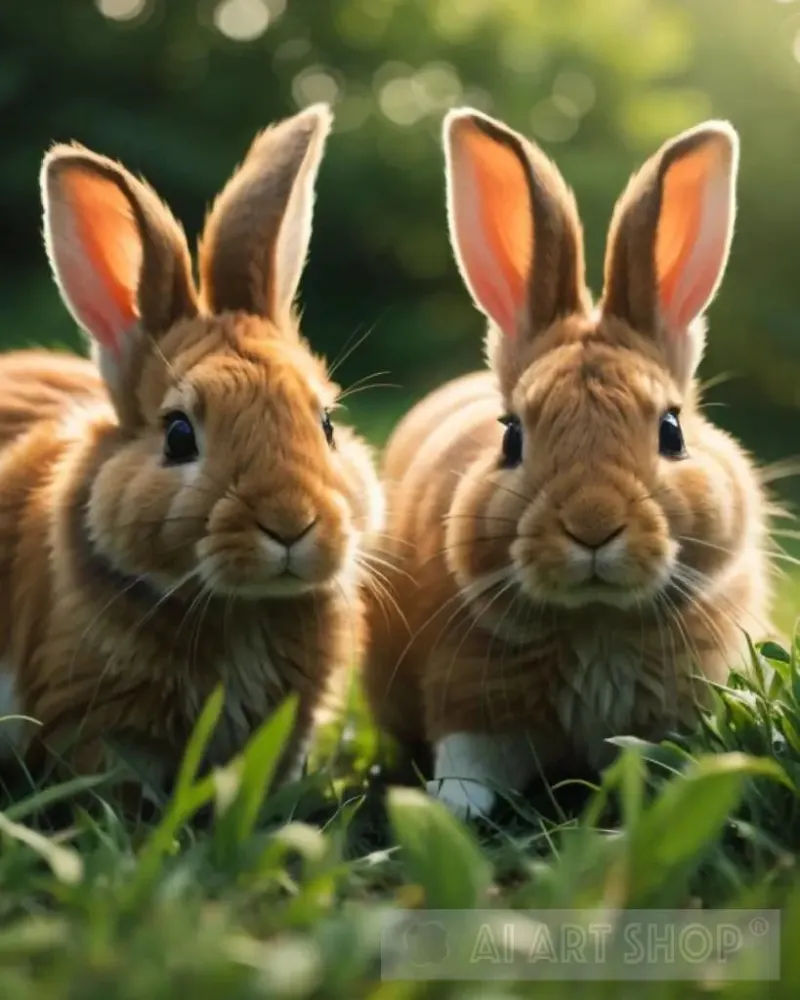
| Glossy | Bold colors, sakura tree, cute bunny, photography-style AI art | Maximum color pop and contrast; shows fingerprints and reflects light |
| Satin (Semi-Gloss) | Mixed lighting, artistic clown, skeleton hand | Balanced sheen with moderate glare; versatile middle ground |
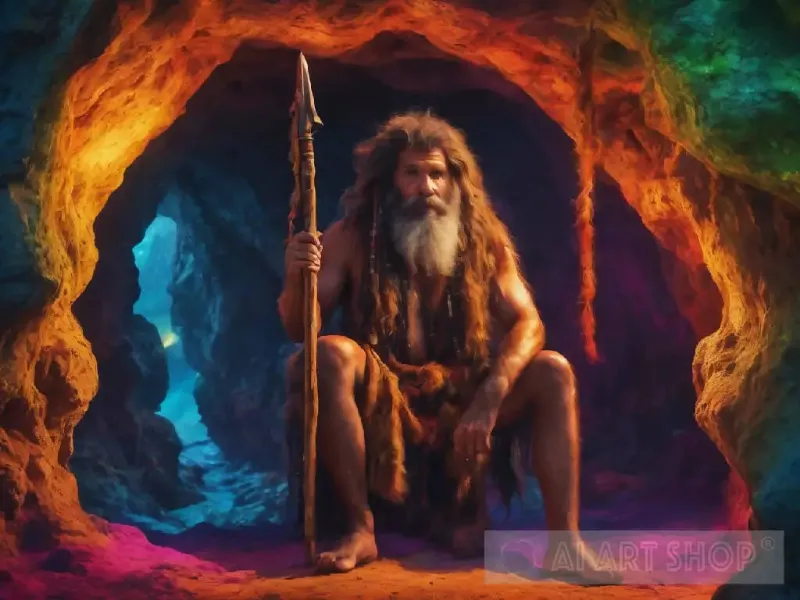
Matte papers work best for pieces with fine line work or text elements because they reduce eye strain and preserve detail visibility. Glossy finishes amplify saturation, making them perfect for nature scenes or fantasy art where you want maximum visual impact. If you’re buying AI Art caveman or other high-contrast prints, satin gives you color depth without the mirror effect.
We use matte for gallery walls and glossy for single statement pieces in low-glare corners. Grab the code to save 5% across all paper types when you order from AI Art Shop.
Archival Quality and Fade Resistance
Archival (acid-free) paper prevents yellowing and keeps your prints looking fresh for decades. Look for these markers when comparing options:
- Acid-free base: pH-neutral paper stock that won’t degrade or discolor over time
- Lignin-free pulp: Removes the compound that causes newsprint to brown
- Pigment-based inks: More fade-resistant than dye-based alternatives under UV exposure
- Museum-grade certification: Indicates the paper meets ISO 9706 permanence standards
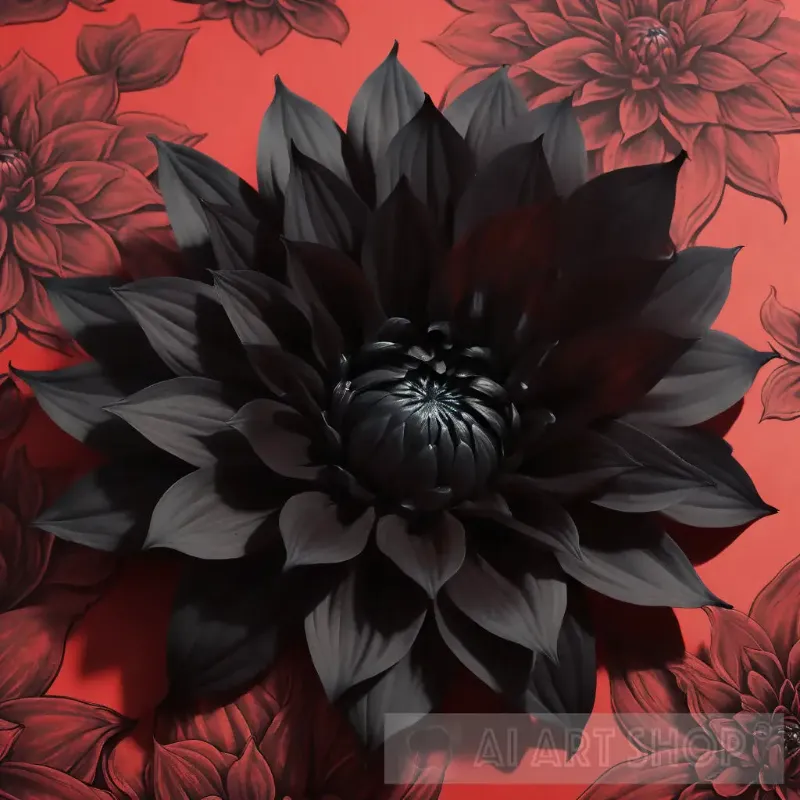
Art prints featuring intricate color blending, like AI-generated Norse mythology artwork, benefit most from archival substrates because subtle tonal shifts are the first casualty of fading. If you plan to display black dahlia flower or other botanicals in rooms with morning sun, archival paper paired with UV-protective glass extends display life from 5 years to 50-plus years.
Non-archival paper costs less but starts showing age within 18 to 24 months in bright conditions. We only recommend it for short-term seasonal decor or temporary office art.
Specialty Papers for Unique Effects
Beyond standard photo papers, specialty substrates add tactile and visual dimension to AI art prints.
- Textured fine art paper: Cotton rag or watercolor-style surface that mimics hand-painted works, ideal for Odin AI art and mythological themes
- Canvas: Polyester or cotton weave for a traditional painting look, stretches over frames without glass
- Metallic paper: Pearl or silver finish that makes highlights glow, stunning for sci-fi and abstract pieces
- Bamboo or hemp paper: Eco-friendly alternative with subtle texture and warm tone
Textured papers soften digital precision, making AI-generated art feel more organic. Canvas works well for large-scale prints (24×36 inches and up) because it eliminates glare entirely and reduces shipping weight. Metallic substrates transform prints with bright accents or celestial elements but can overwhelm muted color palettes.
We pair smooth fine art paper with detailed portraits and canvas with bold abstract designs. When you explore prints like geometric shapes or mosaic art, think about whether you want the substrate to add texture or stay invisible.
Matching Paper to Your Display Environment
Your room conditions should guide your paper choice as much as the artwork itself.
High humidity or bathroom display: Choose resin-coated (RC) photo paper or laminated prints that resist moisture. Standard fine art paper will buckle or develop mold in steamy environments.
Direct sunlight: Pair archival matte paper with UV-filtering acrylic glazing. Glossy finishes create hot spots that make viewing difficult in sunny rooms.
Gallery wall with mixed lighting: Satin or matte finishes keep the entire collection readable from different angles without competing reflections.
Rental or temporary space: Lighter-weight paper (200-230 gsm) and removable adhesive mounts let you reposition prints without wall damage.
Matte paper at 260 gsm stayed flat and legible all day, while glossy created a mirror effect during afternoon hours. For the best selection and current pricing on all paper options, visit AI Art Shop and use our exclusive discount code at checkout.
Our Top Paper Recommendations by Art Style
After reviewing hundreds of combinations, we match these paper specs to popular AI art categories:
- Mythology and fantasy (AI Art odin, saturn devouring his son): 280 gsm matte fine art paper with cotton rag content
- Nature and botanicals (sakura tree, black dahlia flower): 260 gsm satin or glossy for color vibrancy
- Abstract and geometric (geometric shapes, mosaic art): 230 gsm matte to emphasize form over texture
- Whimsical and character art (cute bunny, artistic clown): 260 gsm glossy or metallic for playful energy
Order sample packs when available to see how different papers handle the same image file. Print quality varies between vendors, so testing before committing to large or multi-print orders saves money and disappointment. AI Art Shop ships samples at low cost and applies the fee as credit toward full-size orders.
Questions
What paper weight is best for AI Art odin prints?
We recommend 260 gsm or higher for AI Art odin and similar detailed prints. This weight prevents curling, supports rich color depth, and feels substantial when framed or displayed unframed.
Does matte or glossy paper look better for art prints?
Matte paper reduces glare and works best in bright rooms or for high-detail pieces. Glossy paper maximizes color saturation and contrast but reflects light, so it suits dim spaces or single statement walls.
How long do art prints last on non-archival paper?
Non-archival prints start fading or yellowing within 18 to 24 months in rooms with direct sunlight. Archival acid-free paper can preserve color and detail for 50-plus years when displayed with UV protection.
Can I display art prints in humid rooms like bathrooms?
Standard fine art paper will buckle in high humidity. Choose resin-coated photo paper or request lamination if you plan to hang prints in bathrooms or kitchens.
Should I order sample prints before buying full-size art?
Yes, sample prints let you compare paper finishes and weights with your actual lighting and decor. Many shops, including AI Art Shop, offer low-cost samples that credit toward larger orders.
What is the difference between fine art paper and photo paper?
Fine art paper is usually cotton-based, textured, and acid-free for longevity. Photo paper is resin-coated, smooth, and optimized for high color saturation and sharp detail.
Products in this guide


 Shopping at AI Art Shop? See the discount code
5% OFF All Orders
Shopping at AI Art Shop? See the discount code
5% OFF All Orders
More in this series
Best Wall Placement for Dark Themed Art Prints Like Saturn Devouring His Son24 Aug 20265 minDo AI Art Prints Fade Over Time? What to Expect From Print Longevity24 Aug 20265 minAI Art Prints vs Traditional Art Prints: Which Hold Their Value Better?24 Aug 20265 minHow to Frame and Display AI-Generated Art Prints Without Damaging Them24 Aug 20265 min