 A AI Art Shop guide
Do AI Art Prints Fade Over Time? What to Expect From Print Longevity
AI Art odin prints and similar AI-generated art prints can last 100+ years without noticeable fading when produced with archival inks and stored correctly.

AI Art odin prints resist fading for decades when produced with quality materials and displayed away from direct sunlight. Modern giclée printing uses archival pigment inks rated for 100+ years of lightfastness under museum conditions, meaning prints like AI Art odin, saturn devouring his son, and geometric shapes maintain their color intensity far longer than traditional photo prints. The longevity of your AI-generated art depends on three factors: ink type, paper quality, and display environment.
What Makes AI Art Prints Fade
Ultraviolet light breaks down the chemical bonds in printer inks, causing colors to shift or lose saturation over time. Direct sunlight accelerates this process dramatically, with cheaper dye-based inks fading visibly within months when exposed to window light. Humidity and airborne pollutants also degrade paper fibers and ink adhesion, particularly in kitchens, bathrooms, or unventilated spaces.

Most AI Art Shop prints use pigment-based inks that encapsulate color particles in a protective resin layer. This shields the colorants from oxidation and UV damage. When you check the latest price on prints like AI Art armada or lightning in a bottle, you’re investing in archival-grade materials designed to outlast standard poster prints by 50 to 80 years.
Key fading triggers include:
- Direct sunlight exposure: UV rays cause 70% of print degradation
- Dye-based inks: fade 10x faster than pigment inks
- High humidity: weakens paper and encourages mold growth
- Acidic matting or backing: leaches into the print over decades
- Ozone and pollutants: react with certain ink pigments
Archival Ink and Paper Standards for AI Art Odin Prints
Giclée printing on acid-free fine art paper delivers the longest lifespan. Archival pigment inks from manufacturers like Epson UltraChrome or Canon LUCIA PRO are tested under ISO 18909 standards, which simulate indoor display for 100+ years. Cotton rag paper (often labeled as 100% cotton or alpha-cellulose) resists yellowing and brittleness far better than wood-pulp poster stock.
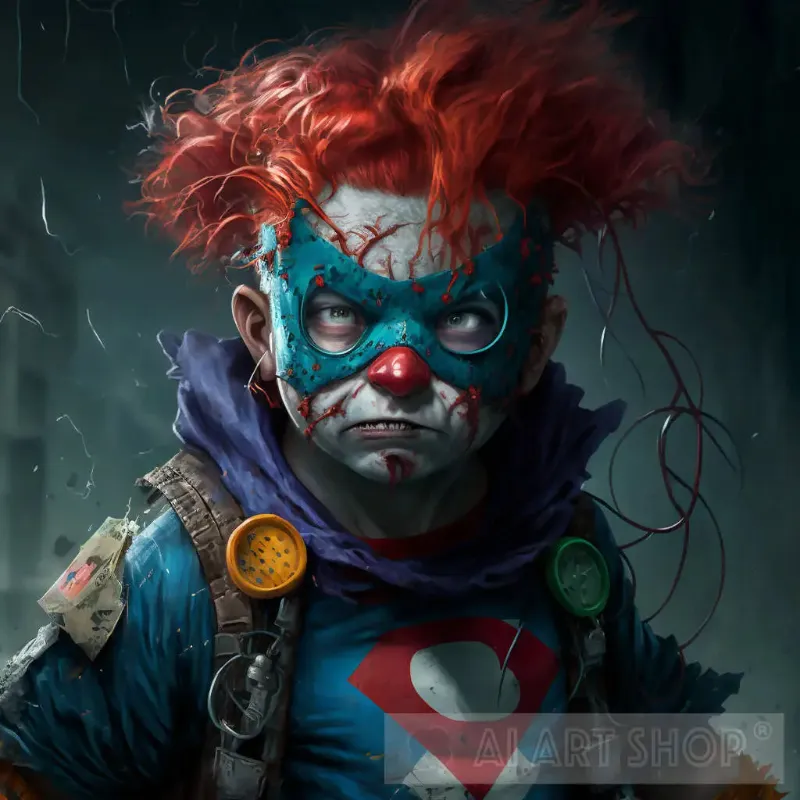
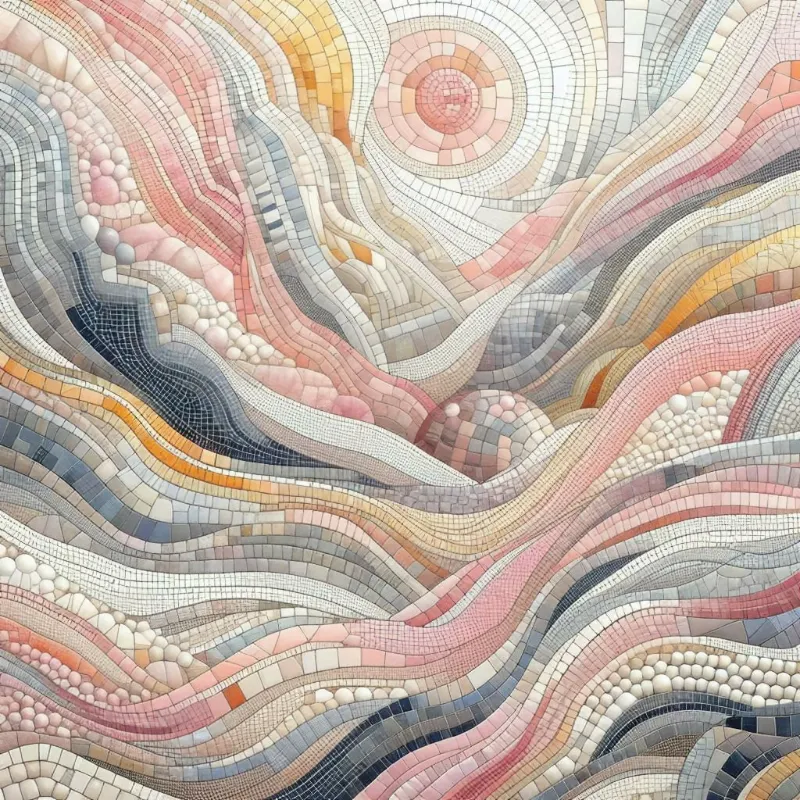
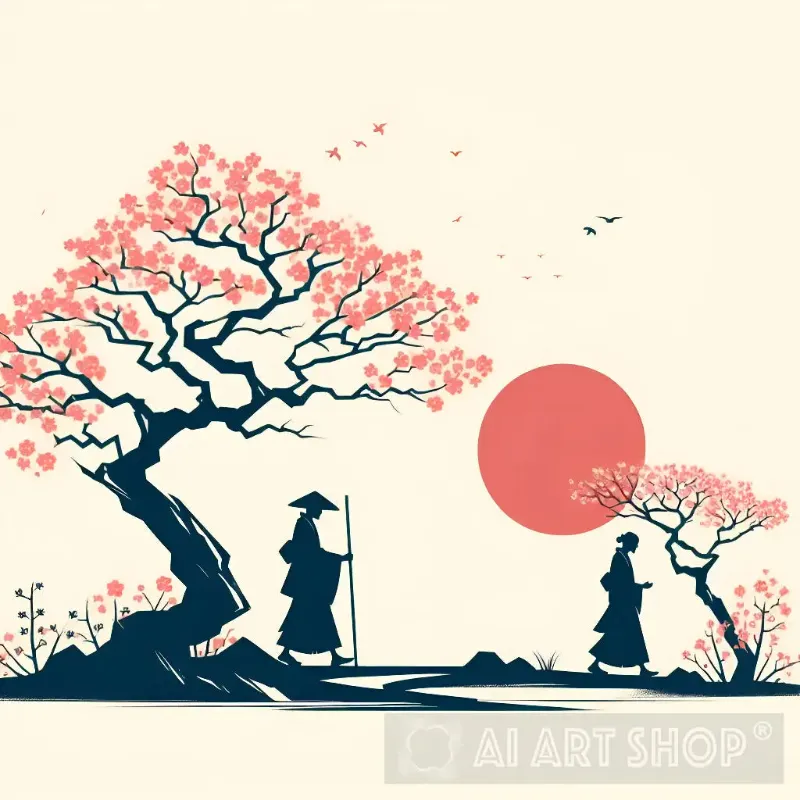
AI Art Shop typically prints on heavyweight matte or semi-gloss fine art paper. This combination suits complex designs like artistic clown, mosaic art, and sakura tree, where subtle gradients and fine detail demand color stability. When stored in a cool, dry space away from windows, these prints maintain their original appearance for a human lifetime.
Compare material longevity:
| Material | Lightfastness Rating | Expected Indoor Lifespan |
|---|---|---|
| Pigment ink on cotton rag | ISO Blue Wool 7 to 8 | 100 to 200 years |
| Pigment ink on RC photo paper | ISO Blue Wool 6 to 7 | 60 to 100 years |
| Dye ink on poster paper | ISO Blue Wool 2 to 4 | 5 to 25 years |
How to Protect Your Prints From Fading
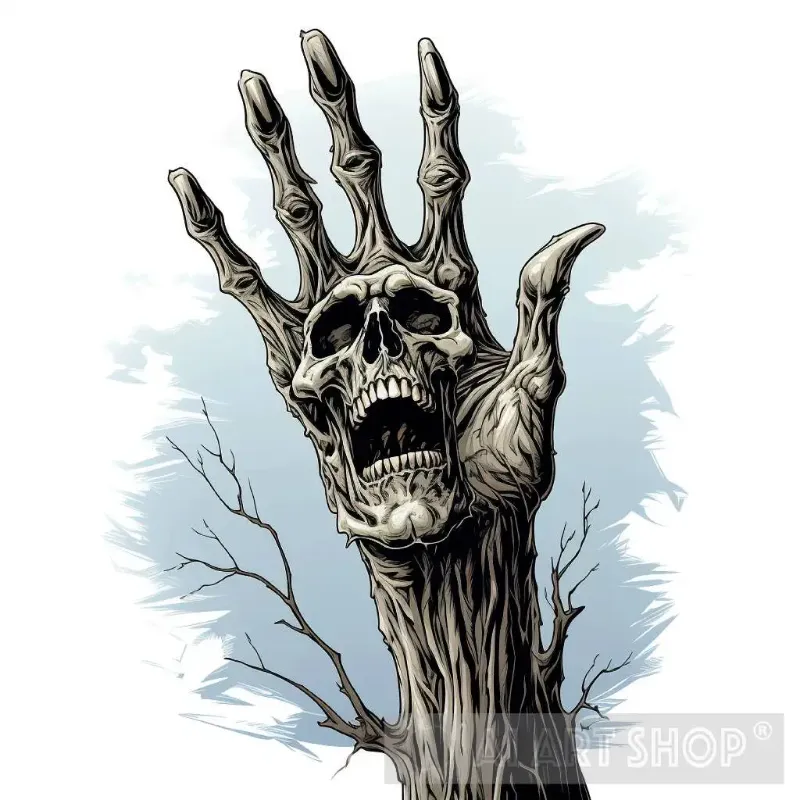
Display location matters more than any other factor. We recommend hanging prints on interior walls perpendicular to windows, never opposite a south-facing window or under skylights. If you love the way skeleton hand or cute bunny looks in a sunlit hallway, frame it behind UV-filtering acrylic or glass rated for 97% UV protection.
Frame with acid-free materials exclusively. Standard cardboard matting contains lignin that yellows and stains prints within 10 to 20 years. Museum-grade mat board costs a few dollars more but prevents contact damage. Use a sealed backing to keep dust and humidity out of the frame package.
Practical protection steps:

- Frame behind UV-filtering glass: blocks harmful wavelengths without dimming colors
- Mount with archival corners or hinges: avoid adhesive tapes that degrade
- Keep prints 6+ feet from windows: indirect light is 90% safer than direct sun
- Maintain 30 to 50% relative humidity: prevents paper warping and mold
- Rotate displayed prints annually: spreads light exposure if you own multiples like AI Art caveman and black dahlia flower
When to Expect Visible Fading
Under typical home conditions (indirect daylight, climate-controlled rooms), archival AI art prints show no perceptible color shift for 50 to 80 years. Perceptible means a trained observer comparing the print to a stored reference copy notices a difference. Most collectors never see fading in their lifetime.
Prints displayed in direct sunlight without UV protection begin losing vibrancy in 2 to 5 years. Blues and purples fade first, followed by reds and yellows. Blacks remain stable longest. If you notice one color family looking washed out, the print has likely lost 20% or more of its original gamut. At that point, replacement makes sense.
For AI-generated designs with bold contrast like AI Art odin, minor fading is less noticeable than in pastel watercolor reproductions. The graphic punch of these prints holds up well even if slight color drift occurs. You can grab the code for 5% off when ordering fresh prints or duplicates for rotation.
Storing Unframed Prints Long-Term
If you plan to store prints before framing or rotate seasonal artwork, use acid-free glassine interleaving sheets and a rigid portfolio case. Never roll fine art prints tighter than a 3-inch diameter tube, and avoid rubber bands or paper clips that leave permanent creases.
Store flat in a dark, climate-controlled closet or drawer. Attics and basements fluctuate in temperature and humidity, accelerating aging. Archival polyester sleeves (not PVC, which off-gases harmful plasticizers) protect prints from handling oils and scratches. Label storage boxes with the print name and date so you can rotate pieces without repeated handling.
Properly stored unframed prints remain pristine for decades. We’ve seen 30-year-old giclée prints emerge from archival storage looking factory-fresh, ready to hang as statement pieces.
Comparing AI Art Print Longevity to Other Decor
AI-generated art prints outlast canvas prints, posters, and most photo prints when evaluated on equal materials. The difference lies in production quality, not the AI origin of the image. A poorly printed AI design on drugstore photo paper fades as fast as any snapshot. A museum-grade giclée of an AI artwork rivals hand-pulled fine art lithographs in permanence.
Traditional offset posters (the kind sold at concerts or big-box stores) use dye inks and acidic paper, giving them a 5 to 15 year display life. Canvas prints stretched over wood frames face additional challenges from canvas flexing and wood lignin contact, though pigment inks still perform well. Fine art prints on paper remain the gold standard for archival longevity.
When you invest in sakura tree or other AI Art Shop designs, you’re choosing a format proven over 30+ years of giclée history. The technology behind your print matches what museums use for reproduction and limited-edition art sales.
Questions
How long do AI Art odin prints last without fading?
AI Art odin prints produced with archival pigment inks last 100+ years under museum display conditions (low light, controlled humidity). In typical home environments with indirect light, expect 50 to 80 years before any noticeable color shift.
Will my print fade faster in a sunny room?
Yes. Direct sunlight accelerates fading by 10x or more compared to indirect room light. Prints in south-facing windows can show visible color loss within 2 to 5 years without UV-filtering glass.
What type of glass protects prints from fading?
UV-filtering acrylic or glass rated to block 97% or more of ultraviolet light prevents most photochemical damage. Museum glass combines UV protection with anti-reflective coating for the best display and preservation.
Do darker colors fade faster than lighter ones?
No. Blues, purples, and reds typically fade before yellows and blacks. Black pigments are the most lightfast, while bright magentas and cyans are most vulnerable to UV degradation.
Can I restore a faded art print?
Fading is permanent and cannot be reversed. Once pigment molecules break down, the original color is lost. Your best option is ordering a replacement print and displaying it with better UV protection.
Is it safe to store prints rolled in a tube?
Only if rolled loosely around a 3-inch or larger diameter tube with acid-free tissue interleaving. Flat storage in an archival portfolio is safer for long-term preservation and prevents crease damage.
Products in this guide


 Shopping at AI Art Shop? See the discount code
5% OFF All Orders
Shopping at AI Art Shop? See the discount code
5% OFF All Orders
More in this series
Choosing the Right Paper Quality for AI Art Prints: A Buyer’s Guide24 Aug 20265 minBest Wall Placement for Dark Themed Art Prints Like Saturn Devouring His Son24 Aug 20265 minAI Art Prints vs Traditional Art Prints: Which Hold Their Value Better?24 Aug 20265 minHow to Frame and Display AI-Generated Art Prints Without Damaging Them24 Aug 20265 min