 A Digital Zakka guide
What Tools Does a DIY Electrician Need? Start With a Voltage Tester Pen
A voltage tester pen tops our list of must-have tools for anyone tackling electrical projects safely at home.
Why Every DIY Electrician Needs the Right Tools
A voltage tester pen is the first safety tool to own for anyone working with electrical circuits at home. Before you touch a wire, swap an outlet, or diagnose a dead switch, you need to verify the power is truly off. For the current code, see our Digital Zakka codes and deals.
Whether you’re replacing a light fixture or troubleshooting a tripped breaker, the right equipment makes the job faster, safer, and less frustrating. Below we break down the core tools for residential electrical work and explain what each one does.
Non-Contact Voltage Detectors for Fast Safety Checks
The first tool to reach for on any electrical job is a non-contact voltage tester. These pocket-sized pens light up and beep when they detect live voltage through insulation, so you never have to strip a wire or touch a terminal to know if it’s hot.
How does a voltage tester pen work? It senses the electromagnetic field around a conductor. When AC voltage is present, the tip glows and the unit chirps. Bob Vila’s testing team confirms that even budget models reliably detect 90 to 1000V, which covers every household circuit.
Keep one clipped to your tool bag. Sweep every wire with it before you start work.
Key features to look for:
- Audible and visual alerts
- Pocket clip and LED flashlight
- Auto shut-off to preserve the battery
- CAT III or CAT IV safety rating for residential work
Precision Screwdrivers for Terminal Screws and Outlet Faceplates
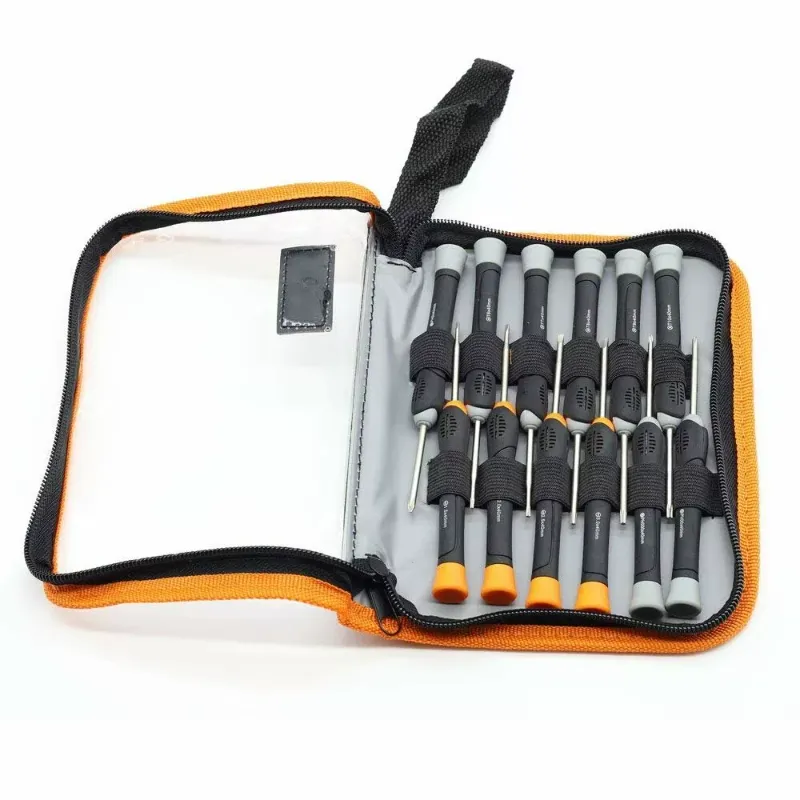
Outlets, switches, and junction boxes are held together by small screws, and stripping one out mid-job is maddening. A quality 12-in-1 precision screwdriver gives you Phillips, slotted, Torx, and hex bits in a single handle, so you’re ready for any fastener you encounter.
Look for magnetic tips that hold screws in tight spaces (like behind a switch box) and a rotating cap that lets you apply downward pressure while turning. Check the bit list on the 12 in 1 magic precision screwdriver against the screws in your boxes before you start.
Why precision matters:
- Prevents cam-out and damaged screw heads
- Fits into crowded boxes without hitting adjacent wires
- Swappable bits mean you don’t need six separate drivers
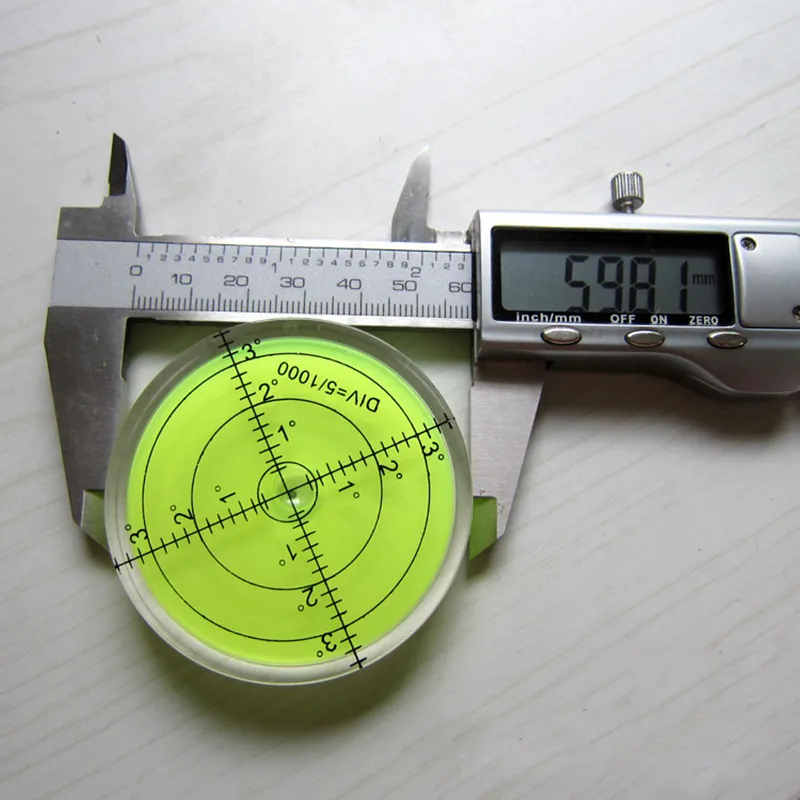
Pair your screwdriver set with a spirit level to ensure every switch and outlet sits perfectly plumb. Crooked faceplates look amateur and can signal deeper installation issues.
Measuring Instruments vs Voltage Tester Pen: What You Actually Need
On the voltage tester pen vs multimeter question, the answer is that you need both, because they solve different problems.
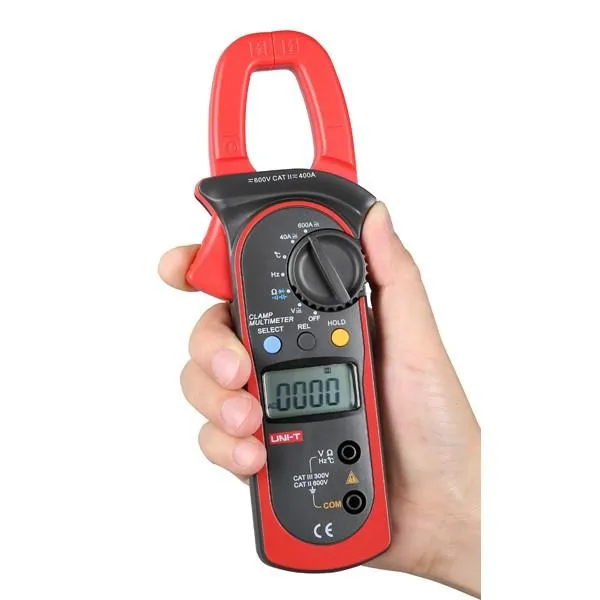
A non-contact voltage tester answers one question: “Is this wire live?” It’s fast, foolproof, and you can use it without touching anything. A multimeter, like the uni t 203: measures exact voltage, current, resistance, and continuity. You’ll need it to diagnose why a circuit isn’t working, test batteries, check for voltage drop, or verify a ground connection.
| Tool | Best For | Typical Use Case |
|---|---|---|
| Voltage tester pen | Quick safety checks | Confirming power is off before work |
| Multimeter | Diagnostic troubleshooting | Measuring exact voltage or testing continuity |
Start with a voltage tester pen, it’s cheaper and more important for safety. Add a multimeter once you’re tackling diagnostic work. Wirecutter’s testing confirms that even inexpensive non-contact testers perform reliably for home use, while multimeters vary widely in accuracy and durability.
For hands-on guidance, search “how to use voltage tester pen” on YouTube and watch a licensed electrician demonstrate the technique. The key is testing a known-live circuit first to confirm your tester is working, then verifying the target circuit is dead by testing every conductor.
Wire Strippers, Cutters, and Fastening Tools
Once you’ve a circuit is de-energized, you’ll need tools to cut, strip, and terminate wires. Use combination wire strippers with built-in gauges for 12 AWG and 14 AWG. Look for cushioned grips and a crimping station for wire nuts.
Also keep on hand:
- Diagonal cutting pliers for trimming wire and cutting cable sheathing
- Needle-nose pliers for bending wire around screw terminals
- Cable staples and a hammer for securing Romex to studs
- Electrical tape (such as 3M Super 33+)
A spirit level also doubles as a straightedge when marking stud locations or laying out conduit runs. A torpedo style with magnetic edges sticks to metal boxes.
When to Level Up Your Toolkit
The tools above cover the core home electrical jobs: replacing devices, adding circuits, installing fixtures. As your projects grow, consider adding a stud finder with AC wire detection, a fish tape for pulling cable through walls, and a cordless drill with a paddle bit set.
Whatever your level, the core workflow stays the same: test for voltage, kill the breaker, test again, then proceed. That’s why a voltage tester pen should be the first item in your cart.

A diamond stone keeps your cable strippers and diagonal cutters sharp. Dull blades crush wire instead of cutting cleanly, which leads to poor connections.
Safety Habits That Matter More Than Gear
No tool substitutes for smart electrical safety. Always:
- Turn off the breaker and test the circuit with a voltage tester pen before touching anything
- Lock out the panel with a breaker lock or tape and a warning sign
- Test known-live circuits first to confirm the tester battery is good
- Assume every wire is live until proven otherwise
- Work with dry hands on dry surfaces
If you want a budget tester for occasional DIY work, check the Harbor Freight non-contact model against the feature list above.
Finally, know when to call a pro. If you’re opening the main service panel, running new circuits that require a permit, or working with aluminum wiring, hire a licensed electrician. DIY electrical work saves money on simple jobs, but mistakes can cause fires or deadly shocks.
Where to Buy DIY Electrical Tools
Digital Zakka stocks everything from precision screwdrivers to measuring instruments.
Prioritize the voltage tester pen and a quality screwdriver set first. Add the multimeter and specialty tools as your project list grows. With the right equipment and a methodical approach, you can handle simple home electrical jobs safely and confidently.
Questions
How do I know if my voltage tester pen is working?
Test it on a known-live circuit first, like a working outlet or light switch with the power on. If the tester lights up and beeps, the battery is good and the sensor is functioning. Always verify it's working before you trust a negative reading.
Can I use a voltage tester pen on DC circuits like car batteries?
No, a non-contact voltage tester senses the changing field around AC voltage, so it does not detect DC. For DC circuits you need a multimeter with DC voltage settings or a dedicated DC tester.
What's the difference between CAT III and CAT IV ratings?
CAT III covers fixed wiring inside a building, such as distribution panels and permanently wired circuits. CAT IV covers the origin of the installation, such as the utility service connection and outdoor lines. For DIY work on circuits inside your home, CAT III covers what you will test.
Do I need a multimeter if I already own a non-contact voltage tester?
Yes, for diagnostic work. A voltage tester tells you if power is present, but a multimeter measures exact voltage, tests continuity, and checks resistance. You'll need both for anything beyond simple device swaps.
Why does my voltage tester sometimes beep near wires that aren't energized?
Induced fields from nearby live wires, fluorescent ballasts, or static can trigger false positives. Always verify with a second method if you get an unexpected reading, and test all conductors in the box individually.
Which precision screwdriver set works best for electrical boxes?
Look for a set with magnetic tips, a rotating cap, and bits for #1 and #2 Phillips plus 1/4-inch slotted. Check the bit list of any 12-in-1 precision screwdriver against those sizes before you buy.
Products in this guide
Shopping at Digital Zakka? See the discount code
10% OFF All Orders
More in this series
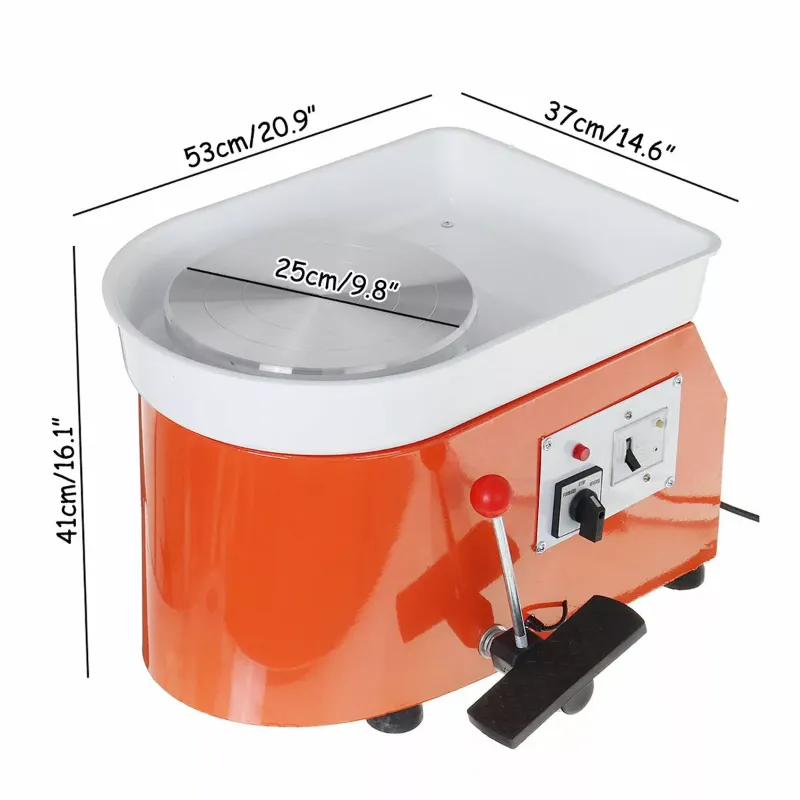 Electric Pottery Wheel Buying Guide: What to Check Before Your First Wheel19 Aug 20263 min
 Wading Suit vs Waterproof Pants: What Anglers Actually Need19 Aug 20264 min
 What to Know About the TELESIN Middle Size Action Camera Case19 Aug 20263 minHow to Use a Diamond Sharpening Stone to Get a Razor-Sharp Edge19 Aug 20265 min