 A Amolen guide
Amolen Wood and Galaxy Filament: What to Expect from Specialty 3D Prints
Wood filament opens up a world of textured, organic-looking prints that standard PLA simply cannot match, and Amolen's specialty lineup makes it easier than ever to get great results.
What Wood Filament Actually Is (and Is Not)
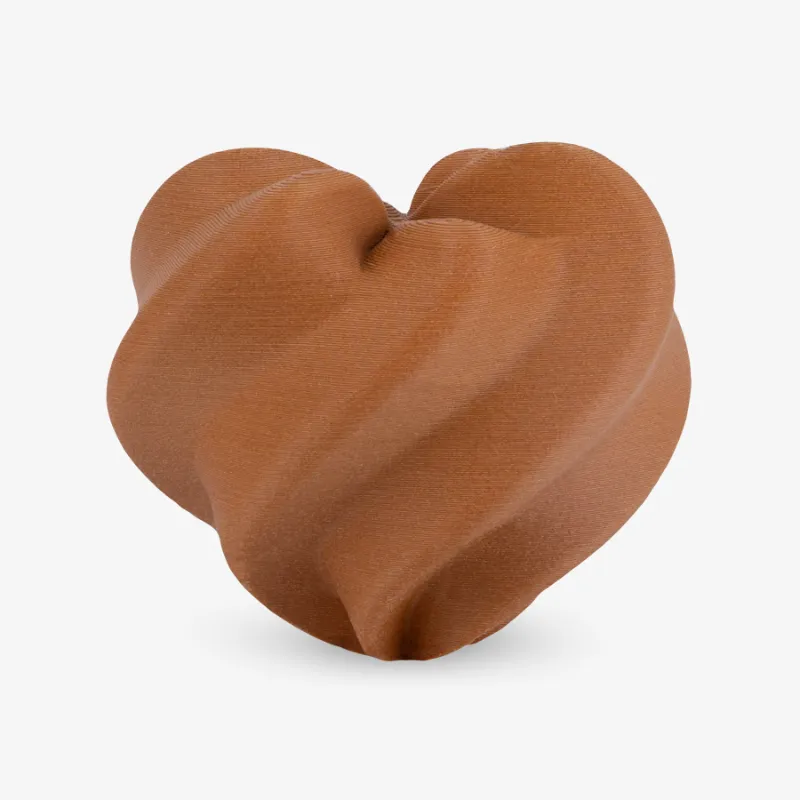
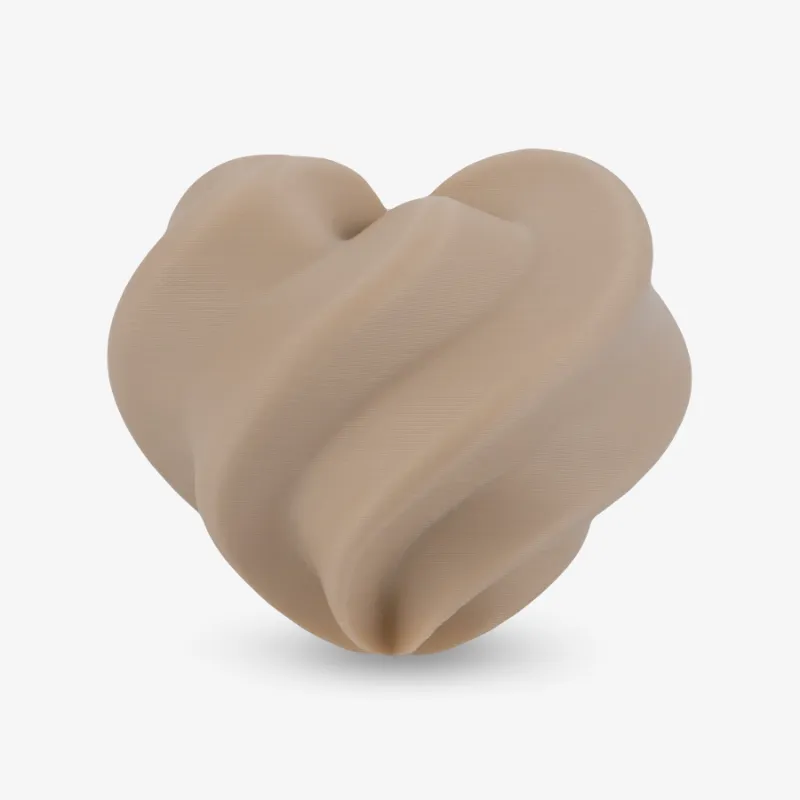
Wood filament is a composite material, not solid timber. It is a PLA-based filament blended with real wood fibers, cork, or sawdust, which gives finished prints a matte, grainy surface that genuinely looks and feels like wood. So yes, is wood filament actually wood? Partly. The wood content is real, but the binder holding it together is standard PLA, which means print temperatures and bed adhesion behave similarly to regular pla filament. That combination of familiar print behavior and distinctive output is exactly why wood filament 3d printing has become one of the most searched specialty categories among hobbyists and prop makers alike.
Amolen’s version runs on any FDM printer capable of handling 1.75mm filament, requires no enclosure, and ships ready to use straight out of the resealable bag.
How Wood Filament Compares to Other Specialty Options
Choosing between specialty filaments comes down to the aesthetic and mechanical outcome you need. Here is how Amolen’s main specialty materials stack up:
| Filament | Surface Look | Difficulty | Best For |
|---|---|---|---|
| wood filament | Matte, grainy, organic | Low-Medium | Decor, props, figurines |
| galaxy filament | Glittery, deep-space sparkle | Low | Display pieces, cosplay |
| aluminum pla | Metallic, heavy feel | Low-Medium | Mechanical replicas, jewelry |
| light purple matte pla | Smooth, flat matte | Low | Everyday artistic prints |
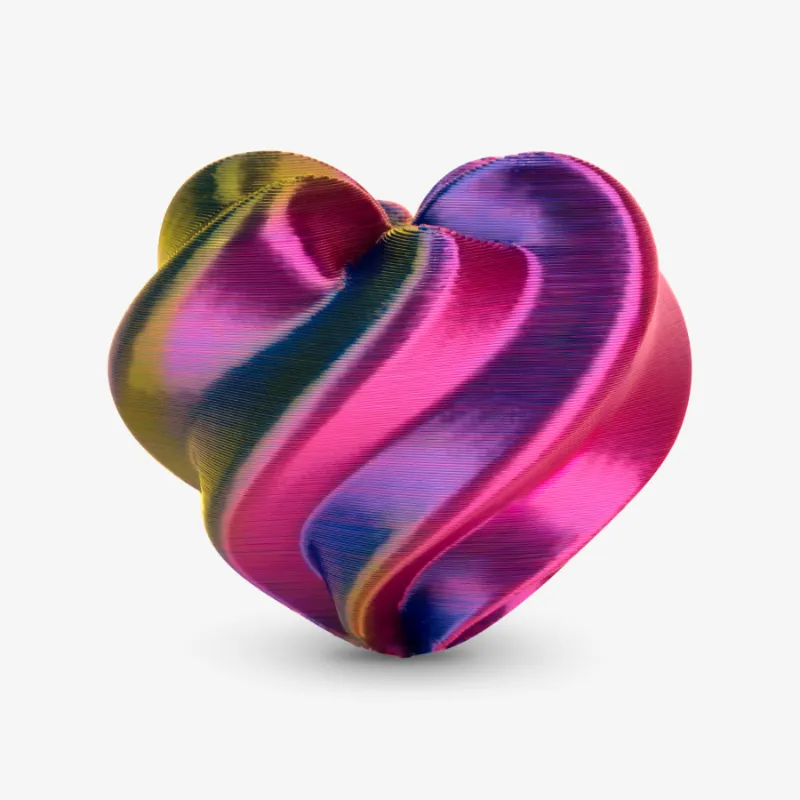
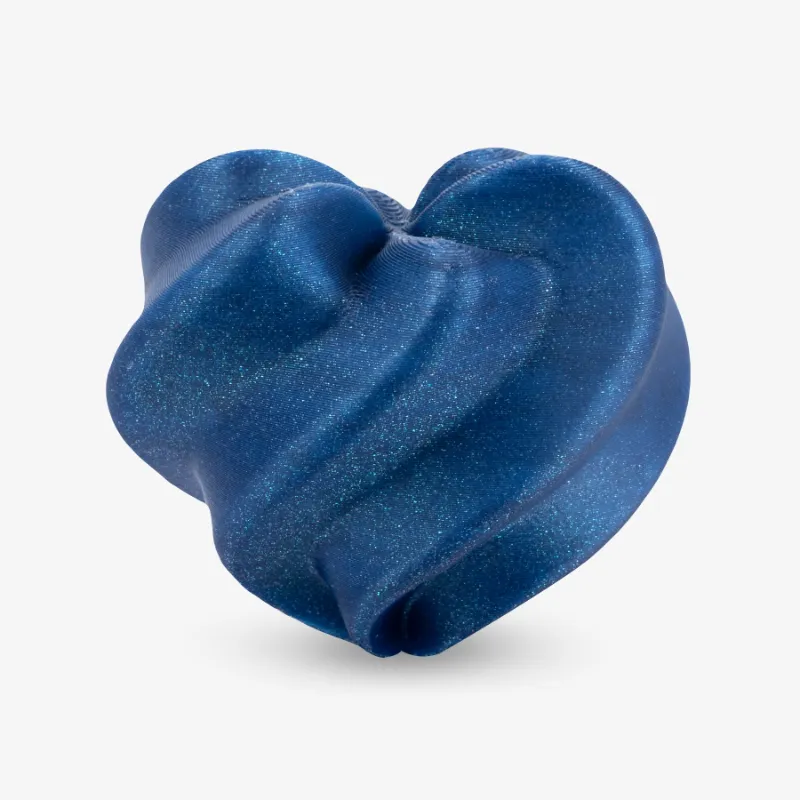
Galaxy filament deserves special mention. It is a glitter-infused PLA that catches light at every angle, producing prints that look almost luminescent. Unlike wood filament, it needs no special nozzle consideration and prints as cleanly as any standard 3d printer pla filament. If you want visual drama without extra tuning, galaxy is the easier pick. If you want tactile realism, wood is the right call.
Print Settings That Actually Matter for Wood Filament
Wood filament pla blends carry suspended fibers that can clog a standard 0.4 mm brass nozzle over long prints. Here is what we recommend:
- Nozzle size: Use 0.4 mm or larger. A hardened steel nozzle is ideal for longer print runs.
- Print temperature: Start between 190 and 220 C. Higher temperatures darken the surface, which can mimic a stained or burned wood effect.
- Bed temperature: 50 to 60 C with a PEI sheet or blue painter’s tape works reliably.
- Print speed: Drop to 40 to 50 mm/s. Slower speeds give the fibers time to bond cleanly.
- Retraction: Keep retraction moderate. Excessive retraction pulls fibers back and causes partial clogs.
- Cooling: Moderate fan speed, around 50 percent. Too much cooling makes the layers brittle.
Community discussions on forums like the Prusa community consistently flag nozzle clogging as the number-one issue with wood filament. The fix is simple: do not leave the filament sitting hot and idle in the nozzle, and do a cold pull after long print sessions.
Getting the Most from Galaxy Filament
Galaxy filament is far more forgiving than wood. Because it is a glitter-filled PLA with no abrasive hard fibers, you can print it through a standard brass nozzle without concern. A few tips:
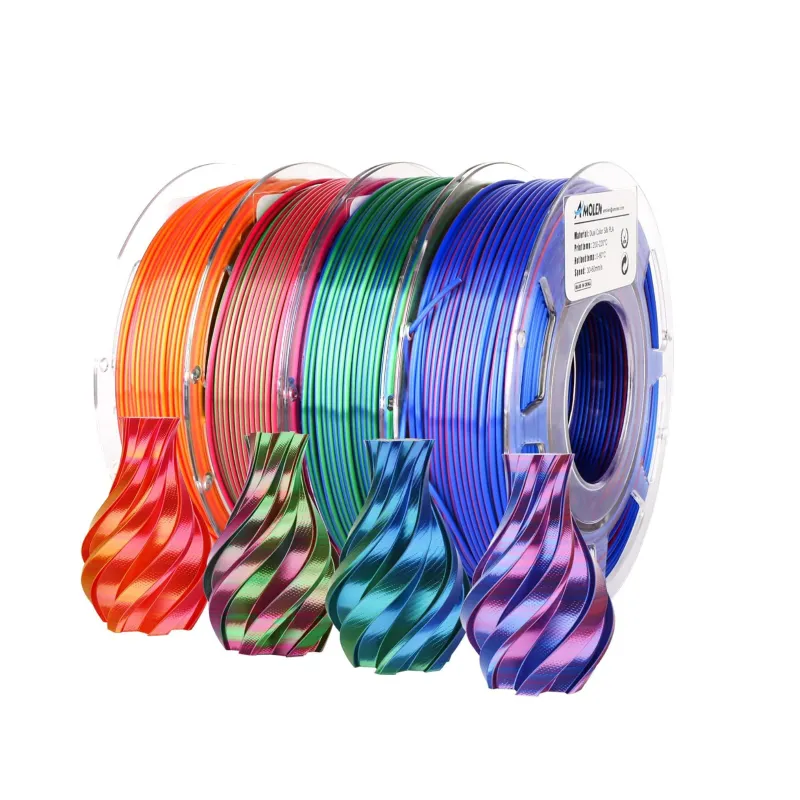
- Layer height: Thinner layers (0.1 to 0.15 mm) help the glitter particles align and catch light more uniformly.
- Top surface: Use an ironing pass if your slicer supports it. It compresses the top layer and amplifies the sparkle effect dramatically.
- Color pairing: Galaxy filament looks best on display stands or enclosures printed in a neutral filament colors range so the sparkle is the focal point.
- Post-processing: No sanding needed. A light wipe with a dry cloth is enough.
If you want to mix material types in one project, galaxy and clear pla pair well together. The translucency of clear PLA lets backlighting interact with adjacent galaxy-printed panels in interesting ways.
When to Choose Wood vs. PLA, PETG, or Other Materials
Not every project calls for a specialty filament. Here is a plain breakdown:
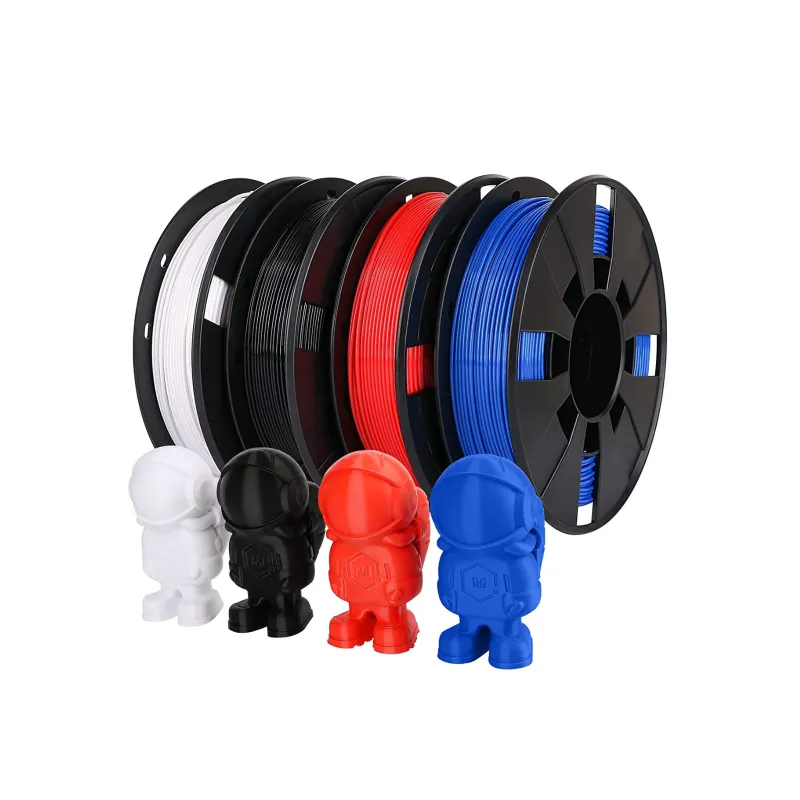
- Standard pla filament 3d: Best for prototypes, functional parts, and anything where surface aesthetics are secondary.
- petg 3d printer filament: Better for parts that need moisture resistance or mild heat tolerance. PETG does not have the wood fiber texture option, so use it for utility, not aesthetics.
- Wood filament: The right choice when the finished object needs to look handcrafted, natural, or carved. Sculptures, picture frames, architectural models, and replica artifacts all benefit from it.
- aluminum pla: When you need a metallic look without the cost or printing complexity of actual metal-filled filament.
- light purple matte pla: When color and matte finish matter more than texture.
For most people new to specialty materials, wood filament is the best starting point because the print settings overlap so closely with standard PLA. You are not learning a new material family, just tuning a few parameters.
Post-Processing Wood Filament Prints
One of the genuine advantages of wood filament over every other specialty option is how well it responds to traditional woodworking finishing techniques:
- Sanding: Start at 120 grit and work up to 220. The surface smooths out and the wood grain becomes more defined.
- Staining: Oil-based wood stains absorb into the fiber content just as they do on real timber. Test on a spare piece first since darker stains can look very convincing.
- Painting: Acrylic paints adhere well without priming, though a light scuff with 220-grit first improves adhesion.
- Sealing: A matte polyurethane coat protects the surface and keeps the natural look. Gloss coats tend to make the piece look plastic rather than wooden.
Galaxy filament needs almost no post-processing. Clear coat spray can deepen the sparkle, but many users skip finishing altogether.
Where to Buy Amolen Specialty Filaments
Amolen’s full specialty range, including wood filament, galaxy filament, and the rest of the lineup, is available directly through their store. Before you order, grab the current discount code for 5% off sitewide. That saving adds up quickly if you are buying multiple spools to test different specialty materials alongside staples like pla filament or petg 3d printer filament.
If you are comparing spool counts or checking whether a specific color is in stock, check the latest price and availability before adding to cart, since specialty runs can sell out faster than standard colors.
Questions
Is wood filament hard to print with for beginners?
Wood filament prints similarly to standard PLA, so beginners with basic FDM experience can handle it. The main adjustment is slowing down print speed and using a 0.4 mm or larger nozzle to avoid fiber clogs.
What is wood filament made of?
It is a composite of PLA plastic blended with real wood fibers, cork particles, or fine sawdust. The PLA acts as a binder, while the wood content gives the finished print its texture, matte surface, and natural appearance.
Can I sand and stain Amolen wood filament prints like real wood?
Yes. The wood fiber content responds well to sanding and oil-based stains, which is one of the biggest advantages of this material over standard PLA. Start with 120-grit sandpaper and test any stain on a scrap piece first.
Does galaxy filament require a special nozzle or print settings?
No special nozzle is needed since galaxy filament is a glitter-filled PLA without abrasive hard particles. Standard brass nozzles work fine, and print settings are close to any other PLA you already use.
How does wood filament compare to PETG for functional parts?
They serve different purposes. PETG is the better choice for parts needing moisture resistance or mechanical strength. Wood filament is optimized for aesthetics and surface texture, not structural performance.
Is there a discount code for Amolen wood filament or galaxy filament?
Yes, Amolen currently offers 5% off sitewide. You can find the active code and check current pricing on our Amolen discount code page before you order.
Products in this guide
 Shopping at Amolen? See the discount code
5% OFF Sitewide
Shopping at Amolen? See the discount code
5% OFF Sitewide