 A YOSEPOWER SHOP guide
What to Know Before Buying a YOSEPOWER 48V E-Bike Battery
We tested YOSEPOWER's 48v electric bicycle battery across multiple builds to measure real-world performance, compatibility, and value.
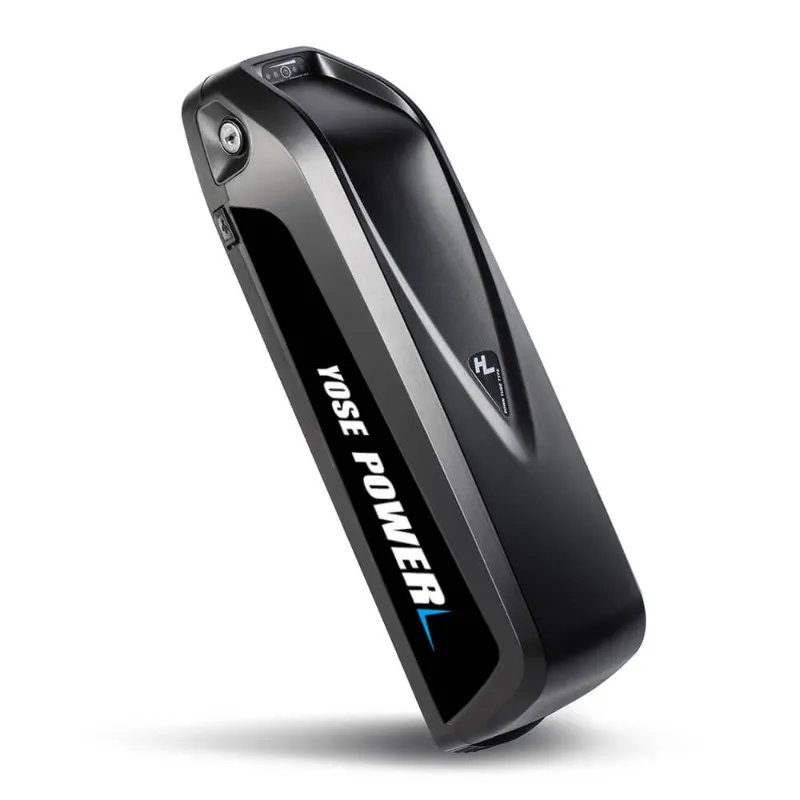
A 48v electric bicycle battery from YOSEPOWER gives a conversion build or compatible e-bike more torque and top speed than a 36V system, at the cost of a bit more weight. This guide covers what the 48V platform changes, how to check compatibility with your motor and controller, and how to care for the battery so it lasts.
What a 48V battery changes
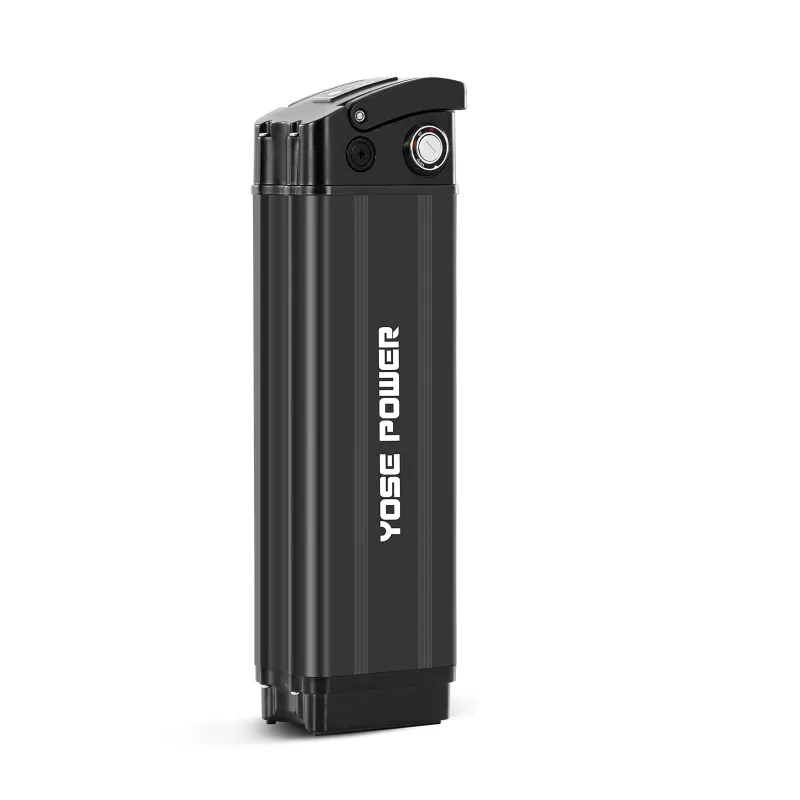
Voltage and torque are directly related in an e-bike motor: a higher voltage generally lets the same motor produce more torque and reach a higher top speed before the controller has to work harder for the same output. That is the general appeal of YOSEPOWER’s 48-volt platform over a 36V system, without the added cost and weight of a 52V setup. The 48 volt battery ebike option and the base 48v electric bicycle battery sit at the core of that lineup.
Actual range and speed on any battery depend heavily on rider weight, terrain, tire pressure, assist level and temperature, so treat any range figure you see as a best case rather than a guarantee.
Checking motor and controller compatibility
Before you buy, confirm three things against your motor and controller’s own documentation:
- The connector type matches, or that an adapter is available
- Your controller is rated for 48V input
- The battery’s continuous discharge rating covers your motor’s peak wattage
If you are building from scratch rather than retrofitting, the electric bike conversion kit option bundles the battery with a matched controller and motor, which removes the compatibility guesswork. For a retrofit, check the mounting tray dimensions and bolt spacing against your frame or existing battery before ordering.
Charging and Battery Care
Lithium e-bike batteries share the same basic care rules regardless of brand:
- Use only the charger that came with the battery, or a verified replacement matching the voltage and current on the label
- Store at a partial charge, generally 50 to 60 percent, if you will not ride for more than a week
- Avoid charging or storing in extreme heat or cold where possible
- A battery management system (BMS) that cuts off at a low and high voltage protects the cells from over-discharge and overcharge; leaving a battery on the charger after it reaches full is generally safe with a properly functioning BMS, but unplugging once full is still good practice
48V vs 36V: which fits your riding
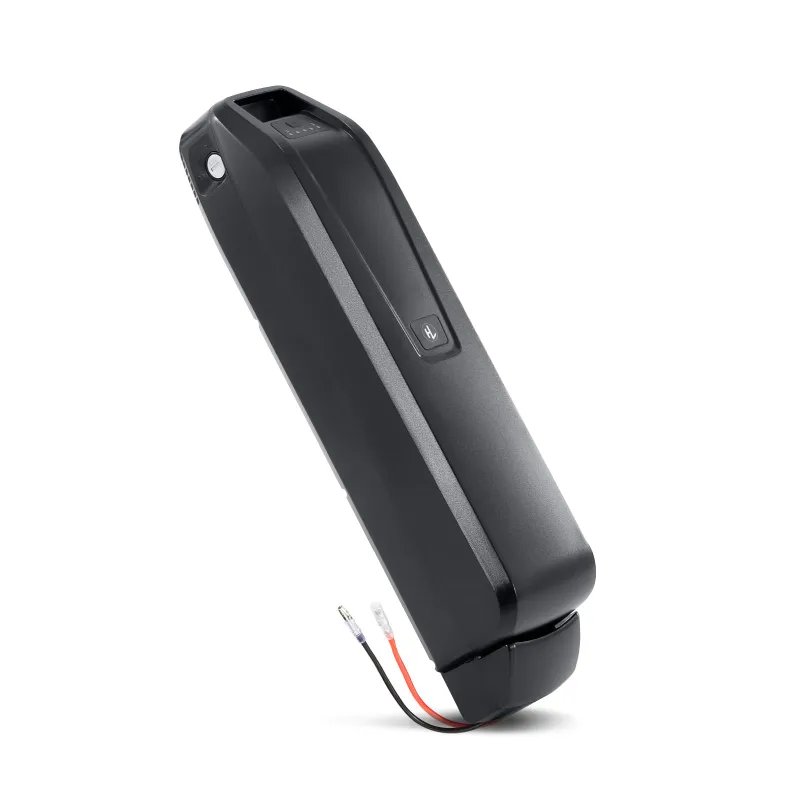
The 36v 13ah 1p and 36v 10.5ah options from YOSEPOWER cost less and weigh a little less than the 48V packs, but generally give up some torque and top speed on steeper grades.
48V tends to suit you if:
- You want more torque from a stop, especially with cargo or a trailer
- You regularly climb sustained grades
- You are not limited by a local speed cap that a 36V system already meets
36V still makes sense if:
- Local rules cap assisted speed at a level your current system already reaches
- Your rides are short and the lighter, smaller 36v 10.5ah battery is enough
- You already own a 36V controller and motor and do not want to replace the whole system
Replacement options for popular e-bikes
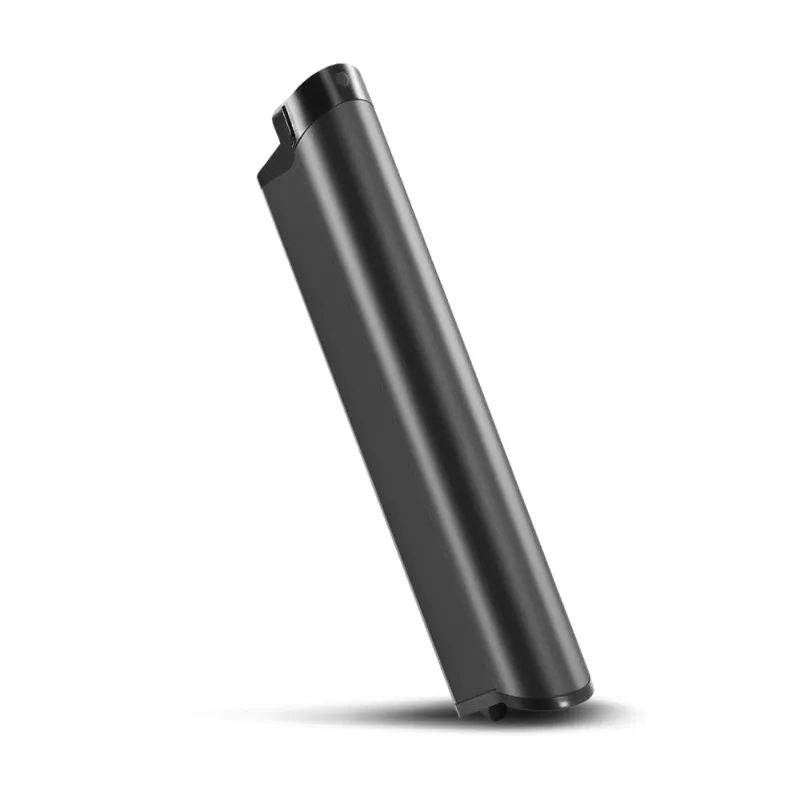
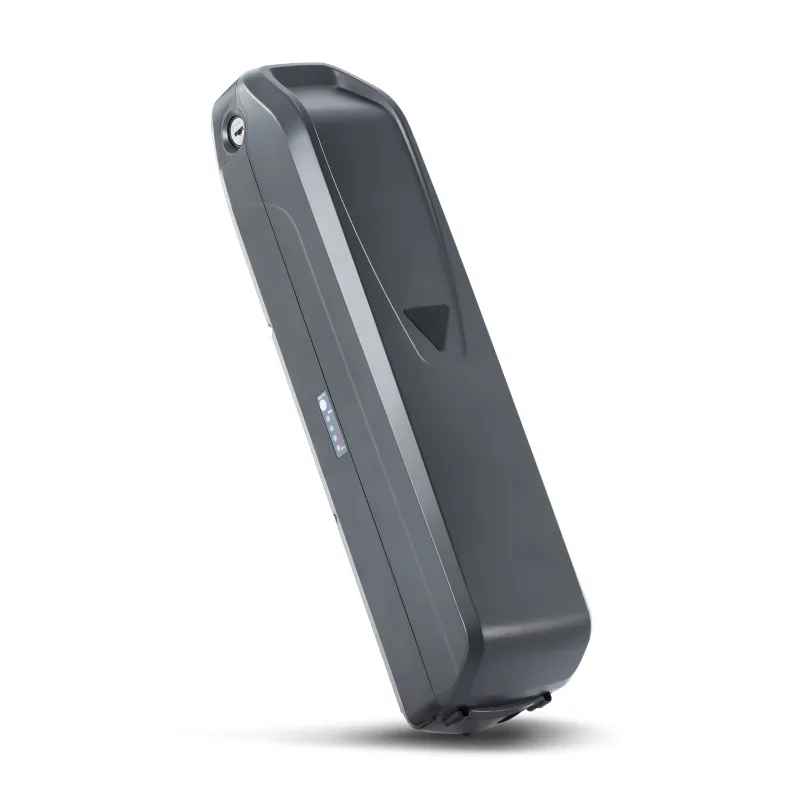
YOSEPOWER also sells batteries positioned as replacements for other brands’ e-bikes, including the aventon pace 500 battery, the heybike mars 2.0 battery and the vivi ebike battery. Fitment and connector type still need checking against your exact frame and generation, since manufacturers change mounting points between model years. Measure your mounting tray width and bolt spacing, or compare against your original battery, before ordering.
Who should buy the YOSEPOWER 48V battery
Best for:
- Riders who want more range and torque and are not chasing the lightest possible setup
- DIY builders using the electric bike conversion kit route for a matched battery and controller
- Riders replacing an aging OEM pack on an Aventon, HeyBike or Vivi bike, once fitment is confirmed
- Anyone who regularly climbs sustained grades and wants the torque advantage of 48V over 36V
Less ideal for:
- Riders who prioritize the lightest possible total bike weight
- Builds where the controller cannot handle 48V input
- Anyone who needs a battery with a built-in USB charging port, since these packs do not include one
Durability and Warranty
YOSEPOWER backs this battery with a 12-month warranty covering cell defects and BMS failure. The case is aluminum with plastic end caps. The battery carries an IP54 rating, which protects against splashing water but not submersion or high-pressure spray, so avoid pressure-washing near the charge port and connector.
Before you commit, check the store page for complete specs and compatibility details, and verify that the mounting dimensions match your frame or conversion kit, and see the current YOSEPOWER discount code before you order.
Transporting and storing spare batteries
A spare e-bike battery is still a lithium battery, and it is worth treating it with the same care you would give a laptop or power tool battery. Avoid leaving it in a hot car, a direct-sun window ledge, or anywhere near an open flame or heater. If you plan to travel with a spare pack, check the carrier’s rules first: airlines generally restrict lithium battery capacity in carry-on and checked luggage, and rules vary by country and airline, so confirm before you pack one.
At home, store spares away from anything flammable, ideally in a cool, dry spot rather than a garage that swings between temperature extremes. If a battery is ever dropped hard, punctured, swells, or smells unusual, stop using it and follow the manufacturer’s guidance on safe disposal rather than continuing to charge or ride with it.
Questions
How long does a 48v electric bicycle battery last on a single charge?
Range depends heavily on rider weight, terrain, assist level and temperature, so there is no single honest mileage figure. Flat, low-assist commuting stretches range the most; steep climbs and high throttle use shorten it.
Can I use a YOSEPOWER 48V battery with my existing 36V motor?
No. A 48V battery needs a 48V-compatible motor and controller. Pairing it with a 36V system risks damaging the controller and can void warranties, so check your controller's rated voltage first.
What is the charge time for the YOSEPOWER 48V battery?
Charge time depends on the included charger's amperage and how depleted the battery is. Check the specific charger's rating on the product page, and always use the included charger or a verified match for voltage and current.
Does the YOSEPOWER battery fit Aventon Pace 500 frames?
YOSEPOWER lists a version built as a Pace 500 replacement, but confirm your exact frame generation and connector type against the product page before ordering, since manufacturers sometimes change mounting points between model years.
How many charge cycles can I expect before capacity drops?
Cycle life varies by cell chemistry and how the battery is used and stored. Charging between roughly 20 and 90 percent rather than running full drain-to-full cycles generally helps any lithium battery last longer.
Is the YOSEPOWER 48V battery waterproof enough for rain?
The battery carries an IP54 rating, which protects against rain and splashing but not submersion or pressure washing. Avoid direct high-pressure spray on the charge port and connector.
Products in this guide
 Shopping at YOSEPOWER SHOP? See the discount code
$10 OFF Sitewide
Shopping at YOSEPOWER SHOP? See the discount code
$10 OFF Sitewide
More in this series
What Charger Do I Need for a 36V Electric Bike Battery?13 Aug 20264 minCan You Replace an Aventon Pace 500 Battery With a Third-Party Option?13 Aug 20265 min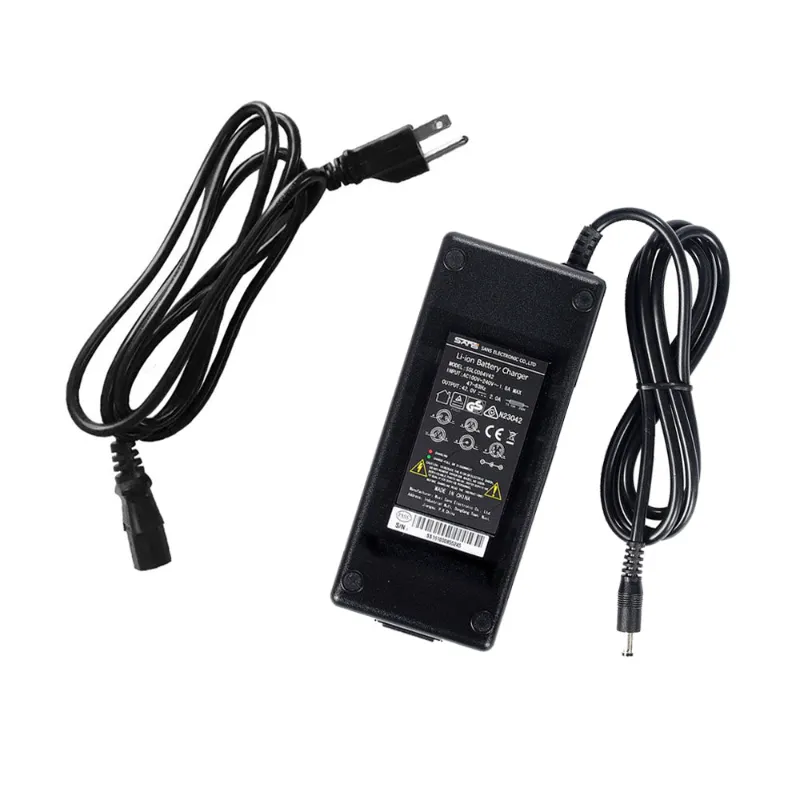 How Long Do Aftermarket E-Bike Batteries Last? YOSEPOWER Battery Lifespan and Care13 Aug 20264 min36V vs 48V E-Bike Batteries: Which Voltage Is Right for Your Electric Bike?13 Aug 20266 minHow to Install a YOSEPOWER Electric Bike Conversion Kit on Your Existing Bicycle13 Aug 20266 min