 A YOSEPOWER SHOP guide
What Charger Do I Need for a 36V Electric Bike Battery?
Choosing the right 36v battery charger for electric bike use is simpler than it sounds once you know your battery's voltage, connector type, and amp-hour rating.
A 36v battery charger for electric bike use is the single most important accessory you can pair with your battery, and getting the wrong one risks damaging a pack that costs far more to replace. Most 36V lithium packs charge to exactly 42V at full capacity, so your charger output must match that ceiling. This guide walks you through every decision point, from connector types to amperage and compatibility with popular battery models.
Why the Right 36V Battery Charger for Electric Bike Use Matters
Lithium-ion cells are unforgiving when overcharged or undercharged. A charger rated at the wrong voltage either fails to top up the pack or pushes cells beyond their safe ceiling, accelerating degradation or, in worst cases, causing thermal issues.
Key specs to check before buying:
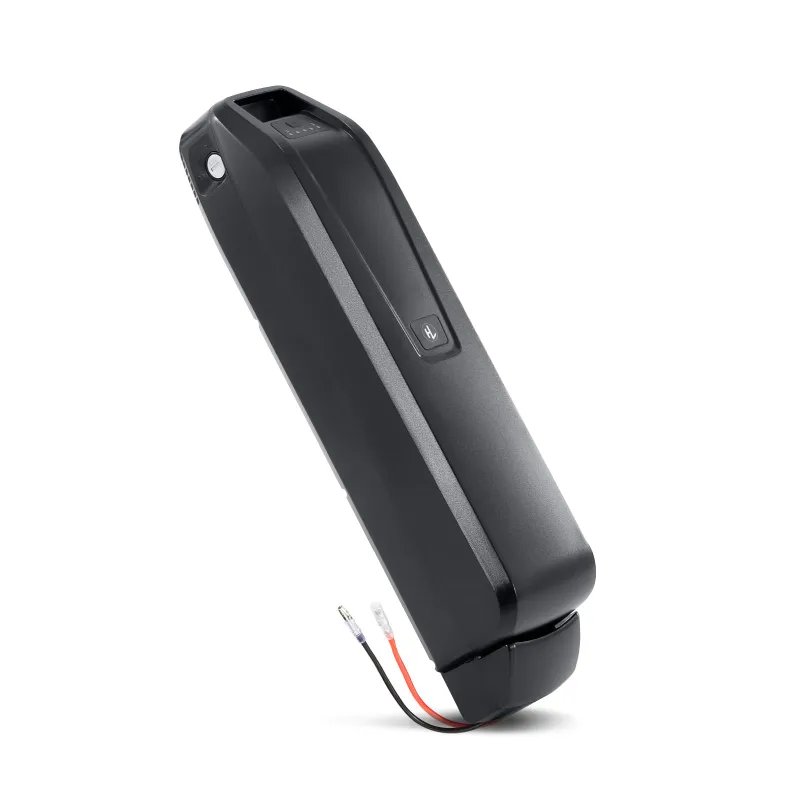
- Output voltage: A 36V lithium pack needs a charger with a 42V output (not 36V). This is the fully charged voltage for a 10-cell lithium series pack. The em3ev guide on 36V charger safety and the 42V standard explains this clearly.
- Amperage (A): Common options are 2A (slow, gentle), 3A (balanced), and 5A+ (fast). Higher amperage charges faster but generates more heat. Match this to your battery’s recommended charge rate.
- Connector type: XLR (3-pin), round barrel, and proprietary plugs are all common. Measure or check your battery label before ordering.
- Battery capacity (Ah): A 36v 13ah 1p pack has more capacity than a 36v 10.5ah pack. Larger packs benefit from a slightly higher-amperage charger to keep charge times reasonable without stressing the cells.
Understanding 36V vs. 48V Chargers: Do Not Mix Them Up
One of the most common mistakes riders make is plugging a 48V charger into a 36V battery or vice versa. The connectors sometimes look identical, which makes this dangerous.
| Charger Output | Battery Voltage | Safe to Use? |
|---|---|---|
| 42V (36V charger) | 36V lithium | Yes |
| 54.6V (48V charger) | 48V lithium | Yes |
| 42V (36V charger) | 48V lithium | No, undercharges |
| 54.6V (48V charger) | 36V lithium | No, overcharges/dangerous |
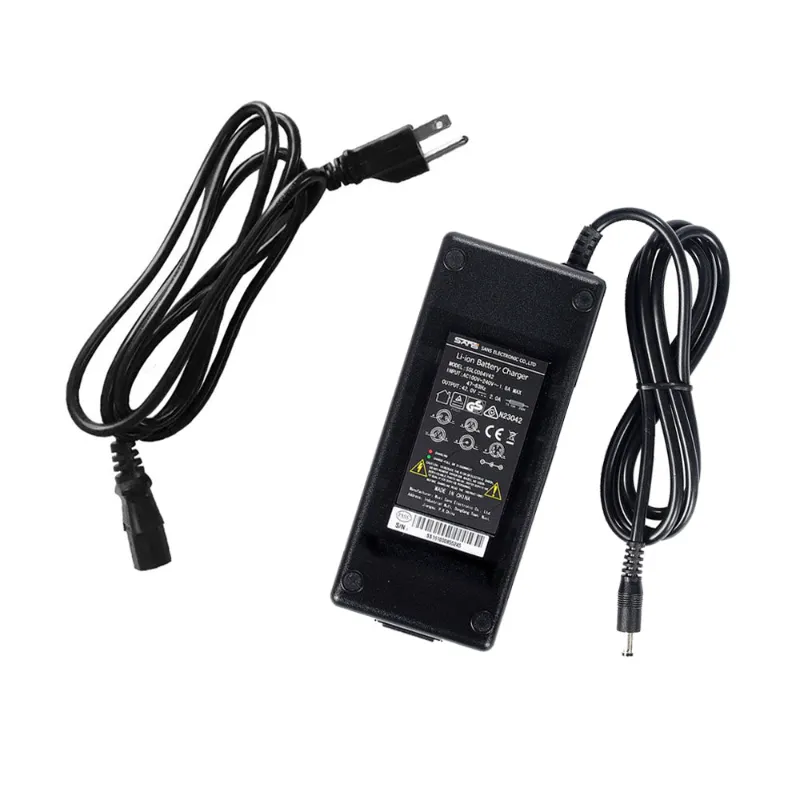
If your fleet includes both voltage levels, label your chargers clearly. Yosepower carries both a 36v battery charger for electric bike and options for 48V packs, so it is easy to grab the right one for each bike.
Which Yosepower Batteries Need a 36V Charger?
Several batteries in the Yosepower catalog run on 36V architecture. Knowing which pack you own determines your charger.
36V packs (need a 42V-output charger):
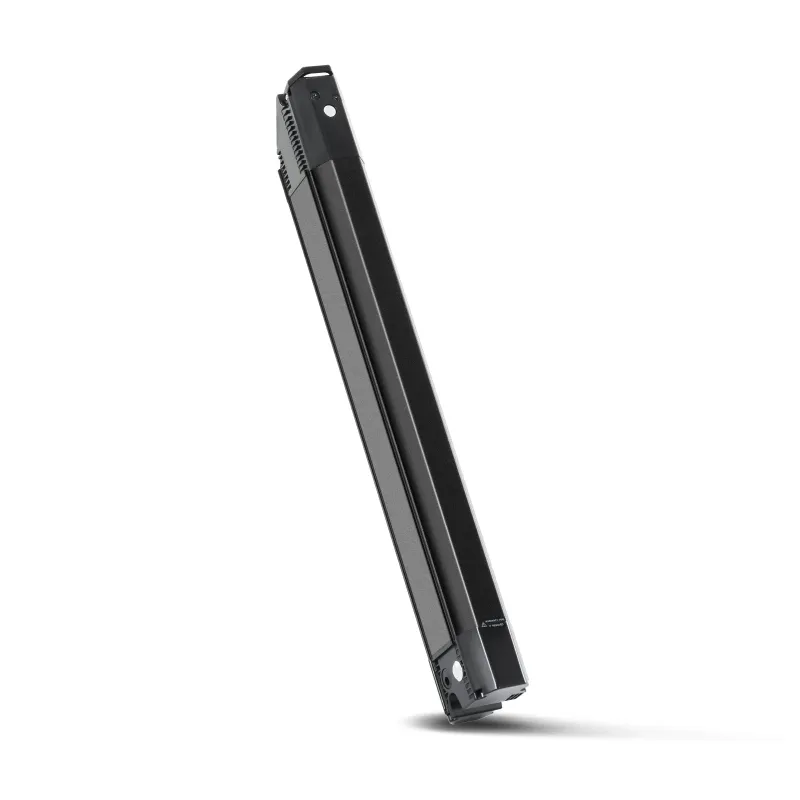
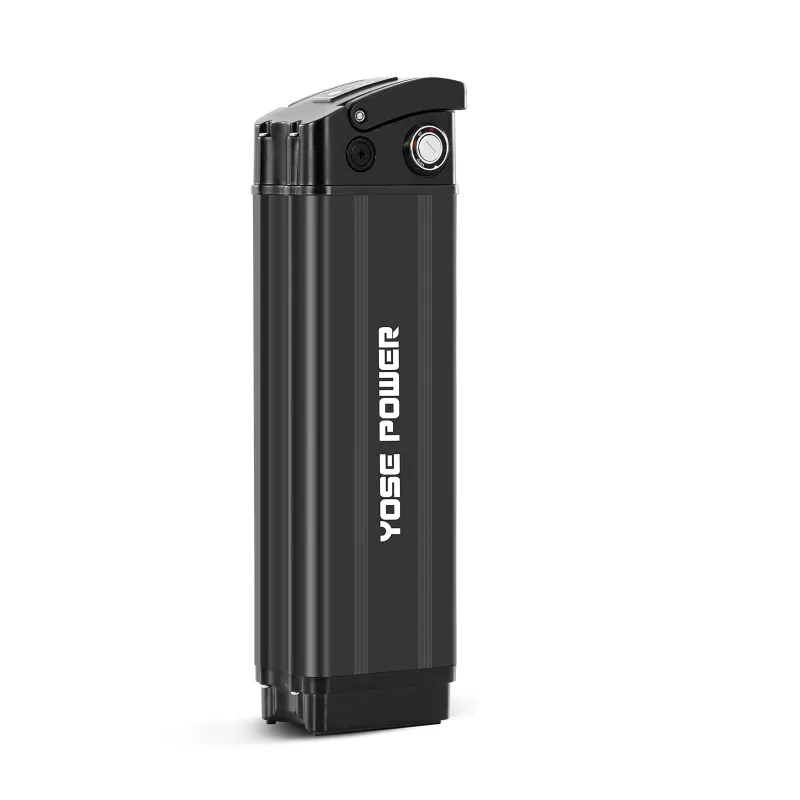
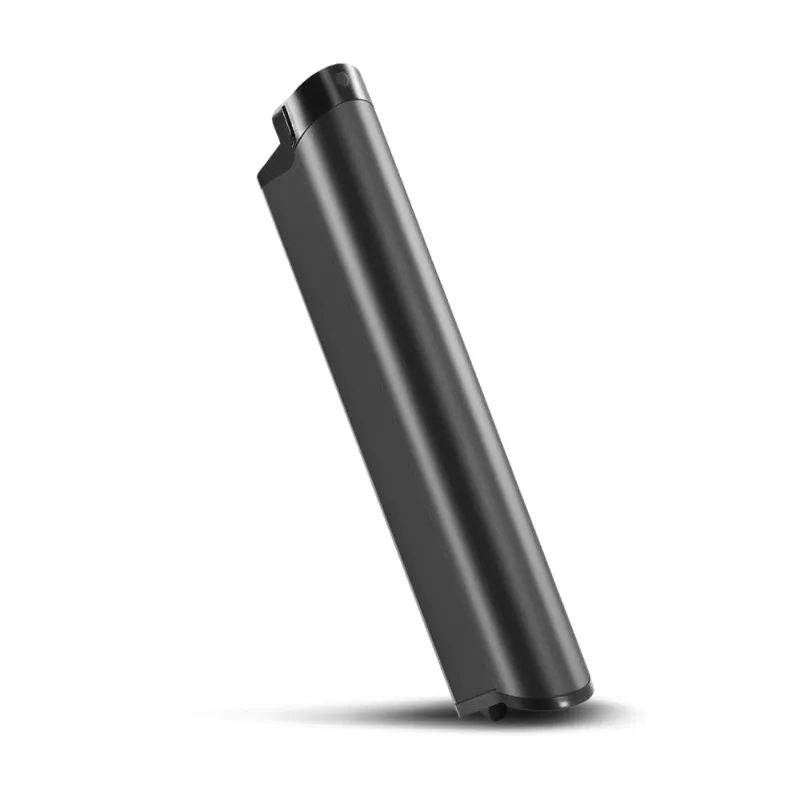
- 36v 13ah 1p: a higher-capacity option suited to longer commutes or heavier riders
- 36v 10.5ah: a lighter, more compact choice for city riding or lighter conversion kits
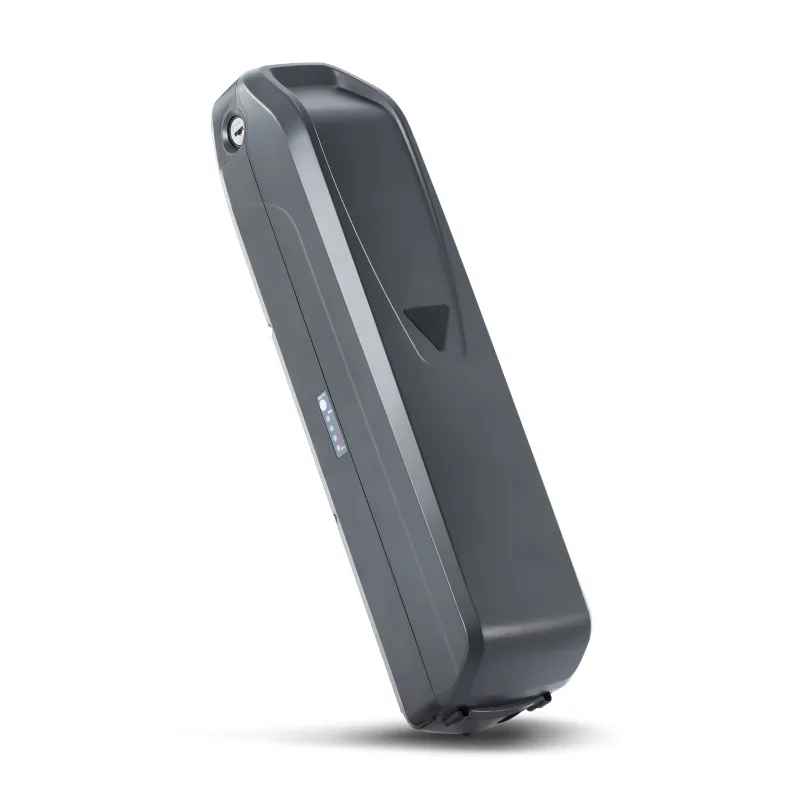
Popular brand-compatible 36V batteries riders often need replacement chargers for include packs used with Vivi, Heybike, and Huffy bikes. If you have a vivi ebike battery or a heybike mars 2.0 battery, confirm the voltage printed on the battery label before ordering a replacement charger; some models in these lineups ship with 48V packs instead.
48V packs (need a 54.6V-output charger, NOT a 36V charger):
For a thorough real-world comparison of charger options and brands, the Gaspowerbikes review of the 10 best 36V chargers is worth bookmarking.
How to Match a Charger to a Conversion Kit or Replacement Battery
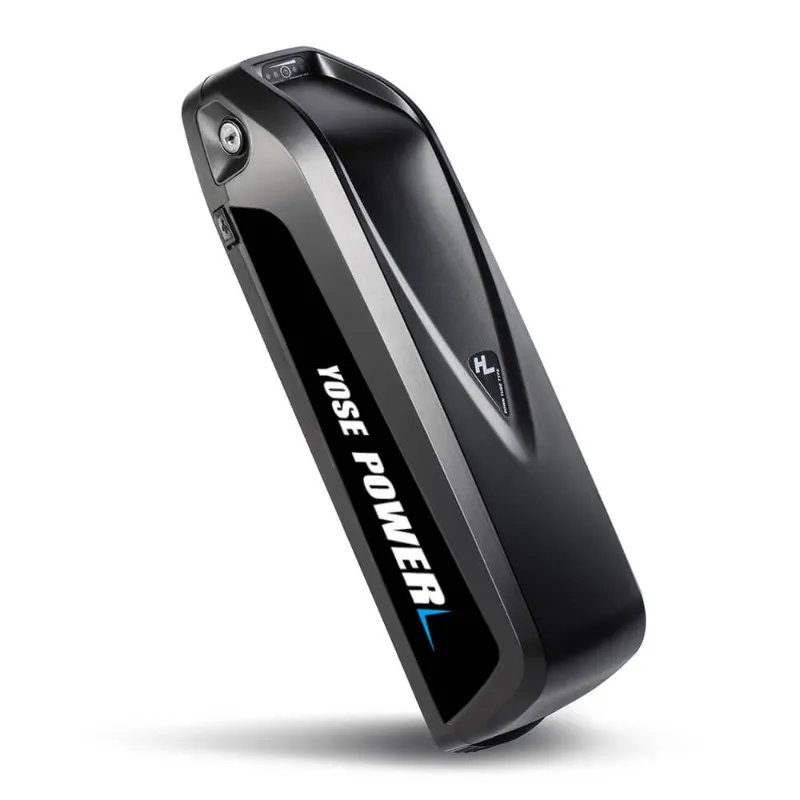
If you are building a custom setup with an electric bike conversion kit, the battery you choose dictates the charger voltage. Most hub-motor kits in the 250W to 750W range run on either 36V or 48V.
Steps to confirm what you need:
- Read the battery label. The nominal voltage (36V or 48V) and maximum charge voltage (42V or 54.6V) are printed there.
- Check the BMS rating. The battery management system specifies the max charge input. Never exceed it.
- Match connector type. Take a photo of your charge port before ordering. The Yosepower 36v battery charger for electric bike lists compatible connector types on its product page.
- Choose amperage wisely. A 2A charger on a 13Ah pack takes roughly 7 hours. A 3A charger cuts that to around 5 hours. Only go higher if your battery’s BMS allows it.
You can check the latest price and grab a discount code before adding any charger or battery to your cart.
Charger Care and Safe Charging Habits
A charger is only as reliable as the habits around it.
- Never leave a lithium pack charging unattended overnight. Most packs are designed to stop at full charge, but charger faults do happen.
- Charge at room temperature. Charging below 5°C (41°F) can cause lithium plating inside the cells, permanently reducing capacity.
- Inspect the cable regularly. Frayed insulation near the plug is a fire risk. Replace the charger immediately.
- Store at partial charge if long-term storage is planned. Keeping a pack at 100% for months degrades it faster than cycling it.
- Use a surge-protected power strip. Grid spikes pass through cheap chargers and damage the BMS.
Where to Buy and How to Save
Yosepower stocks the dedicated 36v battery charger for electric bike, the 36v 10.5ah, and the 36v 13ah 1p all in one place, so you can match charger and battery in a single order. The store currently offers $10 OFF Sitewide. Grab the code here before checkout to apply it to any charger, battery, or conversion kit in the store.
Buying both the battery and charger together from the same supplier also removes any guesswork about connector and voltage compatibility, which is reason enough to keep the purchase in one place.
Questions
What voltage should a 36v battery charger for electric bike output?
A charger for a 36V lithium battery should output 42V, not 36V. That is the fully charged voltage for a standard 10-cell lithium series pack, and using a charger that only outputs 36V will leave your battery chronically undercharged.
Can I use a 48V charger on a 36V battery by mistake?
No. A 48V lithium charger outputs around 54.6V, which is well above the safe ceiling for a 36V pack. This can overcharge and damage the cells or trigger a dangerous thermal event. Always verify the output voltage printed on the charger before plugging in.
Is the Yosepower 36v 13ah 1p compatible with a standard 42V charger?
Yes. The 36v 13ah 1p is a standard lithium pack that charges to 42V. Confirm the connector type on the product page matches your charger before ordering, as plug styles vary between models.
What charger do I need for a Heybike Mars 2.0 or Vivi ebike battery?
It depends on the specific pack voltage, which is printed on the battery label. Some models ship with 36V packs (requiring a 42V charger) and others with 48V packs. Always read the label rather than assuming based on the bike brand.
How long does it take to charge a 36V electric bike battery?
Charge time depends on battery capacity and charger amperage. A 10.5Ah pack on a 2A charger takes roughly 5 to 6 hours; a 13Ah pack on a 3A charger takes around 5 hours. Check your battery's BMS rating before using a higher-amperage charger to speed things up.
Does a 36V charger work for an electric scooter battery too?
Many electric scooters use the same 36V lithium chemistry as e-bikes, so a 42V-output charger can be compatible. Always verify the output voltage, connector type, and amperage match the scooter battery's specifications before using any charger.
Products in this guide
 Shopping at YOSEPOWER SHOP? See the discount code
$10 OFF Sitewide
Shopping at YOSEPOWER SHOP? See the discount code
$10 OFF Sitewide
More in this series
What to Know Before Buying a YOSEPOWER 48V E-Bike Battery13 Aug 20264 minCan You Replace an Aventon Pace 500 Battery With a Third-Party Option?13 Aug 20265 minHow Long Do Aftermarket E-Bike Batteries Last? YOSEPOWER Battery Lifespan and Care13 Aug 20264 min36V vs 48V E-Bike Batteries: Which Voltage Is Right for Your Electric Bike?13 Aug 20266 minHow to Install a YOSEPOWER Electric Bike Conversion Kit on Your Existing Bicycle13 Aug 20266 min