 A Secret Service Beauty guide
Do Wool Beanies Last Longer Than Synthetic? What Decides It
Wool beanies do last longer than synthetic alternatives when cared for properly, offering superior durability and longevity that justifies the investment.
Wool beanies usually last longer than synthetic ones, as long as you care for them properly. Wool fibers are springy and recover their shape after stretching, while acrylic and polyester tend to pill, go fuzzy and lose their structure sooner with friction and repeated washing. The catch is care: a wool beanie that goes through a hot wash and a dryer can shrink or felt, and at that point a cheap synthetic would have been the better buy.
Why wool beanies last longer than synthetic
Wool has a few natural traits that help it age well. Each fiber has a crimp, a natural wave that lets it stretch and spring back, so a wool beanie keeps its shape through a lot of pulling on and off. The fiber surface is covered in tiny scales and carries some lanolin, a natural oil that helps it shed dirt and moisture.
Synthetic fibers like acrylic and polyester are made to look and feel like wool at a lower price. They are warm enough and easy to wash, but they do not recover from stretching the same way. Over time, friction pulls loose fibers to the surface, and those fibers ball up into pills that make the hat look worn. Synthetics can also go limp and lose their snug fit once the knit relaxes.
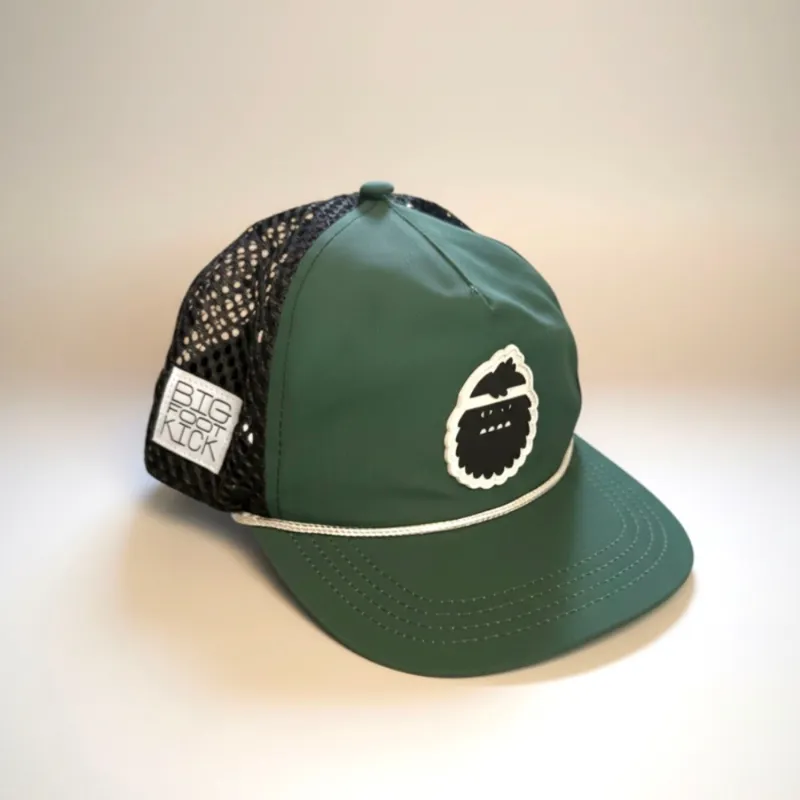
Fit plays a part too. A beanie that is too tight stretches out faster, whatever it is made of. One that is a little loose puts less strain on the knit but may slide around. When you compare hats such as the bigfoot hat, the watch cap beanie and the bigfoot one, check the fiber content on each listing first, then the sizing, since those two details tell you more about lifespan than the design does.
Wool vs synthetic at a glance
| Material | Pilling | Warmth when damp | Care | Best for |
|---|---|---|---|---|
| Wool or wool blend | Low to moderate | Stays warm | Hand wash or gentle cycle, dry flat | Daily wear in cold weather |
| Merino wool | Low | Stays warm | Gentle wash | Active use, sensitive skin |
| Acrylic | Higher | Can feel clammy | Machine washable | Occasional wear, tight budgets |
| Polyester blend | Moderate | Can feel clammy | Machine washable | Backup hats, kids |
Wool wins on durability, but acrylic has real advantages. It costs less up front, goes in the washing machine, and needs very little thought. If you live somewhere mild or only reach for a beanie now and then, a synthetic makes sense. For cold winters and daily wear, we would lean toward wool.
How knit and fiber affect lifespan
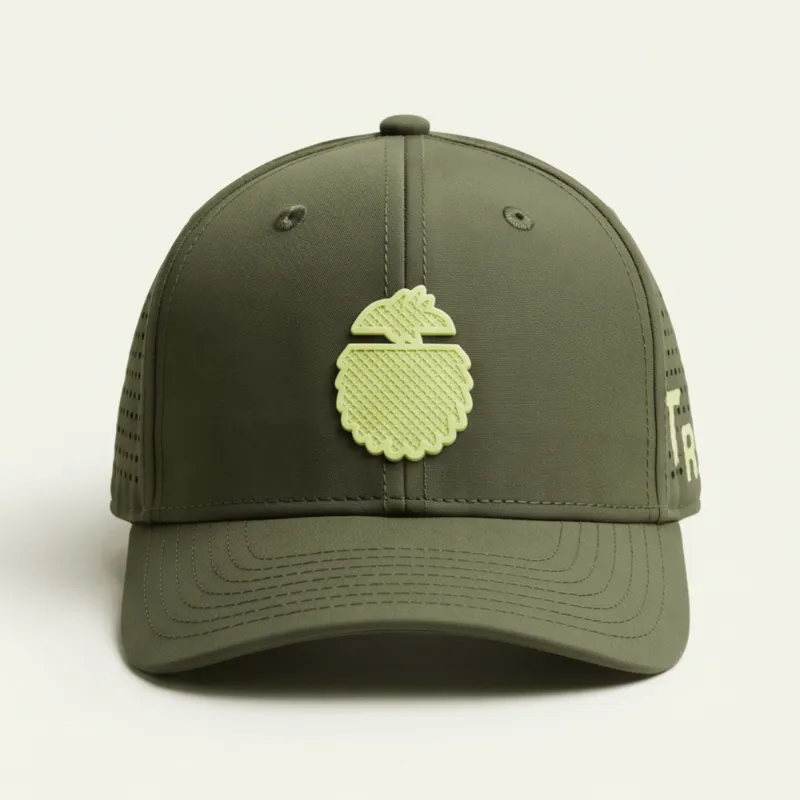
Material is only half of it. Knit density matters just as much. A tightly knit hat holds its shape and resists snagging better than a loose, open knit, whatever the fiber. When you look at a hat like the big foot hat or the squatch hat, study the close-up photos and the description for words like “double layer”, “lined” or “tight knit”.
Merino is a finer type of wool, with fibers typically around 20 to 24 microns in diameter, which is why it feels soft rather than scratchy. That softness does not make it weak; merino is still wool, with the same crimp and spring. Coarser wool can feel itchy on bare skin but tends to be hard wearing.
Washing is where synthetics and wool part ways. Every wash sheds a little fiber from a synthetic beanie and loosens its structure. Wool handles washing well when the water is cool and the handling is gentle, but heat plus agitation opens up the scales on the fibers and makes them lock together. That is felting, and it shrinks a hat for good.
Caring for wool so it lasts
A wool beanie only outlasts a synthetic one if it is looked after. These habits make the biggest difference:
- Wash in cool water, not hot. Heat encourages felting and shrinkage.
- Use a wool detergent. Regular detergent can strip the natural lanolin.
- Skip the dryer. Press out water in a towel, then dry flat or on a rack.
- Spot clean between washes. Wool does not need washing after every wear.
- Store it in a breathable bag, not plastic, so it stays dry and aired.
- Remove pills gently with a sweater comb or soft brush instead of pulling them.
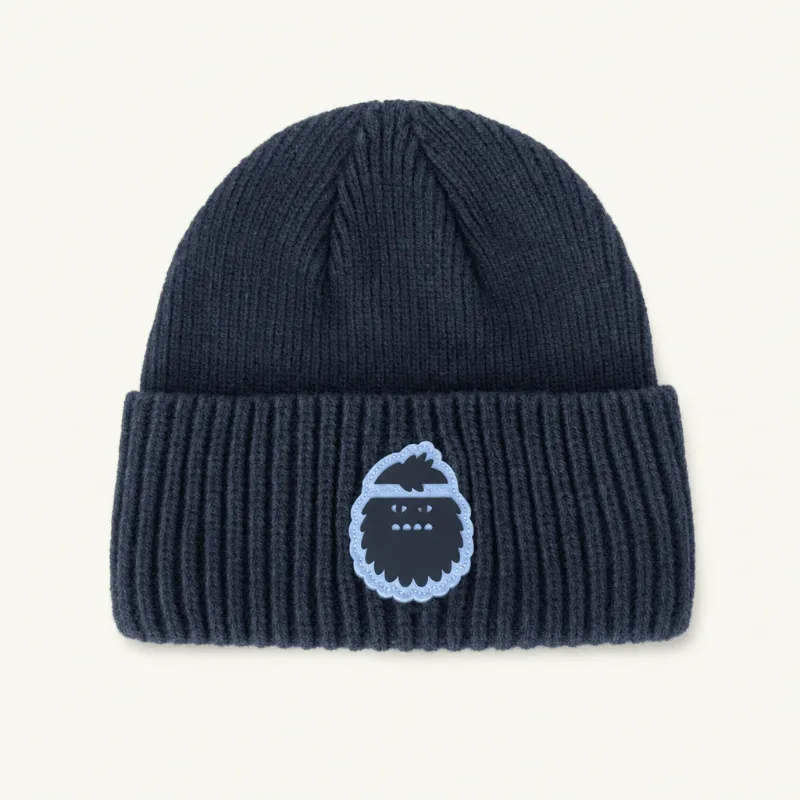
For a step by step routine, this wool hat care guide walks through cleaning and drying. Whichever hat you buy, including the bigfoot beanie, follow the care label that comes with it.
Synthetic beanies are more forgiving. Most can go through a normal wash and a low tumble dry. The trade off is that the convenience usually comes with a shorter life.
When a synthetic beanie makes sense
Wool is not always the right call. A synthetic beanie is the smarter buy when:
- You are buying for a child who loses hats often.
- You want to throw it in the washing machine with everything else.
- You only need a hat for the odd cold day.
- Wool feels itchy on your skin and merino is out of budget.
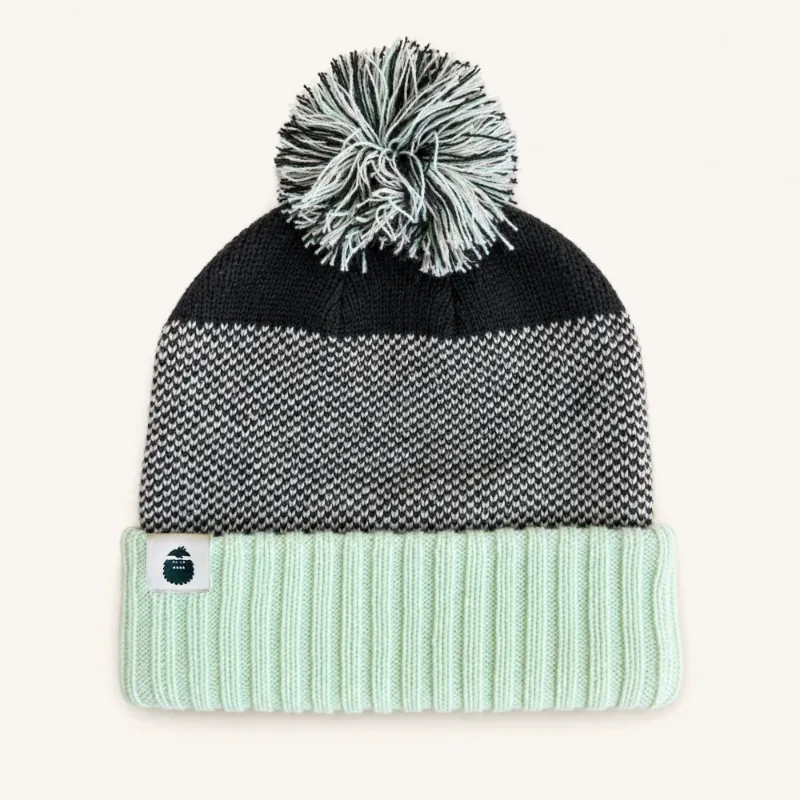
Climate matters as well. Wool keeps insulating when it gets damp, which suits wet, cold days on the move. It also takes longer to dry, so if your hat gets soaked often and you need it dry by morning, a quick drying synthetic or a thin merino blend can be more practical. For ski days, check a hat such as the bigfoot ski resort beanie for fiber content and a snug fit under a helmet before you buy.
Choosing a beanie that will last
Before you order, read the fiber content, not just the product name. “Wool blend” can mean mostly wool or mostly acrylic, so the percentages on the label matter. Look for a dense knit, a fold up cuff if you want extra warmth over the ears, and clear care instructions.
On the ski beanie and bigfoot skiing listings, as with any hat, check the size guide and the return policy so you can swap it if the fit is off. You can also see the current Secret Service Beauty discount code before you check out.
Who should buy wool or synthetic
Buy wool if you wear a beanie most days, live somewhere with real winters, and are happy to hand wash now and then. Wool beanies last longer than synthetic ones for people who give them that care. Buy synthetic if you want machine washing, live somewhere mild, or need a cheap hat for occasional use.
If you want to hear from people who spend a lot of time in the cold, this community discussion on merino vs fleece covers the trade offs from a hiking point of view. If you are unsure, a wool blend beanie is a sensible middle ground: usually warmer and longer lasting than acrylic, and less fussy than pure wool.
Questions
Do wool beanies last longer than synthetic if I machine wash them?
Wool usually lasts longer overall, but hot machine washing and tumble drying can shrink or felt it. Hand wash in cool water with a wool detergent and dry it flat. If you must use the machine, choose a cool wool or delicate cycle and skip the dryer.
How long will a wool beanie last?
It depends on the fiber content, the knit and how you care for it. A dense wool beanie that is washed gently and dried flat can stay in good shape for many winters, while one that goes through hot washes may shrink early. Check the care label before the first wash.
Will my wool beanie pill over time?
Some pilling is normal with any knit, especially where the hat rubs against a collar or hood. Wool tends to pill less than acrylic. Remove pills gently with a sweater comb or soft brush rather than pulling them off.
Can I wear a wool beanie in wet conditions?
Yes. Wool keeps insulating when it is damp. It does take longer to dry than most synthetics, so if you need a hat that dries overnight in a wet climate, a synthetic or thin merino blend can be more practical.
Where can I find a current code for Secret Service Beauty?
See our Secret Service Beauty discount code page for the current offer before you order.
Products in this guide
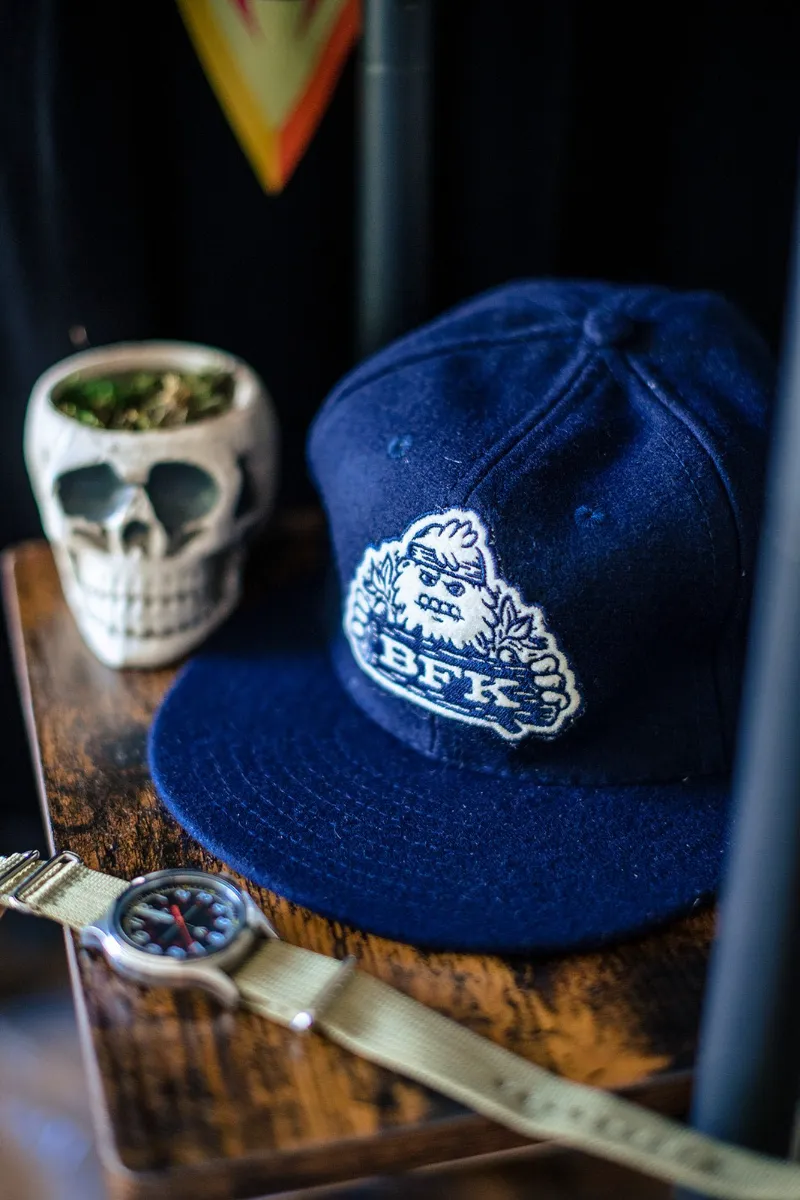
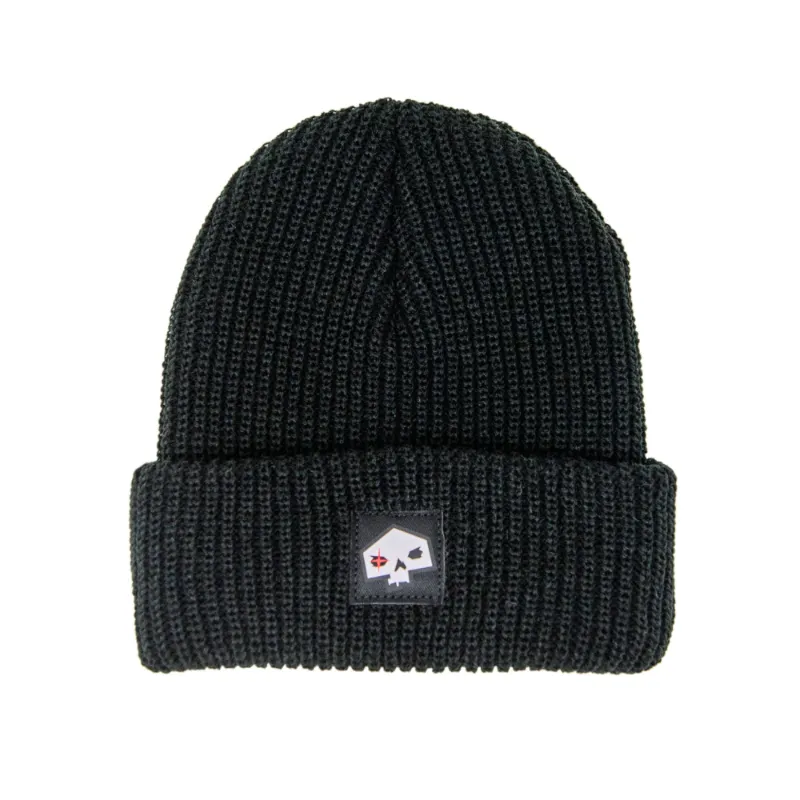
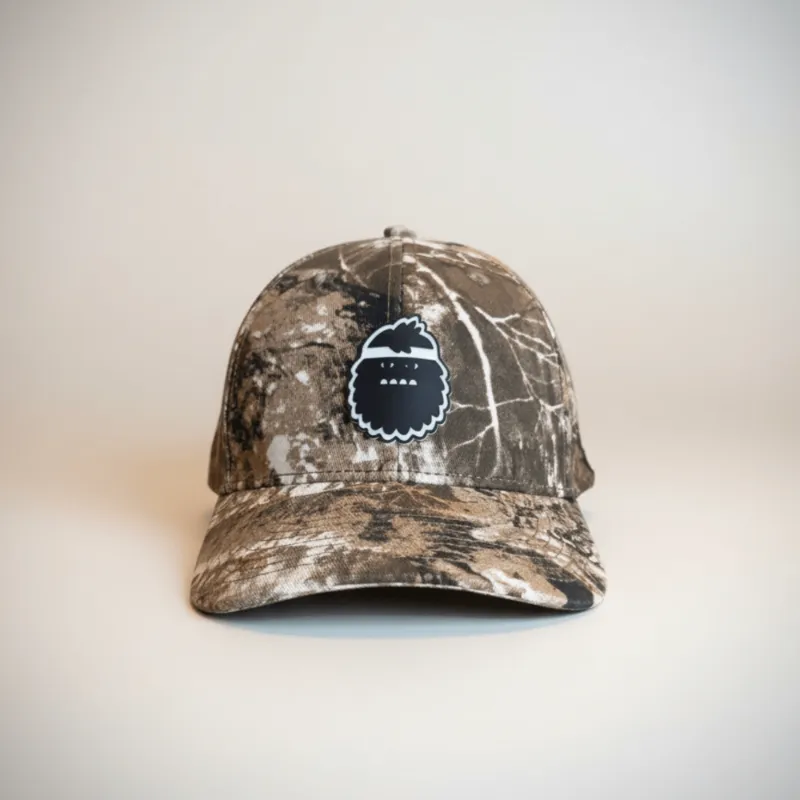 Shopping at Secret Service Beauty? See the discount code
10% OFF All Orders
Shopping at Secret Service Beauty? See the discount code
10% OFF All Orders
More in this series
Best Winter Hat Fabrics for Cold Weather: A Bigfoot Hat Care Guide4 Sep 20264 minWhy Your Ski Beanie Gets Itchy and How to Soften It4 Sep 20265 minBigfoot Hat vs. Bigfoot Ski: Which Secret Service Beauty Beanie Fits Your Activity4 Sep 20264 minHow to Keep Your Bigfoot Beanie Warm and Stretchy Through Winter4 Sep 20263 min