 A Secret Service Beauty guide
Why Your Ski Beanie Gets Itchy and How to Soften It
A watch cap beanie can itch because of coarse fibers, dyes, and lanolin, but the right care and materials make all the difference.
A watch cap beanie can itch because of coarse fibers, dyes, and lanolin, but the right care and materials make all the difference. If you’ve grabbed a ski beanie for the season only to find it scratches your forehead and ears, you’re not alone. We’ll walk you through why itching happens, what you can do about it, and which styles and materials actually feel soft against your skin from day one.
Why Your Watch Cap Beanie Feels Scratchy
The most common culprit behind beanie itch is the type of fiber. Wool, especially lower-grade or unprocessed wool, has microscopic scales on each fiber that catch and irritate sensitive skin. Many manufacturers use coarser wool blends to keep costs down, which compounds the problem when you’re pulling the hat on in cold weather and blood flow to your face is already compromised.
Dyes and chemical finishes also play a role. Leftover dye residue and manufacturing treatments can irritate skin, especially if the beanie hasn’t been washed thoroughly before wear. New beanies straight from the factory may have sizing agents and dust embedded in the fibers.
Lanolin, a natural waxy coating on sheep’s wool, can feel tacky and irritating to some skin types. While lanolin is protective, too much buildup makes the beanie feel rough rather than soft.
Finally, the fit matters. A beanie that sits too low on your forehead or rides up repeatedly will create friction and irritation, turning a mildly uncomfortable experience into a day-long annoyance.
Choose a Watch Cap Beanie Made from Softer Materials
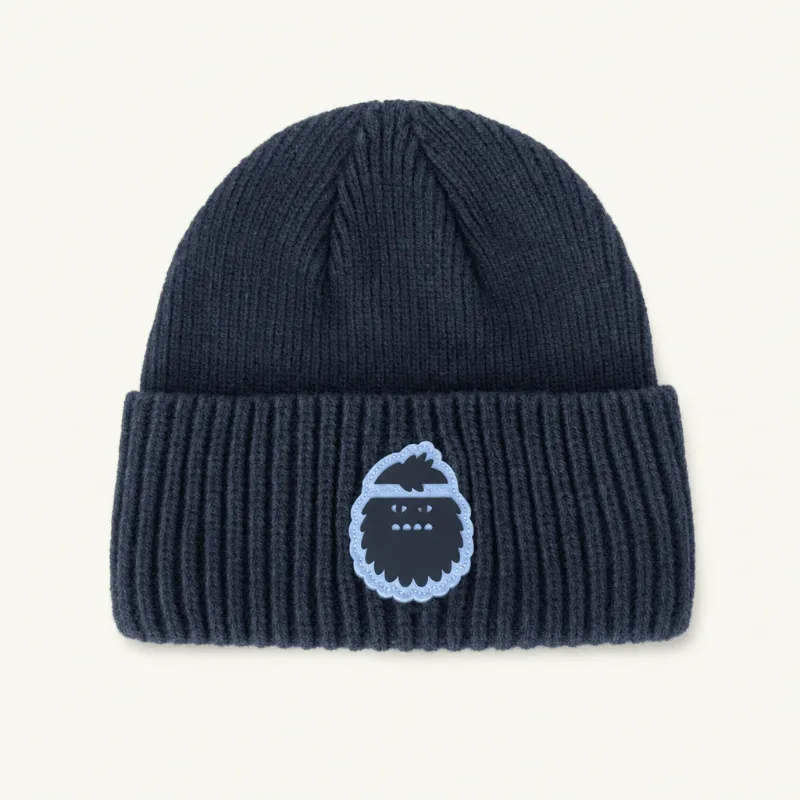
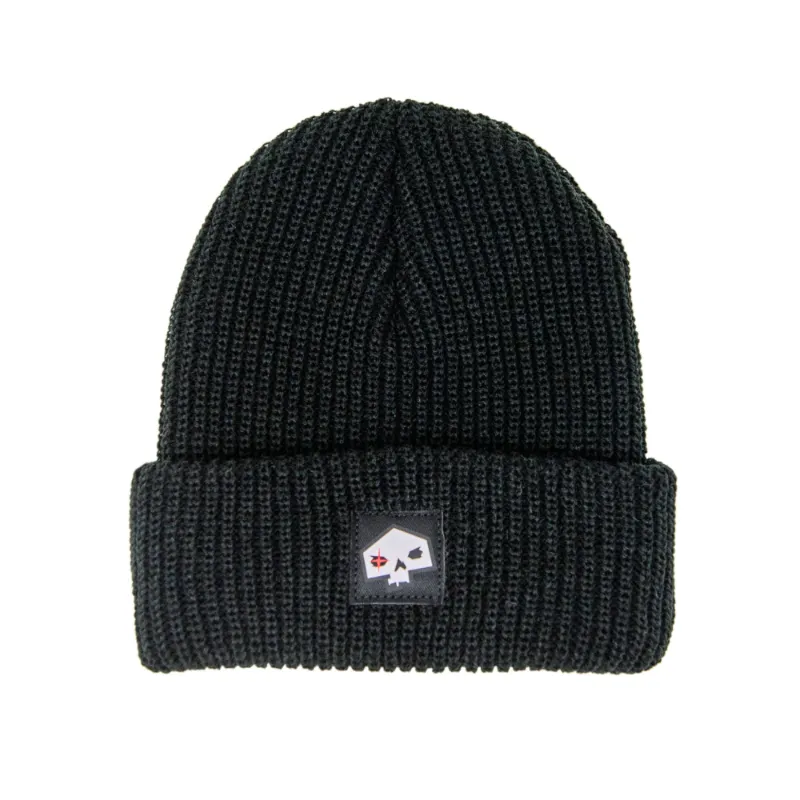
The fastest fix is to start with the right product. Merino wool watch cap options are significantly softer than standard wool because merino fibers are finer and have fewer pronounced scales. The bigfoot beanie and watch cap beanie are both designed with comfort in mind, using higher-grade materials that feel smooth against skin from the first wear.
Alpaca and cashmere blends are softer still, though they typically cost more. Synthetic options like acrylic and polyester blends avoid the wool itch entirely and are often treated to feel more like natural fibers than they used to. If you ski frequently, a merino wool watch cap beanie combines durability, breathability, and softness without breaking the bank.
Cotton-lined beanies offer another solution. The outer layer handles wind and moisture while a cotton interior sits directly against your skin, eliminating the scratch. Look for models that specify interior lining or dual-layer construction.
Pre-Wash Your New Beanie Before Wearing
New beanies often feel itchy simply because they haven’t been properly finished. A gentle wash removes excess dyes, manufacturing dust, and chemical treatments that cause irritation.
Use lukewarm water, not hot, and add a small amount of mild wool shampoo or baby shampoo. Submerge the beanie and let it soak for 10-15 minutes, then gently agitate without rubbing or wringing. Rinse thoroughly in cool water until the water runs clear. Gently squeeze out excess water and lay flat or hang to dry.
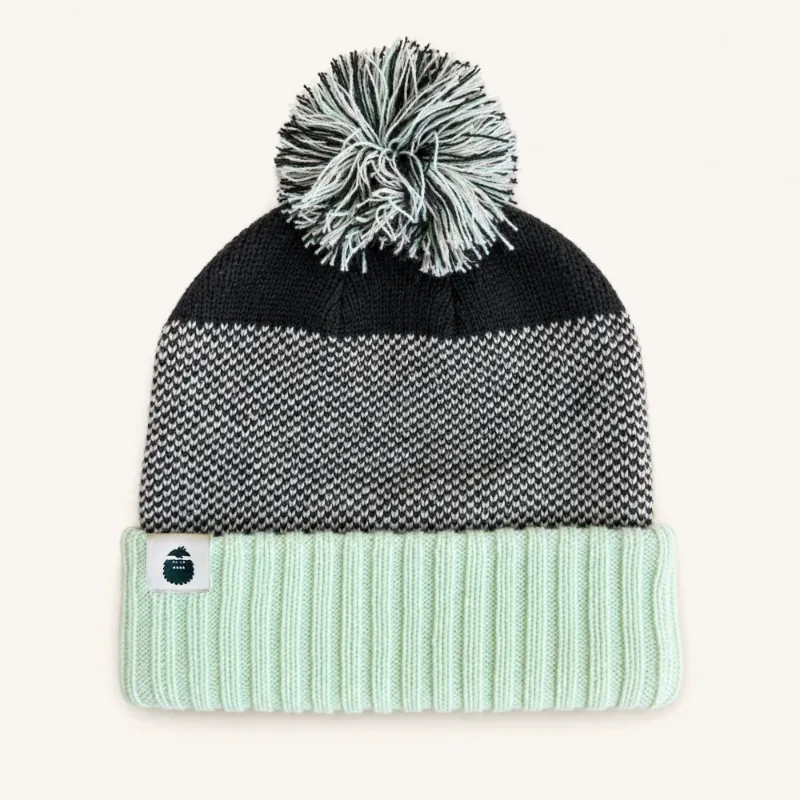
This single step often softens a watch cap beanie or bigfoot ski dramatically, especially if the beanie is wool. The lanolin and manufacturing residue wash away, revealing the true feel of the fibers underneath.
Use Conditioner or Softening Treatments
For beanies that still feel rough after washing, a softening treatment works wonders. Hair conditioner designed for dry or coarse hair can be applied to wool or alpaca beanies during a rinse cycle. Use less than you’d use on hair, just enough to coat the fibers lightly.
Glycerin or lanolin-based wool softeners are also effective. Mix a small amount into cool rinse water and soak the damp beanie for a few minutes, then rinse lightly. Don’t oversaturate; you’re aiming for subtle softness, not a slippery feel.
Some people swear by white vinegar in the rinse water. The acidity helps smooth fiber scales and remove detergent residue. Add a tablespoon to a gallon of cool water and submerge the beanie for a few minutes before a final rinse.
After any treatment, squeeze gently and lay flat to dry. The beanie will feel noticeably softer once fully dry.
Comparison: Common Beanie Types and Softness
| Material | Softness | Durability | Best For |
|---|---|---|---|
| Merino wool | Very soft | High | All-day wear, sensitive skin |
| Standard wool | Moderate to coarse | High | Budget-conscious skiers |
| Alpaca blend | Very soft | Moderate | Ultimate comfort, premium options |
| Acrylic synthetic | Moderate | Very high | Easy care, affordability |
| Cotton-lined wool | Soft (interior) | High | Skin sensitivity, layering |
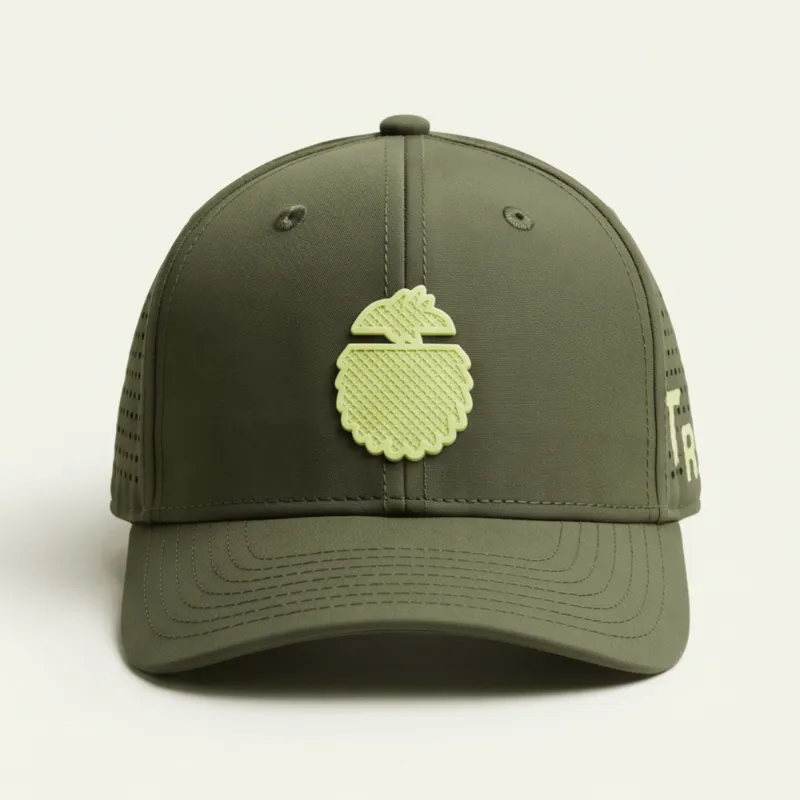
The bigfoot hat and big foot hat lines include options across these categories, so you can match your sensitivity level to the material. A wool watch cap beanie offers the classic fit most skiers prefer while merino options provide softness without sacrificing durability.
Care Habits That Keep Beanies Soft
Even the softest beanie gets itchy if care is neglected. Wash your beanie every 5-7 wears if you ski daily, or every 2-3 weeks if you wear it more casually. Frequent gentle washing prevents sweat and mineral buildup that stiffens fibers.
Air dry whenever possible. Dryers generate heat that can felt wool and make synthetic fibers brittle and scratchy. Lay the beanie flat on a clean towel or hang it in a well-ventilated space.
Store beanies in a breathable bag or drawer, not sealed plastic. Moisture trapped in plastic promotes mold and mustiness, which can make the beanie feel unpleasant against skin.
Avoid fabric softener on wool beanies. Softener coats fibers with silicone that builds up over time, eventually making the beanie feel greasy and stiff. Wool-specific treatments work far better.
Who Should Consider a Different Beanie Style
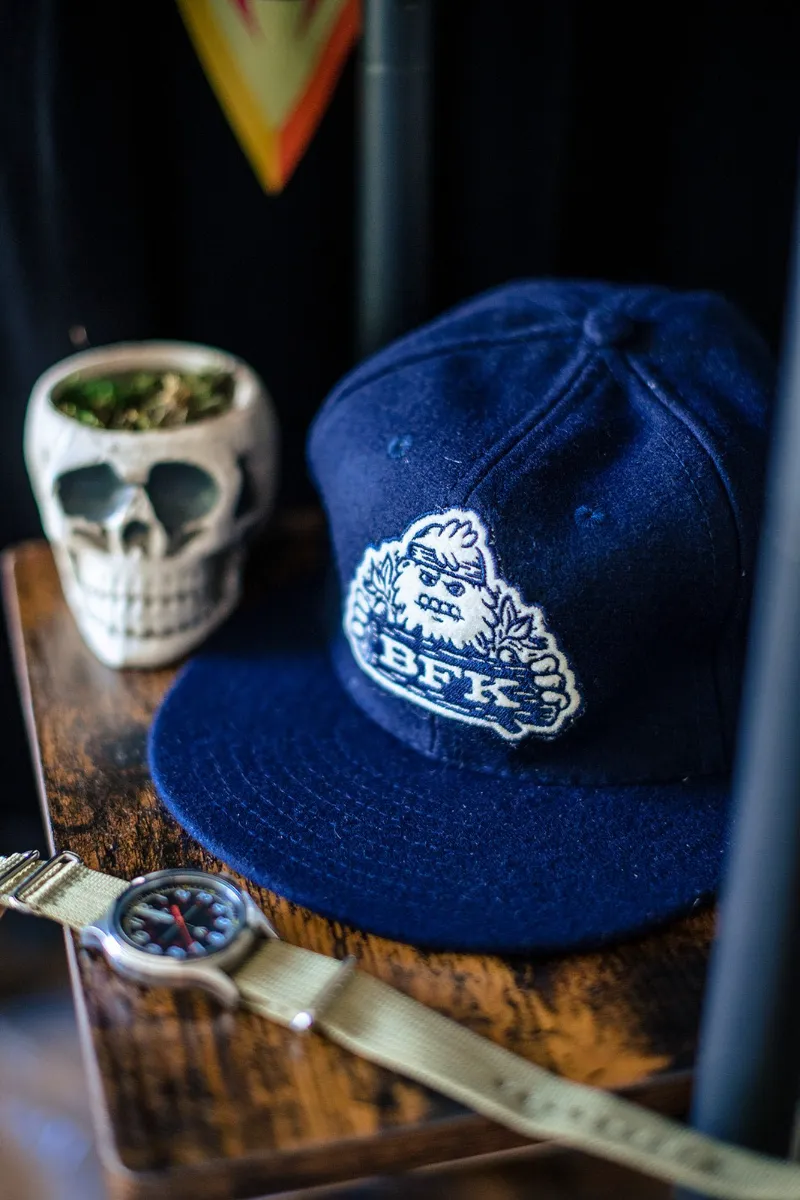
If you have extremely sensitive skin, a standard wool beanie will likely remain uncomfortable no matter how much you treat it. In that case, an acrylic or cotton-lined beanie avoids the problem entirely. The bigfoot one and squatch hat both offer synthetic and hybrid options designed for skin-friendly wear.
People who ski in very cold conditions often prefer thicker beanies, but thickness can increase itching if the material is coarse. A thin, high-quality merino wool watch cap beanie often outperforms a thick synthetic beanie because merino breathes better and feels smoother.
If you’re between sizes, sizing up slightly reduces friction points where the beanie rubs your skin, which can help with itching caused by fit rather than material.
Where to Find Quality Beanies with a Discount
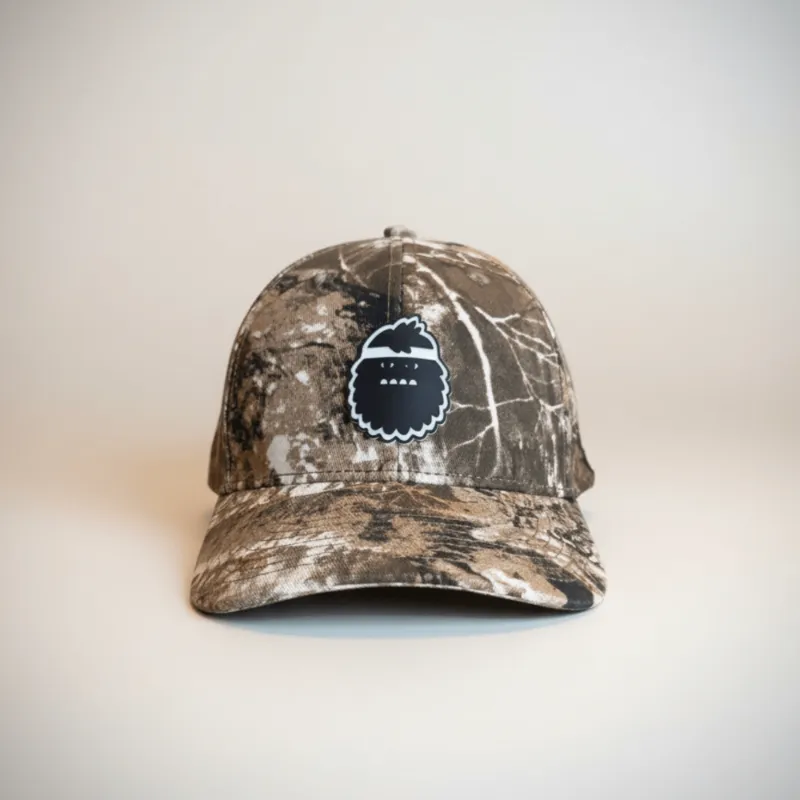
Secret Service Beauty carries a curated selection including the bigfoot skiing and big foot skis lines, both built for serious skiers who don’t want to compromise on comfort.
Grab the code for 10% off all orders, which brings high-quality beanies closer to affordable prices. The discount applies to softer merino and blended options, so the investment in a beanie that won’t itch becomes even more reasonable.
A watch cap beanie doesn’t have to itch. Start with the right material, pre-wash, and maintain it well, and you’ll have a beanie that feels as good as it looks on the slope.
Questions
How do I stop my watch cap beanie from itching?
Pre-wash it in cool water with mild shampoo to remove manufacturing residue and excess dyes, then condition it lightly. Choose a merino wool or cotton-lined beanie in the first place, and always air dry. Itching usually comes from coarse fibers or leftover chemicals, not the beanie itself.
Is wool or acrylic better for sensitive skin?
Merino wool is softer than standard wool and works well for many people, but acrylic synthetics eliminate wool itch entirely. If you've had trouble with wool beanies before, an acrylic or cotton-lined option is the safer choice.
Can I use fabric softener on my beanie?
No. Fabric softener leaves silicone buildup on fibers that eventually makes beanies feel stiff and greasy. Use wool-specific softeners or conditioners instead, and always wash gently in cool water.
What's the difference between a watch cap beanie and a fisherman beanie?
A watch cap beanie is fitted and typically worn rolled at the cuff, while a fisherman beanie is looser and often has a cable-knit texture. Watch cap beanies are more popular for skiing because they're less bulky and fit snugly under helmets.
How often should I wash my beanie?
Wash every 5-7 wears if you ski daily, or every 2-3 weeks for casual use. Frequent gentle washing prevents sweat and mineral buildup that stiffens fibers and increases itching.
Why does my new bigfoot beanie feel scratchy out of the box?
New beanies often have dye residue, manufacturing dust, and chemical finishes that irritate skin. A single gentle wash in cool water with mild shampoo usually softens it dramatically.
Products in this guide
 Shopping at Secret Service Beauty? See the discount code
10% OFF All Orders
Shopping at Secret Service Beauty? See the discount code
10% OFF All Orders
More in this series
 Do Wool Beanies Last Longer Than Synthetic? What Decides It4 Sep 20265 minBest Winter Hat Fabrics for Cold Weather: A Bigfoot Hat Care Guide4 Sep 20264 minBigfoot Hat vs. Bigfoot Ski: Which Secret Service Beauty Beanie Fits Your Activity4 Sep 20264 minHow to Keep Your Bigfoot Beanie Warm and Stretchy Through Winter4 Sep 20263 min