 A Secret Service Beauty guide
How to Keep Your Bigfoot Beanie Warm and Stretchy Through Winter
A bigfoot beanie needs proper care to stay soft, stretchy, and warm through winter, and the right washing, storage, and fabric choice make all the difference.
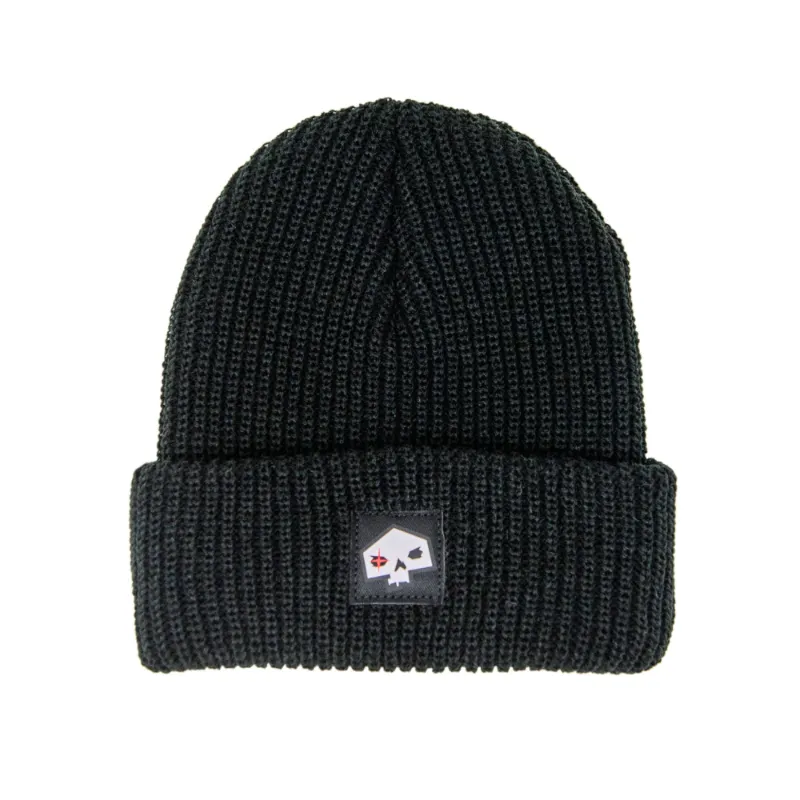
A bigfoot beanie needs proper care to stay soft, stretchy, and warm through winter, and the right washing, storage, and fabric choice make all the difference. Whether you own a watch cap beanie or a bigfoot beanie designed for serious snow season, these guidelines will keep your favorite winter hat in peak condition.
Why Your Bigfoot Beanie Loses Stretch and Warmth
Most bigfoot beanie styles rely on blended knit fabrics that trap warmth but can lose elasticity and flatten with time. Heat, friction, and improper drying are the main culprits. A bigfoot hat worn daily needs deliberate care to avoid pilling, matting, and permanent stretching. Understanding the fabric underneath your big foot hat or bigfoot one helps you pick the right care method.
Choosing the Right Material for Winter
The best bigfoot beanie materials balance breathability with insulation. Merino wool, acrylic blends, and fleece-lined knits each behave differently:
| Material | Warmth | Stretch Recovery | Care Effort |
|---|---|---|---|
| Merino wool blend | Excellent | High | Gentle wash only |
| Acrylic blend | Very good | Good | Machine washable |
| Fleece-lined | Excellent | Moderate | Damp spot-clean preferred |
| Wool-acrylic mix | Excellent | High | Gentle wash, lay flat dry |
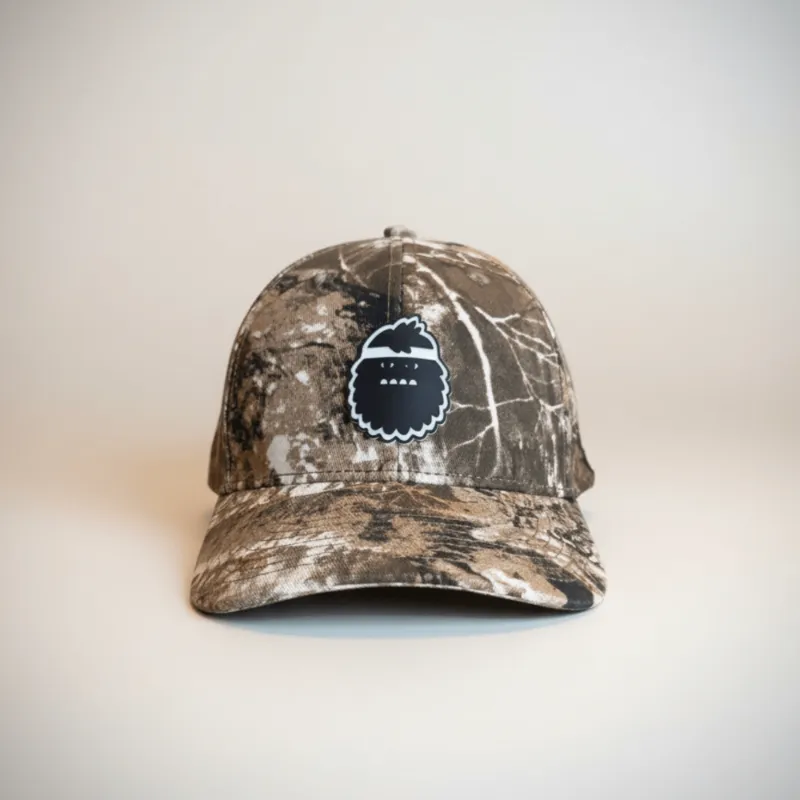
If you’re buying new this winter, check the tag on your squatch hat or big foot skis beanie liner. Wool-dominant blends reward careful hand-washing, while acrylic-heavy options tolerate machine cycles. For ski-specific warmth, the bigfoot skiing and bigfoot ski styles often come with synthetic liners that handle more aggressive washing.
How to Wash Your Bigfoot Beanie Without Damaging It
Hand-washing is the gold standard for a bigfoot beanie made from wool or delicate blends:
- Fill a sink with cool water and add gentle wool detergent
- Submerge the beanie and gently agitate for 2 to 3 minutes
- Rinse in cool water until soap is gone, then squeeze gently to remove excess water
- Never wring or twist the fabric
- For acrylic or fleece-lined styles, a cold gentle cycle in a mesh bag is acceptable
Grab the code for 10% off a fresh beanie if yours shows permanent wear after a season of use.
Drying Your Beanie to Maintain Shape and Stretch
Drying method makes the biggest difference in whether your bigfoot beanie stays stretchy or becomes a stiff cap. Air-drying flat is always best:
- Lay the beanie on a clean towel or drying rack in a cool, well-ventilated area
- Reshape it gently while damp to match your preferred fit
- Turn it over halfway through to ensure even drying
- Avoid direct sunlight, radiators, and hair dryers
- Drying time is typically 24 to 48 hours depending on thickness and humidity
Never use a clothes dryer, even on low heat. High temperatures permanently damage acrylic, shrink wool, and degrade elastic fibers that keep your big foot hat or watch cap beanie snug.
Storing Your Beanie Between Seasons
Proper storage keeps your bigfoot beanie ready for next winter without stretching, matting, or color fading:
- Store in a cool, dry place away from direct sunlight
- Roll the beanie loosely or fold it gently rather than cramming it into a tight corner
- Use a breathable storage bag (cotton or mesh, never plastic) to prevent moisture and mildew
- Keep it away from cedar blocks or naphthalene, which can damage fibers
- Store separate from heavy items that could compress and flatten the knit
For collectors with multiple styles like the bigfoot one and squatch hat, a dedicated shelf or drawer prevents tangling and damage.
Fixing Common Wear and Pilling Issues
Winter wear shows fast on a bigfoot beanie. Pilling happens when short fibers break and ball up on the surface, especially under the chin and where the beanie rubs against jacket collars. Remove pills gently with a fabric comb or pill remover tool, never by pulling. For stubborn matting on wool styles, light steaming can relax fibers without damaging stretch.
If your beanie loses elasticity around the band, a quick hand-wash and flat-dry cycle often restores some shape. Reference Lorelai’s Bigfoot Hat pattern by WoollyRhinoCrafts if you’re interested in understanding how knit construction affects elasticity, or check the latest price on a replacement if the fit becomes uncomfortable.
Who Should Prioritize Beanie Care Most
Skiers and snowboarders wearing bigfoot skiing or big foot skis styles under helmets face extra friction and sweat exposure. These beanies need weekly washing and careful drying to stay fresh and stretchy. Daily commuters in cold cities should wash weekly and replace every two seasons. Occasional winter wearers can stretch care to every other week and keep a bigfoot beanie usable for three to four years with the techniques above.
Your bigfoot beanie is an investment in comfort through the coldest months. Treat it with the same care you’d give any winter gear, and it will keep your head warm and your fit snug all season long.
Questions
Can I machine wash my bigfoot beanie?
It depends on the material. Acrylic and acrylic-blend beanies can handle a cold gentle cycle in a mesh bag. Wool or wool-blend styles should be hand-washed in cool water with gentle detergent to avoid shrinking and maintain stretch.
How often should I wash a bigfoot beanie?
Weekly washing is ideal for beanies worn under helmets or during active sports. For daily casual wear, every two weeks works. If you wear it only occasionally, washing every three to four weeks is fine.
Why does my bigfoot beanie lose its stretch?
Heat from dryers, improper storage, and wringing out water damage the elastic fibers. Always air-dry flat and avoid twisting or compressing your beanie during storage.
What temperature water should I use to wash a bigfoot beanie?
Always use cool or lukewarm water, never hot. Hot water shrinks wool and can damage synthetic fibers, causing your beanie to lose both shape and stretch.
Can I remove pilling from my bigfoot beanie?
Yes. Use a fabric comb or pill remover tool to gently brush away surface pills, especially from areas that rub against collars or helmets. Never pull the pills by hand, as this can damage the knit.
Should I store my beanie rolled up or folded?
Either works, but roll it loosely or fold it gently in a breathable cotton or mesh bag. Avoid plastic bags and tight storage that compresses the fabric and causes permanent flattening.
Products in this guide
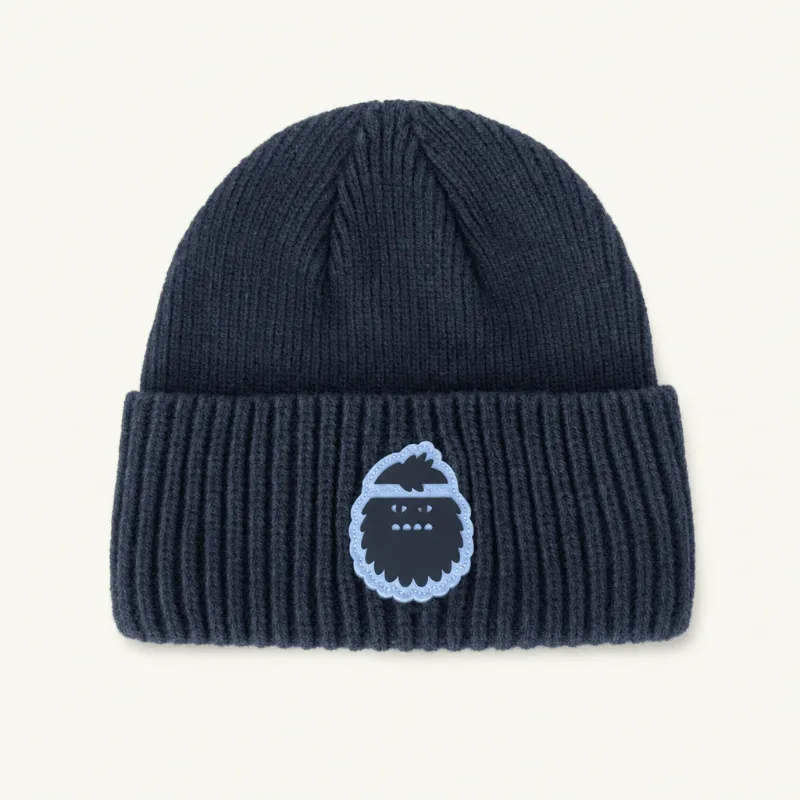
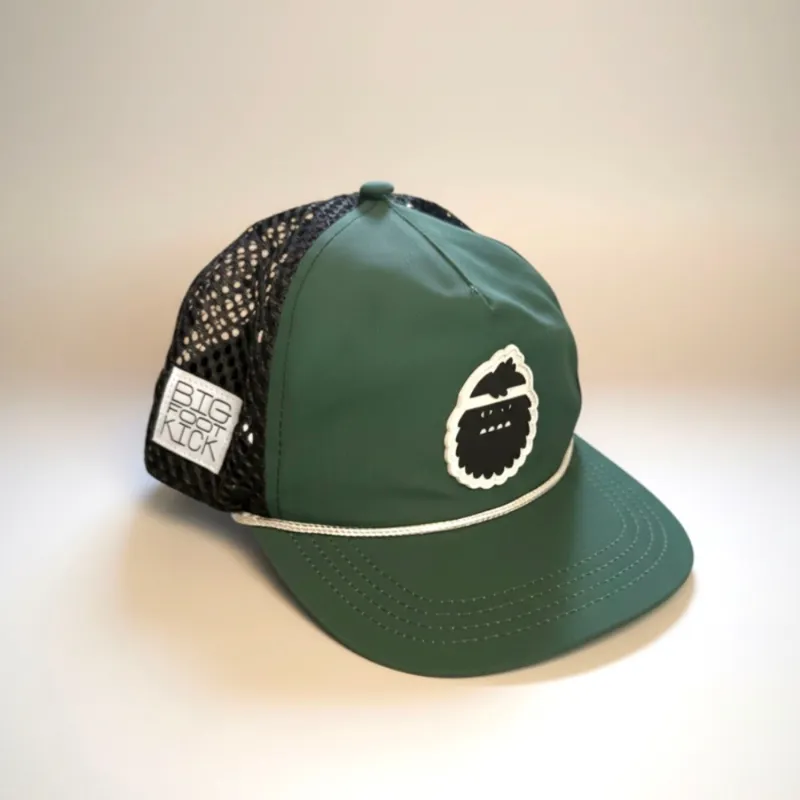
 Shopping at Secret Service Beauty? See the discount code
10% OFF All Orders
Shopping at Secret Service Beauty? See the discount code
10% OFF All Orders
More in this series
Do Wool Beanies Last Longer Than Synthetic? What Decides It4 Sep 20265 minBest Winter Hat Fabrics for Cold Weather: A Bigfoot Hat Care Guide4 Sep 20264 minWhy Your Ski Beanie Gets Itchy and How to Soften It4 Sep 20265 minBigfoot Hat vs. Bigfoot Ski: Which Secret Service Beauty Beanie Fits Your Activity4 Sep 20264 min