 A Stick Your Cane guide
Do Wooden Walking Canes Last Longer Than Metal Canes?
Wooden walking canes typically last 10 to 30 years with proper care, often outliving metal canes that corrode or bend under stress.
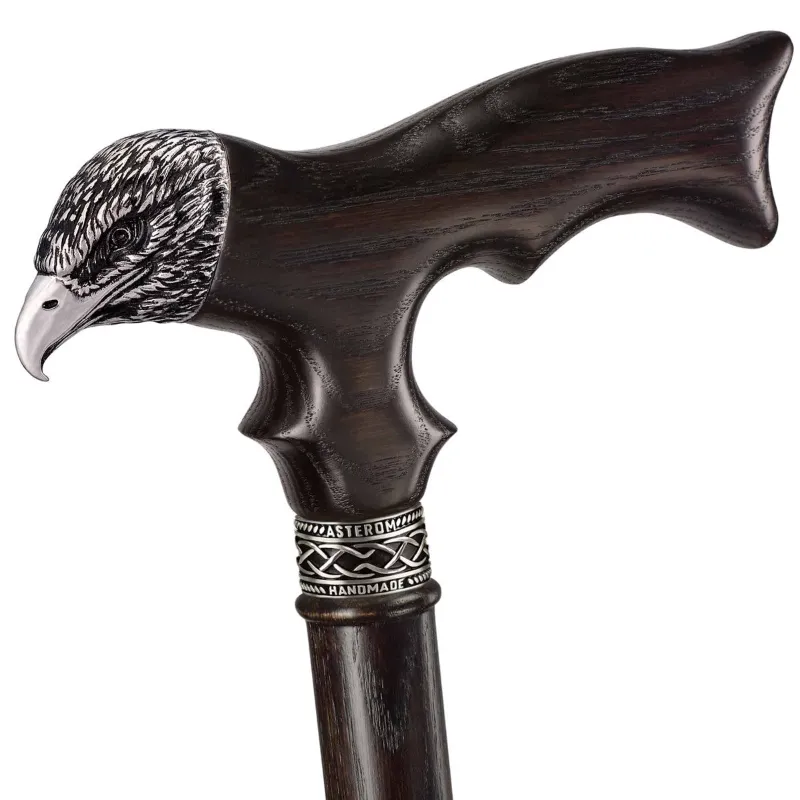
Wooden walking canes typically last 10 to 30 years with proper care, often outliving metal canes that corrode, dent, or bend under stress. The lifespan depends on wood type, finish quality, and how you maintain them. Hardwoods like oak, maple, and hickory in options such as a carved walking canes or skull walking cane deliver exceptional durability when treated and stored correctly, while many aluminum and steel canes show fatigue or rust within 5 to 10 years.
Metal canes win on initial convenience, but quality wood canes prove more resilient over decades when you follow simple maintenance routines.
Lifespan Comparison by Material
Wood and metal age differently, and their longevity hinges on distinct failure modes.
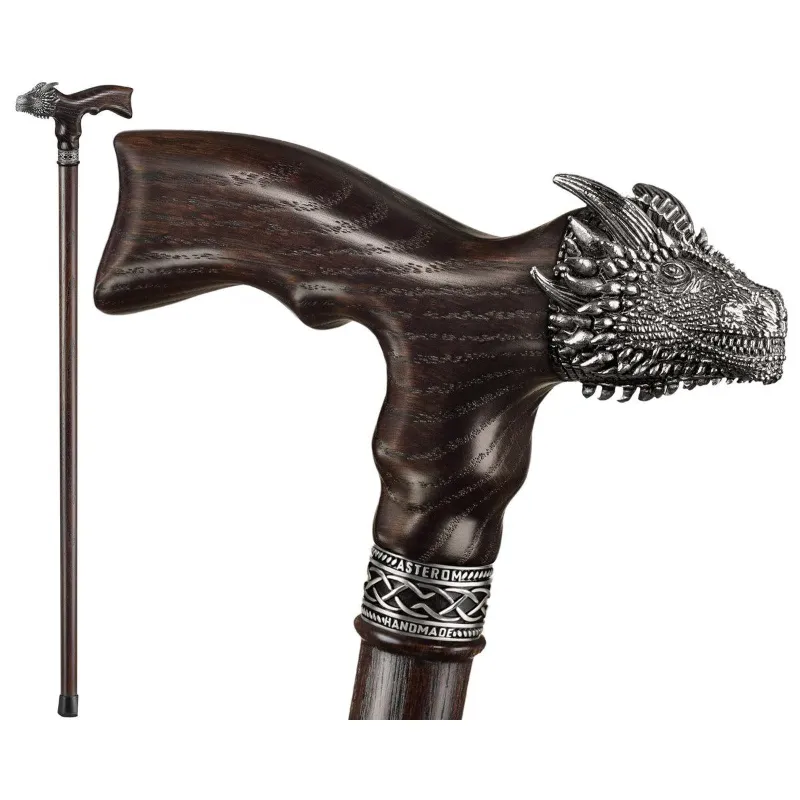
Wooden canes wear gradually. Heavy duty wooden canes made from dense hardwoods resist splintering and cracking for decades. The finish protects against moisture, and you can sand and refinish them multiple times to extend their life. Handmade wooden walking canes often feature thicker shafts and reinforced ferrules that distribute weight more evenly than mass-produced options. A dragon cane or wolf wooden cane crafted from quality hardwood can serve multiple generations if you reseal the finish every few years.
Metal canes fail suddenly. Aluminum bends under lateral stress or repeated impact. Steel rusts when the powder coat chips, especially near the ferrule where moisture collects. Welded joints weaken over time, and once a metal shaft dents, it cannot be fully restored. Budget metal canes often use thin-wall tubing that collapses under loads above 200 pounds, while even premium models rarely last beyond 15 years of regular outdoor use.
| Material | Typical Lifespan | Common Failure Mode | Repair Options |
|---|---|---|---|
| Hardwood (oak, hickory, maple) | 15-30+ years | Surface wear, minor cracks | Sand, refinish, ferrule replacement |
| Softwood (pine, cedar) | 5-10 years | Splintering, deep cracks | Limited; often requires replacement |
| Aluminum | 5-10 years | Bending, joint fatigue | None; must replace |
| Steel | 7-12 years | Rust, weld failure | Minimal; rust removal only delays |
Weight Capacity and Structural Integrity
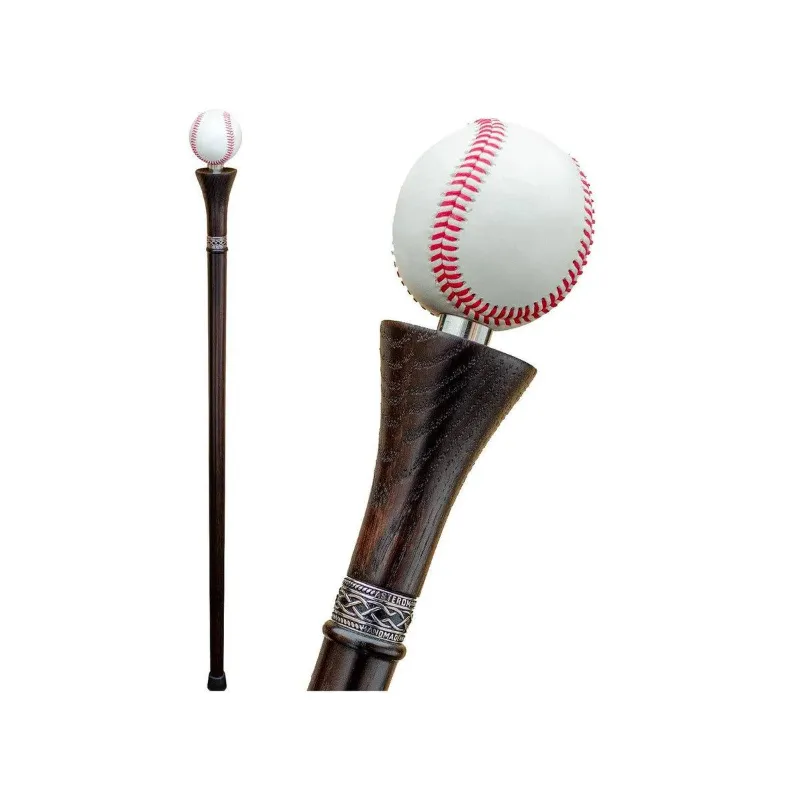
Wood canes handle sustained load better than most people expect. A properly dried hardwood shaft with a diameter of 7/8 to 1 inch supports 250 to 300 pounds without flexing. Natural wood canes compress under pressure rather than bending, which prevents catastrophic failure. Baseball bat cane models have thicker shafts, so check the listed weight rating before you buy.
For heavy-duty use, choose a wooden cane with a straight grain and no knots in the load-bearing section. Decorative options like a skull cane or pimp cane still offer solid support when made from dense hardwood, though their ornate handles may shift the balance point slightly.
Weather Resistance and Environmental Durability
Metal canes corrode. Salt, humidity, and rain attack aluminum oxide coatings and steel finishes. Once moisture penetrates the finish, corrosion spreads under the coating and weakens the shaft from the inside.
Wood resists moisture when properly sealed. A quality varnish or polyurethane finish sheds water and prevents UV damage. Hand carved walking canes for sale often come pre-sealed, but you should reapply finish annually if you use the cane outdoors frequently. Unsealed wood absorbs moisture, swells, and cracks as it dries. We recommend wiping down your cane after wet-weather use and storing it indoors.
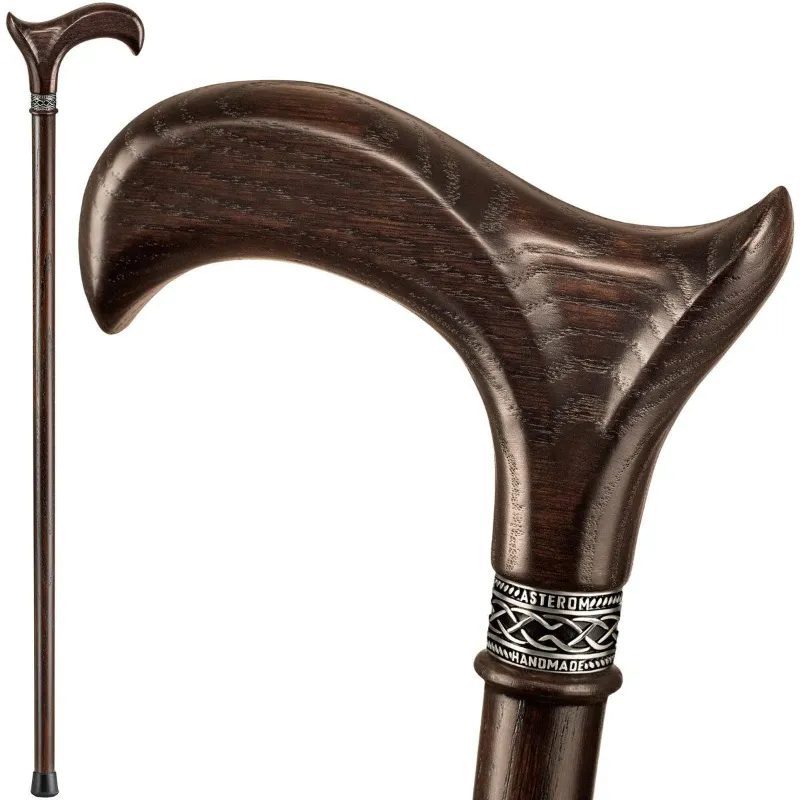
Cold weather favors wood. Metal contracts and becomes brittle below freezing, and aluminum handles feel painfully cold to grip. Wood maintains a comfortable temperature and doesn’t conduct cold the way metal does. A derby handle cane with a hardwood shaft remains pleasant to hold even in winter conditions that make metal canes uncomfortable.
Maintenance Requirements for Longevity
Wooden walking canes for men and all users need minimal but consistent care:
- Wipe the shaft with a damp cloth after each use to remove dirt and oils
- Inspect the finish every few months for chips or wear
- Apply furniture oil or paste wax twice a year to keep wood moisturized
- Refinish every 2 to 3 years by lightly sanding and applying fresh polyurethane
- Replace rubber ferrules when tread wears smooth, typically every 6 to 12 months
- Store indoors in a dry location, never in a damp garage or car trunk
Metal canes require less routine maintenance but offer fewer repair options. You can clean them with soap and water and touch up paint chips with nail polish, but once structural damage or corrosion occurs, replacement is the only solution.
Check the latest price on handmade wooden walking canes that come with care instructions and quality finishes.
Choosing the Right Material for Your Needs
Wood makes sense for long-term investment and style. If you want a cane that looks better with age, supports your weight reliably, and can be passed down or resold, choose hardwood. Options like fancy walking canes or custom walking canes for men combine durability with craftsmanship that metal cannot match. Wood also wins if you have metal allergies or prefer natural materials.
Metal suits temporary use or travel. Adjustable-height aluminum canes work well for short-term recovery or lending to guests. They’re lighter for packing and less precious if lost. But for daily use beyond a year, wood delivers better value.
We recommend hardwood canes for anyone who expects to use a cane for more than two years. The upfront cost is often comparable to premium metal canes, and the lifespan is two to three times longer. Grab the code for 5% off solid hardwood options that will outlast any metal alternative.
What to Look For in a Durable Cane
Wood also absorbs vibration better than metal, reducing impact stress on your wrist and elbow.
For the best durability, look for canes with brass or stainless steel ferrule collars that prevent splitting at the tip, and ensure the grain runs straight along the shaft without knots or cross-grain sections.
Questions
How long do wooden walking canes typically last?
Quality hardwood canes last 15 to 30 years or more with proper care, including regular refinishing and indoor storage. Softwood canes typically last 5 to 10 years before splintering or cracking becomes an issue.
Can wooden canes support as much weight as metal canes?
Yes, hardwood canes with 7/8 to 1-inch diameter shafts reliably support 250 to 300 pounds. They handle sustained loads and lateral stress better than aluminum, which bends permanently under similar conditions.
Do wooden canes crack in cold weather?
Properly sealed wooden canes resist cold weather damage and remain comfortable to grip. Metal canes become brittle and painfully cold below freezing, while wood maintains a neutral temperature.
What maintenance do wooden canes need to last longer?
Wipe the cane after each use, apply furniture oil or wax twice yearly, and refinish every 2 to 3 years by sanding and resealing. Replace rubber ferrules when worn, and always store the cane indoors in a dry location.
Are hand carved walking canes as strong as plain wooden canes?
Yes, as long as the carving doesn't remove material from the load-bearing shaft. Decorative handles and surface carvings do not compromise strength when the main shaft remains solid hardwood with straight grain.
Will a wooden cane rust or corrode like metal?
No, wood does not rust or corrode. Sealed wood resists moisture damage, and any wear can be repaired by sanding and refinishing. Metal canes corrode irreversibly once the protective coating fails.
Products in this guide

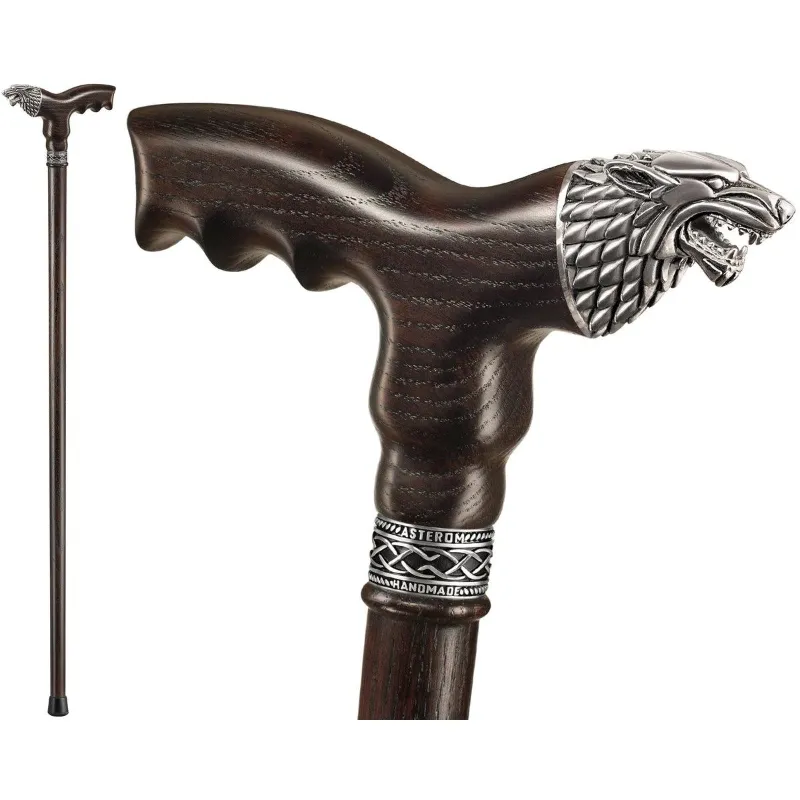
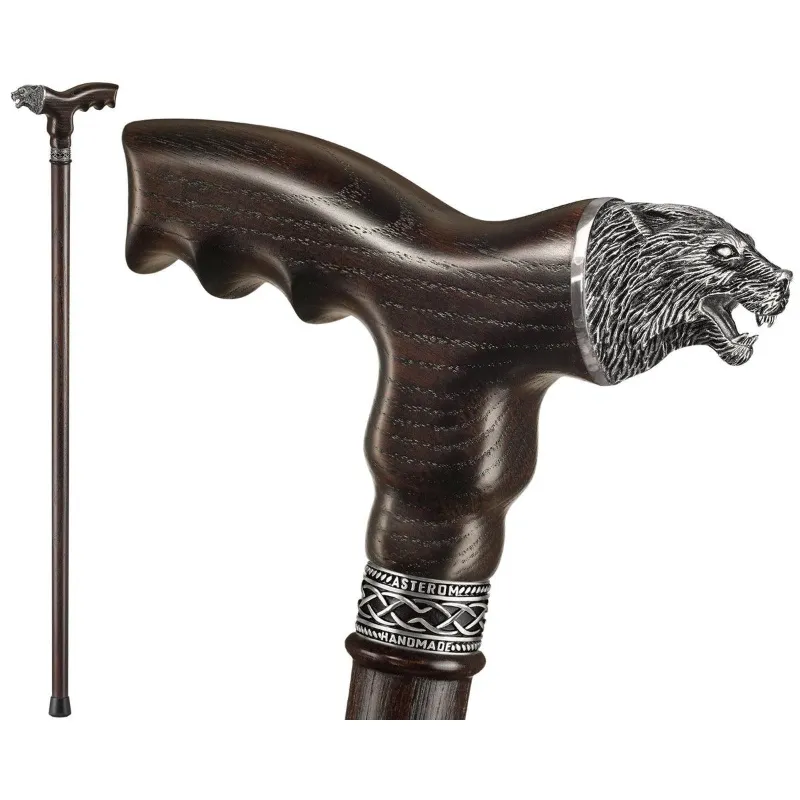
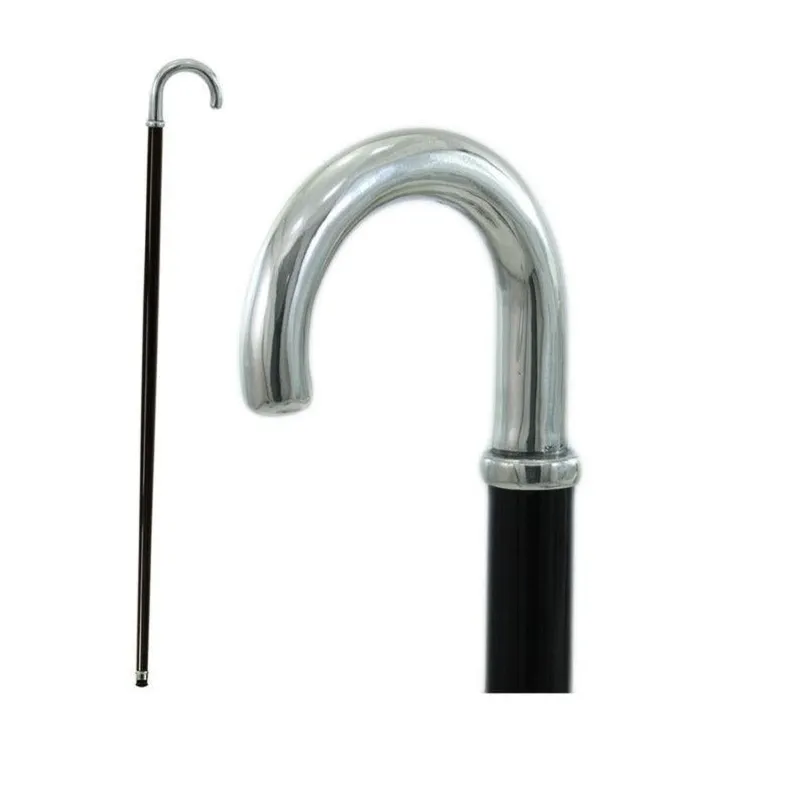 Shopping at Stick Your Cane? See the discount code
5% OFF All Orders
Shopping at Stick Your Cane? See the discount code
5% OFF All Orders
More in this series
Derby Handle Cane Care: Cleaning and Maintaining Your Walking Cane5 Aug 20264 minWhat to Look for When Buying a Carved Walking Cane5 Aug 20265 minSkull Walking Cane vs. Dragon Cane: Which Decorative Style Suits You?5 Aug 20264 minHow to Choose the Right Walking Cane Height for Your Body5 Aug 20264 min