 A Stick Your Cane guide
What to Look for When Buying a Carved Walking Cane
Carved walking canes combine functional support with artisan craftsmanship, but choosing the right one means evaluating wood type, handle ergonomics, and weight capacity.
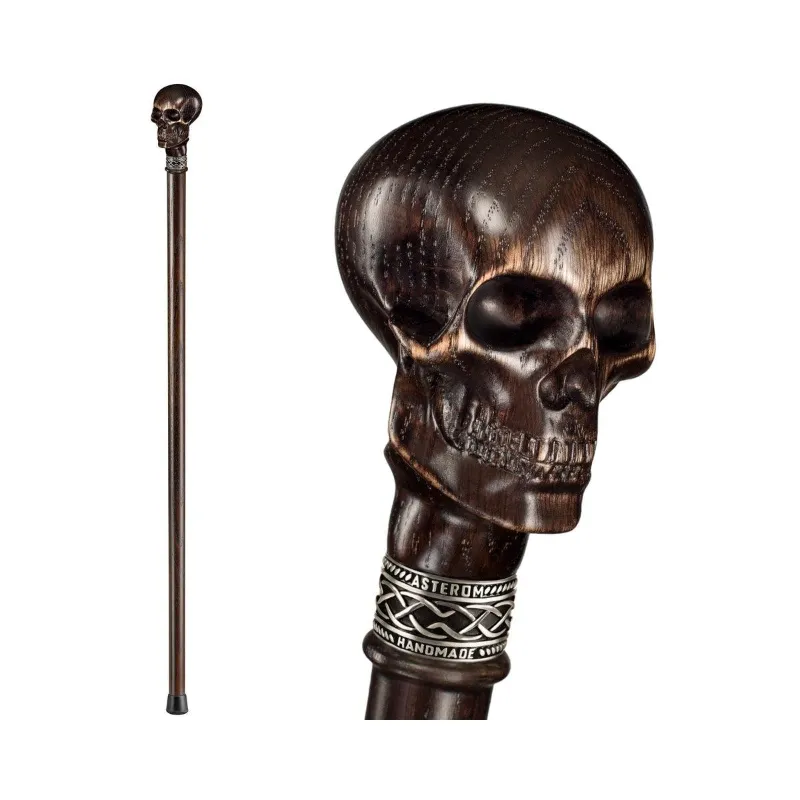
Carved walking canes blend practical mobility support with handcrafted artistry, turning a medical aid into a statement piece. Whether you’re drawn to a skull walking cane for its bold aesthetic or a dragon cane for its mythical detailing, the right choice depends on wood quality, handle comfort, weight rating, and finish durability.
Choose the Right Wood for Carved Walking Canes
The wood species determines strength, weight, and how well carvings hold detail over time. Heavy duty wooden canes typically use hardwoods that resist splitting and denting.
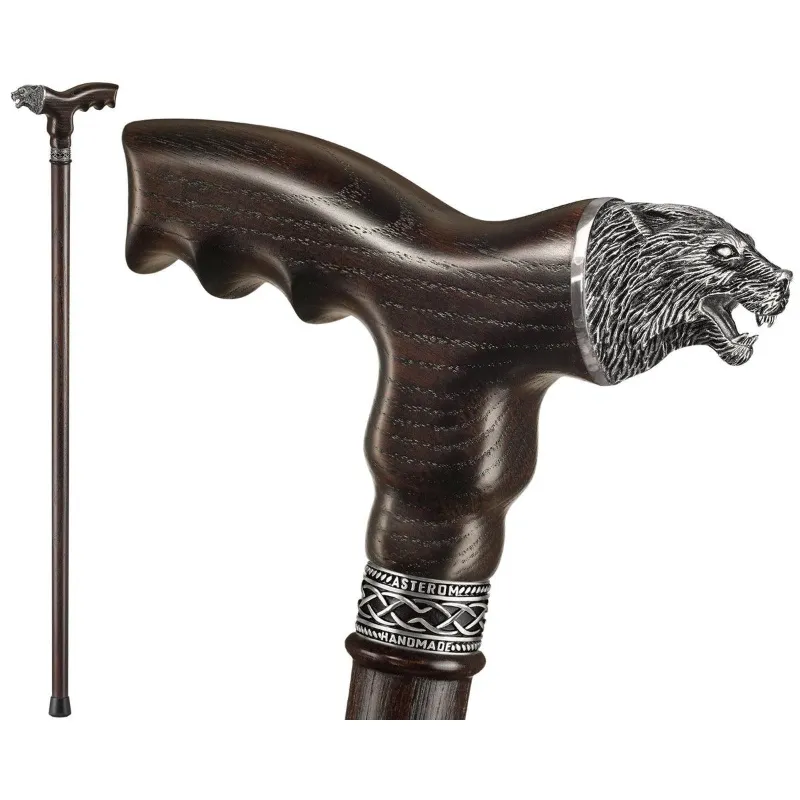
- Oak and maple deliver exceptional durability and accept intricate carvings without splintering, making them ideal for wooden walking canes with elaborate motifs
- Hickory offers the highest strength-to-weight ratio among domestic hardwoods, perfect for users who need maximum load capacity
- Walnut and cherry provide mid-range hardness with rich, deep color that darkens beautifully with age
- Exotic woods like rosewood or ebony add visual drama but often cost significantly more and require careful humidity control
Softwoods like pine or cedar lack the compression strength for daily weight-bearing use. Many artisan makers, including traditional Amish Wooden Canes and Walking Sticks craftspeople, prefer quarter-sawn hardwoods because the grain orientation resists warping.
Check the grain direction before buying. Straight vertical grain running the length of the shaft provides the most strength. Wild, swirling grain looks dramatic but creates weak points where the wood may snap under load.
Handle Style and Ergonomics Matter
Handle shape affects grip comfort, wrist alignment, and how much weight you can safely transfer through the cane. Carving style should never compromise ergonomic function.
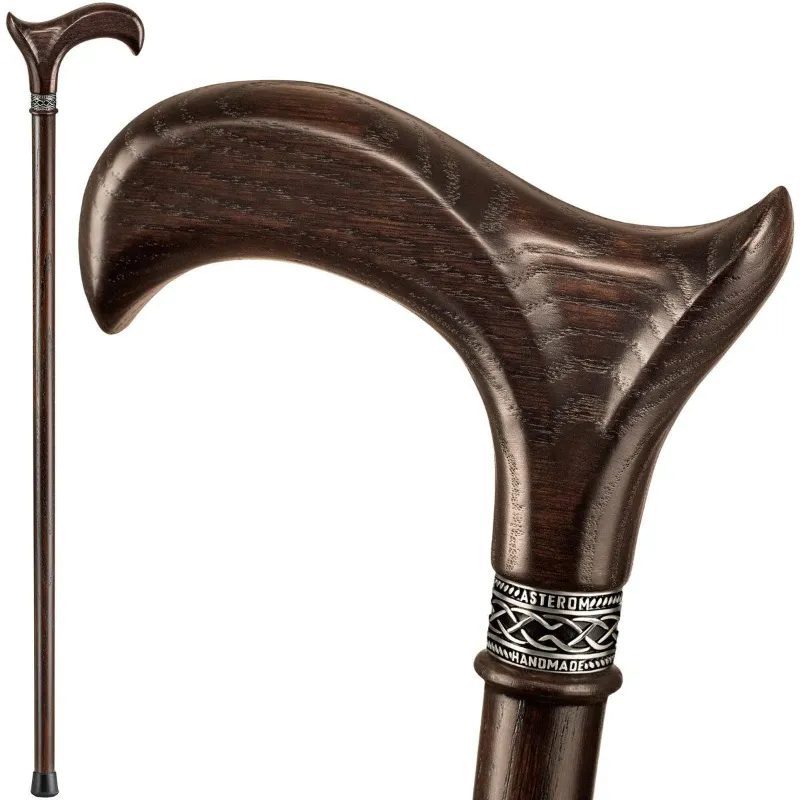
Derby handles feature a rounded, horizontal grip that distributes pressure across your palm. A derby handle cane works well if you need moderate support and prefer a classic profile that fits easily on chair backs.
Fritz handles curve to match your palm’s natural shape, offering better weight distribution than derby styles. Many custom walking canes for men use this contour because it reduces hand fatigue during extended use.
Knob and ball handles provide a compact grip but concentrate pressure on a smaller palm area. They suit users who need light balance assistance rather than heavy weight-bearing.
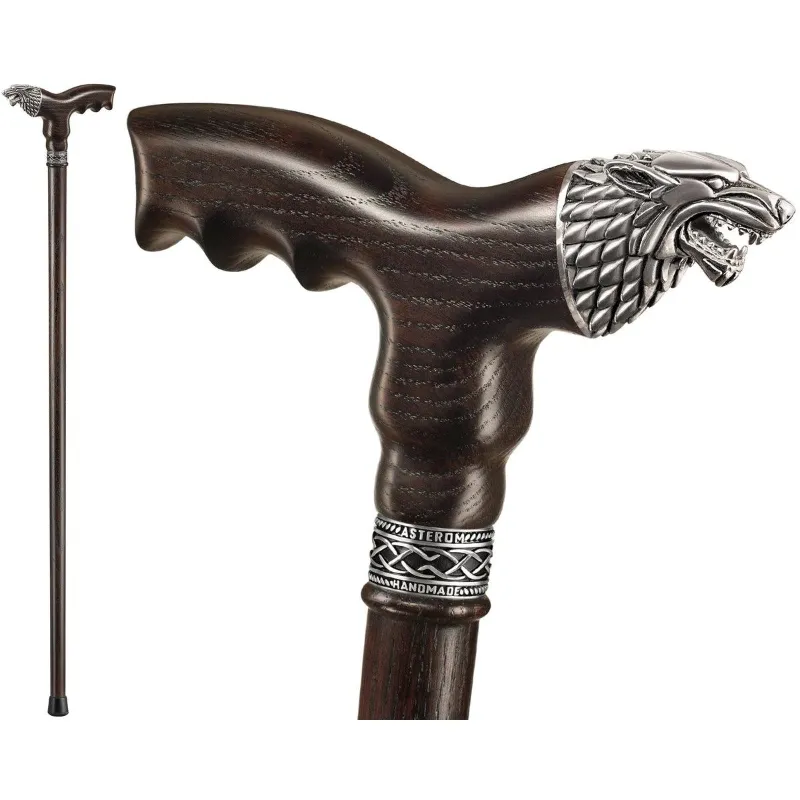
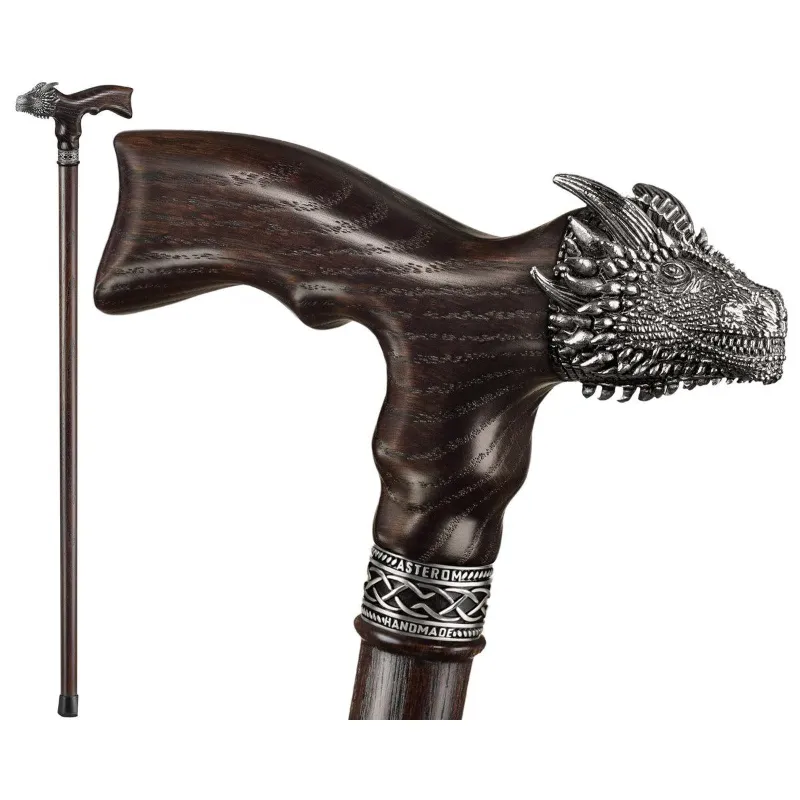
Novelty carved handles like a skull cane or wolf wooden design add personality but require careful evaluation. Run your hand over the carved details to confirm no sharp edges, protruding features, or uncomfortable angles dig into your palm after five minutes of holding. The best handmade wooden walking canes integrate artistic detail with a smooth, load-ready grip surface.
Test the handle diameter if possible. Most adults need a circumference between 3.5 and 4.5 inches. Smaller hands may find oversized carved heads difficult to control.
Weight Capacity and Shaft Diameter
A beautifully carved cane that splinters under your weight serves no purpose. Most quality wooden canes support 200 to 250 pounds when properly sized, but shaft thickness and taper geometry make the difference.
| Shaft Diameter | Typical Capacity | Best For |
|---|---|---|
| 0.75 to 0.875 inches | Up to 180 lbs | Light balance support |
| 1.0 to 1.125 inches | 180 to 250 lbs | Daily mobility aid |
| 1.25+ inches | 250+ lbs | Heavy duty use |
Tapered shafts that narrow toward the tip sacrifice some strength but reduce overall weight, which matters if you carry the cane for extended periods. Straight, uniform-diameter shafts distribute stress more evenly and handle side loads better when you lean heavily during turns or uneven terrain.
Inspect the area directly below the handle. This junction absorbs the most stress and is where poorly made canes crack first. Look for seamless wood grain continuity with no glued joints, plugged knots, or decorative inlays that weaken the structure. Check the latest pricing and weight specs for specific models before committing.
Finish Quality and Maintenance Requirements
The finish protects carved details from moisture, oils, and impact wear while highlighting the wood’s natural character. We recommend three finish types based on use frequency.
Oil finishes like tung or linseed oil penetrate the wood, enhancing grain figure without building a surface film. They require reapplication every few months but allow easy spot repairs. Many custom hand carved walking sticks use oil finishes because they let the wood breathe and age naturally.
Polyurethane and varnish create a durable topcoat that resists moisture and scratches. They’re ideal for fancy walking canes you’ll use daily in varied weather. The downside: once the film cracks or chips, repairs show clearly.
Wax finishes provide minimal protection but deliver a soft, low-luster appearance that feels warm in hand. They work for decorative canes or occasional-use pieces like a pimp cane meant more for style than daily wear.
Examine carved recesses closely. Finish should coat all surfaces evenly, including deep relief areas. Bare wood in crevices traps moisture and invites mold or cracking. A well-finished carved walking cane shows consistent sheen across flat and carved surfaces.
Clean wooden canes with a barely damp cloth and avoid soaking. Store them upright in moderate humidity (40 to 60 percent) away from direct heat sources. If the finish dulls, a light coat of furniture paste wax restores luster without a full refinish.
Proper Sizing and Tip Selection
A cane of the wrong length forces poor posture and defeats its support purpose. Standard sizing puts the handle at your wrist crease when you stand upright with arms relaxed at your sides.
Most carved walking canes arrive at 36 inches and require cutting to fit. Measure carefully before trimming, especially on canes with tapered shafts. Remove length from the bottom only, never the handle end. Some sellers offer custom sizing when you order; grab the code to save on personalized lengths.
Rubber tips wear out. Check that replacement tips matching your cane’s shaft diameter are readily available. Standard 0.75-inch and 1-inch tips fit most designs. Unique carved bases like a baseball bat cane may use proprietary tips, so confirm replacement availability before buying.
Cane makers like Gillis Canes, LLC often provide detailed sizing guides and replacement part catalogs. If you’re exploring hand carved walking sticks near me, ask the artisan about future parts availability and repair services before committing to intricate custom work.
Who Should Choose Carved Over Plain Canes
Carved canes suit anyone who values self-expression alongside mobility support. We recommend them when appearance confidence directly improves your willingness to use a cane consistently.
Active users who walk daily benefit from the motivation a dragon cane or other distinctive design provides. If you’re self-conscious about using a mobility aid, a piece that draws admiration rather than pity changes the social dynamic.
Collectors and gift buyers appreciate unique walking canes as functional art. Hand carved walking canes for sale often become heirloom pieces that gain character with age, unlike mass-produced medical-supply models.
Theater and costume use demands visually striking props. A skull walking cane completes period costumes or character portrayals where authenticity matters.
Avoid heavily carved canes if you need the absolute lightest weight possible or if deep relief details irritate your grip. For purely clinical use where aesthetics don’t matter, plain medical-grade canes cost less and offer the same structural support. But for most buyers, the modest price premium for carved work pays dividends in daily satisfaction and consistent use.
Questions
What is the best wood for carved walking canes?
Oak, maple, and hickory offer the best balance of carving detail and durability. These hardwoods resist splitting under weight and hold intricate designs without losing strength over time.
How much weight can a wooden carved cane support?
Most quality carved wooden canes with a 1.0 to 1.125-inch shaft diameter support 180 to 250 pounds. Heavy duty models with thicker shafts can handle over 250 pounds if properly constructed.
Do carved handles make a cane uncomfortable to hold?
Not if designed well. The best carved handles integrate artistic detail with smooth grip surfaces that distribute weight evenly. Run your hand over the carving for at least five minutes to check for sharp edges or pressure points before buying.
How do I maintain the finish on a hand carved walking cane?
Wipe with a barely damp cloth and avoid soaking the wood. Reapply furniture paste wax or the original oil finish every few months to protect carved details and maintain luster.
Can I cut a carved cane to fit my height?
Yes, trim from the bottom end only to preserve the handle carving. Measure so the handle aligns with your wrist crease when standing upright with arms relaxed at your sides.
Are skull or dragon carved canes strong enough for daily use?
Yes, as long as the shaft uses solid hardwood with straight grain and the carved handle maintains a smooth, ergonomic grip surface. Decorative carving should never compromise the structural integrity of the shaft or weight-bearing junction below the handle.
Products in this guide
Shopping at Stick Your Cane? See the discount code
5% OFF All Orders
More in this series
Derby Handle Cane Care: Cleaning and Maintaining Your Walking Cane5 Aug 20264 min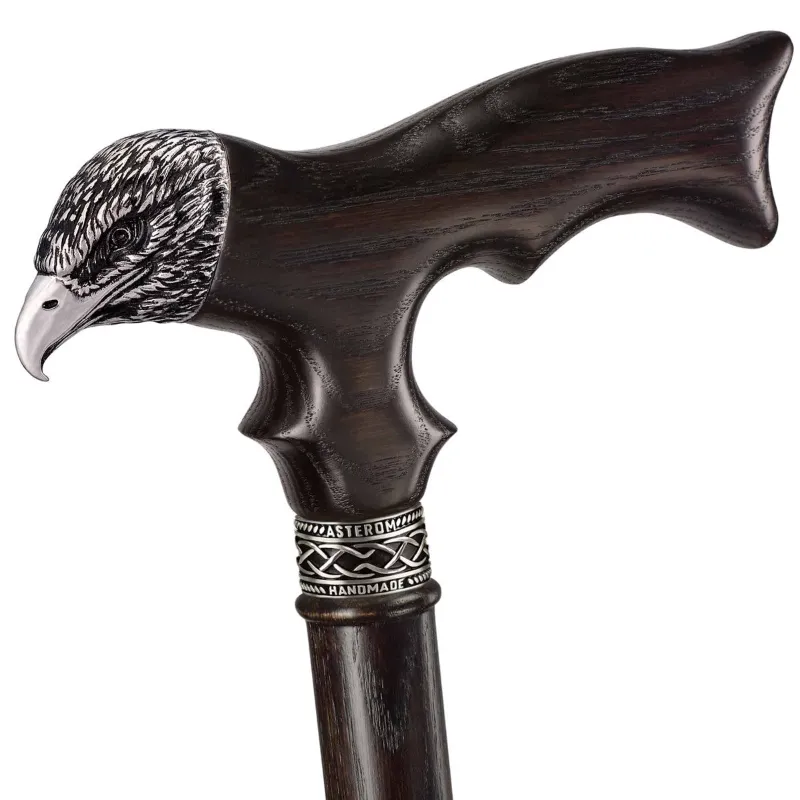 Do Wooden Walking Canes Last Longer Than Metal Canes?5 Aug 20264 minSkull Walking Cane vs. Dragon Cane: Which Decorative Style Suits You?5 Aug 20264 minHow to Choose the Right Walking Cane Height for Your Body5 Aug 20264 min