 A Stick Your Cane guide
Derby Handle Cane Care: Cleaning and Maintaining Your Walking Cane
A derby handle cane lasts decades when you clean it properly and follow a simple maintenance routine for wood, metal, and decorative details.
Why Derby Handle Cane Maintenance Matters
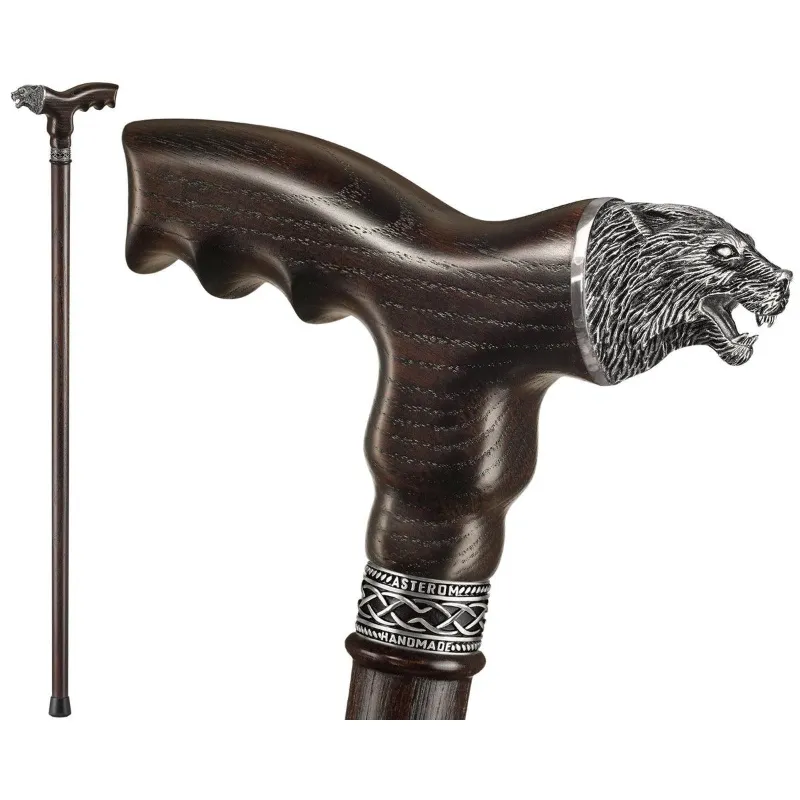
A derby handle cane lasts decades when you clean it properly and follow a simple maintenance routine. Whether you own a wooden cane, skull walking cane, or carved walking canes, regular care prevents cracking, loosening joints, and finish damage that shortens your cane’s lifespan.
The derby handle design, with its curved top grip, collects oils from your hand faster than straight handles. Without cleaning, those oils break down wood finishes and corrode metal ferrules. Most damage we see comes from neglect, not use.
How to Clean Different Derby Walking Cane Materials
Wooden Walking Cane Cleaning
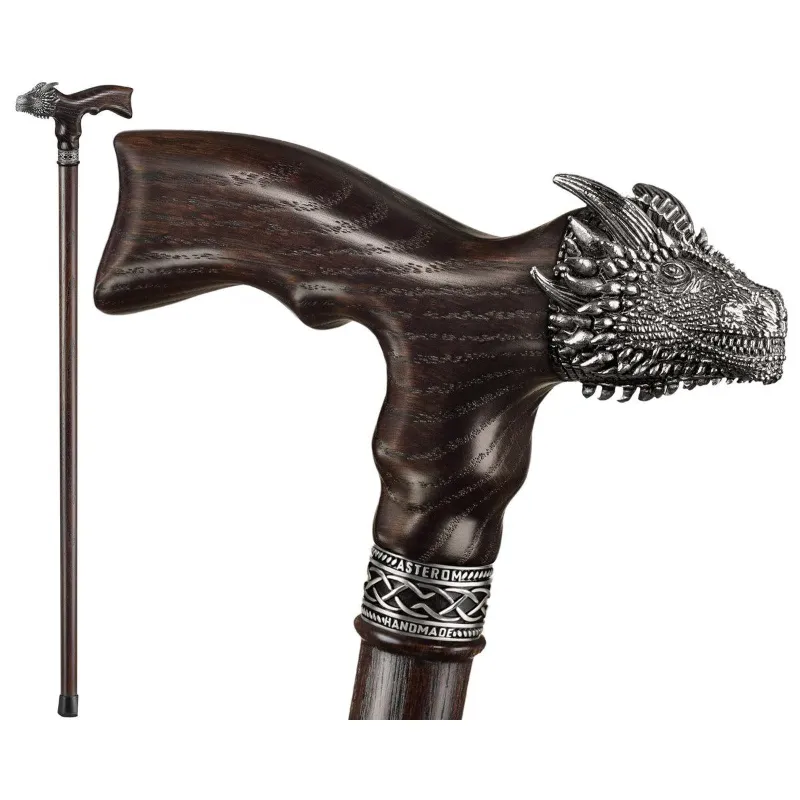
For wooden walking canes and decorative options like the dragon cane, wipe the handle and shaft with a barely damp microfiber cloth after each use. This removes hand oils before they penetrate the finish.
Weekly deep cleaning:
- Mix one drop of mild dish soap in warm water
- Dampen a cloth (never soak it)
- Wipe the entire cane, following the wood grain
- Dry immediately with a separate clean cloth
- Never submerge wood or leave it wet
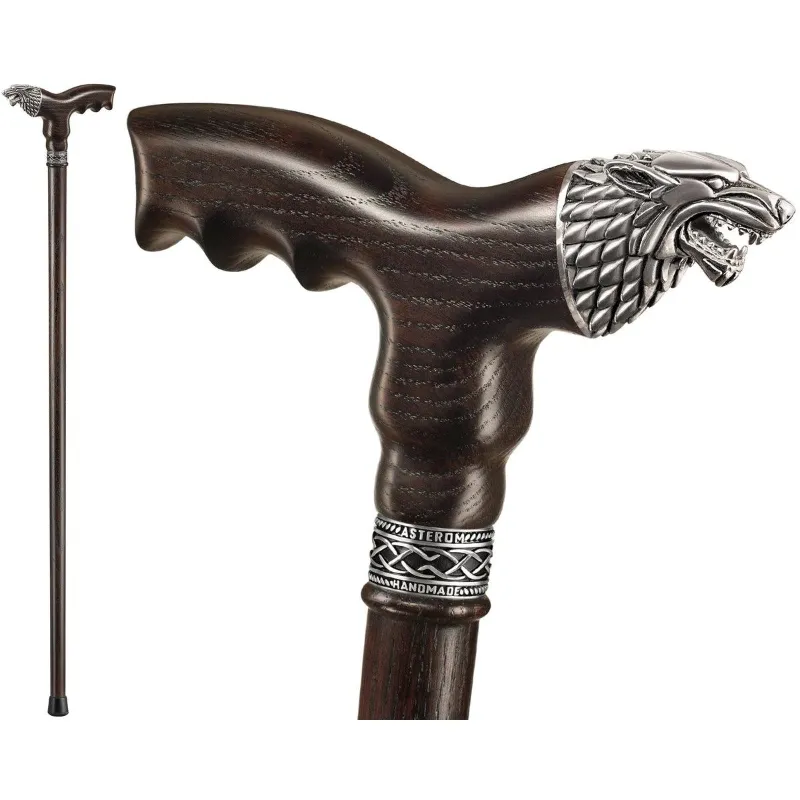
For heavily carved pieces like fancy walking canes or the wolf wooden cane, use a soft toothbrush to reach crevices. We recommend testing any cleaner on the shaft bottom first. Check current pricing and our code to save on these styles.
Metal and Decorative Handle Care
The skull cane and similar metal-topped designs need different treatment. Polish metal handles monthly with a jeweler’s cloth or metal-specific polish matched to the material (brass, aluminum, or stainless steel). Avoid abrasive cleaners that scratch decorative details.
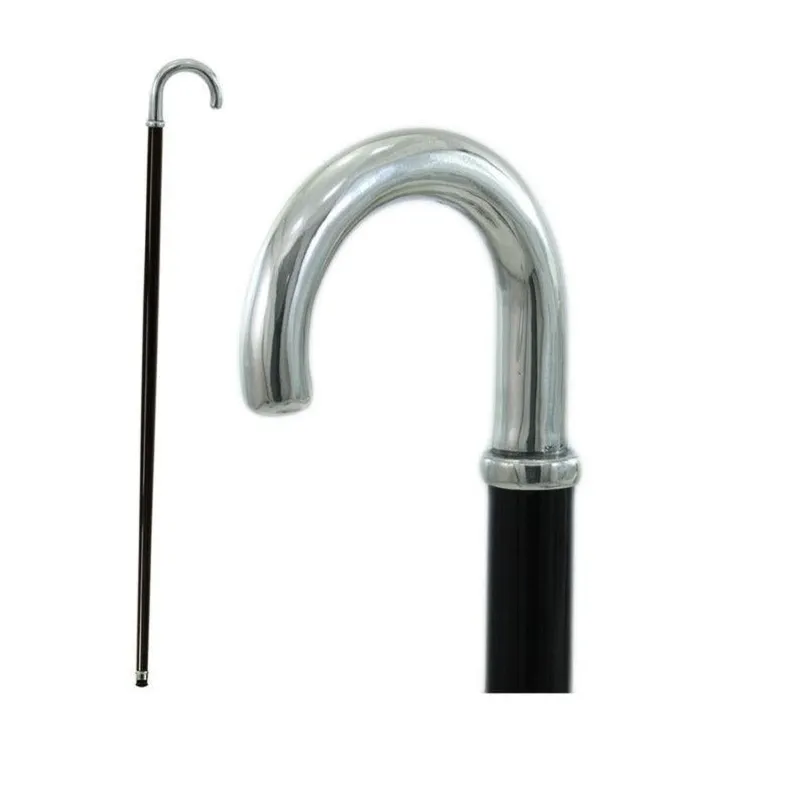
For painted or resin decorative handles like the pimp cane, stick to plain water on a damp cloth. Alcohol and solvents strip paint and dull finishes.
Protecting the Finish on Your Derby Handle Cane
Wood finish protection extends your cane’s life more than any other step. Apply furniture paste wax or specialized walking cane oil every 2-3 months:
- Clean the cane completely and let it dry
- Apply a thin layer of paste wax or oil with a soft cloth
- Let it sit for 10 minutes
- Buff with a clean cloth until no residue remains
Heavy duty wooden canes and offset handle cane styles benefit from more frequent waxing if you use them outdoors. The wax creates a barrier against moisture and UV damage.
Avoid these common mistakes:
- Furniture spray polish (builds up and attracts dirt)
- Silicone-based products (prevent future finish repairs)
- Excessive product (makes the handle slippery)
Authority sources like CanesCanada recommend natural products for vintage and heirloom pieces.
Ferrule and Tip Maintenance
The rubber ferrule at the bottom wears faster than any other part. Inspect it weekly for:
- Uneven wear patterns (indicates gait issues)
- Cracks or missing chunks
- Smooth, slick surfaces that reduce traction
Replace ferrules when tread depth drops below 2mm or every 6-12 months with daily use. Loose ferrules twist off; tighten them or add a drop of rubber cement.
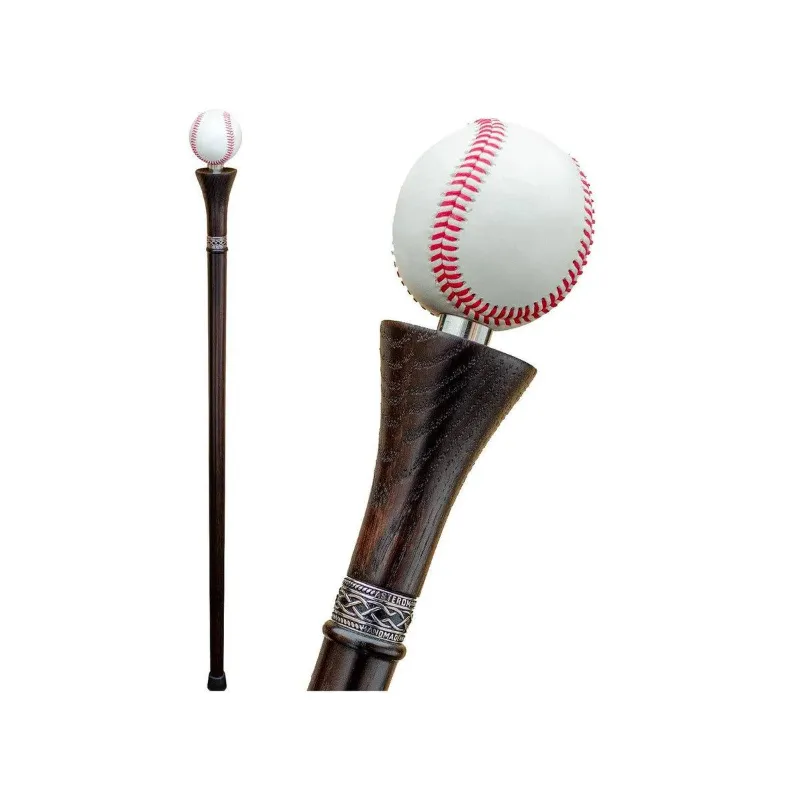
Metal ferrules on the baseball bat cane and similar styles last longer but still need inspection. Check that the ferrule sits flush against the shaft with no gaps where moisture can enter.
Storing Your Derby Handle Cane Properly
Storage location matters as much as cleaning.
| Storage Method | Good For | Avoid If |
|---|---|---|
| Wall-mounted hook | Daily-use canes, displays | High humidity areas |
| Cane stand or umbrella holder | Multiple canes, entryways | Direct sunlight exposure |
| Horizontal on shelf | Long-term storage, travel | Cane has loose joints |
Never lean your derby handle cane in a corner long-term. The constant pressure on one side warps the shaft and loosens the handle joint. For carved walking canes with intricate details, store away from heat vents that dry out wood.
Room temperature (65-75°F) and 40-50% humidity keep wood stable. Basements and attics swing too far in either direction.
Inspecting and Tightening Derby Handle Joints
The joint where the derby handle meets the shaft loosens over time from normal use. Test it monthly by gently twisting the handle. Any movement means the joint needs attention.
For threaded metal joints:
- Unscrew the handle completely
- Clean threads with a dry cloth
- Apply one drop of thread-locking compound
- Reassemble and let cure 24 hours
For glued wood joints:
- If loose but not separated, inject wood glue with a syringe into the gap
- Clamp or wrap tightly with waxed paper and rubber bands
- Let cure 24 hours before use
Catch loose joints early. Once a handle separates completely, the repair gets harder and may require professional help. Grab our discount code for replacement canes if yours becomes unsafe to use.
When to Replace vs. Repair Your Walking Cane
Some damage isn’t worth fixing. Replace your cane if you see:
- Cracks running along the grain (structural failure)
- Splintering where you grip
- A bent or damaged shaft
- Handle separation that won’t hold glue
Minor finish scratches, worn ferrules, and loose joints are all repairable. The wooden cane and similar solid-wood styles handle repairs better than hollow or composite materials.
For crook handle cane or fritz handle cane styles with different ergonomics, the same maintenance principles apply. Derby handles simply require more attention to the curved grip area where oils concentrate.
Regular care turns any quality derby walking cane into a decades-long companion. The few minutes you spend each week prevent the finish damage and joint failures we see in neglected canes. Whether you’re maintaining a utilitarian wooden cane or showcasing fancy walking canes, these techniques work across all styles and price points.
Questions
How often should I clean my derby handle cane?
Wipe your derby handle cane with a barely damp cloth after each use to remove hand oils. Deep clean it weekly with mild soap and water, then dry immediately. Monthly waxing protects the finish.
Can I use furniture polish on wooden walking canes?
Avoid spray furniture polish because it builds up residue and attracts dirt. Use paste wax or specialized wood oil every 2-3 months instead, buffing thoroughly after application to prevent slippery handles.
When should I replace the rubber ferrule on my cane?
Replace the ferrule when tread depth drops below 2mm, you see cracks or missing chunks, or the surface becomes smooth and slick. With daily use, most ferrules need replacement every 6-12 months.
How do I fix a loose derby handle joint?
For threaded metal joints, apply thread-locking compound to clean threads and let cure 24 hours. For glued wood joints, inject wood glue into the gap, clamp tightly, and cure before use.
What is the best way to store carved walking canes?
Store carved walking canes on a wall hook or in a cane stand at room temperature, away from direct sunlight and heat vents. Never lean them in corners long-term, as this warps the shaft and loosens joints.
Can I clean metal handle decorations with regular polish?
Use metal-specific polish matched to your handle material, such as brass or stainless steel cleaner. Avoid abrasive cleaners that scratch decorative details on skull canes and similar designs.
Products in this guide

 Shopping at Stick Your Cane? See the discount code
5% OFF All Orders
Shopping at Stick Your Cane? See the discount code
5% OFF All Orders