 A GiraTree guide
Do Wooden Shoe Racks Really Hold Up Better Than Metal?
A shoe storage rack wooden typically outlasts metal in everyday use, resisting scratches and moisture damage better over time.
A shoe storage rack wooden option generally holds up better than metal for most households, because wood resists scratches, dents and the rust that eventually wears down thin metal bars and wire shelving. The difference shows up most in wet entryways and homes with heavier footwear, where metal racks tend to show damage sooner than a sealed wood piece.
How wood and metal differ in daily use
The two materials handle everyday shoe storage differently. Solid wood shelves typically support 40 to 50 pounds per tier without sagging, which covers several pairs of shoes including heavier boots. Wire and thin metal shelving is more prone to bending under similar loads, which can leave an uneven surface that presses unevenly on shoes.
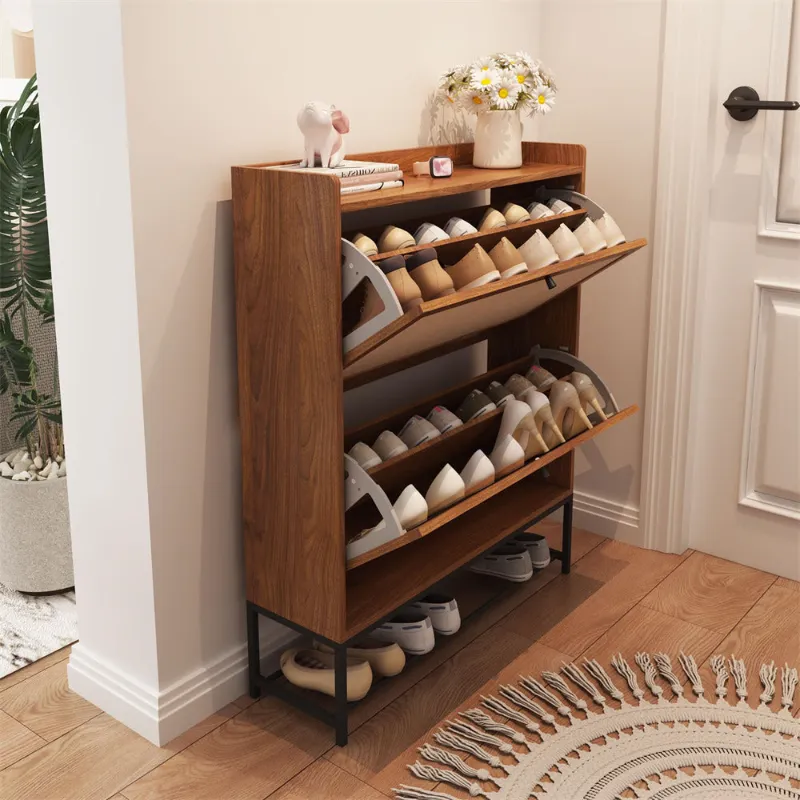
Wood joints, when properly built, tend to stay tight through repeated loading and unloading. Welded joints on cheaper metal racks can work loose over time with daily use. A shoe storage cabinet with wooden shelves is a reasonable choice if you store several pairs or heavier footwear regularly.
Moisture and humidity resistance
Entryways face constant moisture from rain, snow and wet shoes. Sealed wood repels water and dries fairly quickly, while unfinished wood can absorb it and swell, so a pre-sealed finish matters if a rack sits somewhere shoes come in wet. An entryway shoe rack with a sealed finish is built with this in mind.
Metal racks, including powder-coated ones, are more likely to develop rust spots over time, especially on lower bars where wet shoes tend to drip. Stainless steel resists this better but usually costs more. If you live somewhere wet or have kids tracking in mud regularly, a sealed wooden option is generally the safer bet. Check the current GiraTree discount code before you compare options.
Scratches, dents and general wear
Daily use means shoes scraping against surfaces and the occasional bump. Wood tends to age more gracefully here. Minor scratches blend into the grain and can often be sanded out, and small dents can usually be refinished. Metal behaves differently: scratches expose bare metal underneath, which can then rust, and dents in thin metal are usually permanent.
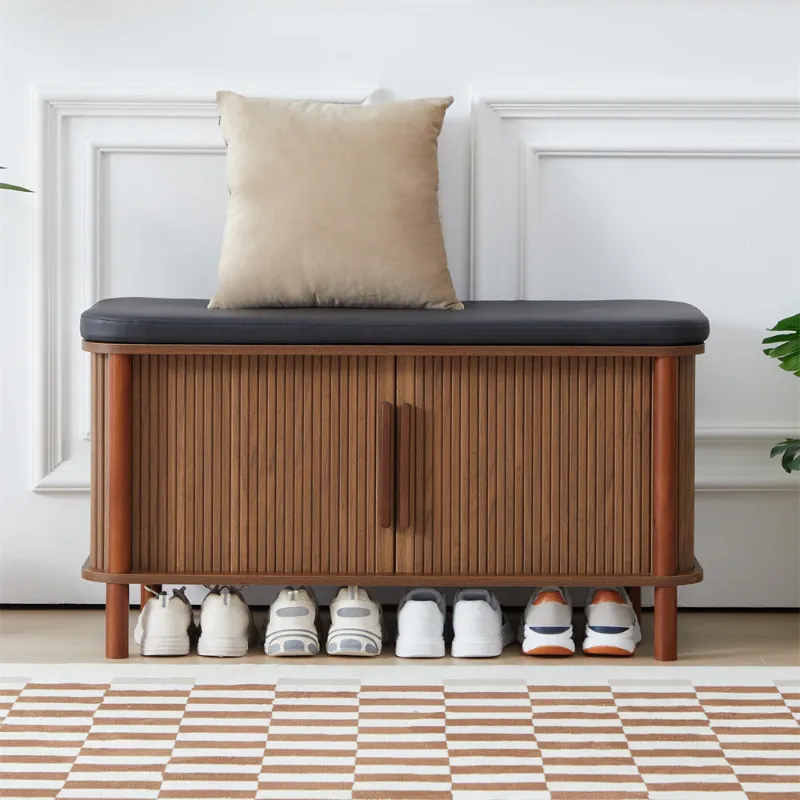
A shoe storage and bench with wooden construction is built to take this kind of daily contact without looking worn quickly, while a comparable metal bench is more likely to show marks sooner.
Style and how each material fits your space
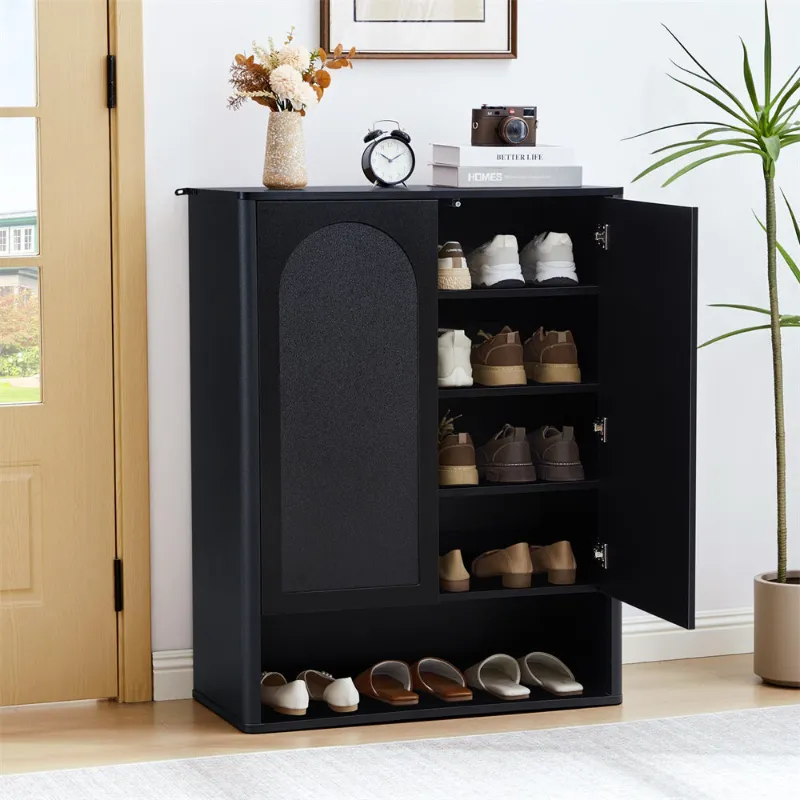
Shoe storage usually sits somewhere visible, like an entryway or closet, so the material affects how the piece looks over the years. Wood works across most design styles, from modern to farmhouse to traditional, which is one reason retailers such as IKEA and Bed Bath & Beyond carry wooden pieces in their higher-end lines. A shoe entryway cabinet is one option built for this kind of space.
Metal racks tend to read as more utilitarian or industrial. They can suit a loft or minimalist room well but can clash with warmer decor, and a metal cabinet with doors usually offers fewer finish options than wood, which comes in a range of stains and paint colors.
When metal makes more sense
Metal is not always the wrong choice. It tends to work well in a few situations:
- Tight budgets. Wire racks generally cost less upfront than wooden pieces.
- Temporary housing. Renters who move often may prefer something lighter to carry.
- Small shoe collections. If you only store a handful of light pairs, a simple metal rack can hold up fine.
For most other households, the durability difference over several years makes wooden storage worth the extra cost. Wooden racks generally last 5 to 10 years with normal use, compared with roughly 2 to 3 years for budget metal options before rust, bent bars or loose joints become a problem.
What to look for before you buy
A few features decide how well any shoe rack, wood or metal, holds up over time:
| Feature | Wood | Metal |
|---|---|---|
| Moisture resistance | Good, if sealed | Fair, prone to rust over time |
| Weight capacity | Solid, holds heavier footwear well | Varies, thinner bars can bend |
| Appearance over time | Ages gracefully, scratches blend in | Shows scratches and rust more visibly |
| Upfront cost | Higher | Lower |
If you would rather see your shoes than store them behind doors, the shoe storage rack wooden option offers open shelving instead of a closed cabinet.
Which material should you choose?
Choose wooden shoe storage if you want a piece that holds up over years of use, handles moisture in an entryway, and keeps its appearance without much upkeep. Choose metal if you need the lowest-cost option for temporary use or only store a small, light shoe collection in a dry, climate-controlled space.
For most households, a shoe storage cabinet or similar wooden piece tends to deliver better value over its lifetime than replacing a cheaper metal rack every few years.
Questions
How long does a wooden shoe rack typically last compared to metal?
A well-built wooden shoe rack can last 5 to 10 years with normal use, while budget metal racks often need replacing after 2 to 3 years once rust, bent bars or loose joints set in. Sealed wood handles daily wear and moisture better than thin metal.
Will a wooden shoe storage rack get damaged by wet shoes?
Sealed or finished wooden shoe racks handle wet shoes well because the coating repels moisture. Unfinished wood can absorb water and swell, so look for a pre-sealed finish if the rack sits in an entryway or mudroom.
Does wood scratch more easily than metal when shoes rub against it?
Wood generally hides scratches better than metal in daily use. Minor marks blend into the grain and can be sanded out, while scratches on painted or powder-coated metal expose bare material that can rust and look damaged.
Are wooden shoe racks worth the higher upfront cost?
For most households, yes. Wooden racks tend to cost more to start with but last well beyond cheaper metal options, so the cost per year of use often works out lower, and they keep a better appearance over time.
What weight can a wooden shoe rack hold per shelf?
Solid wood shelves typically support 40 to 50 pounds per tier without sagging, enough for several pairs of shoes including heavier boots. Thin metal bars can bend under lighter loads and leave an uneven surface.
Can I use a wooden shoe rack in a humid entryway?
Yes, as long as the wood is properly sealed. A sealed finish resists the moisture that causes warping or mold, while unsealed metal is more likely to develop rust spots in a damp entryway over time.
Products in this guide
Shopping at GiraTree? See the discount code
10% OFF All Orders
More in this series
 Best Small Buffet Cabinets for Apartments and Narrow Dining Rooms15 Aug 20265 minHow to Stop Shoes From Damaging Your Entryway Cabinet Finish15 Aug 20265 min
 Will a 65 Inch TV Stand Fit Your Living Room? Measuring Guide15 Aug 20265 min
 Rattan Dresser vs. Traditional Wood Dresser: Which Is Worth It?15 Aug 20263 minHow to Choose the Right Shoe Storage Solution for Your Entryway15 Aug 20265 min