 A GiraTree guide
How to Stop Shoes From Damaging Your Entryway Cabinet Finish
A shoe entryway cabinet stays pristine when you use protective liners, felt pads, and smart loading habits that prevent scuffs and moisture damage.
A shoe entryway cabinet takes daily abuse from dirty soles, sharp heels, and wet boots, but the right protective measures keep the finish looking new for years.
The most common damage happens when hard-soled dress shoes drag across shelves during placement, when metal heel caps gouge cabinet floors, and when wet winter boots pool moisture that seeps into seams.
Use Shelf Liners and Protective Barriers
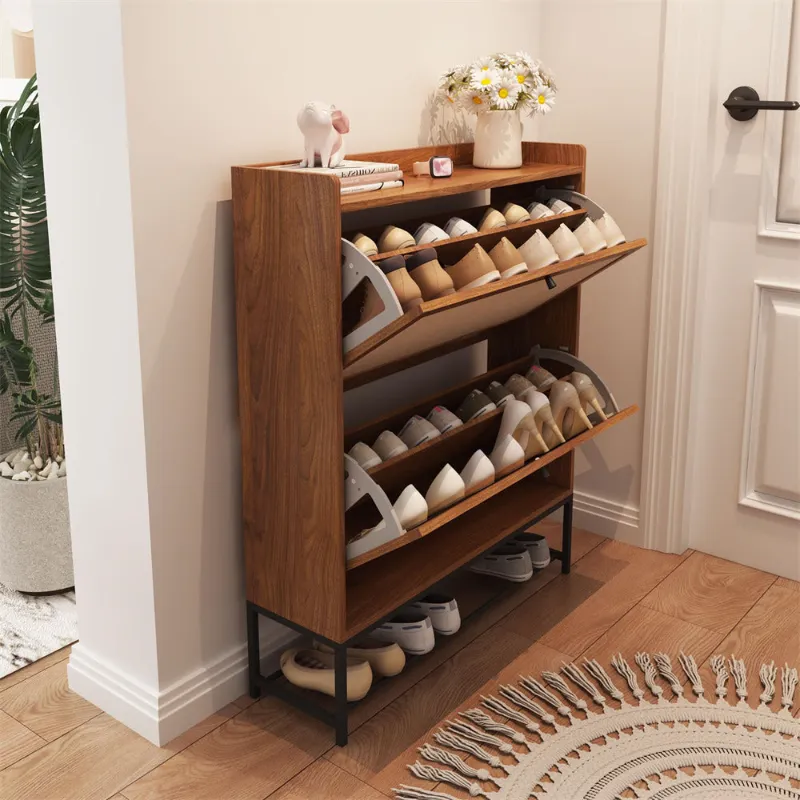
The fastest way to protect any shoe storage cabinet is to line every shelf and the cabinet floor with a grippy, washable barrier. Rubberized shelf liner with a grid pattern grips shoes in place while catching dirt and moisture before they reach the finish.
Cut liners to fit each shelf exactly, leaving no gaps at the edges where debris can slip through. For cabinets with multiple small cubbies like an entryway shoe rack, consider pre-cut drawer liners that you can trim with scissors. Replace liners every six to twelve months or when they show visible dirt buildup, which usually costs less than refinishing a scratched shelf.
Protective materials that work:
- Rubberized shelf liner with ventilation holes for airflow
- Cork shelf liner for eco-friendly moisture absorption
- Plastic boot trays for wet weather footwear
- Adhesive felt pads under stationary shoe organizers
Skip paper liners and thin contact paper. Both tear easily under shoe weight and trap moisture against the finish, which causes swelling and peeling in wood cabinets.
Add Felt Pads to Hard-Soled and Heeled Shoes
Shoes themselves cause most of the damage, especially leather-soled dress shoes and heels with exposed metal taps. Stick adhesive felt pads directly to the offending parts of frequently worn shoes before they ever touch cabinet shelves.
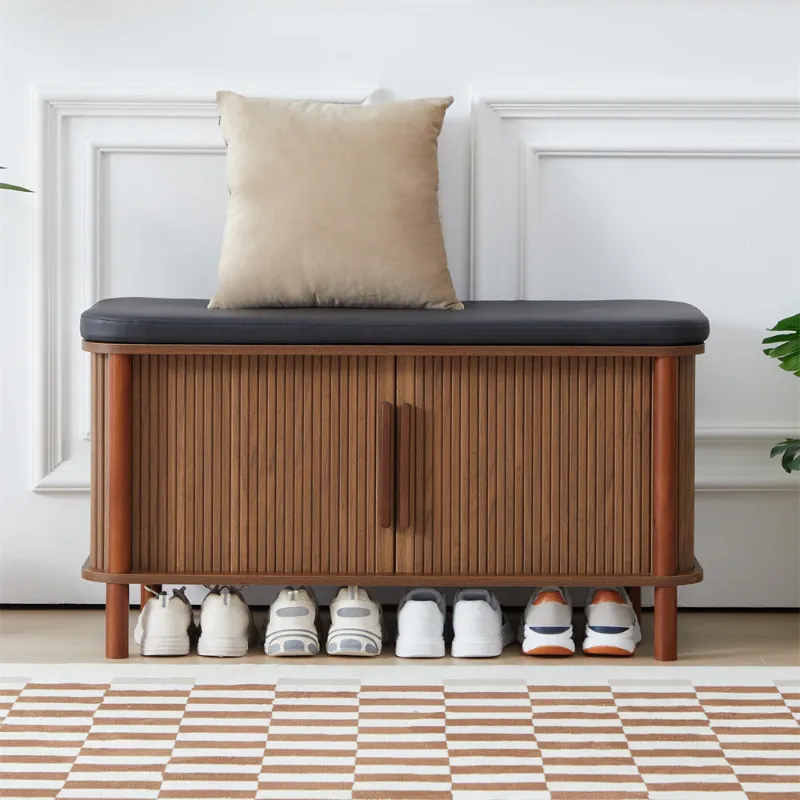
Apply 3M or similar brand stick-on felt pads to the toe and heel of dress shoes, paying special attention to any metal heel caps or hard plastic heel blocks. For boots, add felt to the heel counter where it rests against vertical dividers in a shoe storage and bench setup. Replace pads every few months as they compress and lose cushioning.
This approach works particularly well if you store shoes in a shoe storage rack wooden, where exposed wood grain shows scratches more visibly than painted or laminate finishes. The felt creates a soft buffer that absorbs impact and prevents dragging marks.
Organize Shoes by Weight and Wear Pattern
Strategic loading prevents concentrated wear in high-traffic spots. Place your heaviest boots and shoes on the bottom shelf or floor of the cabinet, where structural support is strongest and any scuffs stay hidden at ankle level.
Smart loading strategies:
- Bottom shelf: work boots, hiking boots, winter boots in trays
- Middle shelves: everyday sneakers and casual shoes
- Top shelves: lightweight flats, sandals, slippers
- Cabinet door storage: only soft-soled slippers or canvas shoes
Reserve any pull-out drawers or cubbies in an entryway shoe cabinet with drawer for your most delicate dress shoes, which you’ll lift in and out carefully rather than sliding across surfaces. This separation naturally reduces daily friction on visible cabinet faces. For current pricing on protective storage options, check the latest offerings with our exclusive discount.
Clean and Maintain Cabinet Surfaces Weekly
Dirt acts like sandpaper when shoes press it into cabinet finishes, so weekly cleaning prevents abrasive buildup. Wipe down all interior surfaces with a damp microfiber cloth, paying attention to corners where grit accumulates.
For wood cabinets, follow with a wood-safe polish every month to maintain the protective topcoat. Laminate and painted cabinets need only soap and water, but avoid soaking seams where moisture can penetrate particle board cores. Lift out any removable liners, shake them outside, and rinse if they are waterproof.
Weekly maintenance checklist:
- Remove all shoes and shake out loose dirt
- Vacuum or brush cabinet floors and shelves
- Wipe surfaces with barely damp cloth
- Dry thoroughly before replacing shoes
- Check liners for wear or shifting
Authority retailers like IKEA recommend this routine for their popular cabinet lines.
Choose Cabinet Materials That Resist Daily Wear
If you are shopping for a new unit, material choice determines how well the finish survives shoe storage duty.
| Material | Scratch Resistance | Moisture Resistance | Best For |
|---|---|---|---|
| Solid wood with polyurethane | High | Medium | Long-term investment pieces |
| Laminate over engineered wood | Medium-high | High | High-traffic entryways |
| Painted MDF or particle board | Low-medium | Low | Budget or low-traffic spaces |
| Rattan or woven finishes | Medium | Medium | Decorative, lighter-use areas |
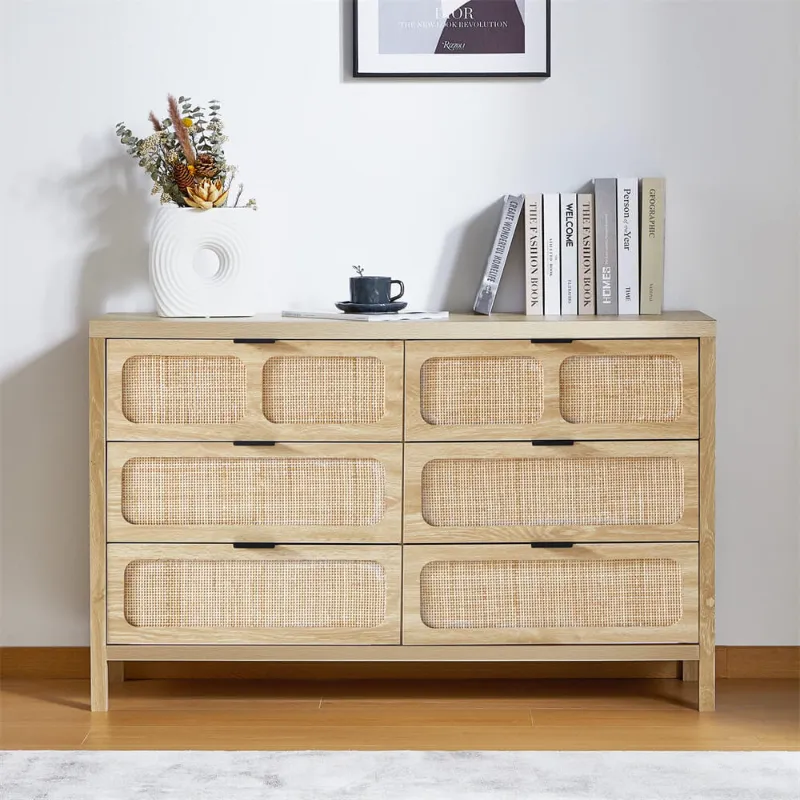
A rattan dresser repurposed for shoe storage offers good breathability and hides minor scuffs in its texture, though sharp heels can snag the weave. Laminate cabinets tolerate moisture best, making them ideal for families with young kids or for climates with wet seasons.
Wirecutter’s testing of popular IKEA models confirmed that sealed laminate finishes outlast painted particle board in entryway conditions, though both benefit from the protective measures we outline here.
Manage Moisture From Wet and Muddy Shoes
Water damage ruins more cabinet finishes than scratches do, especially along bottom edges and door seams. Never store wet shoes directly in a closed cabinet. Instead, place a dedicated boot tray on the cabinet floor or just outside the unit, and only move shoes inside after they air-dry.
For small spaces where you need immediate wet-shoe containment, dedicate the bottom compartment of your shoe cabinet to a deep plastic tray that can hold water without leaking. Line it with pebbles or a raised grid so boots sit above any pooled moisture.
Moisture prevention tactics:
- Air-dry wet shoes on a mat for 2-4 hours before storing
- Use newspaper or boot shapers to absorb interior moisture faster
- Leave cabinet doors cracked open for 15 minutes after loading wet items
- Install a small moisture absorber pack in humid climates
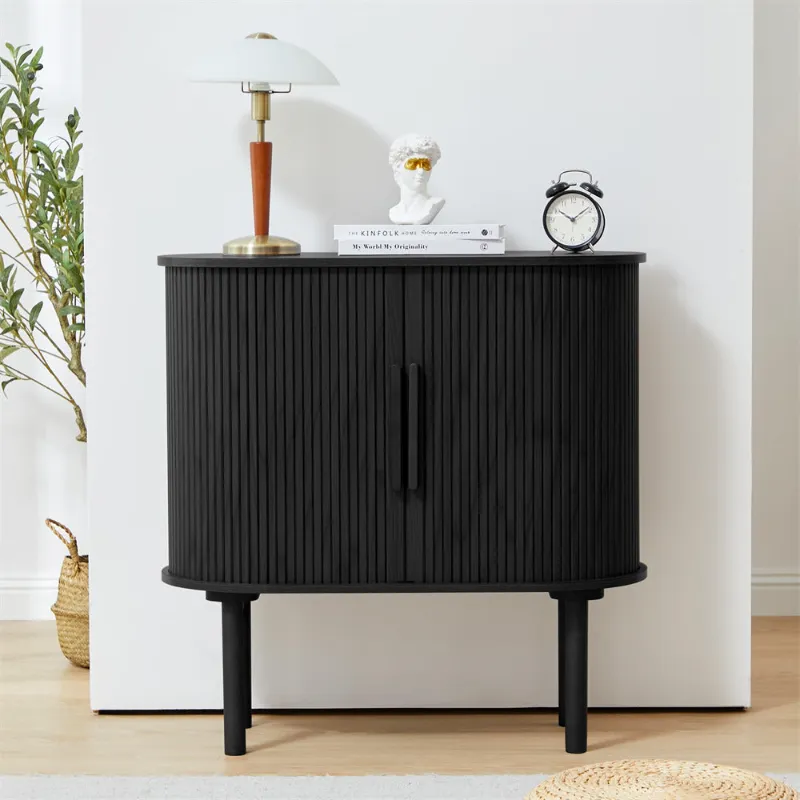
For entryway shoe storage for small spaces, vertical designs like a slim small buffet cabinet keep shoes elevated and visible, which naturally encourages you to remove wet pairs rather than hiding them away to cause hidden damage. You can grab our discount code to save on moisture-resistant storage options.
Repair Minor Damage Before It Spreads
Catch scratches and scuffs early, and most damage stays cosmetic rather than structural. For wood cabinets, keep a furniture touch-up marker in a matching stain color and dab it onto fresh scratches within days of noticing them. Laminate chips need a color-matched filler stick, available at hardware stores for common cabinet colors.
Deep gouges that penetrate the finish layer need immediate sealing to prevent moisture intrusion and swelling. Sand lightly with 220-grit paper, apply matching stain or paint, then seal with a clear polyurethane pen or brush-on topcoat. This five-minute fix prevents a fifteen-dollar scratch from becoming a hundred-dollar panel replacement.
Collections of shoe storage ideas from retailers like Joss & Main showcase how decorative cabinet fronts hide wear better than plain styles, but all finishes benefit from prompt repair regardless of aesthetics.
Questions
What is the best shelf liner material for a shoe entryway cabinet?
Rubberized shelf liner with ventilation holes offers the best combination of grip, moisture protection, and airflow. Cork liner works well for eco-conscious buyers, while plastic boot trays suit wet climates. Avoid paper or thin contact paper, which trap moisture and tear easily.
How do I protect wood cabinets from water damage caused by shoes?
Air-dry wet shoes on a mat for 2 to 4 hours before placing them in the cabinet, and use a waterproof boot tray on the bottom shelf. Leave cabinet doors slightly open after storing damp footwear to allow moisture to escape, and wipe down surfaces weekly to prevent buildup.
Can I use the same protective liner in all cabinet compartments?
Yes, but adjust thickness by use. Bottom shelves holding heavy boots benefit from thicker rubberized liner, while top shelves for lightweight shoes can use thinner cork or foam. Cut each piece to fit exactly so debris cannot slip underneath and scratch the finish.
Do felt pads on shoes really prevent cabinet scratches?
Adhesive felt pads on shoe heels and metal taps significantly reduce scratching, especially on wood and painted finishes. Replace pads every few months as they compress, and apply them to any hard-soled dress shoes or boots with exposed metal hardware.
How often should I clean the inside of my shoe storage cabinet?
Wipe down shelves and the cabinet floor weekly with a barely damp microfiber cloth, and vacuum or brush out loose dirt. Remove and rinse washable liners monthly, and apply wood polish to unfinished wood surfaces every four to six weeks to maintain the protective topcoat.
Which cabinet material resists shoe scuffs better, laminate or painted wood?
Laminate over engineered wood resists both scratches and moisture better than painted MDF or particle board. Solid wood with a polyurethane finish offers the highest scratch resistance but requires more moisture management, while laminate balances durability with lower maintenance.
Products in this guide
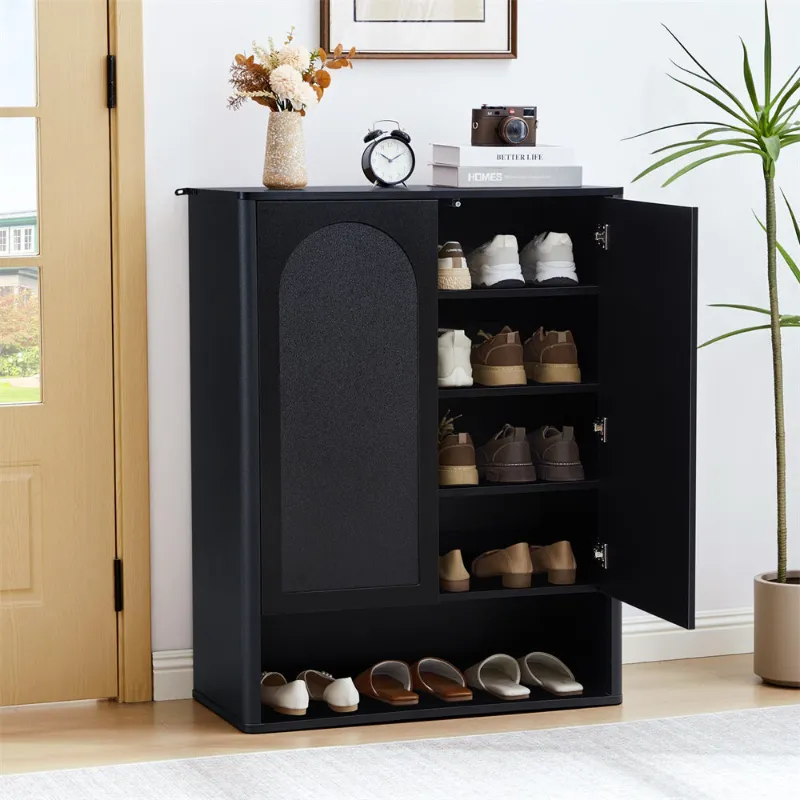 Shopping at GiraTree? See the discount code
10% OFF All Orders
Shopping at GiraTree? See the discount code
10% OFF All Orders
More in this series
Do Wooden Shoe Racks Really Hold Up Better Than Metal?15 Aug 20264 minBest Small Buffet Cabinets for Apartments and Narrow Dining Rooms15 Aug 20265 min Will a 65 Inch TV Stand Fit Your Living Room? Measuring Guide15 Aug 20265 minRattan Dresser vs. Traditional Wood Dresser: Which Is Worth It?15 Aug 20263 minHow to Choose the Right Shoe Storage Solution for Your Entryway15 Aug 20265 min