 A GiraTree guide
How to Choose the Right Shoe Storage Solution for Your Entryway
A shoe storage cabinet keeps your entryway clutter-free by organizing footwear in a compact, dedicated space that matches your home's layout and style.
Why You Need a Dedicated Shoe Storage Cabinet
A shoe storage cabinet solves the pile-up problem by giving every pair a designated spot near your door. Instead of tripping over sneakers or hunting for the other boot, you create a clean landing zone that handles daily traffic without visual chaos. The right solution depends on how many people live in your home, how much floor space you can spare, and whether you want your shoes hidden behind doors or displayed on open shelves.
Some models look great but collapse under the weight of boots, while others maximize vertical space without eating up your walkway. This guide walks you through the key decisions so you choose a storage system that lasts.
Closed vs. Open: Which Style Works for Your Space
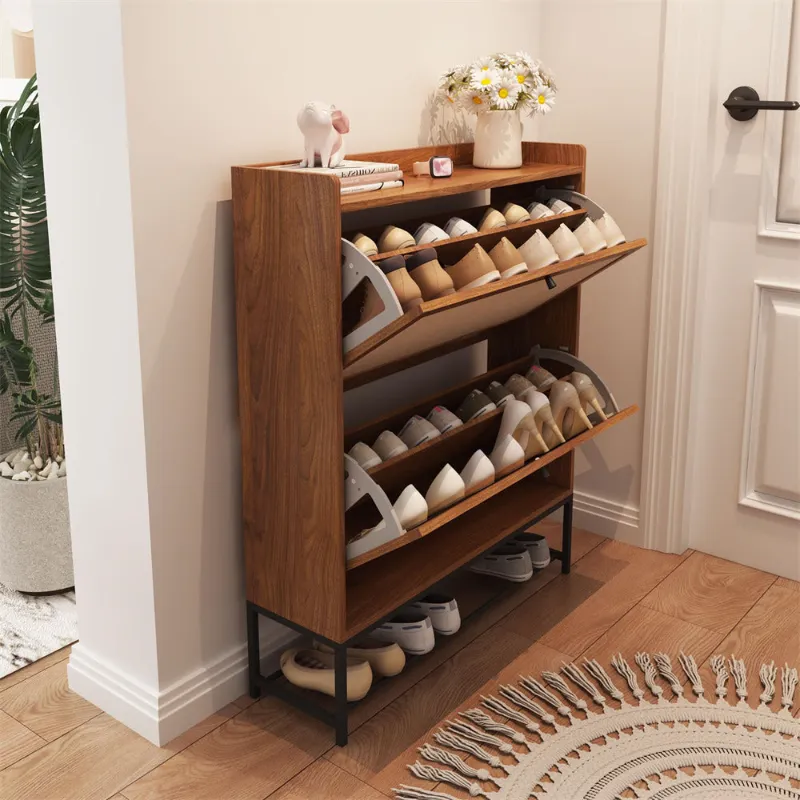
Closed cabinets with doors hide clutter and keep dust off your shoes, making them ideal if your entryway doubles as a first impression for guests. A shoe storage cabinet with solid or slatted doors works well in formal entryways or when you store seasonal shoes you don’t rotate daily. Doors also contain odors better than open racks, which matters if you store gym shoes or work boots.
Open racks and benches let you grab shoes faster and show off clean sneakers or decorative footwear. An entryway shoe rack saves seconds during rushed mornings because you see every pair at a glance. The trade-off is visual clutter if your shoes are mismatched or muddy. Many families compromise with a shoe storage and bench that offers a top surface for sitting while you tie laces, plus a shelf or cubby underneath for everyday pairs.
If you want flexibility, look for modular systems that let you mix closed and open sections. IKEA’s shoe storage cabinets demonstrate how slim, stackable units can adapt as your needs change.
Material Choices: Wood, Metal, and Rattan
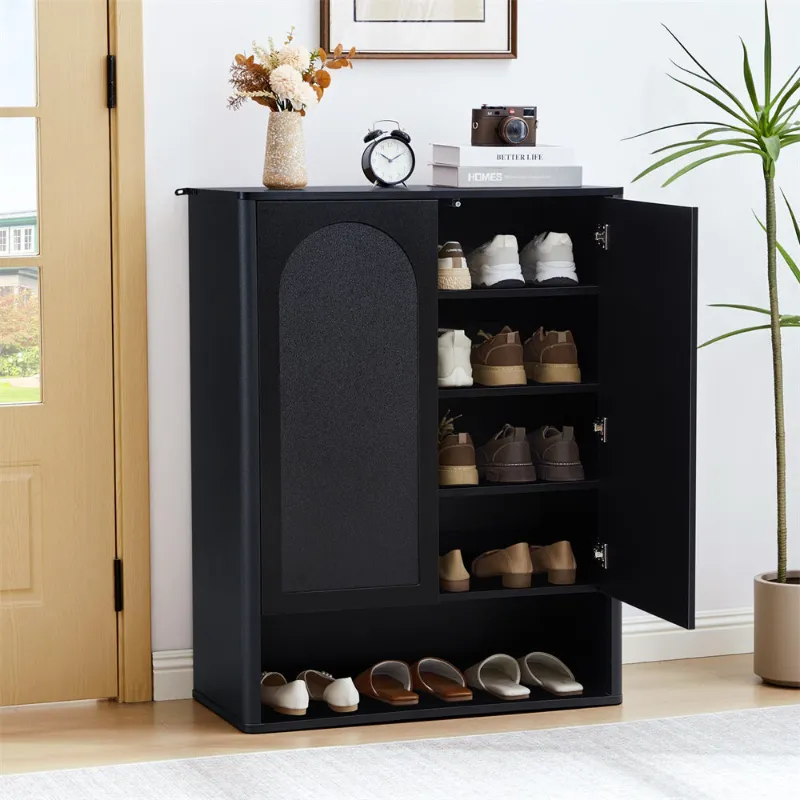
Wood cabinets offer durability and a classic look that blends with most furniture. A shoe storage rack wooden in oak, walnut, or painted finish stands up to daily wear and can support heavier boots without sagging. Solid wood costs more but lasts decades, while engineered wood or MDF keeps the price lower and still delivers a clean appearance.
Metal frames with wire or mesh shelves provide excellent ventilation, which prevents moisture buildup and odor. These work especially well in mudrooms or garages where wet shoes need to dry quickly. The downside is that metal racks rarely hide your shoes, so they suit utility spaces more than formal entryways.
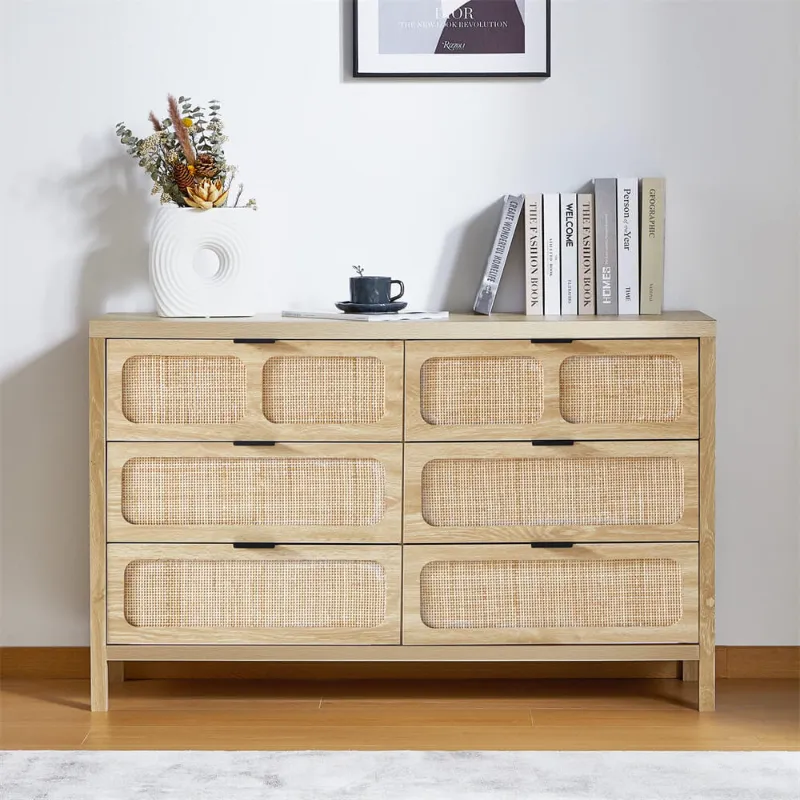
Rattan and woven materials add texture and warmth, perfect if you follow coastal or boho design trends. A rattan dresser can double as shoe storage when you dedicate lower drawers to footwear, though you sacrifice the quick-access convenience of open shelving. Rattan handles light to moderate use but may fray faster than hardwood in high-traffic households.
Sizing: Tall, Small, and Everything in Between
Measure your entryway’s width, depth, and ceiling height before you shop. A shoe storage cabinet tall enough to reach six feet can hold 20+ pairs without sprawling across your floor, ideal for narrow hallways. Tall cabinets work best when anchored to the wall for stability, especially if you have kids or pets who might tip furniture.
Small shoe storage cabinets fit under console tables or beside coat hooks in compact apartments. A shoe storage cabinet small in footprint still holds 8 to 12 pairs when you use tiered shelves or angled racks that nestle heels behind toes. We recommend models no deeper than 12 inches if your entryway is also a walkway, so you preserve clearance for opening the front door.
For families, calculate roughly four pairs per person as a baseline, then add 25% for guests and seasonal rotation. A household of four typically needs space for 20 pairs at minimum, which might mean stacking two shorter cabinets or choosing one tall unit with adjustable shelves.
Check the latest pricing to compare costs across different sizes and materials.
Specialized Designs for Specific Needs
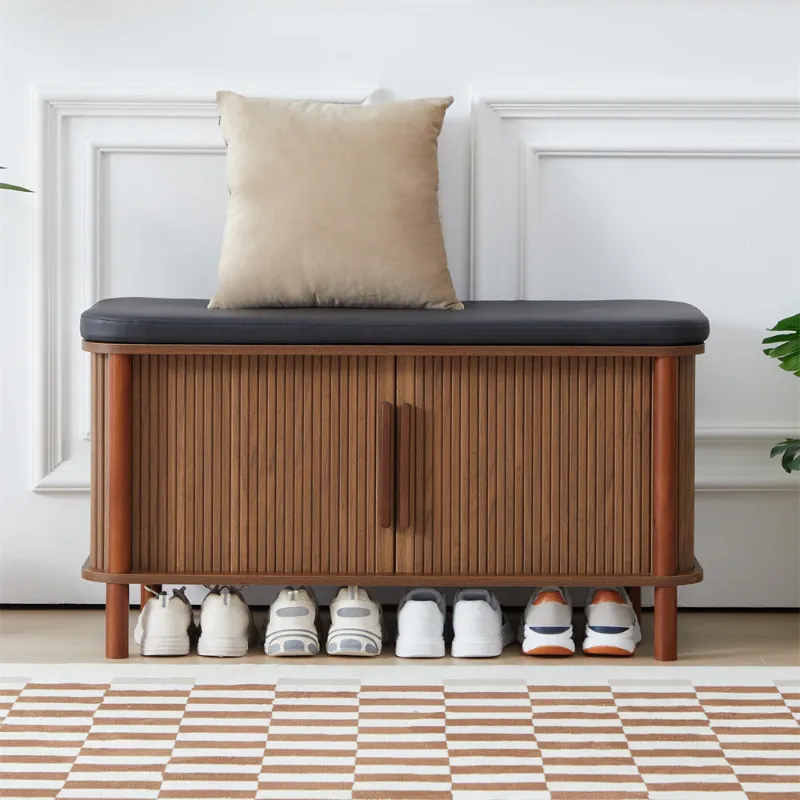
Shoe storage cabinet with doors and seating combo: A shoe entryway cabinet that includes a padded bench on top serves double duty. You sit to remove shoes, then stow them in the compartment below. This design suits families with young kids who need help with laces, or anyone who prefers not bending down to the floor.
Angled cabinets for tight corners: Some manufacturers design cabinets with sloped shelves that tilt shoes backward, letting you stack more pairs in less vertical space. These shoe storage cabinets for closets also work in entryways when mounted at eye level, though accessing the top shelf requires a step stool.
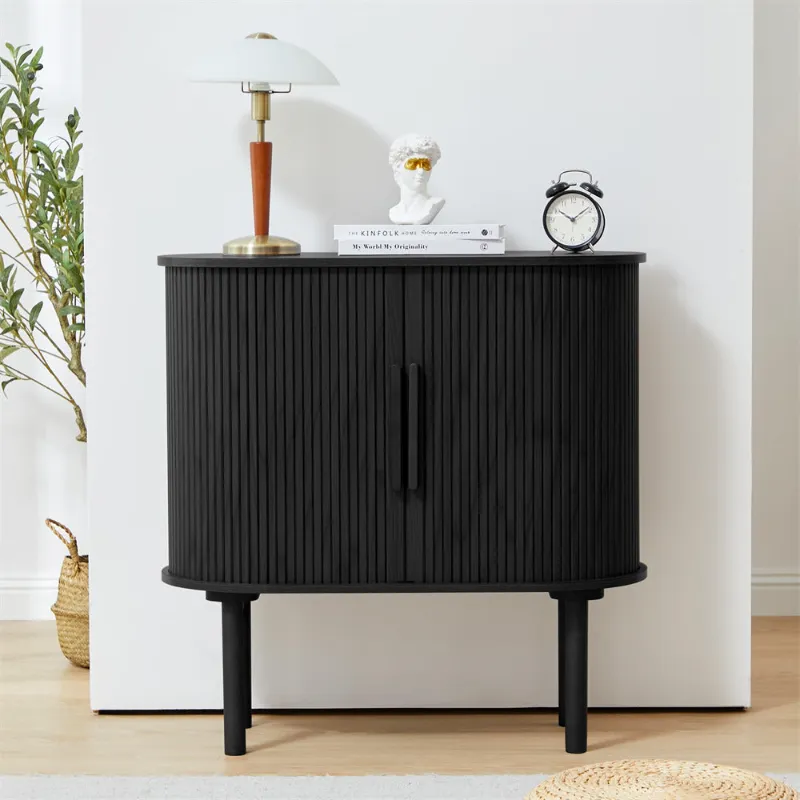
Multi-purpose storage: If your entryway lacks room for dedicated shoe furniture, consider a small buffet cabinet with lower shelves you can repurpose for footwear. You gain a surface for keys and mail on top while hiding shoes behind cabinet doors below.
Wirecutter’s review of slim shoe cabinets highlights how shallow-depth models handle daily use in real homes, which helps you set realistic expectations before you buy.
Installation and Maintenance Tips
Most wood and rattan cabinets arrive flat-packed and require 30 to 60 minutes of assembly. Look for cam-lock hardware or pre-drilled pilot holes to speed up the process. If you choose a tall unit, secure it to wall studs with the included tip-restraint bracket to prevent tipping.
Clean shoe storage regularly to avoid dirt buildup. Wipe wooden surfaces with a damp cloth and mild cleaner monthly, and vacuum or shake out any removable trays. For open racks, a quick weekly wipe prevents dust from settling on shoes you don’t wear often.
Ventilation matters more than most buyers expect. Cabinets with slatted doors or mesh panels allow airflow, which reduces odor and moisture damage. If you opt for solid doors, crack them open occasionally or add sachets of baking soda to absorb smells.
Where to Buy and Save
When you grab the discount code, you’ll unlock 10% off across all storage furniture, making it easier to outfit your entryway without stretching your budget.
Choosing the right shoe storage cabinet comes down to matching your household size, available space, and design preferences with a structure that holds up under daily use. Whether you need a narrow unit for a studio apartment or a tall cabinet with doors for a busy family entryway, prioritize sturdy construction and practical access over trendy features that complicate your routine.
Questions
How many pairs of shoes does a typical shoe storage cabinet hold?
Most standard cabinets hold 12 to 18 pairs, while tall or multi-tier units can accommodate 20 to 30 pairs. Capacity depends on shelf spacing and whether you store boots, heels, or flat shoes.
Should I choose a cabinet with doors or an open shoe rack?
Cabinets with doors hide clutter and reduce dust, ideal for formal entryways. Open racks offer faster access and better ventilation, which works well for daily-use shoes or active households.
Can a shoe storage cabinet work in a small apartment entryway?
Yes. Look for slim models under 12 inches deep or tall vertical cabinets that maximize height instead of floor space. Wall-mounted racks are another space-saving option for tight entryways.
What material is most durable for high-traffic entryways?
Solid wood and metal frames handle heavy daily use best. Engineered wood or MDF works for moderate traffic, while rattan suits lighter use in decorative spaces.
Do I need to anchor a tall shoe cabinet to the wall?
Yes, especially if the cabinet is over four feet tall or if you have children or pets. Use the included tip-restraint bracket and secure it to wall studs for safety.
How do I prevent odor buildup in a closed shoe storage cabinet?
Choose cabinets with slatted or mesh doors for airflow, and wipe down shelves monthly. You can also place baking soda sachets inside or crack the doors open after storing wet shoes.
Products in this guide
 Shopping at GiraTree? See the discount code
10% OFF All Orders
Shopping at GiraTree? See the discount code
10% OFF All Orders
More in this series
Do Wooden Shoe Racks Really Hold Up Better Than Metal?15 Aug 20264 minBest Small Buffet Cabinets for Apartments and Narrow Dining Rooms15 Aug 20265 minHow to Stop Shoes From Damaging Your Entryway Cabinet Finish15 Aug 20265 min Will a 65 Inch TV Stand Fit Your Living Room? Measuring Guide15 Aug 20265 minRattan Dresser vs. Traditional Wood Dresser: Which Is Worth It?15 Aug 20263 min