 A Vintage Radar guide
Do Vintage Seiko Watches Keep Accurate Time After Decades?
Vintage Seiko watches can keep accurate time after decades, though most will need servicing to restore precision within acceptable tolerances.
Do Vintage Seiko Watches Maintain Accuracy Over Time?
Vintage Seiko watches can keep accurate time after decades, though most will drift outside their original specifications without proper maintenance. A well-serviced automatic or mechanical Seiko from the 1960s through 1980s typically runs within +/- 20 to 40 seconds per day, which remains perfectly usable for daily wear. The accuracy depends on the movement type, service history, and how the watch was stored.
Seiko’s engineering during their golden era established a reputation that collectors still chase today.
What Affects Timekeeping in Vintage Seiko Watches Men and Women Wore
The movement inside your vintage Seiko determines baseline accuracy. Automatic calibers like the 6139, 7S26, and 4006 were workhorses designed for everyday reliability rather than chronometer precision. Manual-wind movements such as the 6602 and hand-wound dress watches typically ran slightly tighter tolerances when new.
Key factors that impact accuracy after decades include:
- Lubrication degradation – old oils thicken or evaporate, increasing friction and slowing the balance wheel
- Magnetization – exposure to speakers, phones, or magnetic clasps can speed up or slow down the hairspring
- Mainspring fatigue – weakened springs deliver inconsistent power, causing amplitude drops
- Worn pivots and jewels – decades of friction create play in the gear train
- Shock damage – dropped watches may have bent staff pivots or damaged balance assemblies
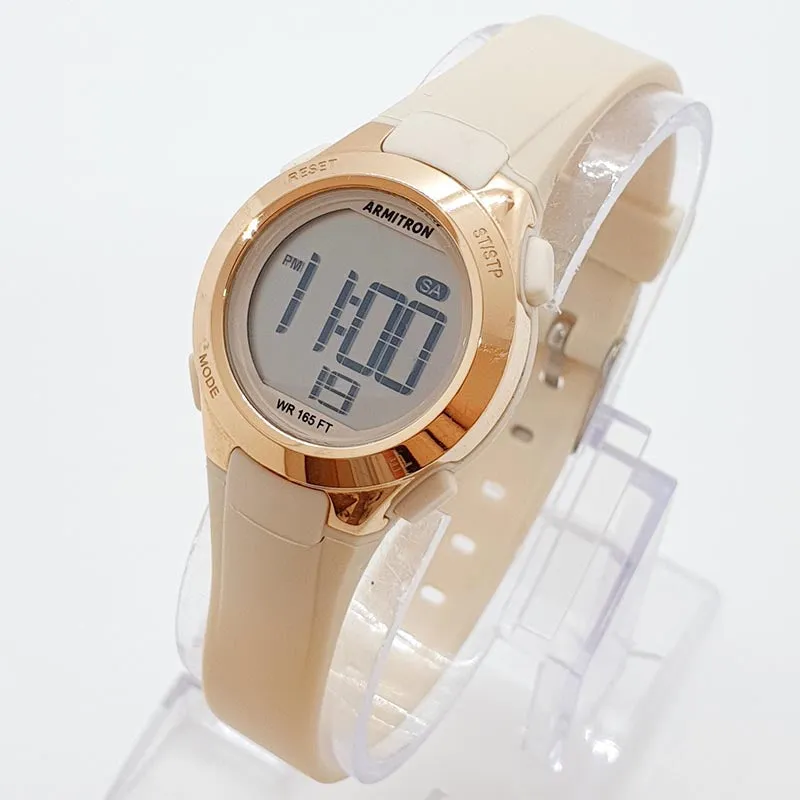
Unlike modern quartz options like the armitron sport women’s digital chronograph resin watch that maintain accuracy within seconds per month, mechanical movements require regular servicing every five to seven years to maintain factory specifications.
How Vintage Seiko Watches Automatic Models Compare to Modern Mechanical Watches
Vintage Seiko watches automatic movements from the 1960s and 1970s compete surprisingly well against contemporary alternatives. A serviced Seiko 6139 chronograph or King Seiko 5626 often matches or beats the daily rate of entry-level mechanical watch options available today.
| Feature | Vintage Seiko (Serviced) | Modern Entry Mechanical | Swiss Vintage |
|---|---|---|---|
| Daily accuracy | +/- 20-40 sec | +/- 15-30 sec | +/- 30-60 sec |
| Service interval | 5-7 years | 5-7 years | 3-5 years |
| Parts availability | Good | Excellent | Variable |
Seiko’s heritage as a vertically integrated manufacturer means they produced their own balance wheels, hairsprings, and jewels to tight tolerances. This attention to detail, documented in Seiko’s official heritage archives, gave their vintage pieces longevity that outlasted many European competitors from the same era.
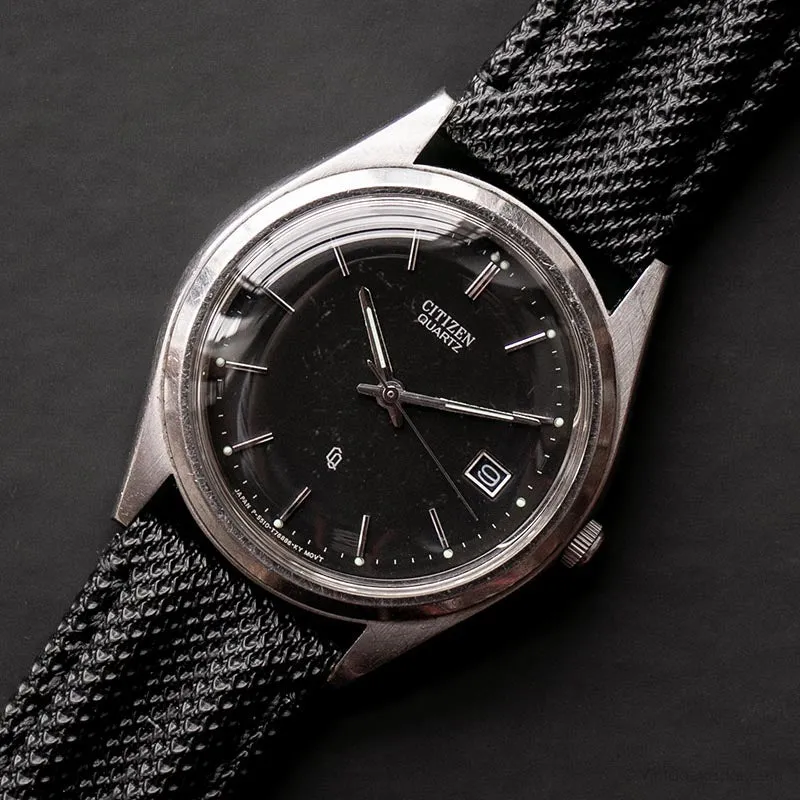
While brands like citizen watches and yema watches also produced durable vintage pieces, Seiko’s sheer production volume means parts and watchmaker expertise remain readily available decades later.
Servicing and Regulating Vintage Seiko Watches Gold and Steel Models
A complete service restores most vintage Seiko watches to near-original accuracy. The process involves disassembly, ultrasonic cleaning, replacement of worn parts, fresh lubrication, and regulation on a timing machine. Expect to pay between $150 and $350 for a full service from a qualified watchmaker.
Between services, you can improve accuracy through:
- Demagnetization – a simple $20 demagnetizer or free service at most watch shops eliminates magnetic interference
- Position adjustment – vintage Seiko watches 1960s models often run faster dial-up and slower crown-up, so alternate positions during storage
- Winding discipline – automatic models need motion or manual winding to maintain consistent amplitude
- Temperature stability – avoid extreme heat or cold that affects lubricant viscosity
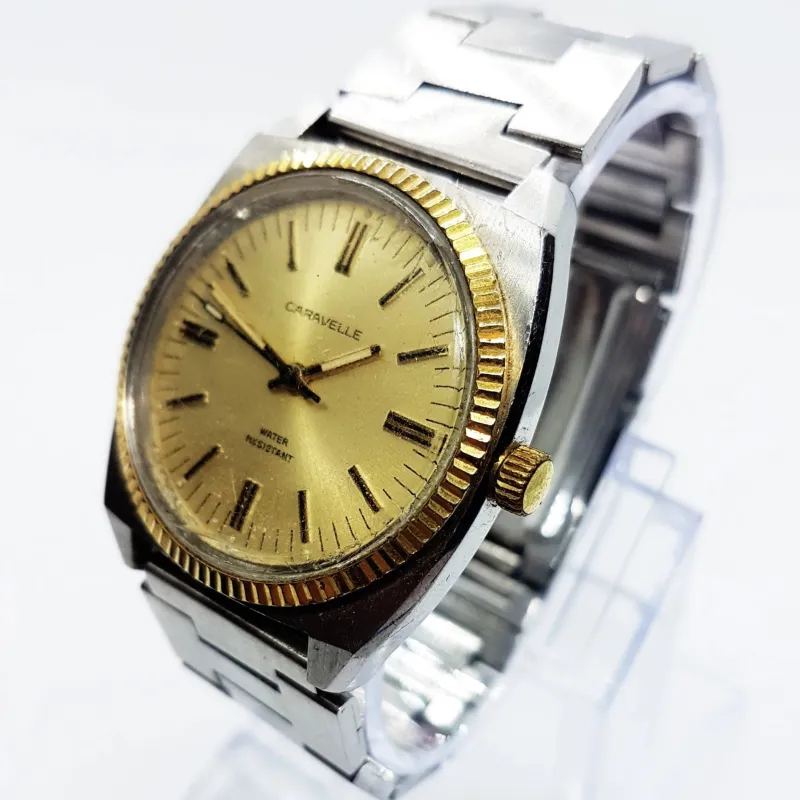
Many collectors compare vintage Seiko pieces to contemporaries like the caravelle watch (Bulova’s mid-tier line) or the timex men’s mechanical automatic watch with fabric strap, and find that Seiko’s movements require less frequent intervention to maintain daily-wear accuracy.
For current pricing on serviced examples and to grab our discount code, check the store page where sellers often list service history and timing results.
Realistic Expectations for Vintage Seiko Watches 1980s and Earlier
Not every vintage Seiko will be worth servicing back to perfect timekeeping. Lower-tier models with 6309 or 7009 movements were budget pieces when new and may cost more to service than replace. Focus your restoration budget on:
- Grand Seiko and King Seiko lines – premium movements built to chronometer standards
- Sport chronographs – the 6139 and 6138 remain highly collectible and serviceable
- Hi-Beat models – 10-beat movements like the 5246 offer superior accuracy potential
- Lord Matic and Seikomatic pieces – mid-century dress watches with refined finishing
The vintage watch marketplace shows strong demand for properly serviced pieces with documented accuracy, making the investment worthwhile for desirable references.
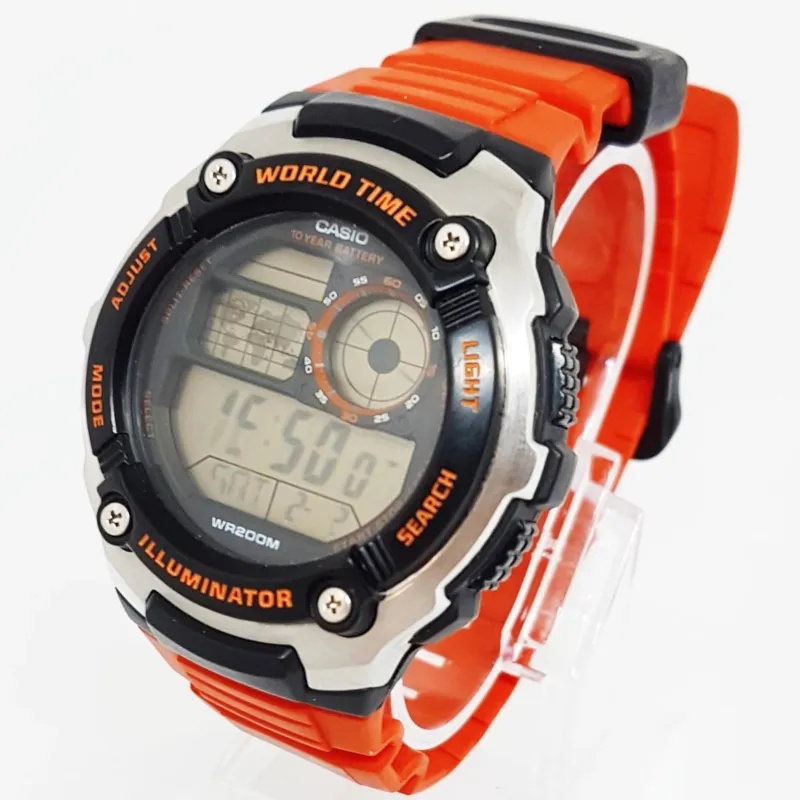
Compare this to quartz alternatives like a casio watch or swatch watch, which sacrifice collectibility for maintenance-free accuracy. There’s no wrong choice, but mechanical collectors appreciate the connection to horological tradition that vintage Seiko watches women and men wore during the brand’s golden era.
Where to Find and Verify Vintage Seiko Watches Accuracy
Before buying any vintage timepiece, request timing numbers from the seller. Reputable dealers provide photos of the watch on a timegrapher showing rate, amplitude, and beat error. Look for:
- Rate: +/- 30 seconds per day or better
- Amplitude: 250-280 degrees (dial up) indicates healthy mainspring tension
- Beat error: under 1.0 ms means the balance is properly centered
You can explore authenticated pieces and check the latest pricing with our code to see current market rates for serviced versus as-found examples. The 10% discount applies across all orders, making it easier to invest in a properly maintained piece rather than gambling on an unknown service history.
Specialized resources like Cool Vintage Watches’ Seiko section provide reference numbers, production years, and expected accuracy ranges for specific calibers. Cross-reference any purchase against these databases to confirm authenticity and appropriate pricing.
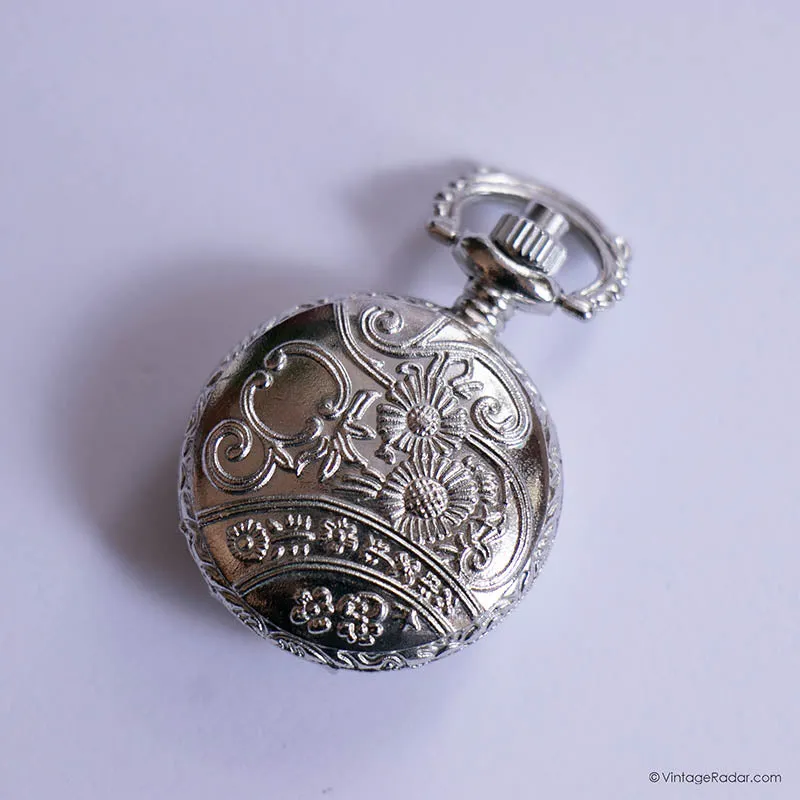
Other vintage options worth considering alongside Seiko include pocket watch models for collectors interested in earlier mechanical traditions, or anne klein watch pieces for smaller vintage styles that complement modern wardrobes.
The Bottom Line on Vintage Seiko Timekeeping
Decades-old Seiko watches absolutely can keep accurate time with proper maintenance, often matching the daily precision of modern entry-level mechanical pieces. The key is understanding that mechanical movements are living machines requiring periodic care, not disposable appliances. A $200 service every six years on a watch that’s already survived 40-50 years represents excellent value compared to buying new mid-tier pieces repeatedly.
Whether you’re drawn to vintage Seiko watches automatic movements for their robust design, vintage Seiko watches gold cases for their aesthetic, or the technical appeal of Hi-Beat calibers, these timepieces reward patient ownership with reliable daily performance and appreciation potential that few modern watches can match.
Questions
How accurate should a serviced vintage Seiko be?
A properly serviced vintage Seiko should run within +/- 20 to 40 seconds per day, though premium models like Grand Seiko can achieve +/- 10 seconds. Anything beyond 60 seconds per day suggests the watch needs regulation or additional service work.
Do vintage Seiko watches need more maintenance than modern automatics?
No, vintage Seiko movements follow the same 5-7 year service interval as modern mechanical watches. The main difference is that older lubricants may have already degraded, so a newly acquired vintage piece often needs immediate servicing regardless of when it was last worn.
Can I improve accuracy without a full service?
Demagnetizing the watch and adjusting wearing positions can improve accuracy by 10-20 seconds per day. However, if the movement hasn't been serviced in over a decade, dried lubricants will eventually cause accelerated wear that only a full service can address.
Are vintage Seiko automatic watches more accurate than manual-wind models?
Not necessarily. Accuracy depends on the specific caliber and service condition rather than winding method. Some manual-wind dress watch movements were actually finished to tighter tolerances than workhorse automatic calibers.
Why does my vintage Seiko run faster in some positions?
Mechanical watches naturally run at different rates depending on position due to gravity's effect on the balance wheel. Vintage Seiko movements were typically regulated in two or three positions, so dial-up versus crown-down can show 20-30 second daily variance.
What's better for daily accuracy, a vintage Seiko or modern quartz?
Modern quartz is objectively more accurate, maintaining precision within seconds per month versus seconds per day for mechanical movements. However, vintage Seiko watches offer collectibility, repairability, and the traditional appeal of mechanical horology that quartz cannot match.
Products in this guide
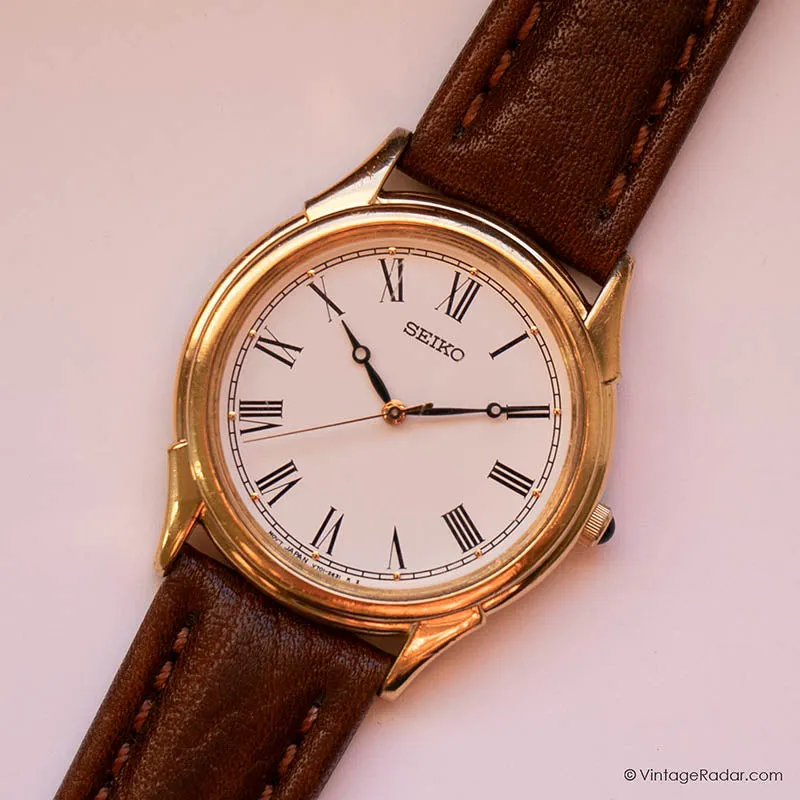
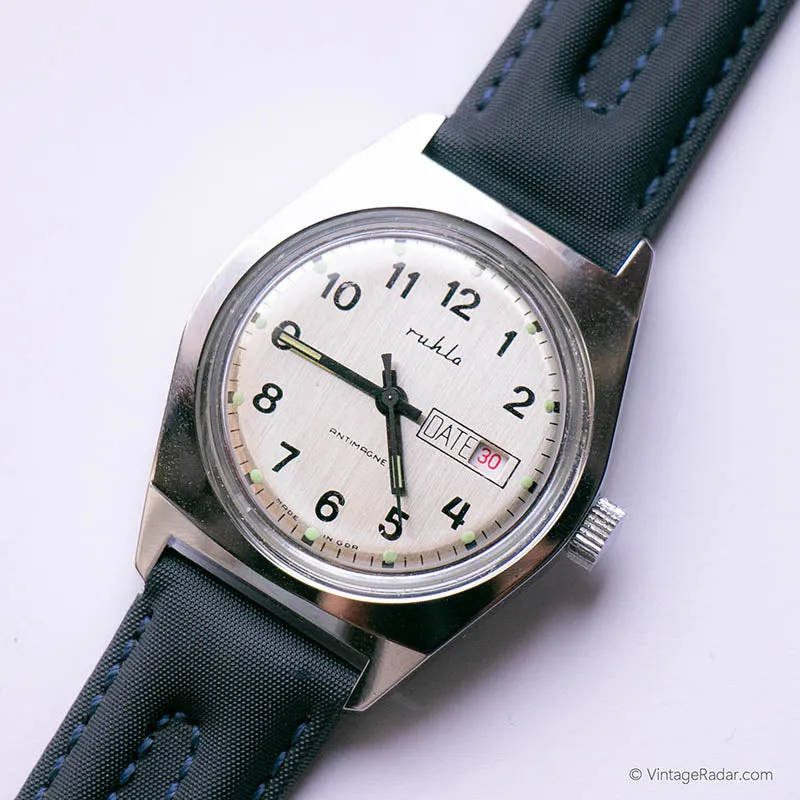
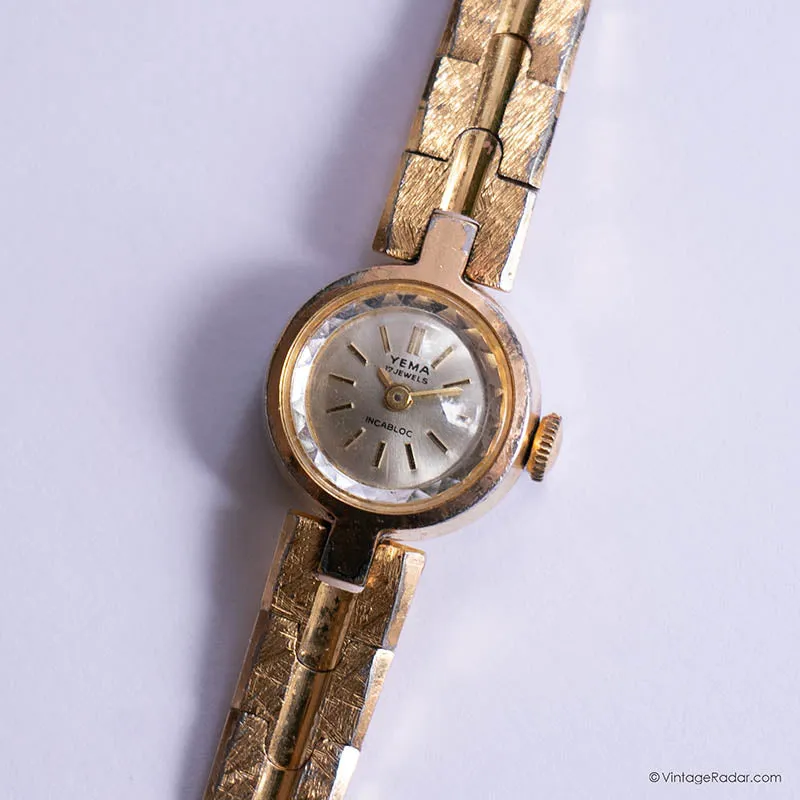
 Shopping at Vintage Radar? See the discount code
10% OFF All Orders
Shopping at Vintage Radar? See the discount code
10% OFF All Orders
More in this series
Armitron Sport Digital Chronograph: How to Set All Functions and Alarms8 Aug 20265 minWhy Are Yema Watches Popular Among Vintage Collectors?8 Aug 20264 minWhat to Look for When Buying a Pocket Watch: Movement Types and Case Condition8 Aug 20264 minCitizen vs Casio: Which Watch Brand Offers Better Value for Everyday Wear?8 Aug 20264 minHow to Wind and Care for a Timex Mechanical Automatic Watch8 Aug 20265 min