 A Vintage Radar guide
What to Look for When Buying a Pocket Watch: Movement Types and Case Condition
A pocket watch demands careful inspection of its movement type and case condition before you buy.
Understanding Pocket Watch Movements Before You Buy
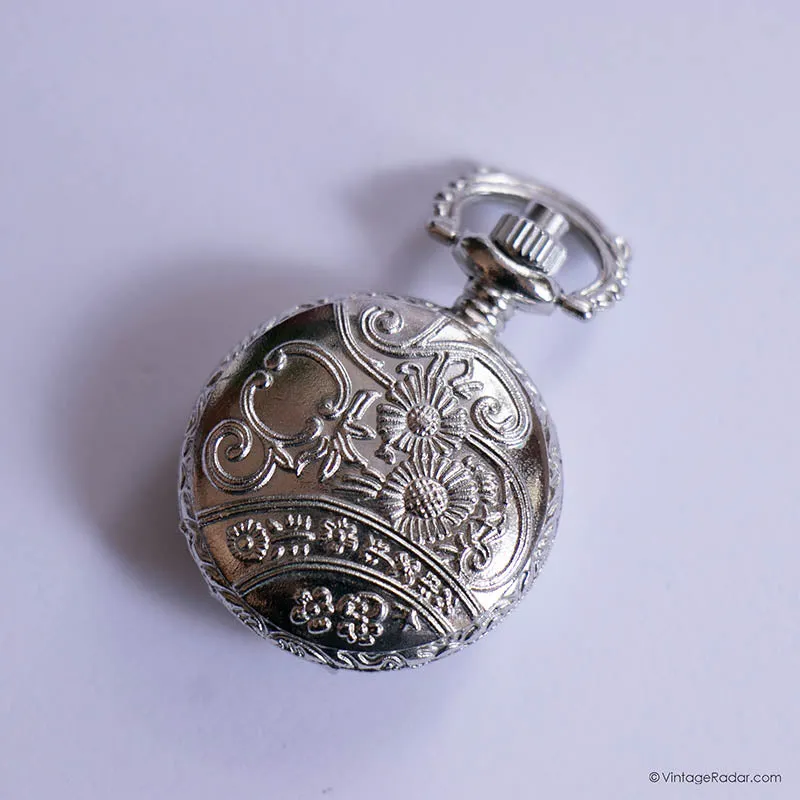
A pocket watch is either mechanical or quartz, and the movement type determines maintenance, longevity, and value. Mechanical movements (whether manual-wind or automatic) are traditional, repairable, and often increase in value over time, while quartz movements offer accuracy and low maintenance but less collector appeal. Before you commit to any vintage pocket watch, identify which movement fits your needs: collectors prioritize mechanical, while daily users often prefer quartz reliability.
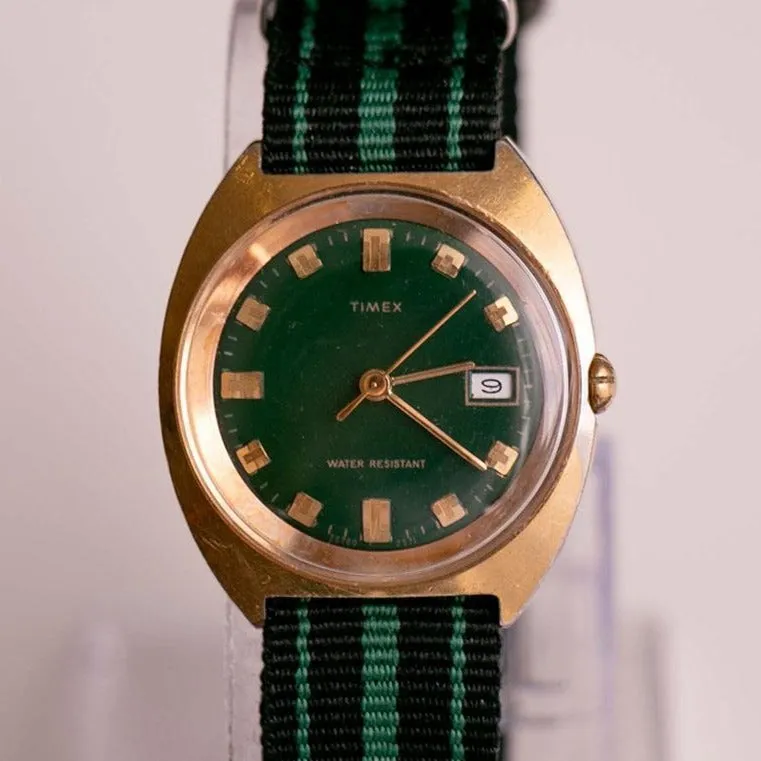
Mechanical movements require winding and periodic servicing every three to five years, but they connect you to centuries of horological craftsmanship. Quartz movements need only a battery swap every few years and keep time within seconds per month. If you’re also exploring wristwatches, a mechanical watch or timex men’s mechanical automatic watch with fabric strap shares the same charm and maintenance rhythm.
Inspecting Case Condition and Material Quality
The case protects the movement and defines the watch’s aesthetic. A solid gold or silver case holds intrinsic value, while gold-filled and plated cases wear through over time, look for hallmarks stamped inside the case back to verify material.
Key case inspection points:
- Hinge function: snap open and close smoothly without wobble or resistance
- Crystal clarity: original glass or acrylic should be crack-free; replacements are acceptable if period-correct
- Engraving: personalized inscriptions add character but can reduce resale value
- Plating wear: brass showing through gold plate signals heavy use
- Dents and dings: minor surface marks are normal; deep dents suggest impact damage to the movement
Hunter cases (full covers) and open-face designs each have trade-offs. Hunter cases protect the crystal but add weight and another hinge to fail. Open-face cases let you read the time instantly but expose the crystal. Check the latest price on our store page to compare case styles within your budget.
Evaluating Movement Condition and Service History
Open the case back and examine the movement plates, jewels, and balance wheel. A clean, lightly oiled movement with minimal rust or corrosion suggests proper care. Look for jewel count, higher counts (17-jewel or 21-jewel movements) reduce friction and improve accuracy. If the balance wheel oscillates smoothly and you hear a steady tick, the escapement likely works.
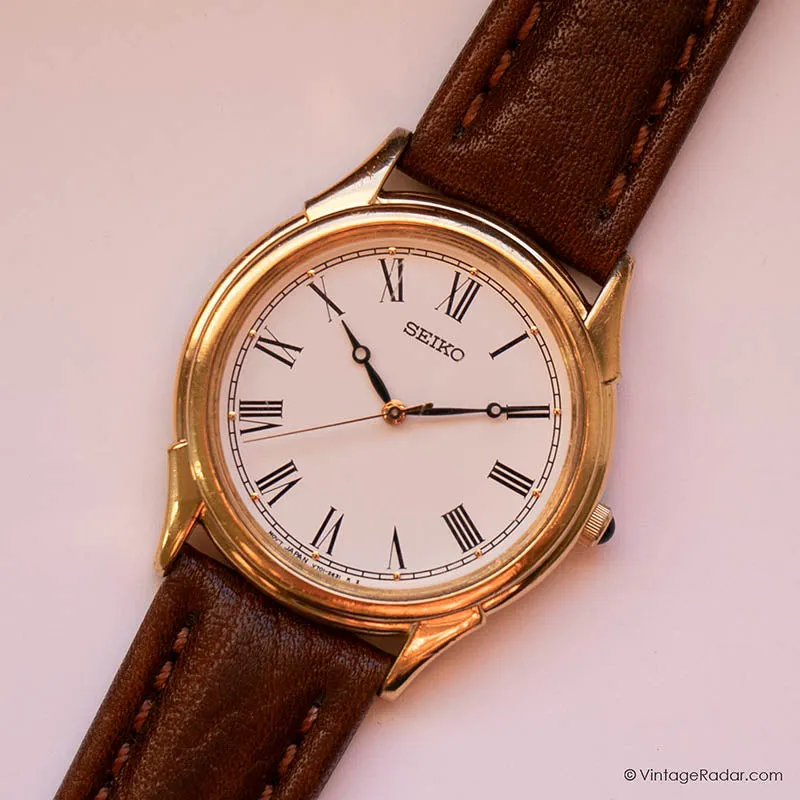
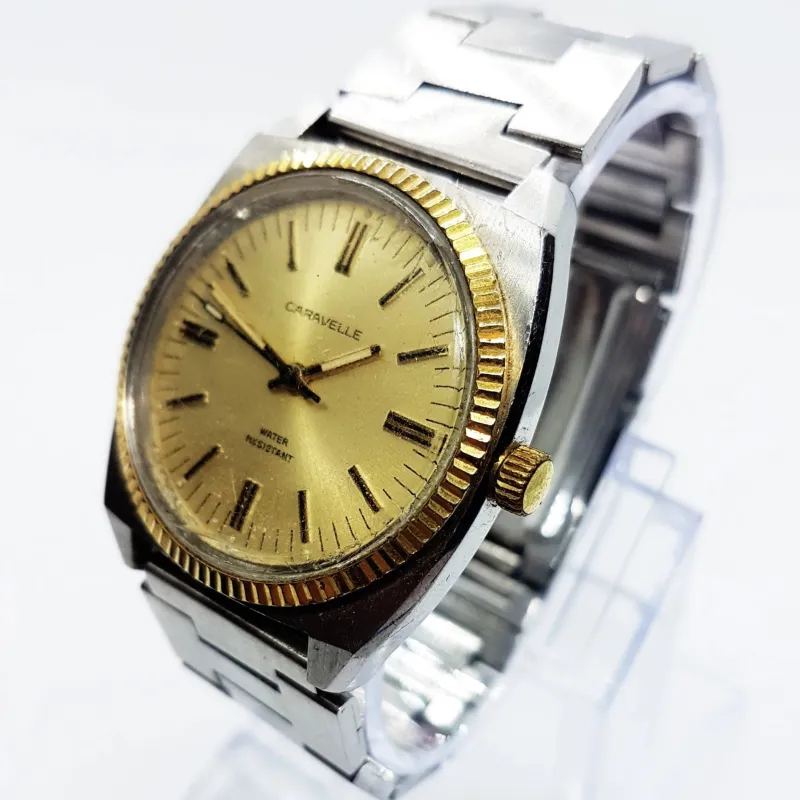
Service records or a watchmaker’s inspection add confidence. A movement that hasn’t run in decades may need disassembly, cleaning, and fresh lubrication before it keeps reliable time. Factor servicing cost into your purchase decision, a bargain watch that needs intensive repair often costs more than a serviced example. Brands like vintage seiko watches and caravelle often have affordable parts and widespread watchmaker familiarity, lowering long-term maintenance costs.
Red flags during movement inspection:
- Rust or verdigris on plates or screws
- Broken or chipped jewels
- Bent or missing balance staff
- Dried, black lubricant residue
- Aftermarket parts that don’t match
Authenticity, Brand Heritage, and Collectibility
Provenance matters. American railroad-grade watches from Waltham, Elgin, or Hamilton command premiums for their precision and historical significance. European makers like Patek Philippe and Tissot are celebrated for craftsmanship, while Swiss and German movements are prized for accuracy. Always verify maker’s marks on the dial, movement, and case, mismatched components or incorrect signatures indicate franken-watches assembled from parts.
Serial numbers help date the watch and confirm originality. Cross-reference the movement serial with manufacturer databases available through specialist dealers and pocket watch collectors. Limited-edition dials, complications like chronographs or moon phases, and unusual case materials elevate collectibility. A pocket watch swatch from the 1980s or 1990s occupies a niche between vintage and modern, appealing to style-focused buyers over pure collectors.
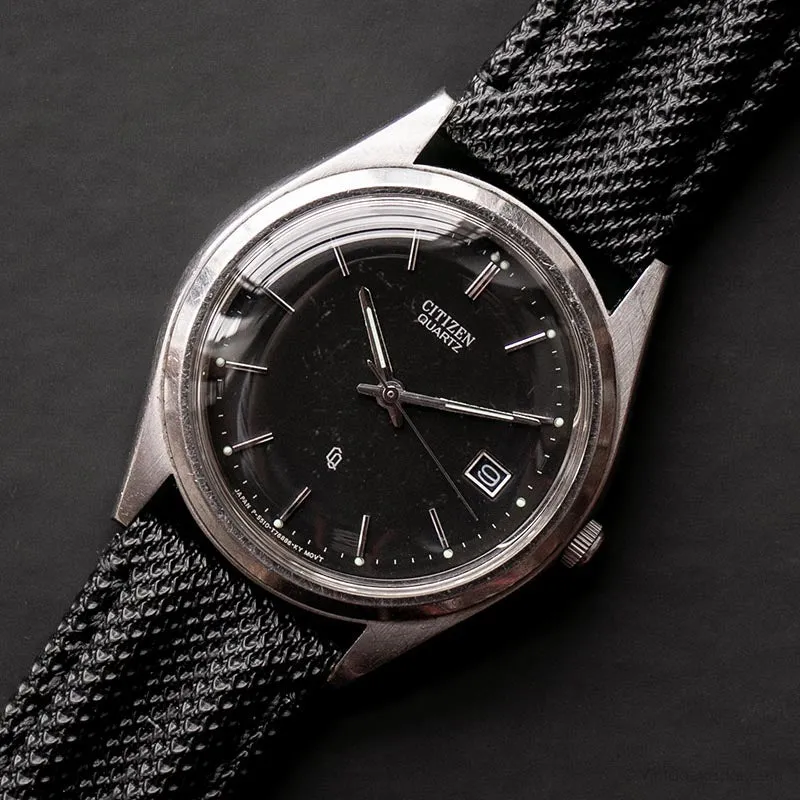
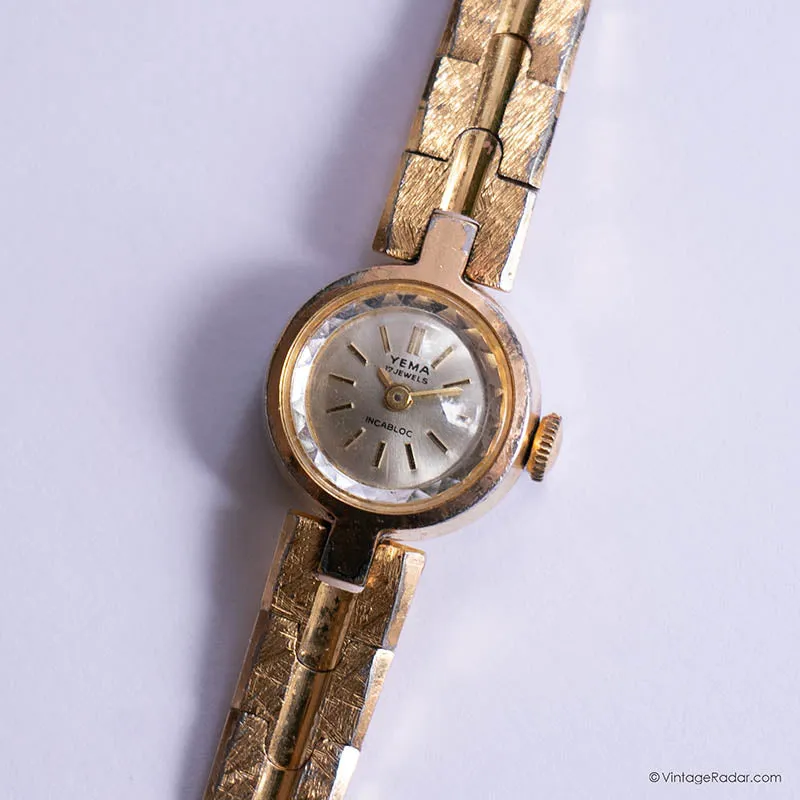
If you’re exploring other vintage timepieces, consider how brands like citizen watches, yema watches, or a caravelle watch compare in terms of heritage and parts availability.
Sizing, Wearability, and Practical Considerations
Pocket watches are measured in size (often expressed in lignes or millimeters) and weight. A 16-size (about 52 mm diameter) fits most vest pockets and offers good legibility, while 18-size watches are larger and heavier. Consider how you’ll carry it, on a chain, in a pocket, or displayed. Chains attach via a bow (the small loop at 12 o’clock) and should match the watch’s era and formality.
Test the crown and stem. Wind the watch gently, resistance or grinding means the stem or winding mechanism needs repair. Set the hands and confirm they move freely without touching the dial or crystal. A loose crown or wobbly stem is a common failure point that’s fixable but adds cost.
Practical fit checklist:
- Weight feels balanced for extended pocket carry
- Chain attachment is secure and doesn’t strain the bow
- Dial remains legible at arm’s length
- Case depth fits your pocket without bulging
Where to Buy and How to Secure the Best Deal
We recommend purchasing from reputable dealers, auction houses, or specialized retailers who offer return policies and authenticity guarantees. Online marketplaces provide selection but require careful vetting, request movement photos, ask about service history, and confirm return terms before buying. Estate sales and antique shops can yield bargains, but bring a loupe and knowledge or risk overpaying for damaged goods.
Grab the code for 10% off vintage timepieces on our store, where each piece is inspected and photographed in detail. Compare prices across sources, but remember that a slightly higher upfront cost for a serviced, authentic watch often saves money versus a cheap project that needs extensive repair. Whether you’re after a classic railroad piece or a quirky mid-century design, prioritize honest condition disclosure over rock-bottom pricing.
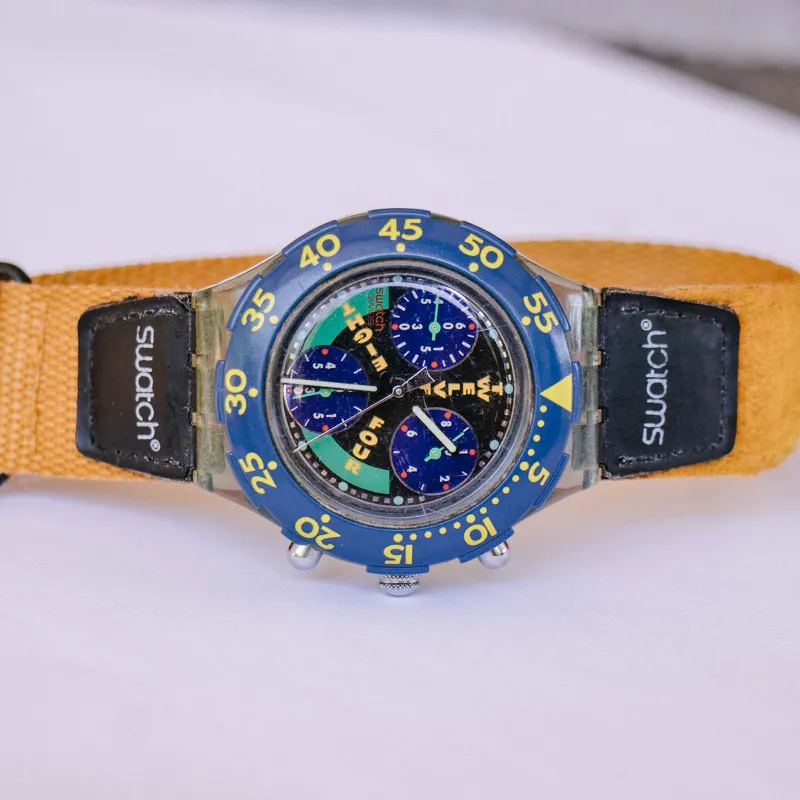
For modern alternatives with vintage charm, explore a swatch watch, casio watch, or anne klein watch: they deliver reliable quartz movements without the maintenance demands of antique mechanicals.
Questions
What is the difference between a mechanical and quartz pocket watch?
A mechanical pocket watch uses a spring-driven movement that requires regular winding and periodic servicing, while a quartz model runs on a battery and keeps more accurate time with minimal maintenance. Mechanical movements are favored by collectors for their craftsmanship and heritage.
How do I check if a vintage pocket watch is authentic?
Verify maker's marks on the dial, movement, and case, then cross-reference the movement serial number with manufacturer records. Mismatched components or incorrect signatures indicate a franken-watch assembled from parts, which reduces value and authenticity.
What case material holds the most value in a pocket watch?
Solid gold and solid silver cases hold intrinsic metal value and appreciate over time, while gold-filled and gold-plated cases wear through with use and have less resale appeal. Always check for hallmarks stamped inside the case back to verify material.
How often does a mechanical pocket watch need servicing?
Mechanical pocket watches typically need professional cleaning, lubrication, and adjustment every three to five years to maintain accuracy and prevent wear. Watches that haven't run in decades often require immediate servicing before they'll keep reliable time.
What size pocket watch is best for everyday carry?
A 16-size pocket watch (about 52 mm diameter) fits most vest pockets comfortably and offers good legibility without excessive weight. Larger 18-size models are heavier and better suited to display or formal occasions with sturdy chains.
Can I find affordable pocket watches that are still quality?
Yes, brands like Elgin, Waltham, and later Swiss makers produced millions of reliable pocket watches that remain affordable today. Focus on examples with clean movements and honest case condition rather than chasing rare complications or precious metals if budget is a priority.
Products in this guide
 Shopping at Vintage Radar? See the discount code
10% OFF All Orders
Shopping at Vintage Radar? See the discount code
10% OFF All Orders
More in this series
 Armitron Sport Digital Chronograph: How to Set All Functions and Alarms8 Aug 20265 minWhy Are Yema Watches Popular Among Vintage Collectors?8 Aug 20264 minDo Vintage Seiko Watches Keep Accurate Time After Decades?8 Aug 20265 min
 Citizen vs Casio: Which Watch Brand Offers Better Value for Everyday Wear?8 Aug 20264 minHow to Wind and Care for a Timex Mechanical Automatic Watch8 Aug 20265 min