 A ACOPOWER guide
2/0 Battery Cable for Van Life: When Your Setup Needs It and How to Wire It
A 2/0 battery cable is the backbone of reliable van life power systems, connecting your batteries to your inverter and chargers without voltage drop.
A 2/0 battery cable belongs in a van life setup when large currents flow between your house battery, an inverter, a battery isolator or a main bus bar. Thick cable keeps voltage drop and heat down on those short, heavy runs. Smaller loads, such as a 12V fridge, lights or a phone charger, do not need it, and running 2/0 everywhere only adds cost and weight. The right size comes from the current each circuit carries and how long the run is.
Why a van life setup uses 2/0 battery cable
Cable size is about current. The more amps a cable carries, and the longer the run, the thicker it needs to be. An undersized cable loses voltage along its length, which makes inverters shut down early and chargers work less well, and in the worst case it overheats and becomes a fire risk.
2/0 (said “two aught”) is one of the heavier gauges used in vehicles. It usually shows up on the main runs of a van electrical system:
- Between the house battery bank and the main fuse and disconnect
- From the bus bar to a large inverter
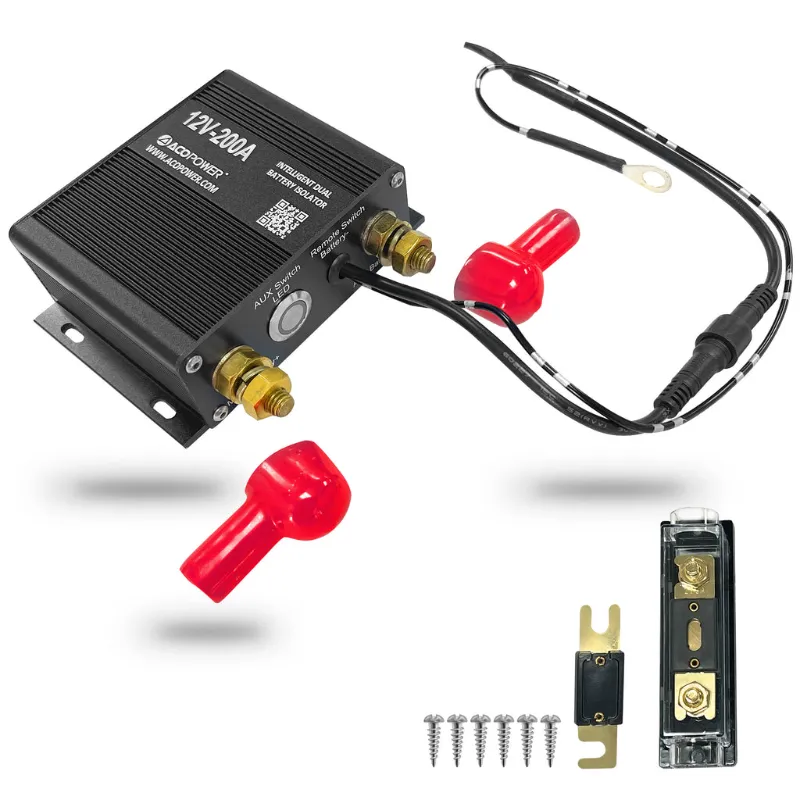
- Around a high-current ACOPOWER battery isolator that links the starter and house batteries
Understanding 2/0 battery cable amp rating
There is no single amp rating for 2/0 cable. The safe current (called ampacity) depends on the insulation’s temperature rating, whether the cable is bundled with others, whether it runs through a hot engine bay, and the length of the run. Always check the ampacity chart from the cable maker, or a published standard, for your exact cable and conditions.
To size a run, add up the highest current your equipment can draw or deliver on that circuit. An inverter’s peak draw is usually the largest number. Then check that figure against the cable’s rating and a voltage drop calculator for your run length. If you are close to the limit, go up a size or split the load.
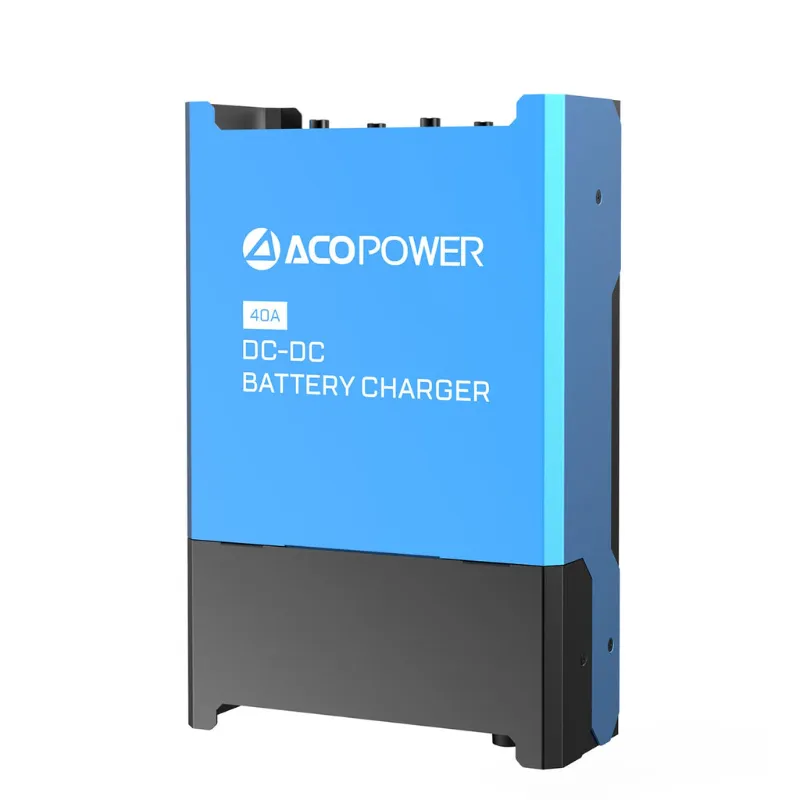
Not everything needs heavy cable. A 12V 40A DC to DC on-board battery charger or a 250 watt solar panel carries far less current than an inverter, so check each maker’s wiring guidance for the gauge they call for.
2/0 battery cable connectors and lugs
A heavy cable is only as good as its ends. Use copper lugs sized for 2/0 cable and for the stud they bolt onto, and crimp them with a proper hydraulic or hammer crimper, not pliers. Seal each crimp with adhesive-lined heat shrink to keep moisture out. Vibration in a moving vehicle is hard on joints, so crimped connections are the standard.
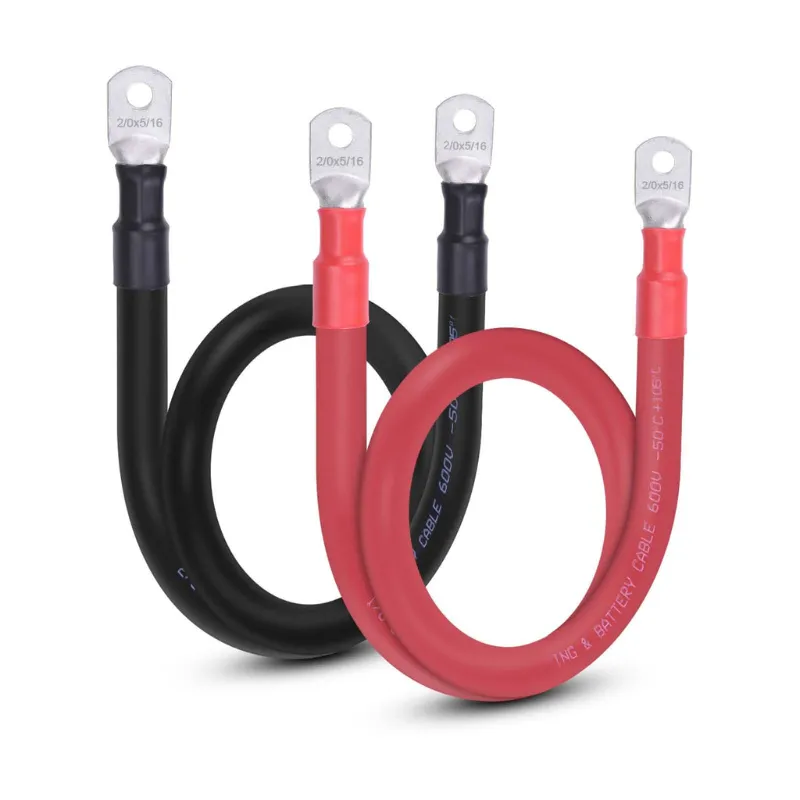
Common connection points include ring terminals on battery posts and bus bars, fuse holders and battery disconnect switches with studs that suit the lug size. The ACOPOWER 2/0 AWG flexible battery cable comes with 5/16 terminals already fitted, which saves crimping if the length and stud size match your layout. Some retailers also sell ready-made 2/0 AWG interconnecting copper cable and lug kits for short battery links.
How to wire 2/0 cable into your van
A simple, safe layout keeps the heavy cable short and the branches small:
- Fit a correctly rated fuse on the positive cable as close to the battery as you can.
- Add a battery disconnect switch so you can cut all power for work or in an emergency.
- Run 2/0 from the battery to a positive and negative bus bar.
- Feed the inverter from the bus bar with cable sized for its peak draw.
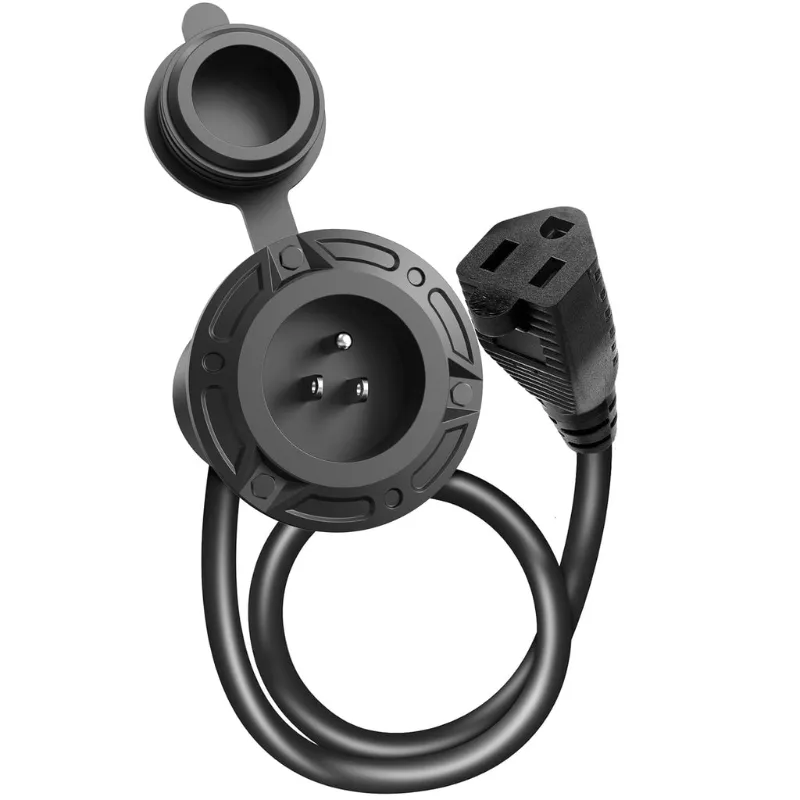
- Branch smaller, individually fused cables to the charger, solar controller, fuse box and outlets such as an ACOPOWER 15A AC port plug.
| Circuit | Cable size depends on |
|---|---|
| Battery to main fuse and bus bar | Total system current, usually the heaviest cable in the van |
| Bus bar to inverter | Inverter peak draw and run length |
| Starter to house battery link | Isolator or DC to DC charger rating |
| Fridge, lights, USB outlets | Small loads, much lighter wire on its own fuse |
Layout and cable management
Keep 2/0 runs as short as the layout allows, since length adds voltage drop. Route cables away from sharp edges, moving parts and heat, and protect them with split loom or conduit where they pass through metal. Secure them every so often so they cannot rub or flex at the lugs, and use rubber boots on exposed terminals.
Use red for positive and black for negative, and label both ends of each cable. It makes future upgrades and fault-finding much easier.
What runs on a van power system
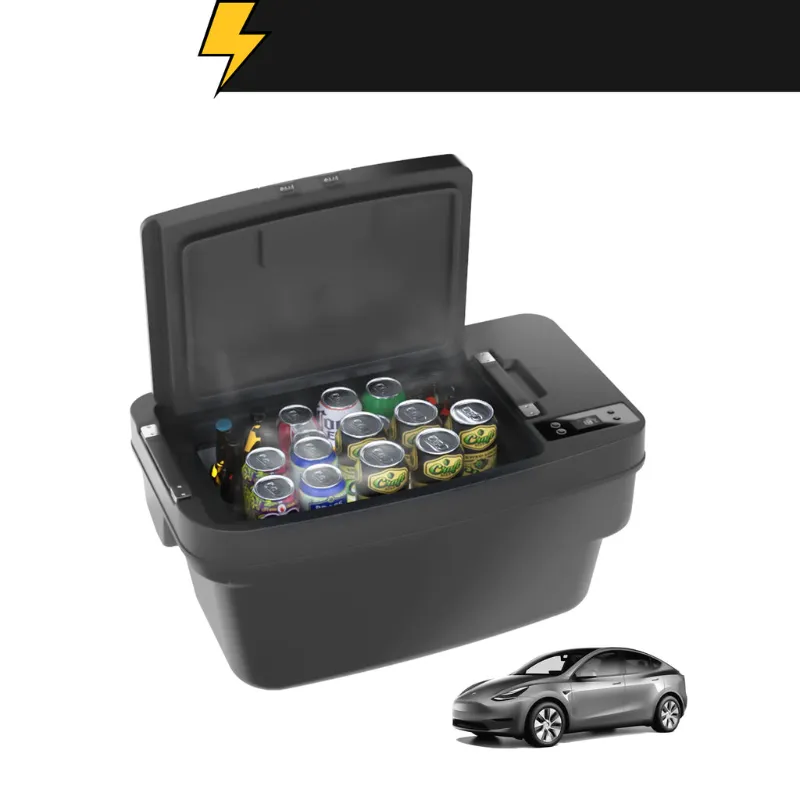
Most of what people power in a van draws modest current. A 12V fridge such as the ACOPOWER TesFridge T35 or a HY-VX18 car freezer runs on light wire from the fuse box. Heavier gear, like a large inverter, is what pushes a system toward 2/0 cable. If you want power without building a full system, a portable unit such as the ACOPOWER portable power station or a Li-Cube power system may suit you better.
Before you buy and install
Plan the layout first, measure each run, and dry-fit lugs before you cut cable. Check every component’s datasheet, and cross-check your cable against a reference such as this 2/0 gauge listing. If you are not confident with high-current DC wiring, have a qualified auto electrician check the work, since mistakes here can cause fires.
Before you order, see the current ACOPOWER discount code.
Questions
Does a van life setup need a 2/0 battery cable?
Only on the high-current runs, such as battery to main fuse, bus bar and a large inverter. Smaller loads like fridges and lights use much lighter wire.
What is the amp rating of a 2/0 battery cable?
It depends on the insulation temperature rating, bundling, heat and run length. Check the cable maker's ampacity chart for your exact cable and conditions rather than relying on a single figure.
Should I crimp or solder 2/0 battery cable lugs?
Crimp them with a proper crimping tool and seal with adhesive-lined heat shrink. Crimped joints are the standard for vehicles because they hold up to vibration.
Can I use 2/0 battery cable with a battery isolator?
Yes, if the isolator and its current rating call for it. Check the isolator's manual for the cable size it needs, and fuse both ends of any cable between two batteries.
Is 2/0 battery cable the same as 4 AWG?
No. 2/0 is much thicker than 4 AWG and can carry more current. Use the gauge your equipment and run length call for.
Products in this guide
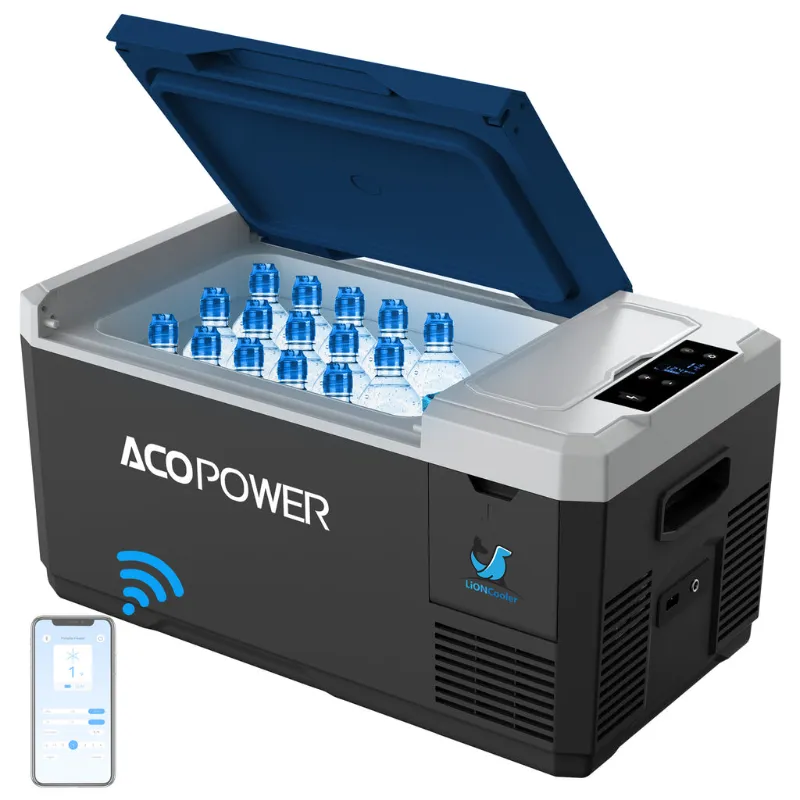
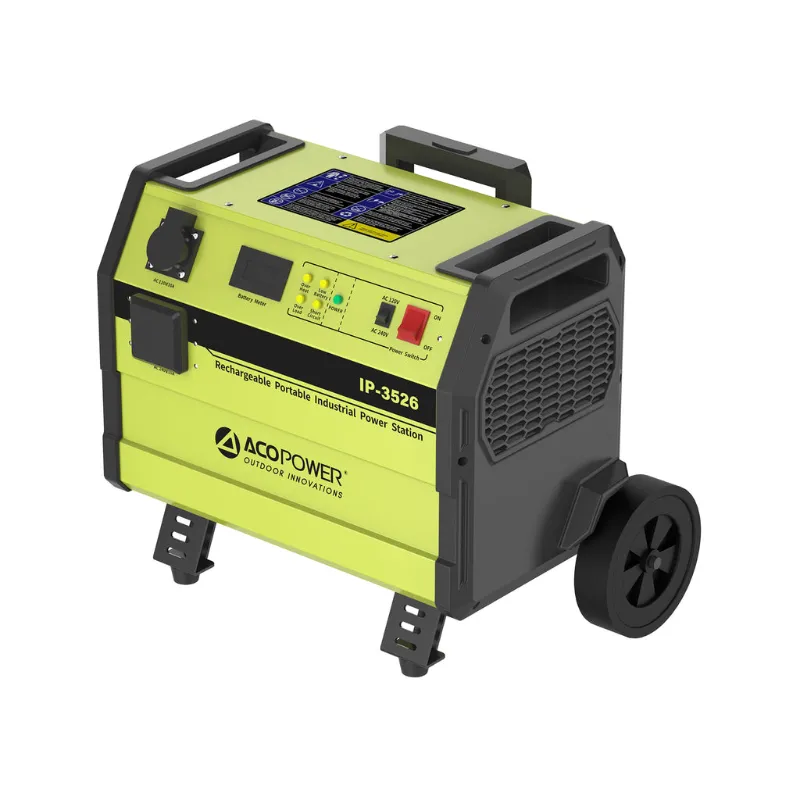
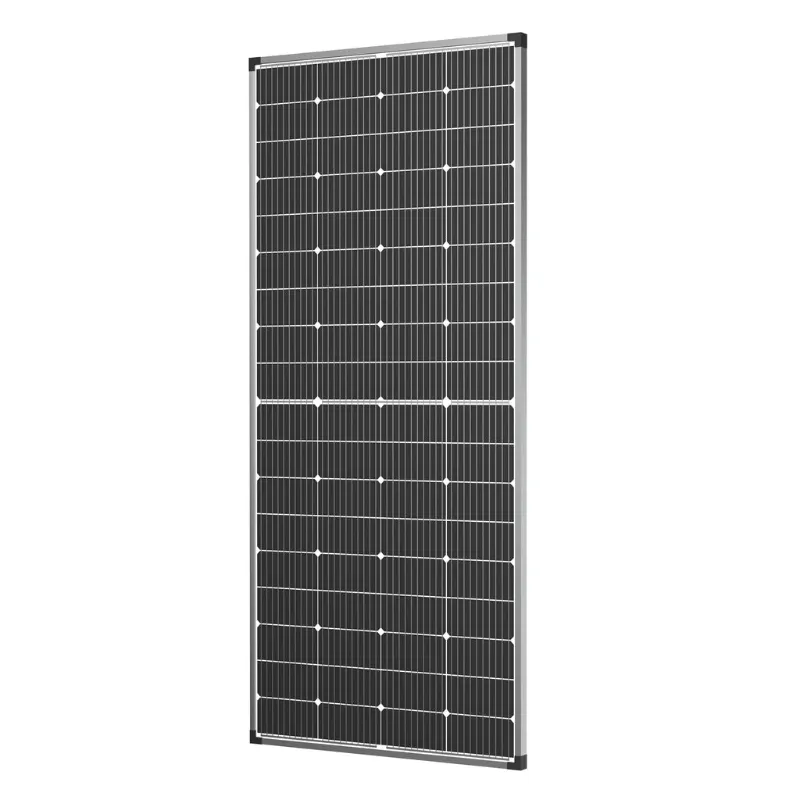 Shopping at ACOPOWER? See the discount code
10% OFF All Orders
Shopping at ACOPOWER? See the discount code
10% OFF All Orders
More in this series
Troubleshooting Your ACOPOWER Portable Generator: Common Issues and Fixes14 Sep 20265 minDC-DC Charger vs AC-DC Charger: Which Battery Charger Do You Need?14 Sep 20264 minBest Solar Panels for RV and Off-Grid Power: ACOPOWER 30W vs 250W14 Sep 20265 minHow to Wire a Battery Isolator for Dual Battery Systems14 Sep 20264 min