 A ACOPOWER guide
Troubleshooting Your ACOPOWER Portable Generator: Common Issues and Fixes
A power battery generator that won't turn on, charge, or deliver power usually has a simple fix—here's how to diagnose and resolve the most common issues.
Your power battery generator is built to handle off-grid power, backup charging for a portable freezer, or emergency home backup. When it stops working, the culprit is often something straightforward. This guide walks you through the most common issues and the specific fixes that work.
Power Battery Generator Won’t Turn On
If your ACOPOWER power battery generator won’t power up, start with these checks:
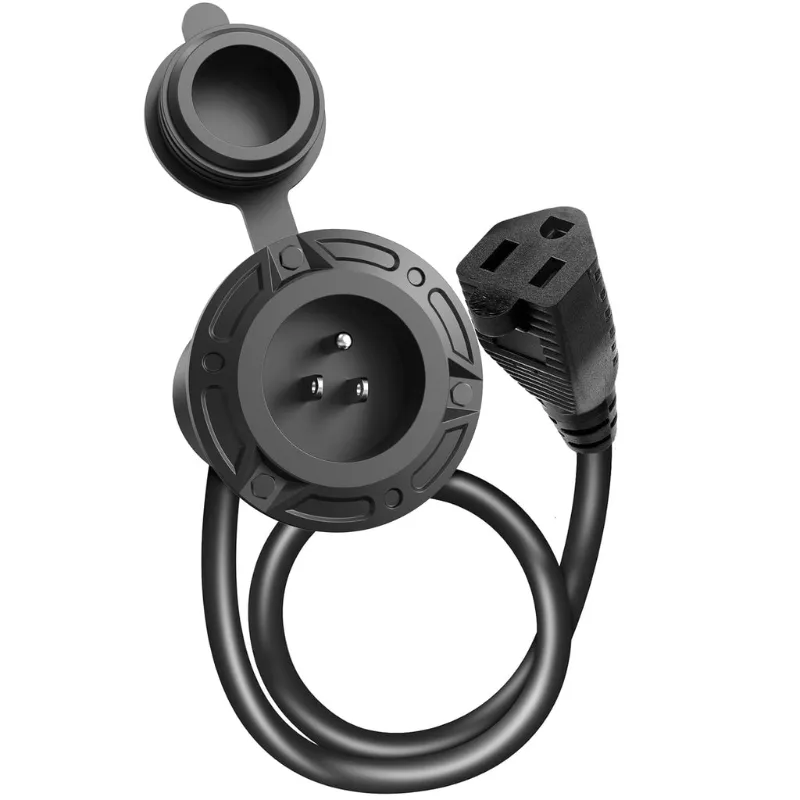
- Check the battery state. If the unit has been sitting unused for weeks, the internal battery may have drained completely. Plug it into AC power using an ac plug and let it charge for at least 2 to 4 hours before attempting to power on again.
- Look at the power button. Some units have a safety lock or require a double-press to activate. Hold the button for 2 to 3 seconds rather than a quick tap.
- Verify the load. If you’re trying to run high-wattage devices (like a car freezer or refrigerator) immediately after power-on, the unit may shut down as a safety measure. Start with smaller devices first.
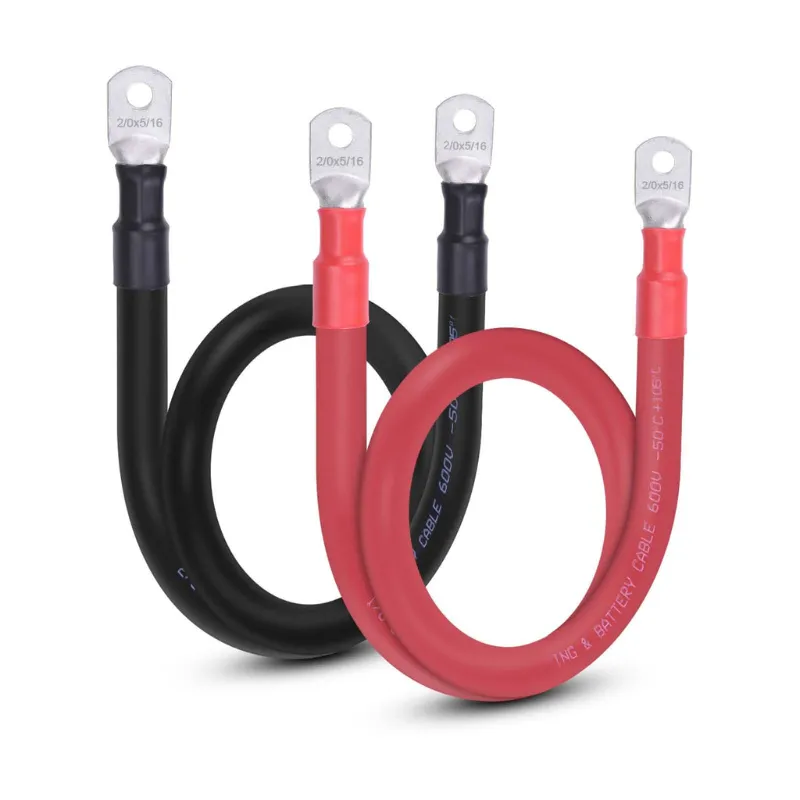
- Inspect cable connections. A loose or corroded 2/0 battery cable between the generator and your devices can prevent power delivery even though the unit is on.
If the unit still won’t turn on after these steps, the internal battery may need replacement. Contact ACOPOWER support with your purchase date and serial number.
Charging Issues and Slow Power Battery Generator Charge Times
A power battery generator that charges slowly or won’t charge at all usually has a straightforward cause:
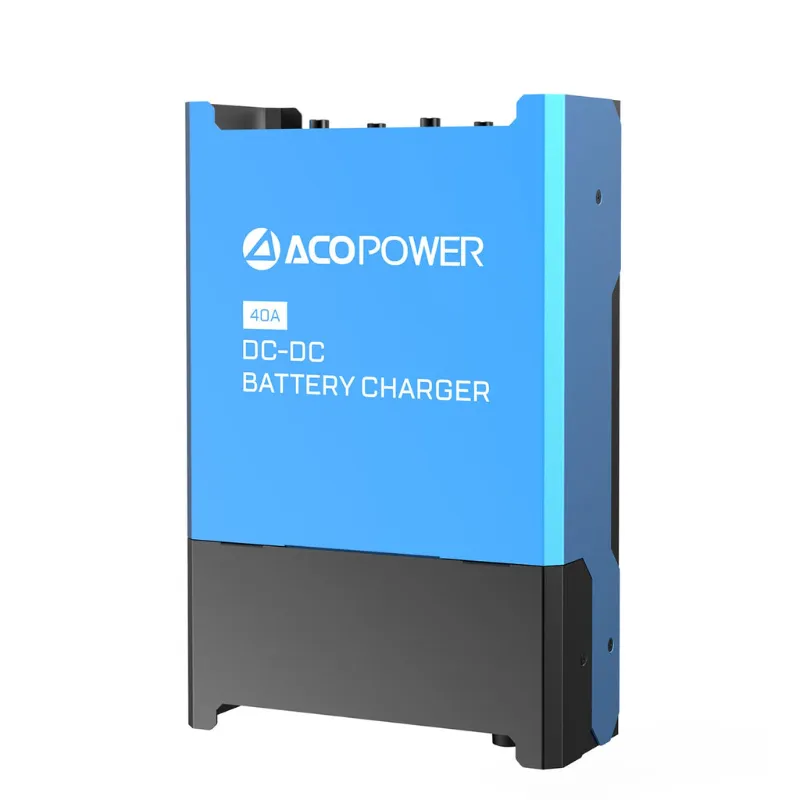
- Use the correct charger type. ACOPOWER units support multiple charging methods. A direct current battery charger charges faster than AC wall charging but requires compatible DC input. Match your charger to your unit’s specifications.
- Check AC outlet compatibility. If you’re using an ac plug adapter, confirm it matches your regional voltage (110V, 220V, etc.). Wrong voltage can prevent charging or damage the unit.
- Try a different outlet. Faulty wall outlets or outlet protection systems can cut charging. Test with another outlet in a different room.
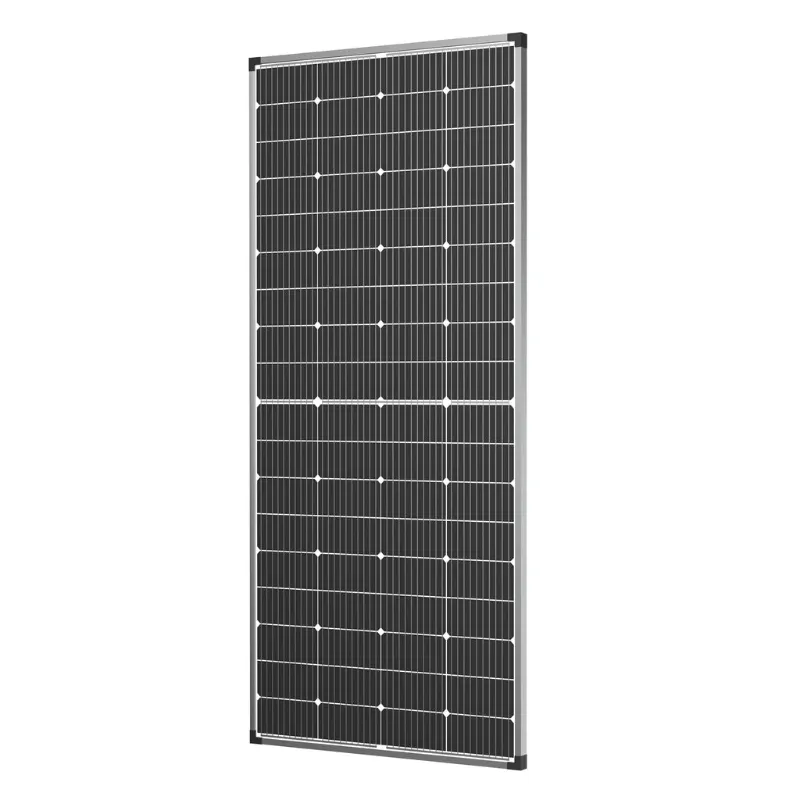
- Verify solar input. If charging via a 250 watt solar panel, make sure the panel is getting direct sunlight and the cable connections are secure. Cloud cover and dirt significantly reduce charge speed.
- Let the battery rest. If the unit was recently depleted, it may enter a protection mode for 30 minutes to an hour before accepting charge. Wait and try again.
Check the latest price for current ACOPOWER deals and confirm your charger matches your specific model.
No Power to Devices Even When Fully Charged
If your power battery generator is charged but won’t deliver power to your devices, the problem usually involves connections or settings:
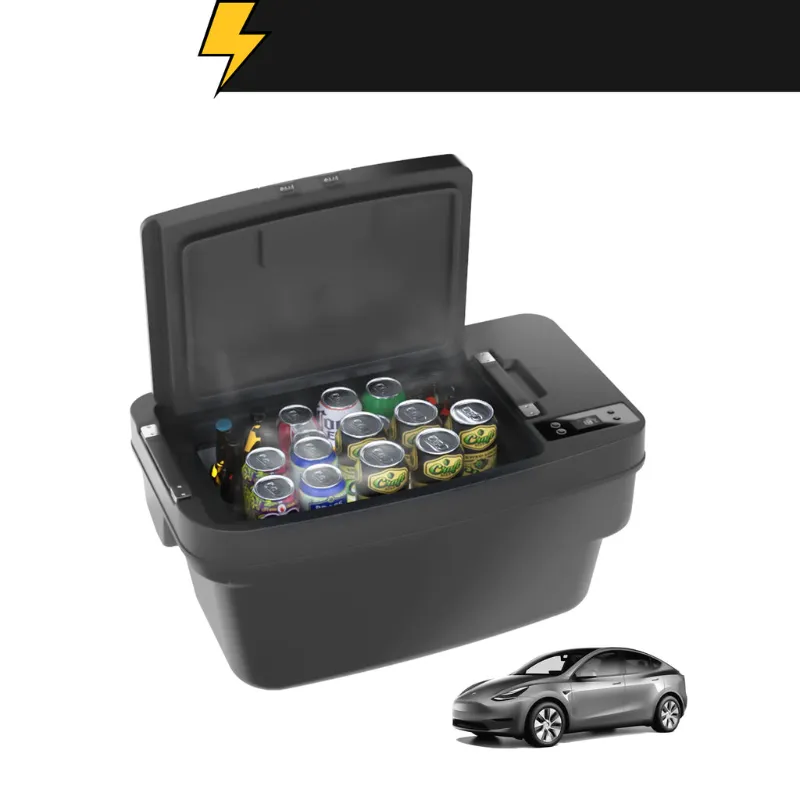
- Reseat all cables. The 2/0 battery cable and DC output cables can loosen from vibration or movement. Disconnect and reconnect each one firmly.
- Test the outlet ports individually. Many ACOPOWER units have multiple AC and DC outputs. Try plugging into a different port to isolate a dead outlet.
- Check load compatibility. A portable power station should handle most home devices, but try a simple device first (like a phone charger) to confirm basic power delivery works. A tesla fridge or high-draw appliance may exceed wattage limits.
- Look for an overload warning. Most units beep or flash an LED if they’ve shut down due to overcurrent. Disconnect the high-draw device and restart.
Power Battery Generator Shuts Down During Use
If your unit powers devices for a few minutes then cuts off, check these areas:
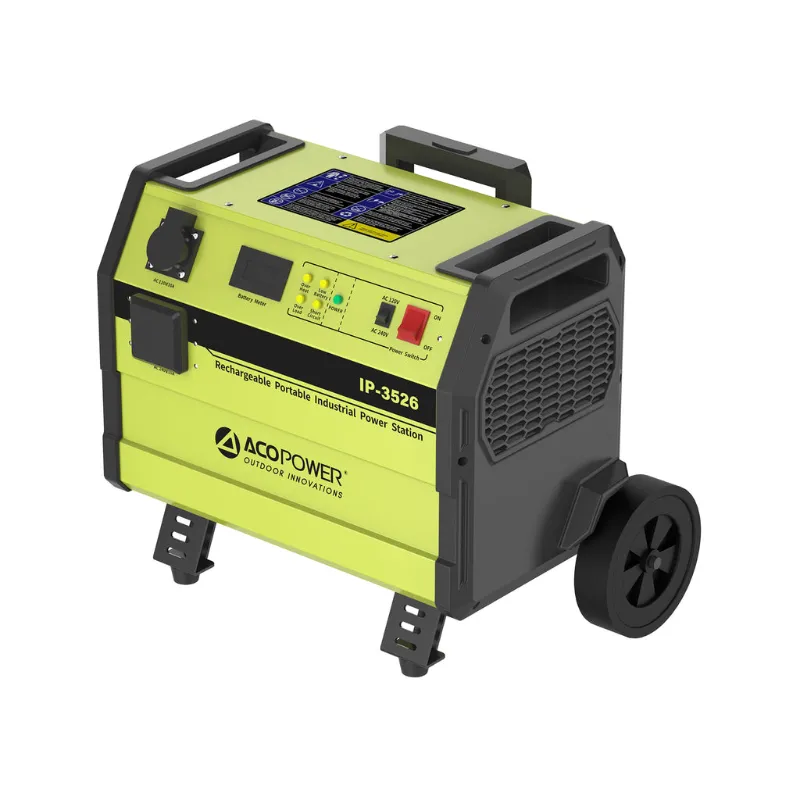
- Monitor remaining battery capacity. The power battery generator will shut down when the battery hits 5 to 10% to protect internal components. Recharge before using.
- Test inverter stability. Some devices (like older refrigerators or power tools) can cause voltage spikes that trigger automatic shutdowns. Try a different device to confirm.
- Ensure cooling airflow. If the unit has been running for an extended period, internal temperature sensors may activate shutdown to prevent overheating. Move the generator to a cooler location and try again after 10 minutes.
- Verify wattage draw. Use a watt meter or check your device’s power rating. If total draw exceeds your unit’s rated output, the system will cut power. Consider using a dc dc battery chargers or isolated power system like lib power for sensitive equipment.
Solar Charging and Expansion Setup Issues
A battery-powered generator for home backup often uses solar panels for continuous charging. If solar charging doesn’t work:
- Confirm panel angle and direction. A 250 watt solar panel needs 4 to 6 hours of direct midday sun to deliver meaningful charge. East or west-facing installations will charge slower.
- Check the MC4 connectors. These standardized solar connectors can loosen. Unplug and firmly reconnect the solar input cable.
- Test the panel itself. On a clear day, measure voltage directly at the panel with a multimeter. If you read 0V, the panel itself may be defective.
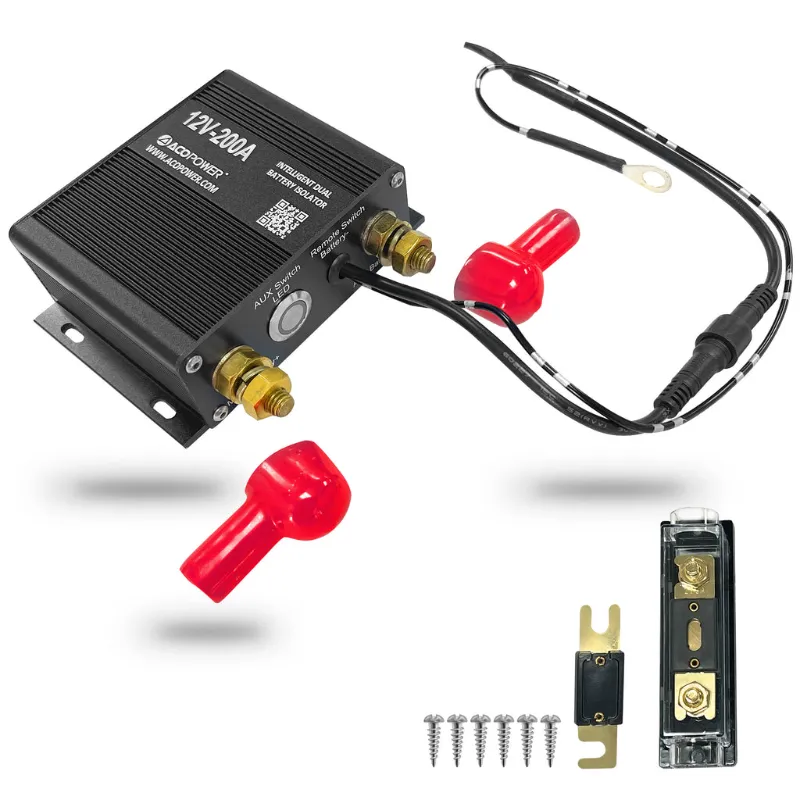
- Use a battery isolator or electric battery isolator if you’re running multiple power sources. These prevent backfeeding and charging conflicts.
Cooling Device Integration (Freezer and Fridge Support)
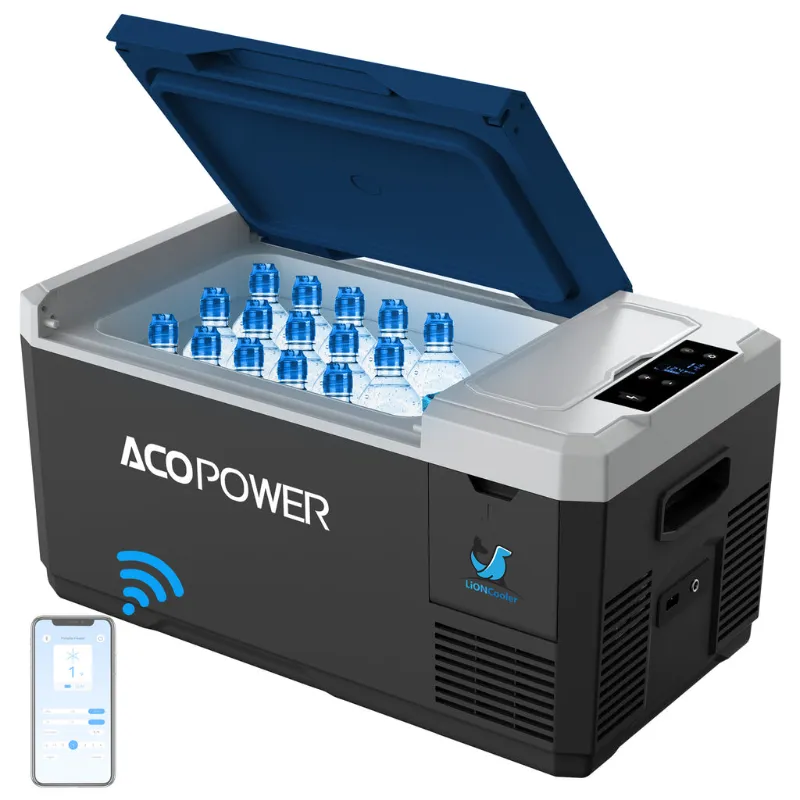
If you’re running a tesla cooler, car freezer, or tesla fridge from your portable power station, power cuts often relate to draw limits:
- Check fridge startup surge. Refrigerators draw 3 to 5 times their rated wattage when the compressor kicks on. A 400-watt fridge might need 1200+ watts available. Precool your tesla fridge before connecting.
- Prioritize the fridge. Use a dedicated power outlet and avoid running other devices simultaneously.
- Monitor runtime. A battery-powered generator for refrigerator use should be sized for at least 2 to 4 hours of fridge runtime, depending on ambient temperature and how often the door opens.
Compare your unit’s specs against your appliances’ actual needs. Check the latest price and bundle options to get the right portable power station capacity for your setup.
When to Contact ACOPOWER Support
If none of these steps resolve the issue, your power battery generator may need service:
- Note the exact error code or LED pattern displayed.
- Check your receipt or order confirmation for the serial number.
- Contact ACOPOWER directly with the model, serial number, purchase date, and a description of the issue.
- Most units carry a 2-year warranty covering manufacturing defects.
For best results and current deals on replacement parts or a new unit, grab the code to see what’s available today. Many common issues are preventable with proper use, so review your user manual if you haven’t already. A well-maintained portable power station will reliably deliver backup power, camping support, and emergency charging for years.
Questions
Why won't my power battery generator hold a charge?
If your unit loses charge when unplugged, the internal lithium battery may be aging or the BMS (battery management system) may need a reset. Try a full discharge cycle (run the unit until it powers off) followed by a full charge. If the problem persists after a few cycles, the battery likely needs replacement, contact ACOPOWER support.
Can I charge my power battery generator with a solar panel and AC power at the same time?
Yes, but use a battery isolator to prevent backfeeding. An electric battery isolator ensures current flows in only one direction, protecting both the solar panel and AC charger. Most ACOPOWER units handle dual-source charging, but confirm your specific model's manual first.
How do I know if my ac plug adapter is the right voltage?
Check the adapter label for input voltage (110V, 220V, etc.) and compare it to your wall outlet's rating. Using the wrong voltage can permanently damage the generator's internal charger. When in doubt, [grab the code](/acopower-discount-code/) and order the correct regional adapter from ACOPOWER.
Why does my power battery generator beep constantly?
Continuous beeping usually signals low battery (below 10%), high temperature, or an overload condition. Try disconnecting all devices, allowing the unit to cool for 10 minutes, then recharging. If beeping continues after a full charge, contact ACOPOWER, it may indicate a failing battery or inverter.
Can a power battery generator run a refrigerator full-time?
Most portable ACOPOWER units are designed for part-time fridge use (4 to 8 hours) rather than continuous operation. Refrigerators draw significant power when the compressor cycles, and a battery-powered generator for refrigerator use requires a capacity of at least 1500Wh for reliable overnight runtime. For longer periods, pair your generator with a 250 watt solar panel for continuous charging.
What's the difference between a dc dc battery chargers and a direct current battery charger?
A direct current battery charger converts AC wall power to DC for the generator. A dc dc battery chargers converts one DC voltage (like from a car's 12V outlet) to another voltage your generator needs. Choose based on your power source, wall outlets require DC chargers, vehicle charging requires DC-DC chargers.
Products in this guide
 Shopping at ACOPOWER? See the discount code
10% OFF All Orders
Shopping at ACOPOWER? See the discount code
10% OFF All Orders
More in this series
2/0 Battery Cable for Van Life: When Your Setup Needs It and How to Wire It14 Sep 20264 minDC-DC Charger vs AC-DC Charger: Which Battery Charger Do You Need?14 Sep 20264 minBest Solar Panels for RV and Off-Grid Power: ACOPOWER 30W vs 250W14 Sep 20265 minHow to Wire a Battery Isolator for Dual Battery Systems14 Sep 20264 min