 A ACOPOWER guide
DC-DC Charger vs AC-DC Charger: Which Battery Charger Do You Need?
A direct current battery charger powers auxiliary batteries from your vehicle or solar system, while AC-DC chargers require shore power—here's which one you need.
DC-DC Charger vs AC-DC Charger: Which Direct Current Battery Charger Do You Need?
A direct current battery charger powers auxiliary batteries from your vehicle or solar system, while AC-DC chargers require shore power, here’s which one you need. The choice depends on whether you’re charging on the road, at camp, or near an outlet.
Here’s how to pick the right one for your power needs.
What is a Direct Current Battery Charger?
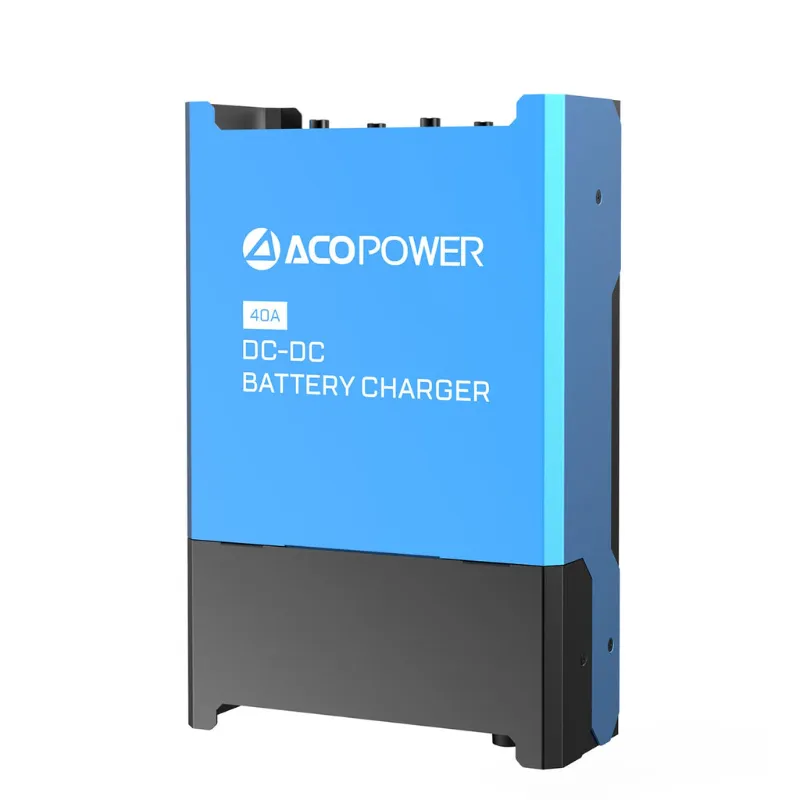
A direct current battery charger converts power directly from your vehicle’s alternator or a solar source into usable energy for auxiliary batteries. It’s the workhorse of mobile power systems.
DC-DC chargers are also called dual battery chargers because they isolate and charge a second battery while your vehicle runs. ACOPOWER’s dc dc battery chargers handle 12V and 24V systems and work with lithium, LiFePO4, and lead-acid batteries.
The core advantage: your direct current battery charger keeps working wherever your vehicle goes. No outlet needed. When you’re boondocking or traveling remote terrain, DC charging is the only option.
How AC-DC Chargers Differ
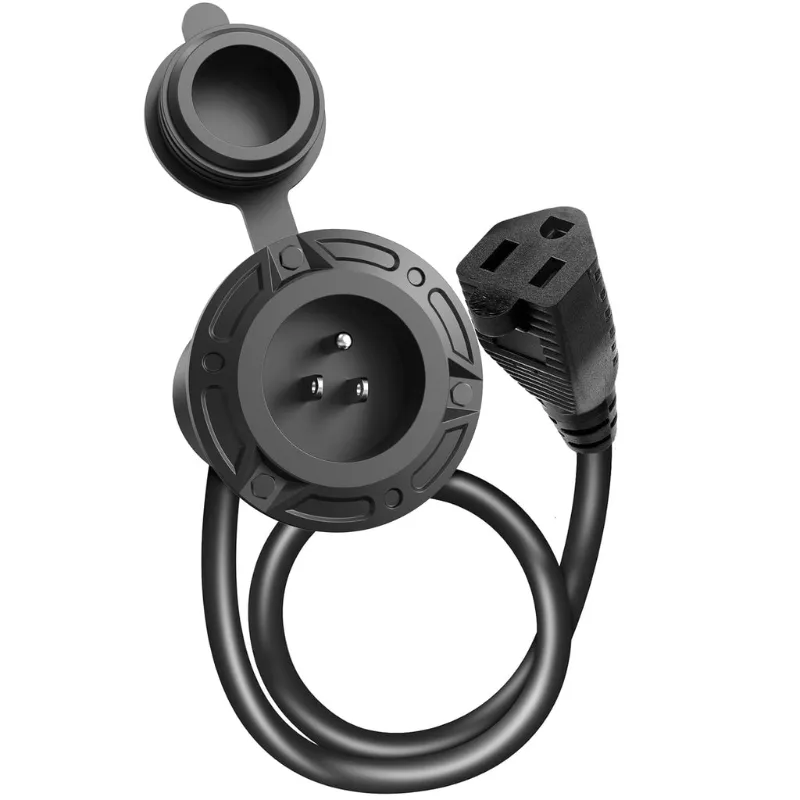
An AC-DC charger plugs into a standard wall outlet (via an ac plug) and converts 110-120V AC power into DC power for your batteries. These chargers are built for stationary use at campsites with hookups, home garages, or RV parks.
AC-DC chargers typically charge faster than DC-DC models because they tap a larger power source. If you’re parked at a campground with shore power or charging at home, an AC-DC charger is simpler and often cheaper.
The tradeoff: you’re tethered to an outlet. For full-time travelers or remote adventures, AC-DC chargers alone won’t cut it.
DC-DC vs AC-DC: A Quick Comparison
| Feature | DC-DC Charger | AC-DC Charger |
|---|---|---|
| Power source | Vehicle alternator or solar | Wall outlet (AC power) |
| Mobile charging | Yes | No (needs hookup) |
| Setup complexity | Requires wiring; isolates batteries | Simpler plug-and-play |
| Speed | Moderate (vehicle-dependent) | Faster (larger power source) |
| Best for | Remote travel, off-grid | Campgrounds, home garages |
Most serious mobile power users run both. A direct current battery charger handles daily driving and off-grid time, while an AC-DC charger tops off at camp. ACOPOWER offers both types so you’re covered either way. Check the latest price and grab the 10% OFF code.
DC-DC Charger Wiring and Setup
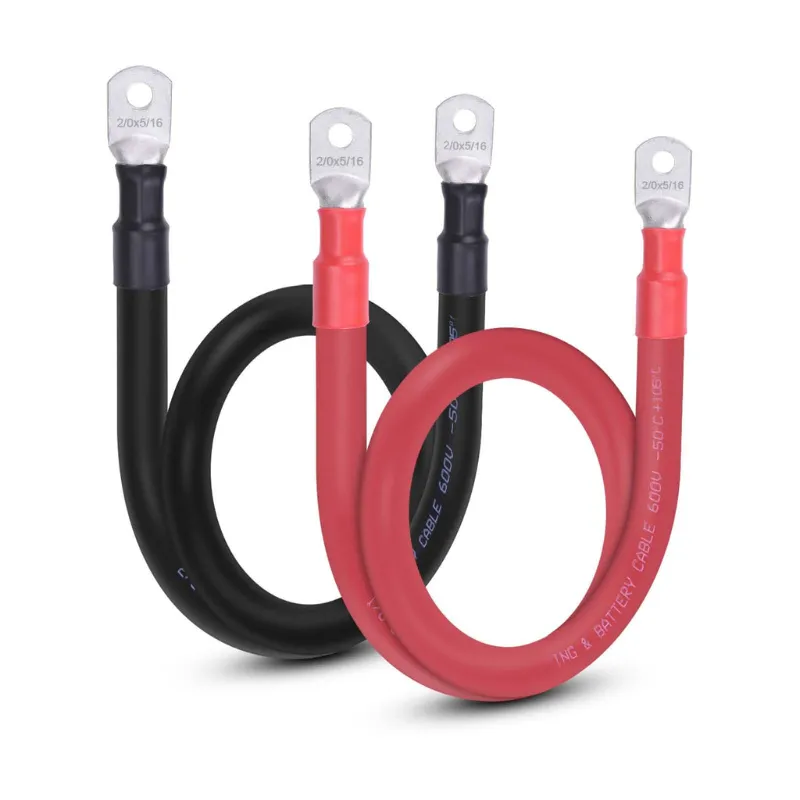
Installing a direct current battery charger means wiring your auxiliary battery, isolator, and vehicle’s charging system together. You’ll need a quality 2/0 battery cable to handle the current safely.
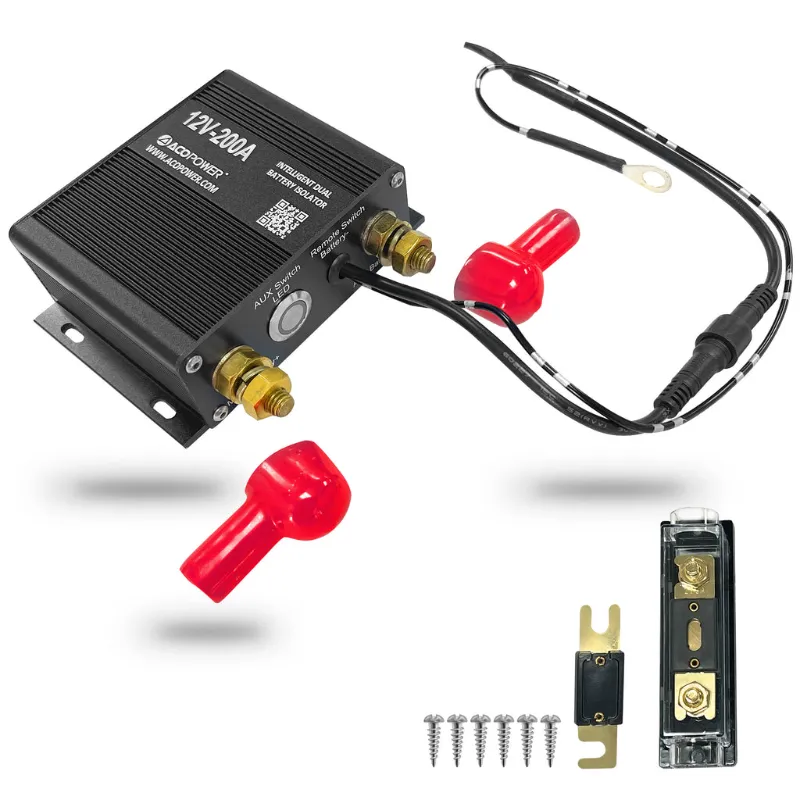
A battery isolator sits between your main and auxiliary batteries. It lets your alternator charge both batteries while driving, then isolates them when the engine stops so your aux battery doesn’t drain your starter battery.
The wiring diagram for a dc to dc battery charger wiring diagram typically shows:
- Positive cable from alternator to isolator input
- Isolator output to auxiliary battery positive
- Negative (ground) cables to a solid chassis or battery terminal
This setup ensures your direct current battery charger works safely under load without draining your vehicle’s starting power.
Lithium and LiFePO4 Compatibility
Modern dc dc battery chargers support lithium chemistry batteries, including 12v dc to dc lithium battery charger profiles. ACOPOWER chargers include selectable voltage curves for LiFePO4, lithium, and lead-acid.
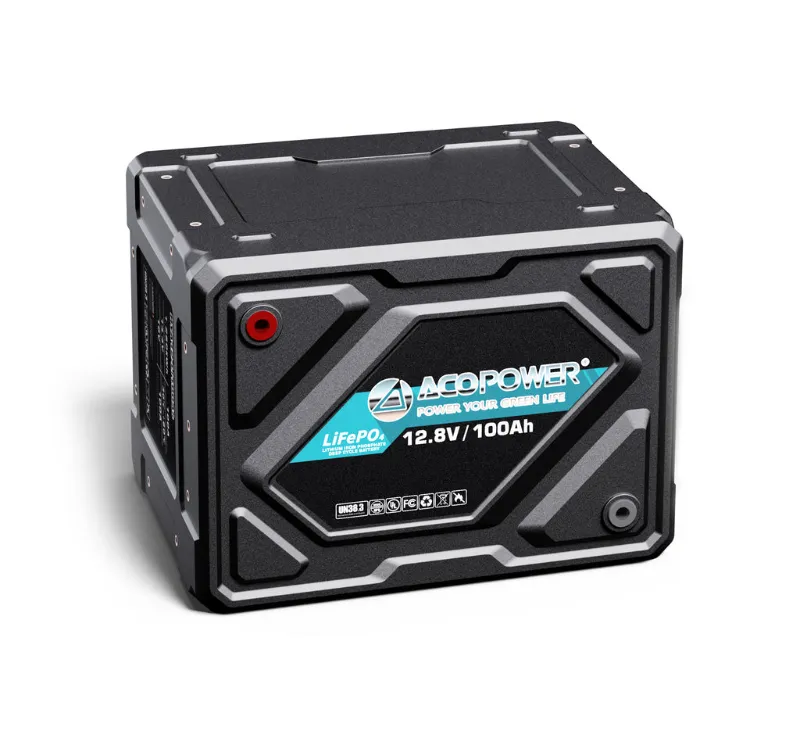
A dc to dc charger lifepo4 setup charges faster and more efficiently than lead-acid because lithium batteries accept higher charge rates. If you’re running a lib power system or a portable power station, confirm your charger supports that chemistry before buying.
Lead-acid auxiliaries work with any DC charger, but they charge slower and require temperature compensation in cold climates. Lithium is worth the upgrade for reliability and cycle life.
Pairing Your Charger with Solar
A dc to dc charger with solar input combines the best of both worlds: charging from your alternator while driving and from panels while parked.
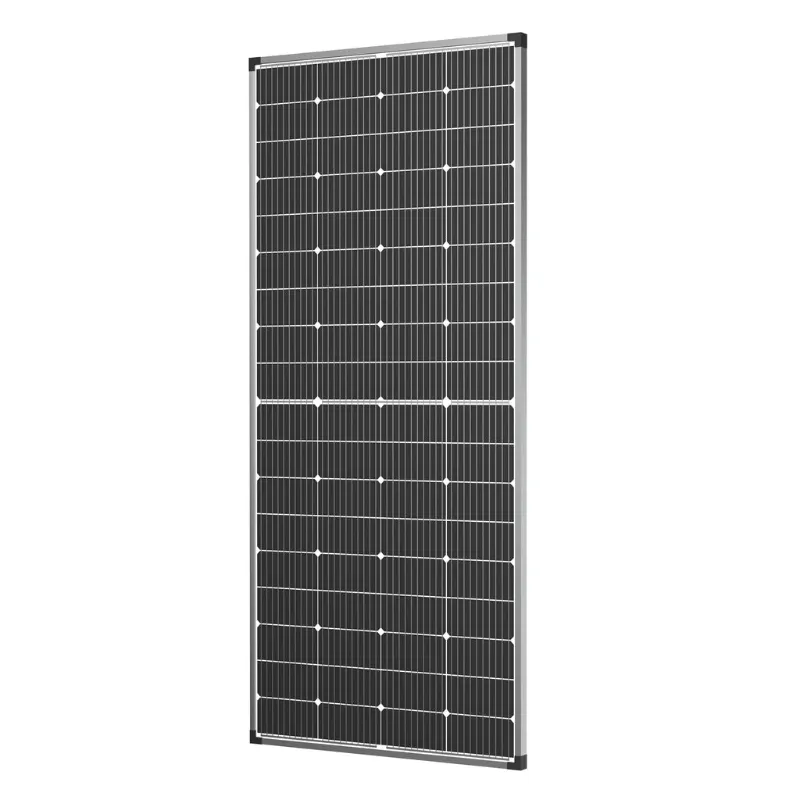
ACOPOWER’s 250 watt solar panel pairs well with a direct current battery charger system. Wire your panels to a charge controller, then run that output into your DC charger. You’ll charge whenever the sun is up, no alternator needed.
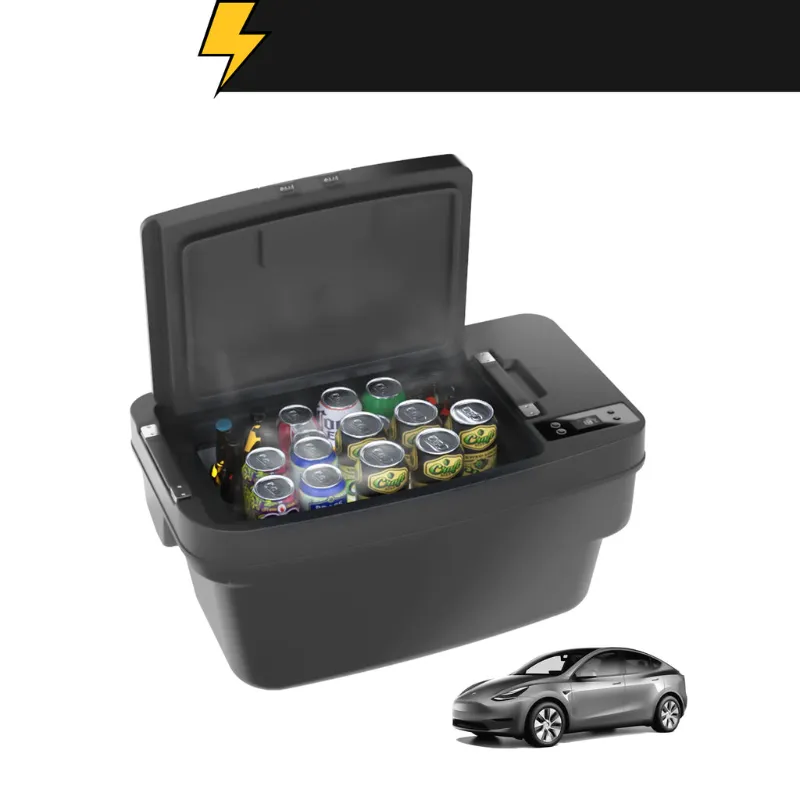
This setup powers everything from a tesla cooler or tesla fridge to run lights and devices during camp days. Many van lifers and RV owners combine this with a power battery generator for backup when neither the sun nor engine are running.
For deeper technical details on how dual battery systems work, see BCDC Dual Battery Chargers and What is a DC-DC Battery Charger: All You Need to Know.
Which Charger Type Should You Buy?
Choose a direct current battery charger if you travel often, camp off-grid, or rely on your vehicle’s alternator. A DC-DC system pays for itself through independent charging and reliability.
Choose an AC-DC charger if you mostly park at developed campgrounds or charge at home. It’s simpler to install and faster, but only works near outlets.
The honest answer: most mobile power users need both. A direct current battery charger handles the road and remote camps, while an AC-DC option tops off when you have hookups. ACOPOWER stocks both types. Grab the code for 10% off all orders and build the system that fits your adventure.
Sizing Your DC Charger
A direct current battery charger’s output is measured in amps. A 50A DC charger pulls 50 amps from your alternator, while a 100A pulls more. Larger vehicles with higher-output alternators (typically 130A+) can handle 100A chargers comfortably.
Match the charger size to your auxiliary battery bank. A 200Ah lithium battery charges faster with a 100A charger than a 50A. For lead-acid, 50A is often enough because they accept lower charge rates safely.
Check your vehicle’s alternator output first. Undersizing loses charging efficiency; oversizing risks draining your starter battery if both run flat. ACOPOWER’s specs include compatibility charts so you pick the right fit.
Questions
What is the difference between a direct current battery charger and an AC-DC charger?
A direct current battery charger draws power from your vehicle's alternator or solar panels and works on the road. An AC-DC charger plugs into a wall outlet and only works when you're parked at a location with shore power. DC chargers are for mobile use; AC-DC chargers are for stationary charging.
Can I use a DC-DC charger with lithium batteries?
Yes. Most modern DC-DC chargers, including ACOPOWER's, support LiFePO4 and lithium chemistries. They include selectable voltage profiles so the charger matches your battery type safely and efficiently.
Do I need both a direct current battery charger and an AC-DC charger?
Not always, but most mobile power users do. A DC charger handles remote travel and daily driving, while an AC-DC charger is convenient for charging at campgrounds or home. Your needs depend on where and how often you travel.
What size alternator do I need for a direct current battery charger?
A 130A alternator handles most 50A to 100A DC chargers comfortably. Undersized alternators will charge slower and drain starting power. Check your vehicle's alternator spec and match it to the charger's current rating.
Can I use a dc to dc charger with solar panels?
Yes. Wire your solar panels to a charge controller, then connect that output to your DC charger's input. This lets you charge while parked in the sun, independent of your alternator.
What cable size do I need for a direct current battery charger installation?
A 2/0 battery cable is standard for most auxiliary battery systems and handles high current safely. Cable size depends on the charger's amp rating and distance from the battery; oversizing is safer than undersizing.
Products in this guide
 Shopping at ACOPOWER? See the discount code
10% OFF All Orders
Shopping at ACOPOWER? See the discount code
10% OFF All Orders
More in this series
Troubleshooting Your ACOPOWER Portable Generator: Common Issues and Fixes14 Sep 20265 min2/0 Battery Cable for Van Life: When Your Setup Needs It and How to Wire It14 Sep 20264 minBest Solar Panels for RV and Off-Grid Power: ACOPOWER 30W vs 250W14 Sep 20265 minHow to Wire a Battery Isolator for Dual Battery Systems14 Sep 20264 min