 A LAMAV guide
How to Use Jojoba Oil on Your Face Without Breaking Out
Using jojoba oil for skin correctly prevents clogged pores and breakouts when you follow the right prep, application, and layering steps.
How to Use Jojoba Oil for Skin Without Breaking Out
Jojoba oil for skin works beautifully when applied to damp, freshly cleansed skin in small amounts, but poor timing or dirty tools can trigger breakouts instead of the glow you’re after. This guide walks you through each step so you get the hydration and barrier support without the congestion.
Why Jojoba Oil Can Cause Breakouts (and How to Avoid Them)
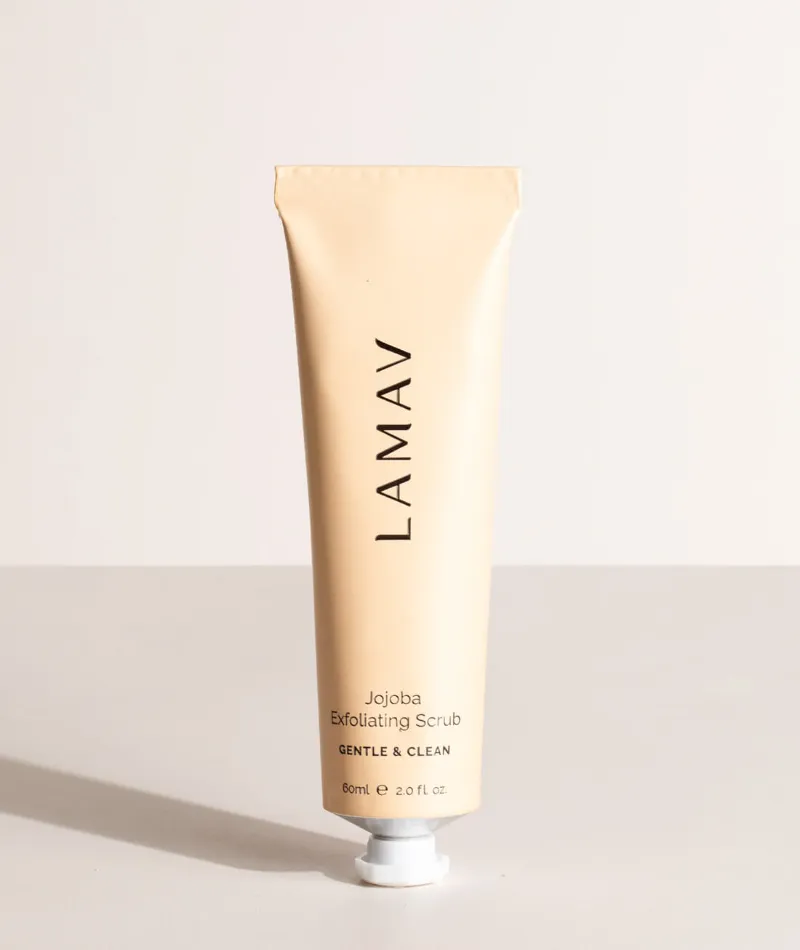
Jojoba oil for skin mimics your skin’s natural sebum, which is why it absorbs so well. But that same compatibility means it can trap dirt, makeup residue, or dead cells if your skin isn’t properly prepped. The most common mistake we see is applying oil to unwashed skin or using too much at once.
Breakout triggers to watch for:
- Applying oil over makeup or sunscreen residue
- Skipping exfoliation when you have flaky or congested skin
- Using more than 3-4 drops for your entire face
- Transferring bacteria from dirty hands or applicators
- Layering it under occlusive products that seal in impurities
The molecular structure of simmondsia jojoba is technically a wax ester, not a triglyceride oil, so it sits on the skin differently than coconut or olive oil. According to research on jojoba chemistry, this structure allows it to regulate sebum production rather than add to it, but only when the skin barrier is clean and intact.
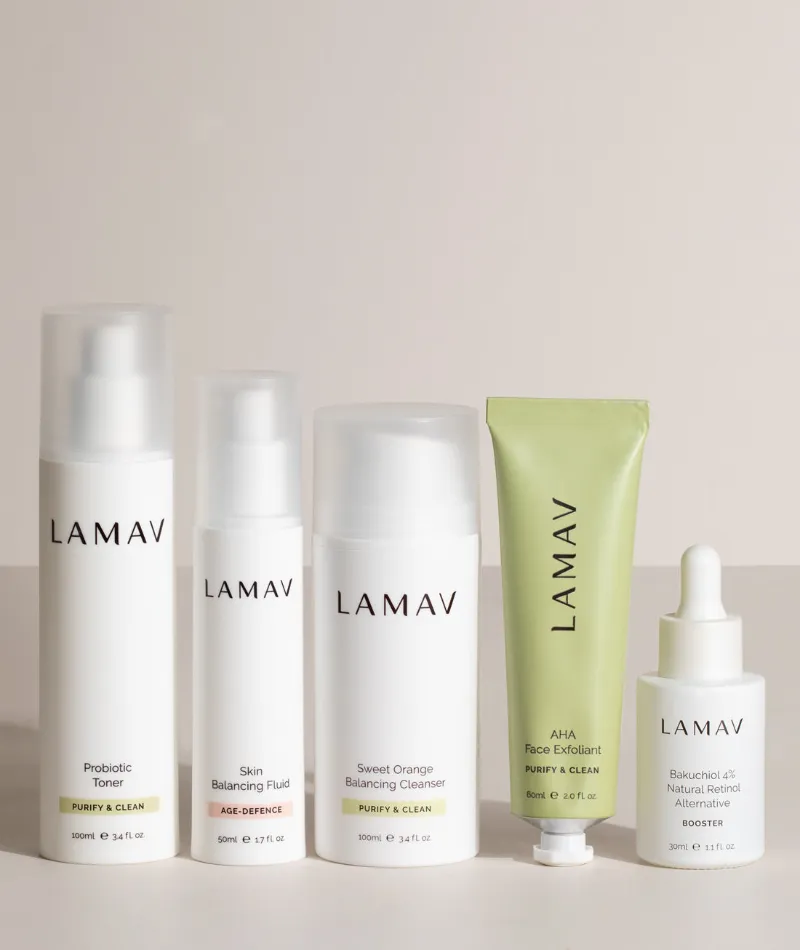
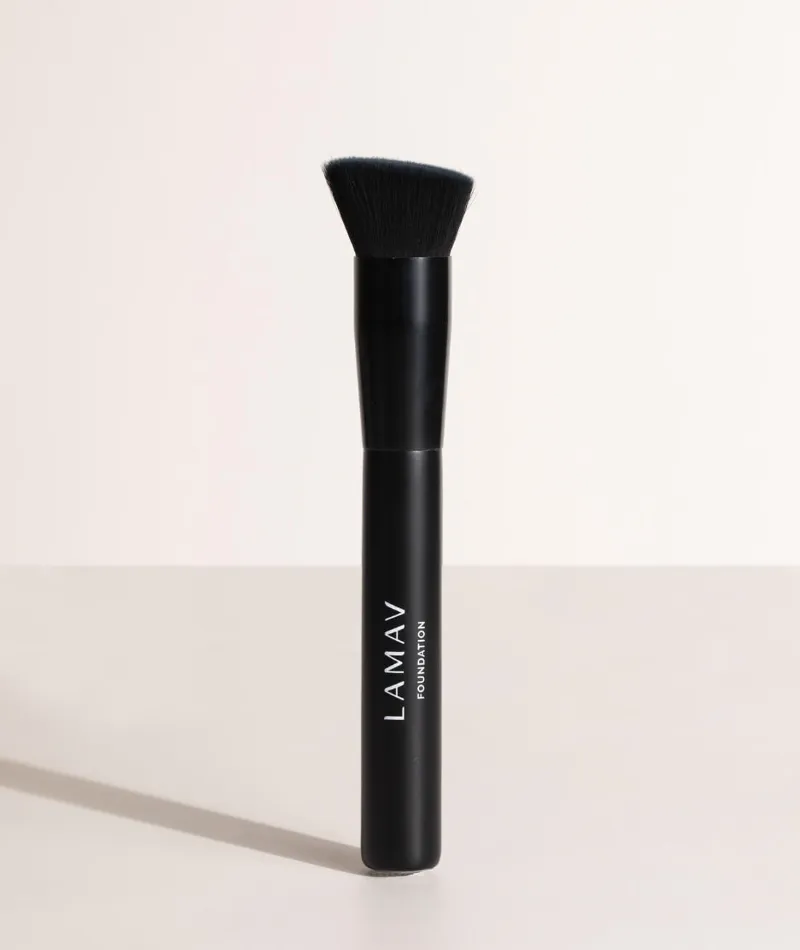
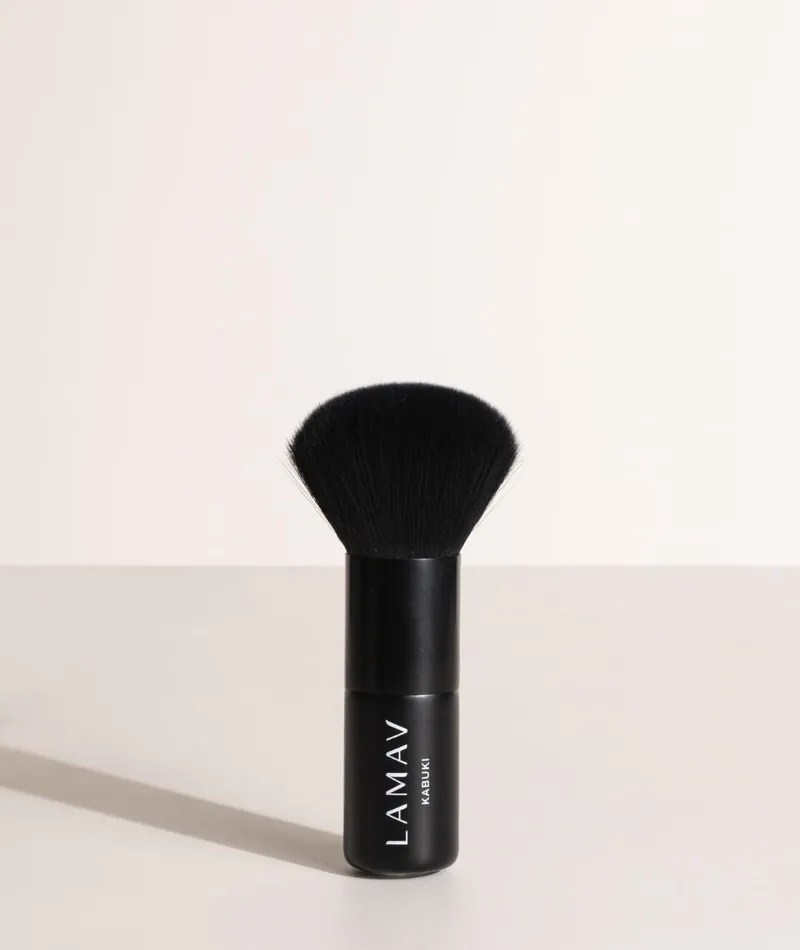
If you’re prone to bacterial acne, double-cleanse before application and sanitize any tools that touch your face, including vegan cosmetic brushes used for makeup removal.
Step-by-Step: How to Use Jojoba Oil for Face Without Clogging Pores
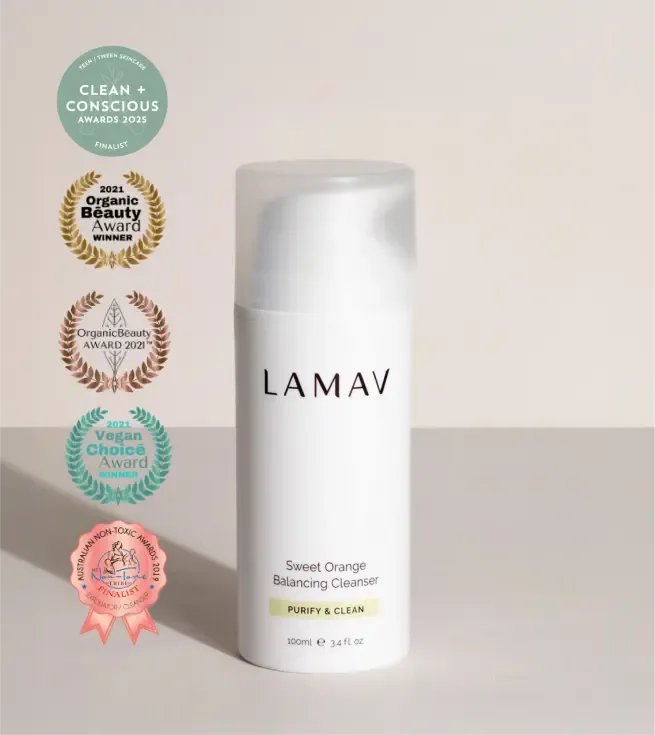
1. Cleanse thoroughly Start with a gentle cleanser like orange face wash to remove surface oils and debris. If you wore makeup or SPF, double-cleanse: use an oil-based cleanser first, then a water-based one. Pat skin until it’s damp, not dripping.
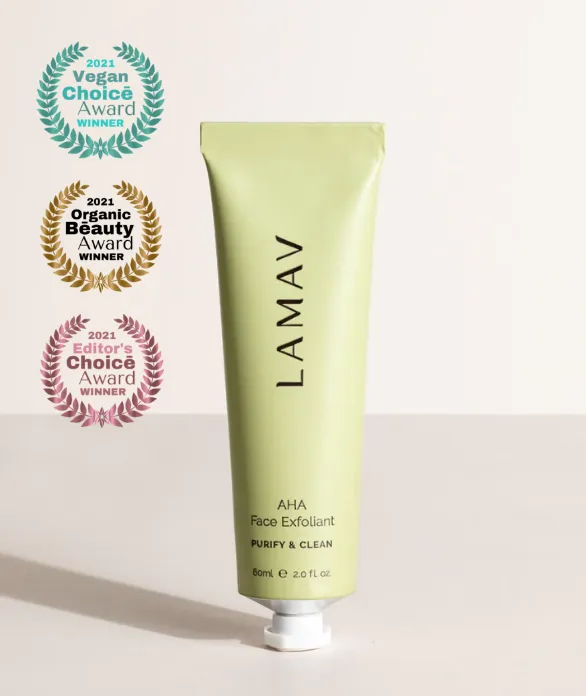
2. Exfoliate 2-3 times per week Dead skin cells mixed with oil create the perfect environment for clogged pores. Use an aha scrub exfoliator twice weekly to keep your skin smooth and receptive. Skip exfoliation on the same night you introduce jojoba if you’re new to either product.
3. Apply to damp skin Dispense 2-3 drops of oil into your palm (4 drops maximum for dry skin). Rub your hands together to warm it, then press (don’t rub) onto your face and neck. Damp skin helps the oil spread further and absorb faster, so you use less product overall.
4. Use clean hands or tools Dirty fingers transfer bacteria that jojoba can seal into your pores. Wash your hands first, or apply with a clean spatula. If you use vegan makeup brushes to blend the oil, wash them after every use.

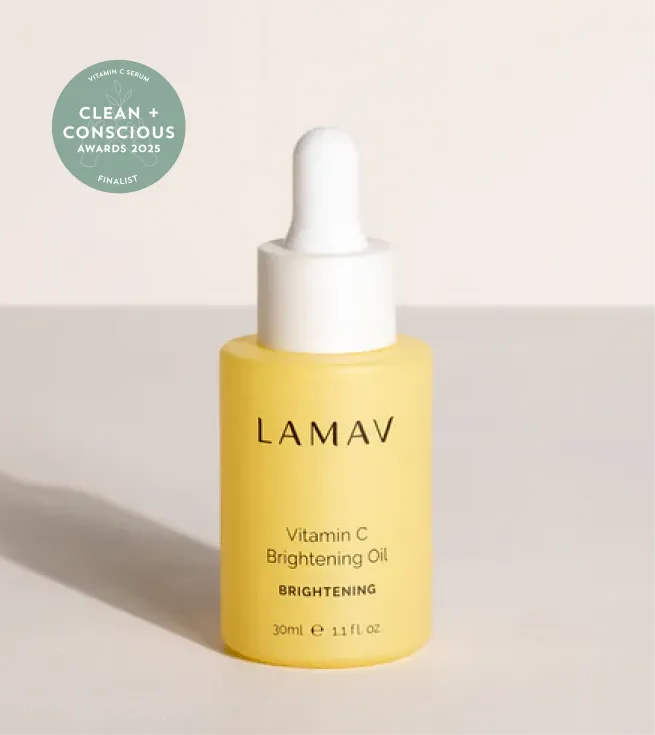
5. Layer correctly Jojoba goes on *after* water-based serums (like benefits of vitamin c serum) but *before* heavy creams. If you’re using a retinol alternative like herbivore bakuchiol retinol alternative hand cream, apply the cream first, wait five minutes, then seal with jojoba.
Check the latest price and grab our exclusive discount code before you stock up.
Jojoba Oil Benefits for Different Skin Types
| Skin Type | How It Helps | Frequency |
|---|---|---|
| Oily / Acne-Prone | Balances sebum production, dissolves existing oil buildup | Every other night |
| Dry / Flaky | Locks in moisture, strengthens barrier, reduces tightness | Twice daily |
| Combination | Hydrates dry zones without overloading T-zone | Once daily (targeted) |
| Sensitive | Non-irritating, anti-inflammatory, rich in vitamin E | Start 2x weekly |
For oily skin, jojoba oil for skin benefits include signaling your sebaceous glands to slow down oil production. Healthline notes that consistent use can reduce surface oiliness over 4-6 weeks, but you need to start slow (once every other night) to avoid overwhelming your skin.
If you have combination skin, apply jojoba only to your cheeks, jawline, and any dry patches. Your T-zone may not need it unless you’ve just exfoliated or used a drying treatment.
How to Patch Test and Adjust Your Routine
Even though jojoba is one of the gentler oils, individual reactions vary. Before you commit to full-face application, patch test on your jawline for 48 hours. Apply a single drop to a small area after cleansing, then monitor for redness, itching, or new bumps.
Signs it’s working:
- Skin feels soft but not greasy within 10 minutes
- No new breakouts after one week of use
- Existing dry patches improve
- Makeup applies more smoothly the next morning
Signs to adjust:
- Breakouts appear in areas where you applied oil → reduce frequency or amount
- Skin feels tight after absorption → layer a lightweight moisturizer on top
- No change after three weeks → you may need a richer oil like camellia seed oil
If you’re introducing other actives at the same time, like an aha scrub exfoliator or vitamin C, isolate each product. Add one every two weeks so you know exactly what’s helping or hurting.
Common Mistakes That Lead to Jojoba Breakouts
Using it as a makeup remover on unwashed skin Jojoba dissolves makeup well, but if you massage it into dirty skin and don’t follow with a cleanser, you’re just redistributing grime. Always double-cleanse when using oil to remove makeup.
Applying it under occlusive products If you layer jojoba under petroleum jelly, thick creams, or silicone primers, you trap it against your skin along with any impurities. Jojoba should be your second-to-last or last step, or mixed into your final moisturizer.
Overloading your makeup kit applicators Brushes, sponges, and puffs soak up oil and become breeding grounds for bacteria if you don’t wash them. We clean our tools after every 2-3 uses, and we never double-dip into a jar of oil with used applicators.
Skipping the discount Pure, cold-pressed jojoba delivers the best results, but quality oils add up. Grab the code for 10% off your order and stock up so you never skip application due to running low.
Layering Jojoba with Other Skincare Actives
Jojoba plays well with most ingredients, but timing matters. Water-based products absorb first, then oils, then occlusives.
Recommended layering order:
- Cleanser (orange face wash)
- Toner or essence
- Water-based serum (vitamin C, niacinamide, hyaluronic acid)
- Treatment (retinol alternative like herbivore retinol alternative hand cream)
- Jojoba oil (2-3 drops, pressed in)
- Moisturizer (if needed for extra dryness)
If you’re using both jojoba and a retinol alternative, wait 5-10 minutes between steps so each layer absorbs fully. CocoCare’s guide confirms that jojoba oil for skin and hair benefits multiply when you give actives time to penetrate before sealing them in.
For best jojoba oil for skin results, store your bottle in a cool, dark place and use it within 12 months of opening. Rancid oil smells musty and can irritate skin, so trust your nose.
Questions
Can jojoba oil cause breakouts if I have oily skin?
Jojoba oil for skin can cause breakouts if applied to dirty skin or in excessive amounts, but when used correctly on clean, damp skin (2-3 drops max), it actually helps balance oil production. Start every other night and monitor your skin for one week.
How many drops of jojoba oil should I use on my face?
Use 2-3 drops for normal to oily skin and up to 4 drops for very dry skin. Warm the oil between your palms and press it into damp skin rather than rubbing, which helps it spread further with less product.
Do I apply jojoba oil before or after moisturizer?
Apply jojoba oil after water-based serums and treatments but before heavy creams. If your skin is very dry, you can layer a lightweight moisturizer on top of the oil to seal everything in.
Can I use jojoba oil if I have bacterial acne?
Yes, but only on thoroughly cleansed skin and with sanitized hands or tools. Jojoba itself is non-comedogenic and has antibacterial properties, but it can trap existing bacteria if applied over dirty skin or makeup residue.
How long does it take to see results from using jojoba oil?
Most people notice softer, more hydrated skin within 3-5 days. If you're using it to balance oily skin, expect to see reduced shine and fewer breakouts after 4-6 weeks of consistent use.
Should I patch test jojoba oil before using it on my face?
Yes, apply one drop to your jawline or behind your ear and wait 48 hours. While jojoba is gentle for most skin types, individual reactions vary, and patch testing catches sensitivities before they affect your entire face.
Products in this guide
 Shopping at LAMAV? See the discount code
10% OFF All Orders
Shopping at LAMAV? See the discount code
10% OFF All Orders
More in this series
What to Expect From Vitamin C Serum: Real Benefits and Timeline19 Aug 20265 minCamellia Seed Oil or Jojoba Oil: Which Facial Oil Is Right for Dry Skin?19 Aug 20263 minCan AHA Scrub Exfoliators Help With Bacterial Acne?19 Aug 20265 minDo Vegan Makeup Brushes Last as Long as Natural Hair Brushes?19 Aug 20264 min Bakuchiol vs Retinol Hand Cream: Which Actually Works for Aging Hands?19 Aug 20265 min