 A LAMAV guide
Can AHA Scrub Exfoliators Help With Bacterial Acne?
AHA scrub exfoliators can help manage bacterial acne by removing dead skin cells and unclogging pores, though they work best as part of a complete routine.
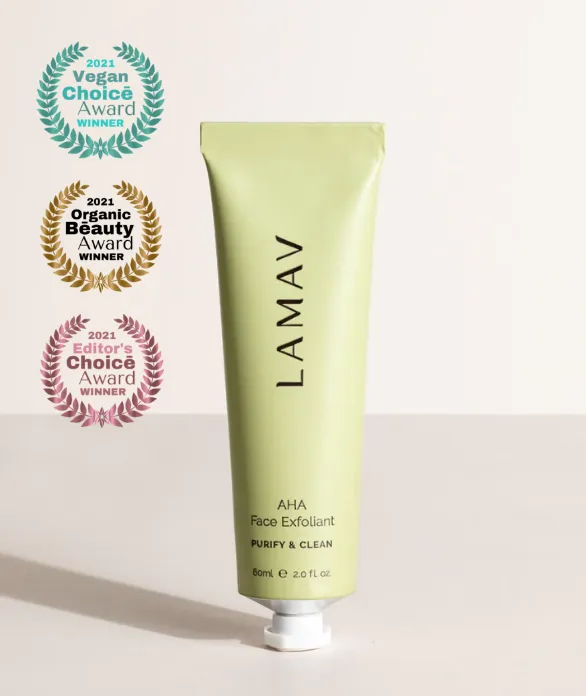
Bacterial acne responds well to AHA exfoliators because these chemical exfoliants dissolve the bonds between dead skin cells, unclog pores, and create an environment less favorable to acne-causing bacteria. While an aha scrub exfoliator won’t replace targeted acne treatments, it plays a valuable supporting role in clearing pimples and preventing new breakouts when used correctly.
This guide explains how AHA exfoliators fit into a routine designed for bacterial acne, what ingredients to pair them with, and when to skip them.
Understanding Bacterial Acne and How It Differs
Bacterial acne develops when *Cutibacterium acnes* (formerly *Propionibacterium acnes*) multiplies inside clogged pores, triggering inflammation and infection. You’ll recognize it by red, inflamed pimples with white or yellow centers that appear anywhere oil glands are dense, face, chest, back, and shoulders.
The difference between fungal acne vs bacterial acne vs hormonal acne matters for treatment. Bacterial acne shows up as pustules and papules across multiple areas, while fungal acne presents as uniform small bumps that itch, and hormonal acne clusters around the jawline and chin in deeper cystic nodules.
Common acne causes for the bacterial type include:
- Excess sebum production that traps bacteria in pores
- Dead skin cell buildup that blocks follicle openings
- Inflammation that creates an oxygen-poor environment where bacteria thrive
- Touching your face or using pore-clogging products
Medical conditions that cause acne, such as polycystic ovary syndrome or certain medications, can worsen bacterial breakouts by increasing oil production.
How AHA Exfoliators Work on Acne-Prone Skin
AHA (alpha hydroxy acid) exfoliators use water-soluble acids (glycolic, lactic, or mandelic acid) to chemically dissolve the “glue” holding dead cells on the skin surface. This prevents the dead cell buildup that combines with sebum to form comedones (blackheads and whiteheads), the precursors to inflamed bacterial acne.
When you use an aha scrub exfoliator, it accomplishes several things:
- Unclogs existing pores by removing the keratin plug trapping bacteria and oil
- Reduces inflammation through mild anti-inflammatory properties in lactic and mandelic acids
- Speeds cell turnover so acne marks fade faster and new cells surface before bacteria colonize
- Improves product penetration so serums and treatments reach deeper layers
We recommend starting with 5-8% lactic or mandelic acid formulas two to three times weekly. Glycolic acid works faster but can irritate sensitive or darker skin tones. Check the latest formulations to find gentle options that balance effectiveness with comfort.
Combining AHA Exfoliators With Other Acne Treatments
AHA exfoliators deliver better results when paired with complementary ingredients. The key is layering products that address different acne symptoms without over-drying or irritating skin.
Morning routine for bacterial acne:
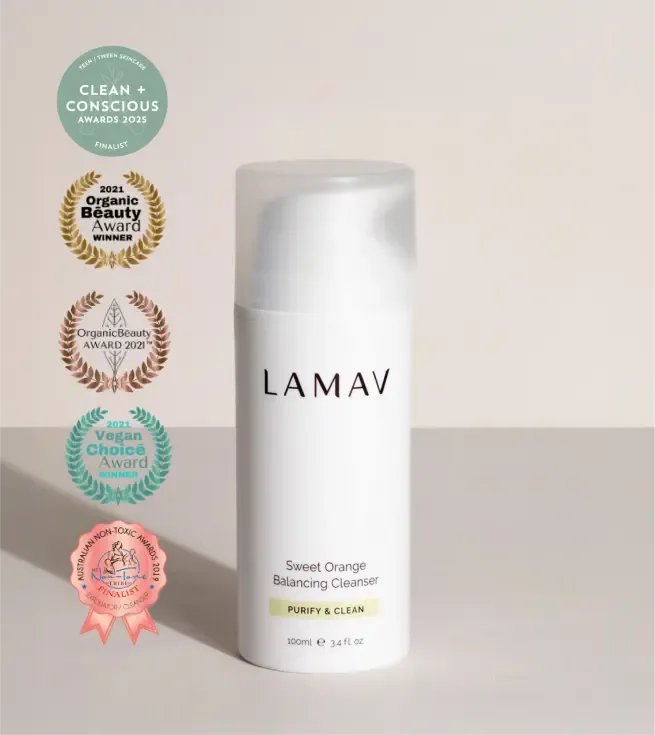
- Cleanse with an orange face wash to remove overnight oil and prep skin
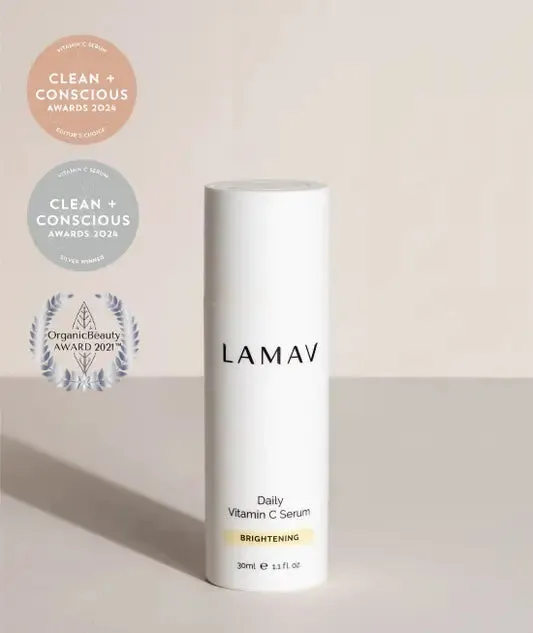
- Apply a serum targeting inflammation, the benefits of vitamin c serum include antioxidant protection and faster healing of acne marks
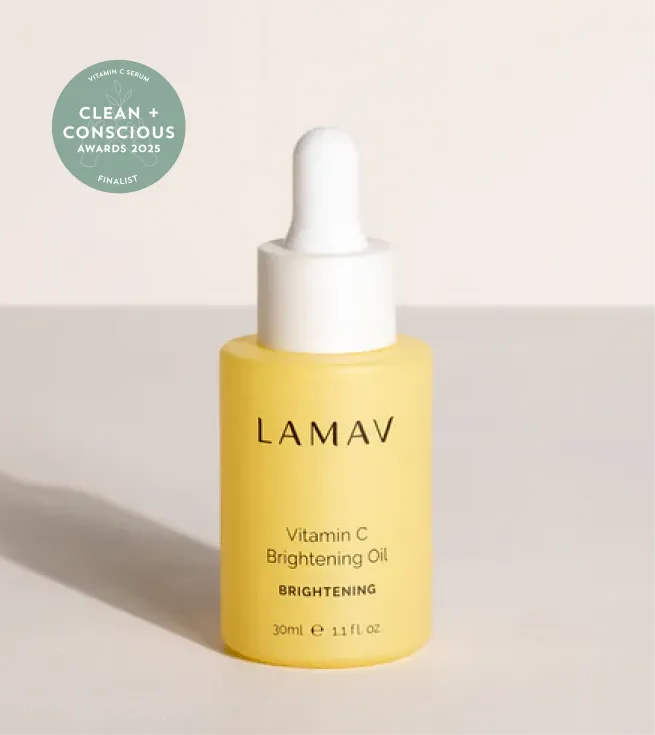
- Moisturize with non-comedogenic oils like jojoba oil for skin, which mimics sebum and won’t clog pores
- Finish with SPF (AHAs increase sun sensitivity)
Evening routine with exfoliation:
- Double cleanse to remove makeup and sunscreen
- Apply your AHA exfoliator (2-3 times weekly, not daily)
- Wait 10-15 minutes for the acid to work
- Layer a lightweight oil such as camellia seed oil, rich in oleic acid that soothes inflammation
- Spot-treat active breakouts with benzoyl peroxide or salicylic acid
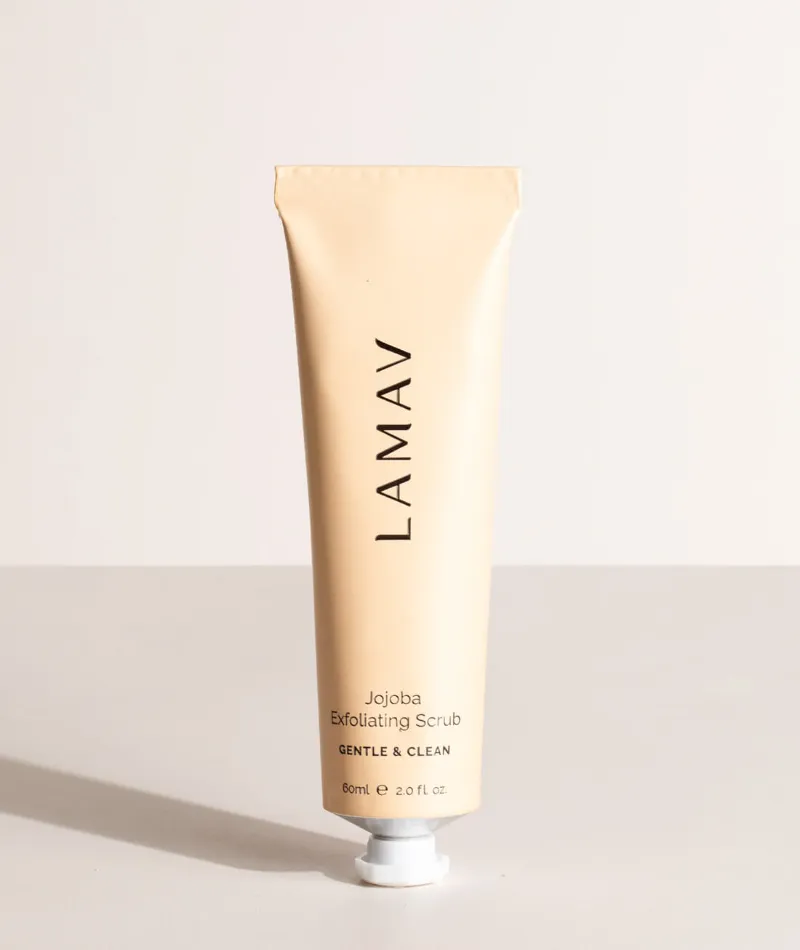
The simmondsia jojoba content in quality facial oils prevents the rebound oil production that worsens acne when skin becomes too dry. Grab the current discount on complete routines that pair exfoliators with balancing oils.
When to Avoid AHA Scrub Exfoliators
Not all types of acne or skin conditions respond well to AHA exfoliation. Skip or modify your approach if you have:
- Active cystic acne: Deep, painful nodules need prescription treatment first; surface exfoliation won’t reach the infection and may spread bacteria
- Open wounds or raw skin: Wait until the skin barrier heals to avoid stinging and delayed recovery
- Rosacea or extreme sensitivity: AHAs can trigger flushing and worsen inflammatory conditions
- Recent professional treatments: Hold off 1-2 weeks after peels, laser, or microneedling
If you’re using prescription retinoids or strong acne medications, introduce AHAs slowly (alternating nights) to prevent excessive peeling and irritation. Watch for warning signs like persistent redness, burning, or increased breakouts, which signal you’re over-exfoliating.
According to research on acne and the skin microbiome, over-exfoliation disrupts the beneficial bacteria that help regulate inflammation, so less is genuinely more.
Building a Complete Routine for Bacterial Acne
An effective routine addresses all acne causes: excess oil, dead skin buildup, bacterial overgrowth, and inflammation. Here’s how the pieces fit together.
| Step | Purpose | Product Type | Frequency |
|---|---|---|---|
| Cleanse | Remove oil, bacteria, debris | Gentle gel or oil-based cleanser | Morning & evening |
| Exfoliate | Unclog pores, speed turnover | AHA scrub or liquid toner | 2-3x weekly (PM) |
| Treat | Kill bacteria, reduce inflammation | Benzoyl peroxide, niacinamide | Daily |
| Hydrate | Support barrier, prevent dryness | Non-comedogenic oil or gel moisturizer | Morning & evening |
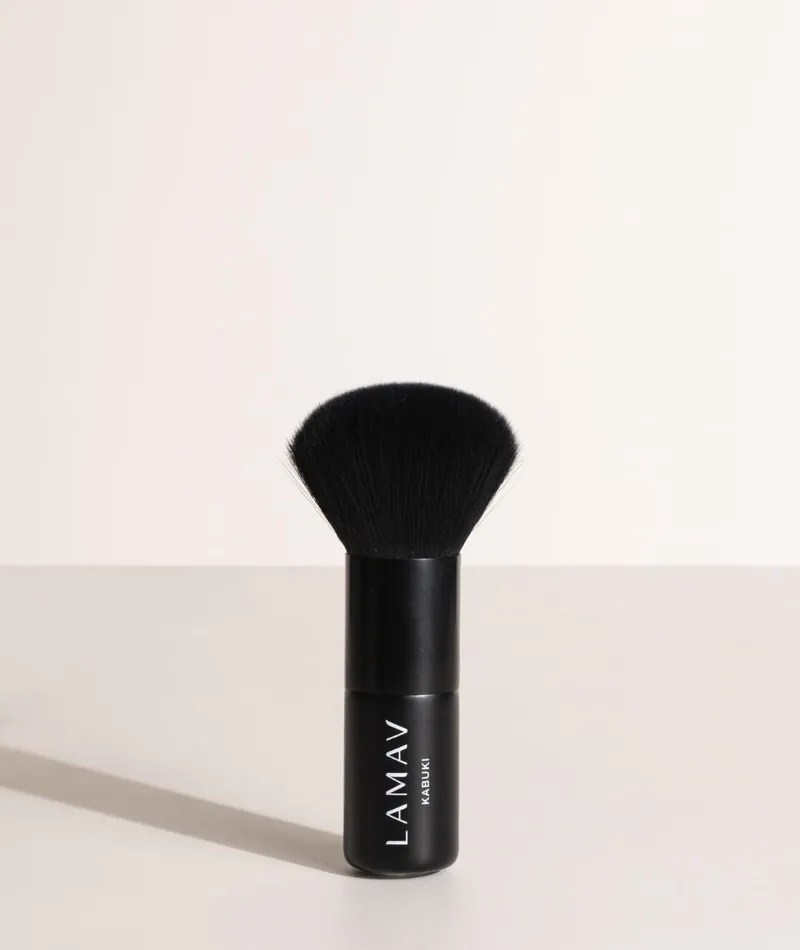
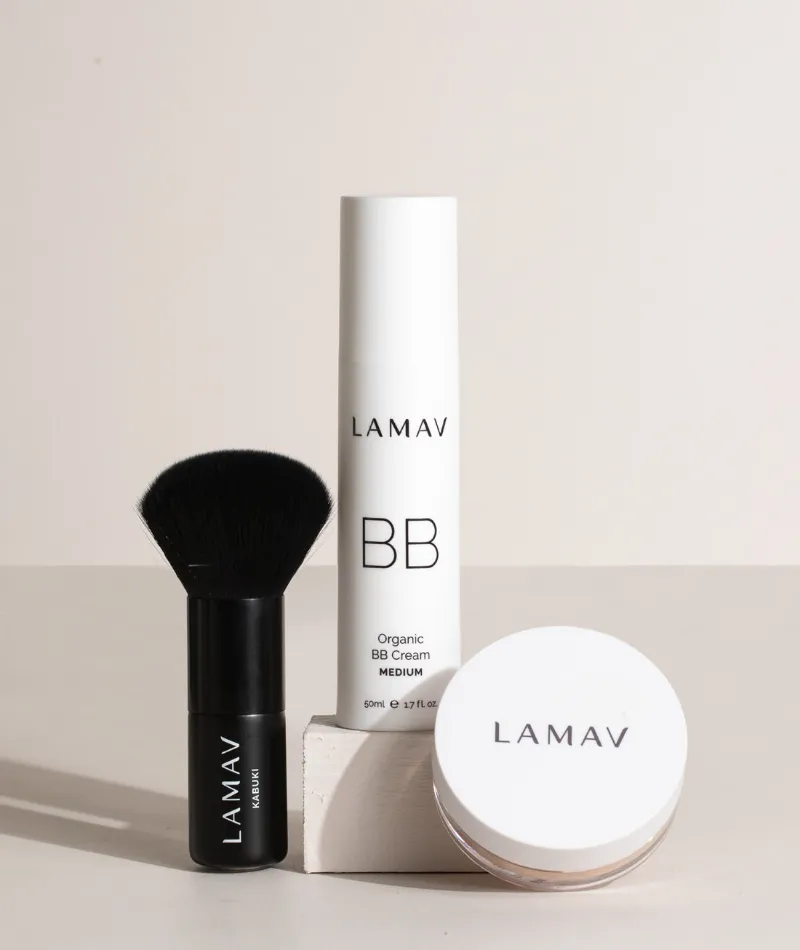
For those who wear makeup, using vegan makeup brushes reduces bacterial transfer from synthetic fibers and makes cleaning easier. Wash brushes weekly with gentle soap to prevent reintroducing bacteria to freshly exfoliated skin. A well-curated makeup kit with non-comedogenic formulas prevents pore-clogging during the day.
Monitoring Results and Adjusting Your Approach
Most people see initial improvement in skin texture within two weeks of adding an AHA exfoliator, but clearing bacterial acne fully takes 6-12 weeks as the skin completes its natural turnover cycle.
Track these markers:
- Reduction in new pimples: Fewer breakouts indicate you’re preventing clogged pores effectively
- Faster healing: Existing blemishes should resolve in 5-7 days instead of lingering for weeks
- Smoother texture: Rough, bumpy areas should refine as dead cell buildup clears
- Less post-inflammatory hyperpigmentation: Dark marks from old acne should fade progressively
If you’re not seeing improvement after eight weeks, the issue may not be purely bacterial. Understanding the differences between bacterial infections and acne helps you decide whether to consult a dermatologist for prescription options.
Adjust exfoliation frequency based on results, if your skin feels tight or looks shiny and irritated, drop to once weekly. If you tolerate it well but still see congestion, you can increase to every other night, though most people plateau at three times weekly.
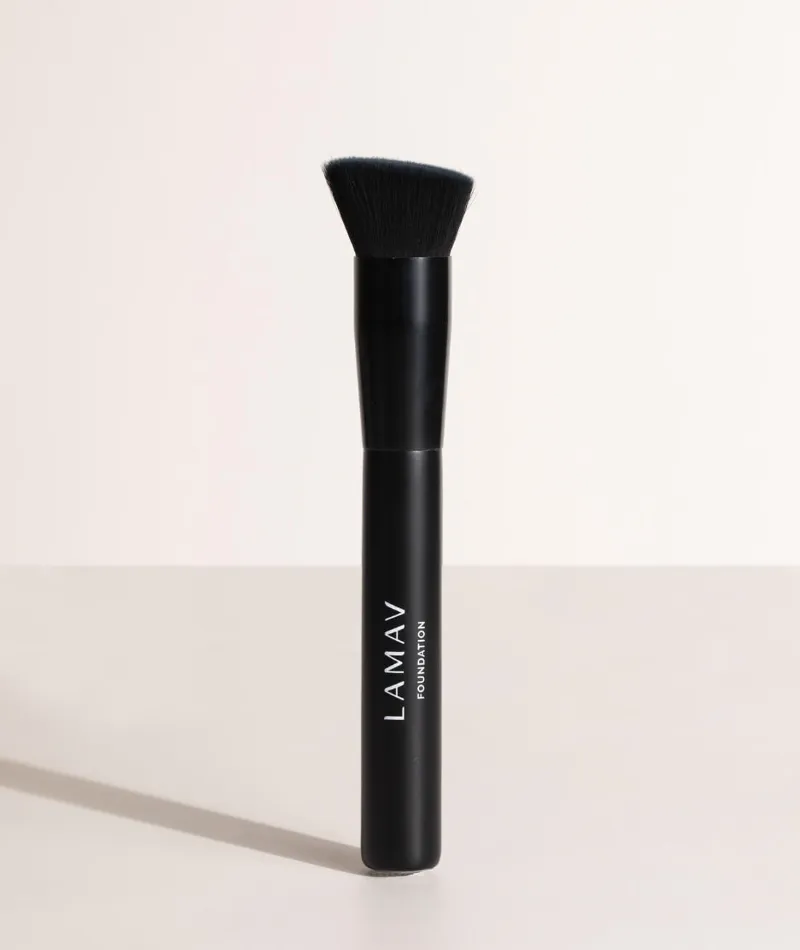
For how to stop pimples coming on face consistently, the winning combination is gentle but regular exfoliation, lightweight hydration with oils that balance sebum, and consistent cleansing with tools like vegan cosmetic brushes that stay cleaner than sponges. Visit our discount page to save on complete routines that address bacterial acne from multiple angles.
Questions
Can I use an AHA exfoliator every day for bacterial acne?
No, daily use typically causes irritation and disrupts your skin barrier. Start with 2-3 times weekly and increase only if your skin tolerates it well without redness or excessive dryness.
Will jojoba oil clog my pores if I have bacterial acne?
Jojoba oil is non-comedogenic and closely mimics your skin's natural sebum, so it actually helps regulate oil production rather than clogging pores. It works well after exfoliation to prevent rebound oiliness.
What's the difference between bacterial acne and cystic acne?
Bacterial acne includes all acne caused by C. acnes bacteria, from mild whiteheads to severe forms. Cystic acne is a severe type of bacterial acne with deep, painful nodules under the skin that often require prescription treatment.
Can I layer vitamin C serum with an AHA exfoliator?
Yes, but use them at different times. Apply vitamin C in the morning for antioxidant protection and use your AHA exfoliator in the evening to avoid layering too many acids at once, which can cause irritation.
How long before I see results from using an AHA scrub on acne?
You'll notice smoother texture within two weeks, but clearing bacterial acne fully takes 6-12 weeks as your skin completes its turnover cycle and congested pores gradually clear.
Should I avoid makeup if I'm treating bacterial acne with exfoliators?
You don't need to avoid makeup, but choose non-comedogenic products and clean your brushes weekly. Using clean vegan makeup brushes prevents transferring bacteria back to freshly exfoliated skin.
Products in this guide
 Shopping at LAMAV? See the discount code
10% OFF All Orders
Shopping at LAMAV? See the discount code
10% OFF All Orders
More in this series
What to Expect From Vitamin C Serum: Real Benefits and Timeline19 Aug 20265 minCamellia Seed Oil or Jojoba Oil: Which Facial Oil Is Right for Dry Skin?19 Aug 20263 minDo Vegan Makeup Brushes Last as Long as Natural Hair Brushes?19 Aug 20264 min Bakuchiol vs Retinol Hand Cream: Which Actually Works for Aging Hands?19 Aug 20265 minHow to Use Jojoba Oil on Your Face Without Breaking Out19 Aug 20265 min