 A LAMAV guide
What to Expect From Vitamin C Serum: Real Benefits and Timeline
The benefits of vitamin c serum include brighter skin, improved texture, and antioxidant protection, with visible results typically appearing within four to twelve weeks.
The benefits of vitamin c serum include brighter, more even-toned skin, reduced fine lines, and powerful antioxidant protection against environmental damage. Most people notice subtle improvements within four weeks, though dramatic changes require consistent use over eight to twelve weeks.
Why Vitamin C Serum Works for Your Skin
Vitamin C functions as both an antioxidant and a collagen-synthesis booster. When applied topically, L-ascorbic acid (the most researched form) penetrates the skin to neutralize free radicals from UV exposure and pollution. Topical vitamin C has been shown to support the skin’s natural repair processes and protect against photoaging.
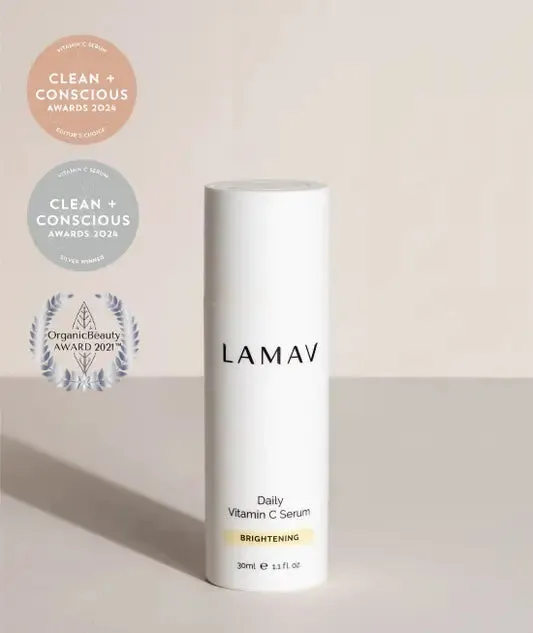
The brightening effect comes from vitamin C’s ability to interfere with melanin production. It does not bleach skin but helps fade hyperpigmentation and dark spots over time. For the best outcome, pair your benefits of vitamin c serum routine with sun protection, since UV exposure can degrade the active ingredient and counteract its effects.
Vitamin C also supports collagen production by acting as a cofactor for enzymes that stabilize collagen molecules. This contributes to firmer skin texture and can reduce the appearance of fine lines with consistent use.
Realistic Timeline: Vitamin C Serum Before and After
Expecting overnight transformation sets you up for disappointment. Here is what dermatological research reveals about realistic timelines.
Week 1-2: Texture and Radiance Your skin may look slightly brighter and feel smoother. This initial glow comes from the exfoliating properties of some vitamin C formulations and improved hydration.
Week 4-6: Tone Evenness Mild dark spots and post-inflammatory marks from bacterial acne start to fade. Skin tone becomes more uniform, though deep pigmentation requires longer treatment.
Week 8-12: Fine Lines and Firmness Collagen-related benefits become noticeable. Fine lines soften, and skin may appear plumper. Research suggests that twelve weeks of consistent use yields the most significant anti-aging improvements.
Progress photos help track subtle changes that you might miss in the mirror. Take images in the same lighting every two weeks to document your vitamin c serum before and after journey.
When to Use Vitamin C Serum: Day or Night
The debate over when to use vitamin c serum day or night continues, but both timings offer distinct advantages.
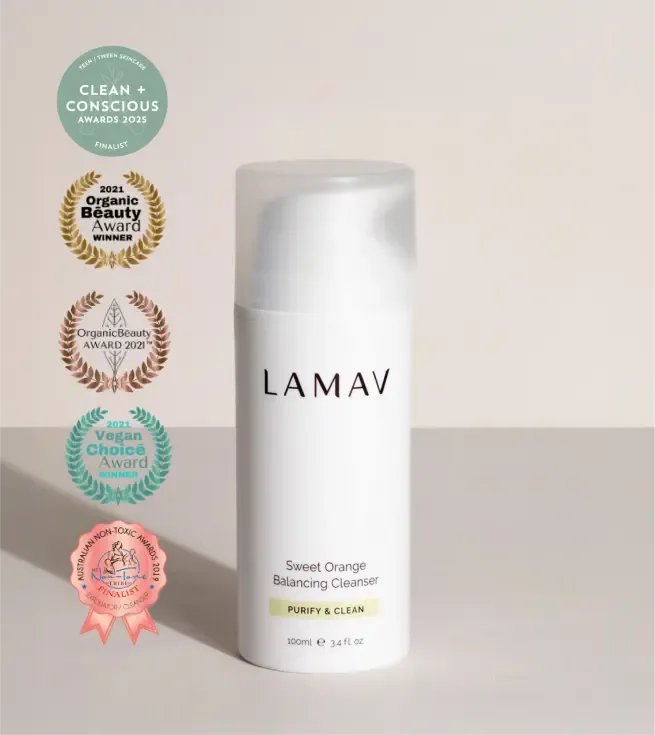
Morning Application (Our Recommendation) Most dermatologists recommend morning use because vitamin C enhances your sunscreen’s effectiveness. Apply it after cleansing with an orange face wash and before moisturizer and SPF. The antioxidant shield helps defend against daytime environmental stressors like pollution and UV rays.
Evening Application Some prefer how to use vitamin c serum on face at night to avoid potential interactions with other morning actives or because their formula causes temporary sensitivity in sunlight. The benefits of vitamin c serum on face at night focus on repair and regeneration while you sleep, without environmental interference.
Avoid Mixing With:
- Retinol or retinoids (alternate nights instead)
- Benzoyl peroxide (degrades vitamin C)
- High-pH cleansers immediately before application
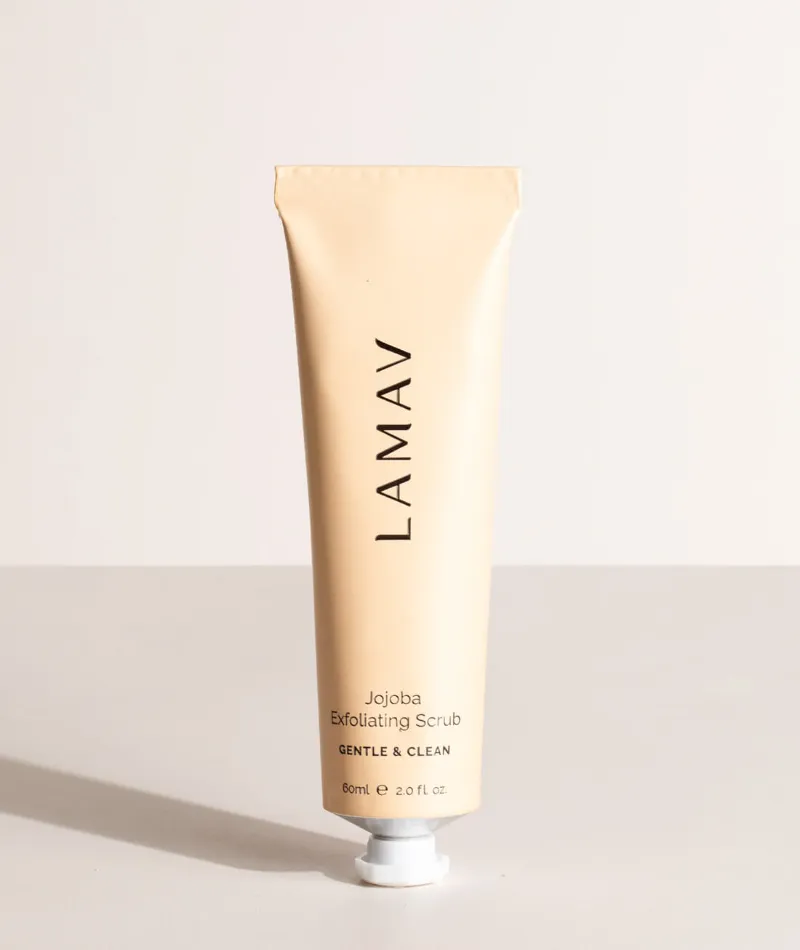
You can layer vitamin C with hydrating ingredients like jojoba oil for skin or camellia seed oil after the serum has absorbed fully. These oils lock in the active without interfering with penetration.
Choosing the Right Formula and Concentration
Not all vitamin C serums deliver the same results. Concentration, pH, and supporting ingredients determine effectiveness.
| Factor | What to Look For | Why It Matters |
|---|---|---|
| Concentration | 10-20% L-ascorbic acid | Below 10% shows minimal results; above 20% increases irritation risk without added benefit |
| pH Level | 2.0-3.5 | Vitamin C penetrates best in acidic environments; higher pH reduces efficacy |
| Packaging | Opaque, airtight bottle | Light and air degrade vitamin C rapidly, turning it yellow-brown |
| Additives | Vitamin E, ferulic acid | These antioxidants stabilize vitamin C and boost its effectiveness |
If your skin is sensitive, start with derivatives like sodium ascorbyl phosphate or magnesium ascorbyl phosphate. They are gentler but slightly less potent than pure L-ascorbic acid. Check our code for current discounts on premium formulations that use stabilized vitamin C.
Potential Side Effects and How to Avoid Them
While vitamin c serum side effects are generally mild, some users experience tingling, redness, or dryness, especially during the first week.
Common reactions include:
- Mild stinging upon application (usually subsides after a few uses)
- Temporary redness or warmth
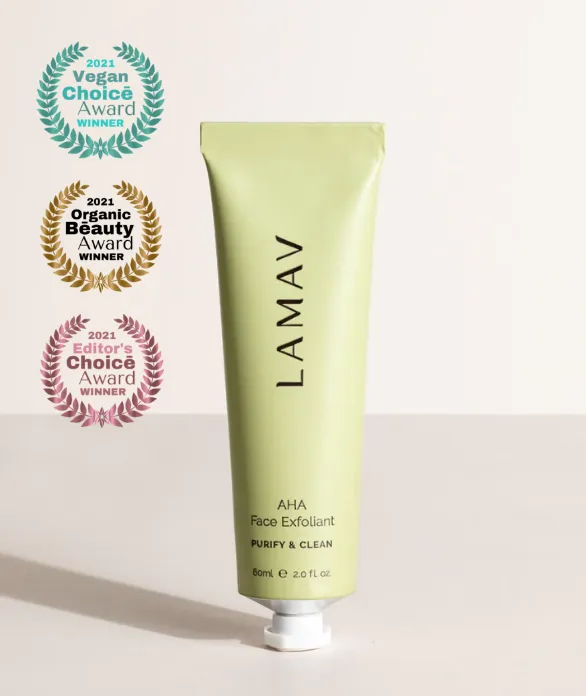
- Dryness or flaking if combined with other exfoliating actives like an aha scrub exfoliator
To minimize irritation:
- Patch-test on your inner arm for 24 hours before facial application
- Start with every-other-day application and build to daily use
- Apply to damp, not wet, skin to reduce penetration intensity
- Follow with a barrier-supporting moisturizer
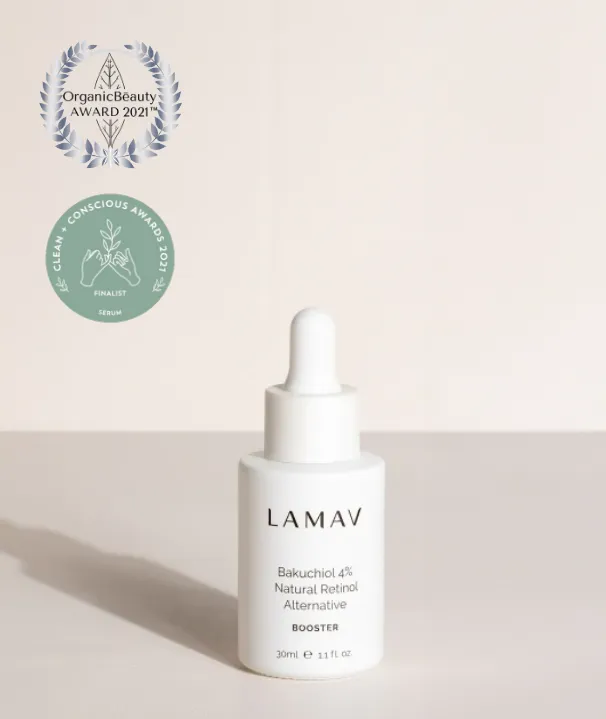
If you have extremely sensitive skin, consider gentler alternatives like a herbivore bakuchiol retinol alternative hand cream for anti-aging benefits without the potential irritation of strong actives. Discontinue use if you develop persistent redness, swelling, or a rash, and consult a dermatologist.
Layering Vitamin C With Your Existing Routine
Strategic layering maximizes the benefits of vitamin c serum without overwhelming your skin. Here is the order we recommend.
Morning Routine:
- Cleanser
- Vitamin C serum (wait 1-2 minutes for absorption)
- Hydrating serum or facial oil like simmondsia jojoba
- Moisturizer
- Sunscreen (non-negotiable)
Evening Routine:
- Double cleanse if wearing makeup (remove with a makeup kit remover first)
- Treatment serums (retinol on alternate nights)
- Moisturizer
- Facial oil if needed for extra hydration
For vitamin c for skin whitening goals, consistency matters more than concentration. Pair your serum with broad-spectrum SPF 30 or higher every single day, since UV exposure triggers the melanin production you are trying to reduce. Grab the latest discount to stock up on complementary products that support your brightening routine.
Who Benefits Most From Vitamin C Serum
Vitamin C suits most skin types, but certain concerns respond especially well. You will see the most dramatic results if you are dealing with sun damage, dullness, uneven tone, early signs of aging, or post-acne marks. Oily and combination skin types tolerate higher concentrations easily, while dry or sensitive skin benefits from lower percentages or gentler derivatives.
If you are already using active treatments for conditions like bacterial acne, introduce vitamin C slowly and monitor how your skin responds to the combination. The ingredient plays well with niacinamide, hyaluronic acid, and peptides, making it easy to integrate into most routines. Application tools like vegan makeup brushes or clean fingertips work equally well, though we prefer patting the serum in with fingertips for maximum absorption and minimal waste.
For professional makeup application after your skincare routine, vegan cosmetic brushes prevent product pilling and maintain the integrity of your base layers. The key is allowing each skincare step to absorb fully before moving to the next.
Questions
How long does it take to see results from vitamin C serum?
Most people notice brighter skin and improved texture within four weeks, while significant improvements in fine lines and pigmentation typically appear after eight to twelve weeks of consistent daily use.
Can I use vitamin C serum every day?
Yes, most people can use vitamin C serum daily once their skin adjusts. Start with every other day for the first week, then increase to daily application if you experience no irritation.
Should I apply vitamin C serum in the morning or at night?
Morning application is ideal because vitamin C provides antioxidant protection against daytime environmental damage and enhances sunscreen effectiveness. However, nighttime use works well if you prefer to separate it from other morning actives.
Does vitamin C serum help fade acne scars?
Vitamin C helps fade post-inflammatory hyperpigmentation and dark marks left by acne through its brightening properties. It works best on surface discoloration rather than depressed or raised scars, which may require professional treatment.
What should I not mix with vitamin C serum?
Avoid using vitamin C at the same time as retinol, benzoyl peroxide, or high-pH products, as these can degrade the vitamin C or cause irritation. You can alternate these ingredients on different days or use them at opposite times of day.
How do I know if my vitamin C serum has gone bad?
Fresh vitamin C serum is clear to pale yellow. If it turns dark yellow, orange, or brown, the vitamin C has oxidized and lost effectiveness. Store it in a cool, dark place and replace it every three to six months after opening.
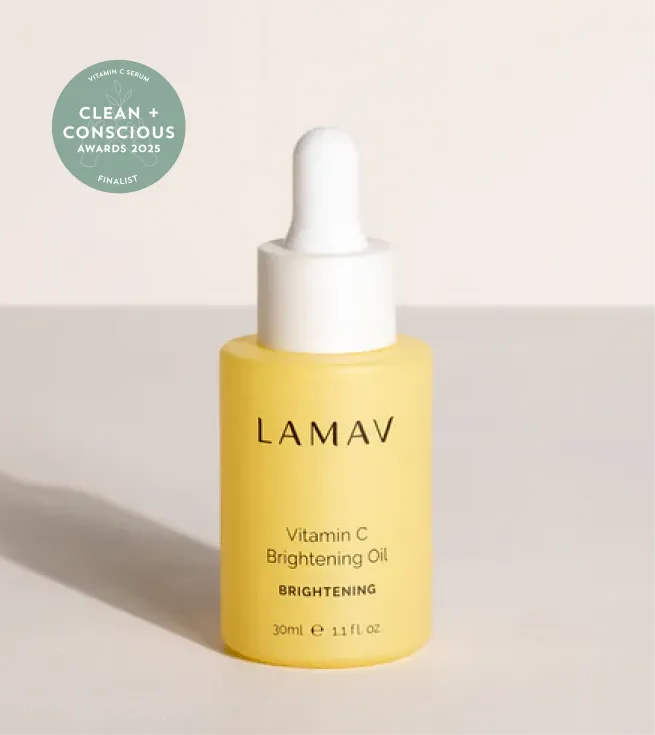
Products in this guide
 Shopping at LAMAV? See the discount code
10% OFF All Orders
Shopping at LAMAV? See the discount code
10% OFF All Orders
More in this series
Camellia Seed Oil or Jojoba Oil: Which Facial Oil Is Right for Dry Skin?19 Aug 20263 minCan AHA Scrub Exfoliators Help With Bacterial Acne?19 Aug 20265 min Do Vegan Makeup Brushes Last as Long as Natural Hair Brushes?19 Aug 20264 minBakuchiol vs Retinol Hand Cream: Which Actually Works for Aging Hands?19 Aug 20265 minHow to Use Jojoba Oil on Your Face Without Breaking Out19 Aug 20265 min