 A Vegbed guide
Troubleshooting Common Issues With Microgreen Grow Rolls
The Microgreen Grow Mat Bundle solves most growing problems, but uneven watering, mold, and drying issues can still happen with simple fixes we've tested.
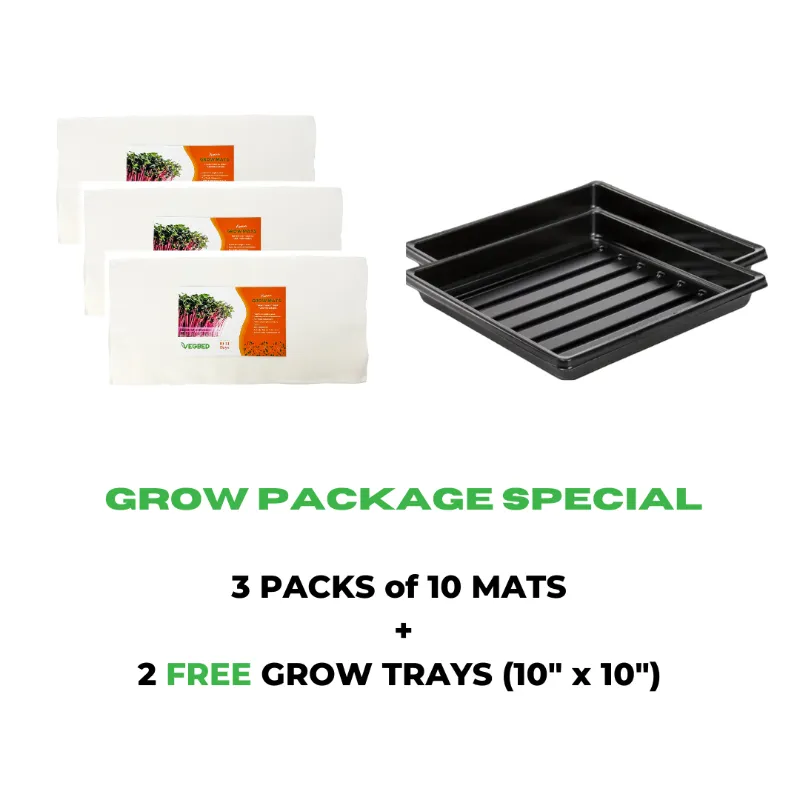
The Microgreen Grow Mat Bundle eliminates many soil-based problems, but growers still face challenges with moisture balance, germination patterns, and mold.
Most problems with microgreen mats trace back to watering technique or environmental conditions rather than the mat itself. Natural-fiber grow media performs differently than soil, so adjustments to your routine make the difference between patchy trays and dense, healthy greens.
Uneven Sprouting and Bald Patches
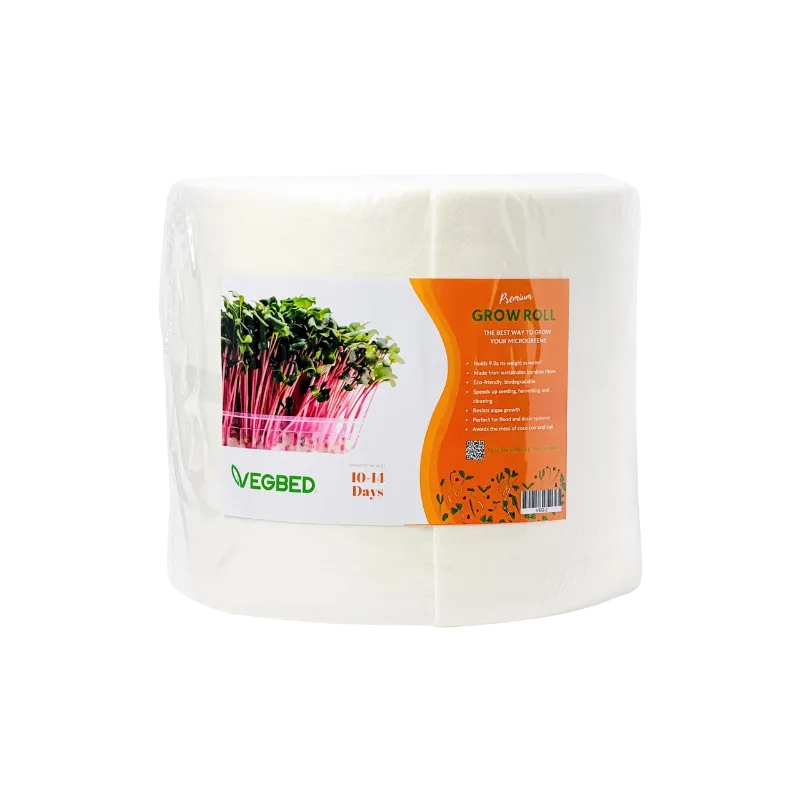
Bald spots or uneven germination across your grow roll usually stem from inconsistent seed distribution or poor seed-to-mat contact.
How to fix it:
- Pre-soak your mat for 5 to 10 minutes before seeding so the surface is uniformly damp
- Spread seeds in a single, even layer without clumping or gaps
- Press seeds gently into the mat surface with a clean hand or second tray
- Mist the seeded mat lightly to help seeds adhere before covering
- Check that your blackout dome or cover sits flat and applies light, even pressure
Coconut coir mats sometimes develop a hydrophobic surface if they dry completely before seeding. If water beads up instead of absorbing, soak the mat longer and add a drop of mild dish soap to the initial soak water to break surface tension.
Seeds in the center often lag behind edges if your watering pattern favors the perimeter. Bottom-watering solves this by drawing moisture evenly through capillary action, which is why most growers prefer tray-based setups for microgreen mats.
Mat Dries Out Too Quickly
Hemp and coconut fiber mats can dry faster than soil, especially in low-humidity environments or under grow lights that generate heat.
- Water from below by adding liquid to the tray rather than top-misting during germination
- Cover trays with a humidity dome or second inverted tray during the blackout phase
- Stack trays if growing multiples to create a more humid microclimate
- Move trays away from heating vents, fans, or direct airflow
- Check moisture twice daily during germination and daily once greens are established
The Microgreens Grow Roll holds moisture well when properly saturated, but thin mats (under 0.2 inches) dry out faster than thicker versions. If you’re in a dry climate, choose thicker mats or plan to water more frequently.
Bottom-watering also reduces evaporation compared to misting. We add about a quarter-inch of water to the tray and let the mat wick it up, then drain any excess after 10 to 15 minutes. Check the latest pricing and grab our code for 10% off bundles that include multiple mat thicknesses.
Mold or Fungal Growth on the Mat Surface
White fuzz on your mat or stems can be fuzzy root hairs (harmless) or mold (problematic). Mold usually appears as gray, green, or black patches with a musty smell, while root hairs are bright white and odorless.
Preventing and treating mold:
- Improve airflow with a small fan on low speed after seeds germinate
- Reduce watering frequency if the mat stays waterlogged
- Remove the blackout cover as soon as seeds sprout to expose them to light
- Keep growing area temperature between 65 and 75°F, mold thrives in warm, stagnant air
- Discard heavily molded trays rather than trying to salvage them
We rarely see mold when trays get daily airflow and the mat surface dries slightly between waterings. The germination phase poses the highest risk because trays sit covered and humid for two to four days.
Some growers add a small amount of hydrogen peroxide (one teaspoon per cup of water) to the initial soak, though we find proper ventilation more effective and less likely to affect flavor. Natural-fiber mats from reputable suppliers like those featured on Microgreen Grow Mats typically have lower contamination rates than generic bulk options.
Seeds Not Germinating or Poor Germination Rates
If your seeds fail to sprout or germination drops below 70%, the mat itself is rarely the culprit.
Check these factors first:
- Seed quality – old or improperly stored seeds lose viability regardless of grow medium
- Soaking requirements – larger seeds like peas and sunflower need pre-soaking, while small seeds like broccoli do not
- Mat saturation – too dry and seeds won’t activate, too wet and they rot
- Temperature – most microgreens germinate best between 68 and 72°F
- Light exposure – most varieties need darkness initially, then light once sprouted
The grow roll works with all standard microgreen seeds when you match the prep to the seed type.
Seeds placed directly on a dry mat often fail because they can’t absorb enough moisture to trigger germination. Always pre-wet your mat thoroughly and maintain consistent moisture during the blackout period.
Comparing Microgreen Grow Mat Bundle Options
Different bundle configurations suit different growing scales and styles. Here’s how the main options stack up:
| Bundle Type | Best For | Typical Contents |
|---|---|---|
| Single-mat packs | Testing or small-batch growers | 5 to 10 pre-cut mats |
| Microgreen Grow Mat Bundle | Regular home growers | 25+ mats, multiple sizes |
| Bulk grow rolls | Commercial or heavy users | 50 to 100 feet of uncut mat |
We prefer bundles for home use because they include variety. You can test thick mats for slower-growing varieties like peas alongside thin mats for fast radish or mustard cycles without committing to a single format.
Rolls offer better value per square foot but require cutting to size and work best if you’re growing the same tray dimensions repeatedly. Visit our discount code page to compare current bundle pricing with our exclusive 10% off code.
Mat Won’t Fit Standard 10×20 Trays
Pre-cut mats sometimes arrive slightly oversized or undersized for standard nursery trays, especially if they’ve absorbed moisture and expanded.
Quick adjustments:
- Trim oversized mats with scissors along the edges, fiber mats cut easily when dry
- For undersized mats, cut a second mat into strips to fill gaps along edges
- Let mats expand fully in water before placing them in trays to gauge true size
- Consider uncut Microgreens Grow Roll options if your trays are non-standard dimensions
Hemp mats expand more than coconut coir when wet, sometimes by 10 to 15%. We soak new mats in a separate container first, let them expand, then transfer them to growing trays so we know exactly how they’ll fit.
Most variance comes from manufacturing tolerances rather than defects. Natural-fiber products have more size variation than plastic alternatives, which is a reasonable tradeoff for compostability and better root development. Suppliers committed to consistency, like those highlighted on The Leader in Natural-Fiber Microgreen Growing Media, typically hold tighter tolerances.
Who Should Use Growing Mats Instead of Soil
Fiber mats solve specific problems that matter more to some growers than others. You’ll benefit most from switching to a Microgreen Grow Mat Bundle if you:
- Want faster cleanup and no potting soil mess in your kitchen
- Grow indoors where soil drainage and gnats are concerns
- Harvest by cutting above the mat rather than pulling roots
- Need consistent results across multiple trays without mixing media
- Prefer compostable materials over peat or synthetic options
We still recommend soil for growers who want to harvest roots along with shoots or who already have a soil workflow they’re happy with. Mats cost more per grow cycle than bulk potting mix, though the time savings and cleanliness offset the price for most home growers.
The learning curve is minimal. If you can grow microgreens in soil, you can grow them on mats with one or two test cycles to dial in your watering rhythm.
Questions
Why is my Microgreen Grow Mat Bundle drying out overnight?
Low humidity, poor tray sealing, or thin mat thickness causes rapid drying. Bottom-water instead of misting, cover trays during germination, and check that your growing area isn't near heat vents or fans.
Can I reuse microgreen mats after harvesting?
No, hemp and coconut fiber mats break down during the grow cycle and tangle with roots, making reuse impractical. The good news is they're fully compostable, so toss spent mats and roots directly into your compost bin.
How do I know if white fuzz on my mat is mold or roots?
Root hairs are bright white, odorless, and appear along stems near the mat surface. Mold is gray, green, or black, smells musty, and spreads across the mat itself rather than just on stems.
What causes seeds to germinate unevenly on grow rolls?
Uneven seed distribution, dry spots on the mat, or poor seed-to-mat contact create patchy germination. Pre-soak the mat thoroughly, spread seeds evenly, and press them gently into the surface before covering.
Do thicker mats work better than thin ones for microgreens?
Thicker mats retain moisture longer and support larger seeds like peas or sunflower, while thin mats work well for small, fast-growing seeds like radish or broccoli. Match thickness to your seed type and watering schedule.
How often should I water microgreens grown on fiber mats?
During germination, check twice daily and keep the mat consistently damp but not waterlogged. After sprouting, water once daily or when the mat surface feels barely moist, usually by adding water to the tray bottom.
Products in this guide
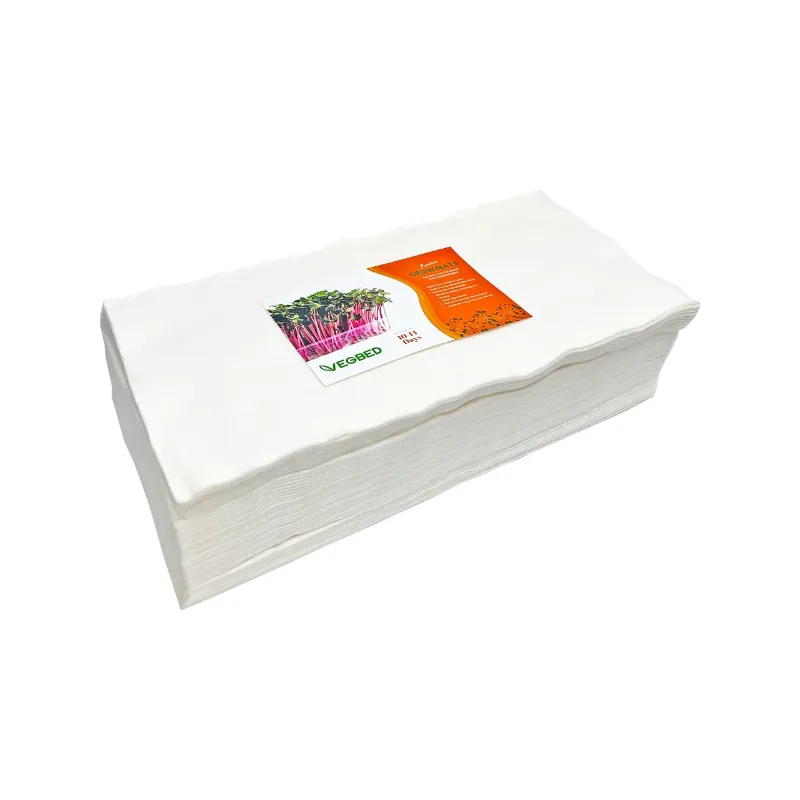 Shopping at Vegbed? See the discount code
10% OFF All Orders
Shopping at Vegbed? See the discount code
10% OFF All Orders
More in this series
What’s the Difference Between Vegbed’s Grow Roll and Traditional Growing Mats?3 Sep 20264 minHow Long Do Microgreen Growing Mats Last Before Replacement?3 Sep 20265 minVegbed Microgreen Grow Mat Bundle Review: Is the Bundle Worth It?3 Sep 20264 minDo Vegbed Growing Mats Need Soil or Special Nutrients?3 Sep 20265 minHow to Choose Between Microgreen Mats and Grow Rolls for Your Setup3 Sep 20264 min